Cat Throwing Up but Acting Normal: When to See a Vet
By Dr. Zubair Khalid, DVM, MS, PhD ·
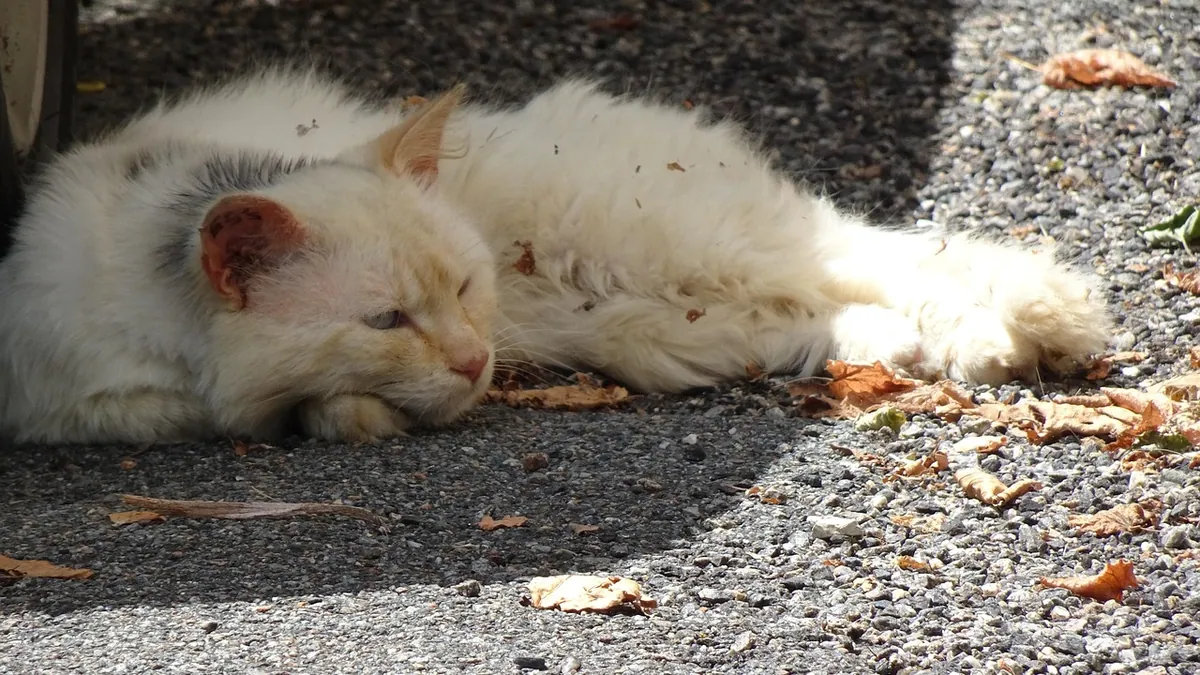
A cat throwing up but acting normal is a common situation, and it often turns out to be something minor like eating too fast or a hairball. But normal behavior does not rule out a real medical problem, because cats are skilled at hiding illness until it becomes serious. The pattern of vomiting matters as much as how your cat looks between episodes.
This article is educational and is not a substitute for veterinary diagnosis or treatment.
Quick Answer
- Occasional vomiting (once, or a few times a year) with a normal appetite, energy level, and litter box habits is usually not an emergency, but it should still be watched.
- Repeated vomiting over days or weeks, even if your cat seems fine, needs a veterinary visit because conditions like kidney disease, pancreatitis, and intestinal disease can cause intermittent vomiting [1].
- Vomiting is an active, forceful process with retching and abdominal contractions, while regurgitation is passive and produces undigested, tube-shaped food [1].
- Bring your cat in the same day if vomiting comes with lethargy, pain, diarrhea, or refusal to eat, and go to an emergency clinic if you see blood, a swollen belly, or repeated unproductive retching.
- Never give human anti-nausea or pain medications, and never try to make your cat vomit at home.
What Vomiting Looks Like and What Counts as Normal
True vomiting is hard work for a cat. You will usually see drooling, repeated swallowing, retching, and strong contractions of the belly and diaphragm before food or fluid comes up [1]. The material may be partially digested food, yellow bile, foam, or hair.
Regurgitation looks different. It is passive, with no retching or effort, and the food comes up undigested, sometimes in a cylindrical shape that matches the esophagus [1]. Owners often mix these up, and the distinction matters because the causes are different.
Normal, low-concern vomiting in an otherwise healthy cat tends to be:
- A single episode after eating too quickly
- A hairball every so often, with a normal appetite afterward
- Vomiting once after a known dietary indiscretion, then returning to normal
If your cat vomits once and then eats, plays, and uses the litter box normally, a short period of watching at home is reasonable. You can read more about that specific situation in Cat Vomiting Once and Acting Normal: When to Monitor and When to Call.
Why a Cat Can Vomit and Still Seem Fine
Cats are built to mask discomfort. A cat with mild nausea, stomach irritation, or early organ disease may still greet you at the door, jump on the counter, and finish dinner. That is why "acting normal" is reassuring but not proof that nothing is wrong.
The pattern to pay attention to is frequency and trend. A cat that vomits once and stops is very different from a cat that vomits every few days for a month. Intermittent vomiting is a classic early sign of several chronic conditions, and it often gets worse slowly enough that owners do not notice the change.
Main Causes of Vomiting in Cats
Vomiting has many causes. They include digestive system disease, kidney or liver failure, pancreatitis, nervous system disorders, poisons, insect stings or snake bites, internal parasites (including heartworm disease), infections, inflammation, drugs, swallowed foreign objects, food allergy, and tumors [1].
Some of these hide behind a normal-looking cat for a long time. Here is a practical breakdown.
| Cause | Typical clues | How urgent |
|---|---|---|
| Hairballs or eating too fast | Vomits once, hair or whole food visible, normal appetite right after | Low, monitor |
| Dietary upset or food allergy | Vomiting after a new food, sometimes with soft stool | Routine visit if it repeats |
| Intestinal parasites | Intermittent vomiting, sometimes weight loss or a pot-belly look | Routine visit, bring a stool sample |
| Swallowed foreign object | Vomiting, sometimes not eating, may come and go | Same day, emergency if severe |
| Kidney or liver disease | Intermittent vomiting, increased drinking and urination, weight loss | Same day to routine, depending on severity |
| Pancreatitis | Intermittent vomiting, weight loss, sometimes increased appetite and thirst | Same day |
| Pancreatic abscess or mass | Weight loss, increased appetite, increased thirst and urination, intermittent vomiting | Same day |
| Biliary disease (gallbladder or bile duct) | Lethargy with intermittent vomiting, sometimes yellow tinge | Same day |
| Septic splenitis (spleen infection) | Lethargy, intermittent vomiting, diarrhea, fever, belly pain | Same day |
| Toxin exposure | Vomiting, drooling, wobbliness, tremors | Emergency now |
A few of these deserve a closer look because they are easy to miss.
Pancreatic disease. A 13-year-old cat was referred for weight loss, increased appetite, increased thirst and urination, and intermittent vomiting. Testing showed diabetes mellitus, and ultrasound found a thickened pancreas with fluid-filled cavities that cultured positive for bacteria. That cat needed months of treatment and eventually surgery [2]. Intermittent vomiting was one of the first signs.
Biliary disease. A 14-year-old cat came in with two days of lethargy and intermittent vomiting. Ultrasound found a blocked bile duct with gallstones and a mass on the liver, and surgery plus biopsy confirmed a biloma, a collection of bile outside the ducts [3]. Vomiting was the visible tip of a serious problem.
Splenic infection. A 3.5-year-old cat had two weeks of lethargy and intermittent vomiting, then developed diarrhea, poor appetite, fever, belly pain, and anemia. Imaging and cytology found a bacterial infection in the spleen, and the cat recovered after surgery and a four-week course of an antibiotic [4].
These cases share a theme. The vomiting was intermittent, and the cats were not obviously dying. They were still sick enough to need veterinary care.
If your cat is vomiting and also trembling or unsteady, that combination changes the urgency. See Cat Shaking and Vomiting: When to Rush to the Vet.
Red Flags That Make It an Emergency
Go to an emergency clinic now if you see any of these:
- Repeated unproductive retching, especially with a swollen or painful belly (possible bloat or obstruction)
- Blood in the vomit, or material that looks like coffee grounds
- Vomiting after known or suspected access to a toxin, human medication, or a foreign object
- Collapse, seizures, severe weakness, or trouble breathing
- A belly that is hard, distended, or painful to touch
- Vomiting with a high fever or obvious pain
Call your veterinarian the same day if your cat:
- Vomits more than a few times in 24 hours
- Stops eating or drinking
- Has diarrhea along with the vomiting
- Seems quieter than usual, hides more, or stops grooming
- Is losing weight even though it still eats
If you are unsure whether your cat's vomiting is urgent, Cat Vomiting: When to Call the Vet Immediately walks through the decision step by step.
What You Can Safely Do at Home While You Wait
Home care is about watching and supporting, not treating.
- Withhold food for a short time only if your veterinarian tells you to. Do not fast a cat for a full day without veterinary guidance, because cats can develop serious liver problems when they stop eating.
- Offer small amounts of water. If your cat cannot keep water down, that is a reason to call the vet.
- If your vet approves, offer a small bland meal and see how it stays down.
- Keep a simple log. Write down the time, what came up, whether food or hair was visible, and how your cat behaved afterward.
- Separate your cat from other pets so you know who is vomiting and who is using the litter box.
- Do not give human anti-nausea drugs, antacids, or pain relievers. Many are toxic to cats, and the dose depends on your cat's weight and health, which your veterinarian will calculate.
Never try to make your cat vomit at home. Inducing vomiting in cats is difficult even for veterinarians, and it is only done for specific toxins under supervision [5].
What Your Veterinarian Will Check and Test
Your vet will start with a full history. Bring your log, the food label, and any medications or supplements your cat takes. Note any possible exposure to plants, string, hair ties, or human pills.
The physical exam checks hydration, weight, gum color, belly palpation, and a search for masses or pain. From there, testing usually includes:
- Blood work to look at kidney and liver values, blood sugar, and blood cell counts
- A stool check for parasites
- Imaging such as X-rays or ultrasound to look for foreign objects, masses, or organ changes
- Specific tests for pancreatitis or thyroid disease if the history points that way
In the cases described earlier, ultrasound and cytology were what found the spleen infection, the pancreatic abscesses, and the biliary obstruction [4][2][3]. Vomiting alone would not have revealed those diagnoses.
Treatment depends on the cause. Some cats need fluids, a diet change, or deworming. Others need antibiotics, surgery, or long-term management of a chronic condition. If nausea is part of the picture, your veterinarian may prescribe an anti-nausea medication. Maropitant, for example, reduced vomiting risk in controlled studies of cats, but the choice of drug and dose is a medical decision your vet makes for your cat [6].
Prevention and Monitoring
You cannot prevent every cause of vomiting, but you can lower the odds and catch problems earlier.
- Feed measured meals on a schedule instead of free-feeding, which helps with cats that gulp food.
- Use a slow feeder or a puzzle bowl for fast eaters.
- Change foods gradually over about a week to avoid stomach upset.
- Keep string, hair ties, rubber bands, and small toys out of reach.
- Brush your cat regularly to reduce hair swallowed during grooming.
- Keep up with parasite prevention as your vet recommends.
- Weigh your cat monthly. A kitchen scale works well. Weight loss is often the first sign that intermittent vomiting is not harmless.
- Track vomiting episodes on a calendar. If the number is creeping up, that is your signal to book a visit.
If your cat vomits undigested food but otherwise seems fine, that pattern has its own set of causes worth reviewing in Cat Vomiting Undigested Food But Acting Normal.
Limitations and When to Contact a Veterinarian
This article cannot tell you what is wrong with your cat. Only a veterinarian who examines your cat, reviews the history, and runs tests can do that. Individual cases need individual veterinary care.
Use these timing rules:
- Emergency now: repeated unproductive retching, a distended or painful belly, blood in vomit, collapse, seizures, trouble breathing, or suspected toxin or foreign object ingestion.
- Same day: more than a few episodes in 24 hours, refusal to eat or drink, vomiting with diarrhea, marked lethargy, or vomiting in a cat with a known chronic disease.
- Routine visit within a few days: intermittent vomiting that has gone on for more than a week, any weight loss, or a rising frequency of episodes even if your cat seems fine.
If you are ever unsure, call your veterinarian. A phone call costs nothing and can prevent a small problem from becoming a large one.
Frequently Asked Questions
Should I worry if my cat throws up but acts normal?
Not every episode is a concern, but a pattern is. A single vomit with a normal appetite and energy level is usually fine to watch. Repeated episodes over days or weeks deserve a veterinary visit, because chronic diseases often start this way.
How many times is too many for a cat to vomit?
There is no single number that fits every cat. As a general guide, more than a few episodes in 24 hours, or any vomiting that keeps coming back over a week or more, should prompt a call to your vet. Your cat's age, history, and other signs all change the answer.
Can hairballs cause regular vomiting?
Hairballs can cause occasional vomiting, but frequent hairballs are not normal. If your cat brings up hair often, something more serious than a hairball could be to blame, and it is worth a veterinary check [1].
My cat vomits but still eats normally. Does that mean it is fine?
No. Many cats with early kidney, liver, pancreatic, or intestinal disease keep eating well. Appetite alone is not a reliable sign of health. Weight, energy level, thirst, and litter box habits matter too.
Can I give my cat anti-nausea medicine from my own cabinet?
No. Human anti-nausea and pain medications can be toxic to cats, and dosing is based on weight and health status. Your veterinarian will decide whether an anti-nausea drug is appropriate and calculate the correct dose for your cat.
Related Articles
- Cat Vomiting: When to Call the Vet Immediately
- Cat Vomiting Once: Should You Wait or Call the Vet?
- Cat Vomiting Once and Acting Normal: When to Monitor and When to Call
- Cat Shaking and Vomiting: When to Rush to the Vet
- Cat Vomiting Undigested Food But Acting Normal
- Cat Sneezing: When to See a Vet
- Cat Threw Up: What to Do and When to Call the Vet
- How Often Should Cats Throw Up? When to Worry
- How to Stop Your Cat Throwing Up: Causes and Next Steps
References
- Vomiting in Cats - Cat Owners. Merck Veterinary Manual.
- Recurrent pancreatic abscesses coexisting with a suspected adenocarcinoma in a cat. JFMS open reports, 2026.
- Biloma in a cat with cholelithiasis and suspected previous biliary peritonitis due to gallbladder rupture. JFMS open reports, 2026.
- Successful Management of Septic Splenitis in an Abyssinian Cat. Veterinary medicine and science, 2026.
- Inducing emesis in Australian dogs and cats: agents, adverse effects and antiemetic administration. Australian veterinary journal, 2025.
- Receptor-Targeted Antiemetic Strategies in Cats: A Systematic Review and Intervention-Specific Meta-Analysis. Veterinary medicine and science, 2026.