Why Is My Cat's Pee Pink? Causes and When to Call the Vet
By Dr. Zubair Khalid, DVM, MS, PhD ·
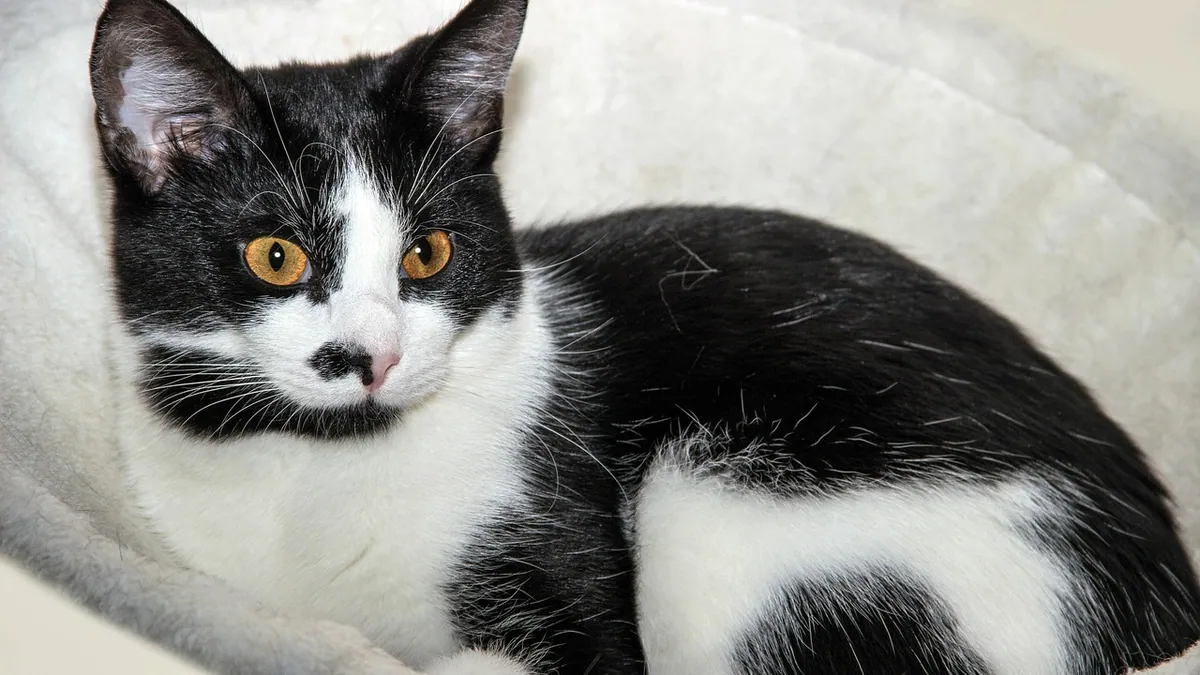
Pink urine in a cat almost always means blood is mixed into the urine. The medical term is hematuria, and it can come from the bladder, the urethra, the kidneys, or the ureters (the tubes that carry urine from each kidney to the bladder) [1]. A pink tint can range from a faint blush to a clear red, and the urgency depends far more on your cat's behavior and ability to urinate than on the shade itself.
This article is educational and is not a substitute for veterinary diagnosis or treatment.
Quick Answer
- Pink, red, or light pink urine means blood until proven otherwise. Healthy cat urine is yellow to amber and clear to slightly cloudy.
- A male cat who is straining, crying, or producing only drops may have a urethral blockage. This is a life-threatening emergency, so go to a vet now.
- A cat with pink urine who is acting completely normal still needs a vet visit soon, ideally within a day or two, because stones, infection, and bladder inflammation do not fix themselves.
- Do not give human pain relievers. Many are toxic to cats, and the dose for any pet medication is calculated by your veterinarian based on your cat's weight and health.
- Collect a fresh urine sample in a clean container if you can. It speeds up diagnosis and may save your cat a needle stick.
What Pink Cat Pee Looks Like and What Normal Urine Looks Like
Normal cat urine is yellow to amber. It may look slightly cloudy, and it has a strong odor, especially in intact males. A small amount of pink or red discoloration is not normal at any age.
Owners often describe the color in different ways. Cat pee light pink usually means a small amount of blood is diluted in the urine. Cat pee that is bright red or contains visible clots suggests heavier bleeding. Sometimes the pink shows up only on the edge of the litter clump or on a white pee pad, which can make a tiny amount of blood look dramatic.
Blood can also appear at the end of urination, which owners notice as a pink spot on the litter after the cat has finished. Timing like this is useful information for your vet, so write it down.
One important trap: some cat litters, treats, and foods contain dyes that can stain urine. If your cat is otherwise fine and the color change appeared right after a new litter or treat, mention it to your vet, but do not assume it is harmless. Blood is far more common than dye.
Causes of Pink Urine in Cats
Feline lower urinary tract disease is not one specific disease. It is a grouping of problems that affect the lower urinary tract, and both male and female cats are affected [2]. Because these disorders have different causes and treatments, your vet will work through them one by one [2].
| Cause | Typical clues | How urgent |
|---|---|---|
| Feline idiopathic cystitis (FIC) | Straining, frequent small urinations, blood in urine, often in a stressed indoor cat | Same-day to next-day vet visit. Emergency if the cat cannot pass urine |
| Urinary stones (urolithiasis) | Blood in urine, pain, dribbling, sometimes vomiting | Same-day to next-day visit. Emergency if blocked |
| Urethral blockage | Male cat, repeated trips to the box, no urine or only drops, crying, hiding, vomiting, lethargy | Emergency now |
| Bacterial urinary tract infection | Bloody urine, strong odor, frequent trips, sometimes no obvious signs | Vet visit within a day or two |
| Ureteral stricture or obstruction | Blood in urine, often vague signs, kidney changes seen on imaging | Urgent, needs imaging and possibly surgery |
| Bladder cancer | Blood in urine, straining, often older cat, signs that keep returning | Urgent, needs imaging and testing |
| Kidney disease or trauma | Blood in urine plus drinking more, weight loss, or a known injury | Same-day visit, emergency after trauma |
Feline Idiopathic Cystitis
Feline idiopathic cystitis is the most common cause of lower urinary tract signs in cats, accounting for 55 to 65 percent of feline lower urinary tract disease cases [3]. It results from complex interactions between the bladder, the nervous system, the adrenal glands, and the cat's living environment [4]. Common signs include urinating more often, urinating outside the box, blood in the urine, and straining [3]. Stress, changes in the household, and indoor confinement often play a role.
Urinary Stones
After feline idiopathic cystitis, urolithiasis (stones) is the second most common cause of feline lower urinary tract disease, and its signs often mimic those of obstructive cystitis [4]. Stones can sit in the bladder or travel into the urethra. A stone lodged in the urethra of a male cat is one of the classic causes of a complete blockage.
Urethral Blockage
This is the emergency owners need to know about. A blocked cat cannot pass urine, and the bladder keeps filling. Toxins build up in the blood, and the cat can die within a day or two without treatment. Male cats are at higher risk because their urethra is long and narrow. Signs include repeated trips to the litter box with little or nothing coming out, crying out, licking the genital area, pacing, hiding, vomiting, and becoming quiet or wobbly.
Urinary Tract Infections
Bacterial urinary tract infections are a noteworthy cause of lower urinary tract disease, especially in cats with other health problems or with abnormalities of the urinary tract [5]. A recent case report described a neutered male cat with a history of surgery on his urethra and repeated lower urinary tract signs. Urine culture grew a bacterium called Aerococcus mictus, which was identified with modern genetic testing and treated successfully with targeted antibiotics [5]. The lesson for owners is simple. A urine culture matters, because the right antibiotic depends on which bacterium is growing.
If you want more detail on how infections start, see What Can Cause A Urinary Tract Infection In A Cat.
Ureteral Problems
The ureters are the narrow tubes from the kidneys to the bladder. Scarring (stricture) or blockage in a ureter can cause blood in the urine and backup of urine into the kidney, which is called hydronephrosis. One report described a 3-year-old neutered male cat with blood in the urine. Imaging found moderate hydronephrosis on the right side from strictures in that ureter, plus narrowing of the left ureter. Medical treatment with fluids, ureteral muscle relaxants, and corticosteroids did not stop the progressive kidney changes, which shows how limited drug therapy can be for this problem [6]. Cats with ureteral disease often need advanced imaging and sometimes surgery.
Bladder Cancer
Urinary bladder tumors are less common in cats than in dogs, but they behave similarly and cause considerable illness. Blood in the urine and painful urination are the main signs. In cats, males and short-haired cats are affected more often, and possible risk factors include age, obesity, diet, neuter status, and environmental exposures [7]. Cancer is not the first thing your vet will suspect, but it belongs on the list when bloody urine keeps coming back in an older cat.
For a broader look at bloody urine, see Why Is My Cat Peeing blood? Cystitis, Infection & Stones.
Red Flags: When Pink Urine Is an Emergency
Go to a veterinarian immediately, day or night, if you see any of these:
- A male cat who is straining in the litter box and passing no urine or only a few drops.
- Crying, howling, or yowling while trying to urinate.
- Vomiting, drooling, wobbling, collapse, or heavy breathing along with urinary signs.
- A hard, painful belly when you gently touch the sides.
- Bright red urine or urine with large clots.
- No urine produced for more than 12 hours.
- Bloody urine after a fall, a car accident, or a known trauma.
- A cat who is hiding, refusing food, and seems depressed along with the color change.
A blocked cat can look "fine" in the morning and be critical by evening. When in doubt, treat straining with no urine as an emergency.
Cat Pee Pink but Acting Normal: What to Do While You Wait
If your cat is eating, drinking, playing, and urinating in normal amounts, you have a little time, but not much. Call your vet and book the first available appointment, ideally within 24 to 48 hours.
Things you can safely do at home:
- Collect a urine sample. Use a clean, dry container with a lid. A fresh sample is best, ideally less than a few hours old. Your vet can test it for blood, protein, crystals, and bacteria.
- Watch the litter box. Note how often your cat goes, how long each visit lasts, and how much urine comes out. Take a photo of any pink clump.
- Keep fresh water available at all times. Many cats drink more from a fountain or from wide bowls.
- Reduce stress. Feline idiopathic cystitis is tied to the cat's environment and nervous system [4]. Keep routines steady, provide quiet hiding spots, and avoid adding new pets right now.
- Do not change the diet on your own. Prescription urinary diets are formulated for specific stone types, and the wrong diet can make things worse.
- Do not give any human medication. Acetaminophen and ibuprofen are dangerous to cats, and dosing for cats is never a guess.
If your cat is urinating more often than usual in general, this guide can help you decide how soon to be seen: Cat Urinating More Frequently: When to See a Vet and When to Wait.
What Your Veterinarian Will Check
Your vet will start with a full physical exam, including palpating the bladder to see whether it is small, large, or painful. Then expect some of these tests:
- Urinalysis. This checks for blood, white blood cells, crystals, and urine concentration. It is the single most useful first test.
- Urine culture. This identifies bacteria and tells your vet which antibiotic will work. It matters most in cats with repeated infections or urinary tract surgery [5].
- Blood work. This checks kidney values, electrolytes, and blood cell counts. A newer area of research looks at the ratio of neutrophils to lymphocytes as a possible marker for feline idiopathic cystitis, and one study found it distinguished healthy cats from cats with the disease with high accuracy [3]. It is not yet a routine test in most clinics.
- Imaging. X-rays find many stones. Ultrasound is better for the bladder wall, the kidneys, and the ureters. In the ureteral stricture case, ultrasound and CT were both needed to map the problem [6].
- Blood pressure and thyroid testing in older cats, since other diseases can affect the urinary tract.
If your cat has repeated urinary signs, ask about a urine culture even if the urinalysis looks mild. Some bacteria are easy to miss with standard methods, and genetic testing helped identify one unusual organism in a recent case [5].
For a checklist of signs to track before your visit, see Signs Of A Urinary Tract Infection In My Cat.
Prevention and Monitoring
You cannot prevent every urinary problem, but you can lower the odds and catch problems early.
- Feed a complete, balanced diet. Your vet may recommend a specific urinary formula if your cat has had stones.
- Encourage water intake. Canned food, water fountains, and multiple water bowls all help.
- Keep litter boxes clean. One box per cat plus one extra, in quiet locations.
- Watch for early signs. Frequent trips, small amounts, licking the genital area, and accidents outside the box often come before visible blood.
- Manage stress. Feline idiopathic cystitis is linked to the cat's environment and nervous system [4], so stable routines and enrichment matter.
- Keep routine vet visits. Older cats should have urine checked at least once a year, even if everything looks normal.
- Track recurrences. If your cat has had more than one episode of bloody urine, ask your vet about a long-term plan.
If your cat has started urinating outside the box along with the color change, this article covers both the medical and behavioral sides: Why Is My Cat Peeing on the Rug? Medical and Behavioral Reasons.
Limitations and When to Contact a Veterinarian
This article cannot tell you what is causing your cat's pink urine. Only an exam and testing can do that. Individual cases need a veterinarian.
Call your veterinarian the same day if your cat has pink urine plus any of these: straining, going to the box more often, licking the genital area, mild vomiting, or a change in appetite.
Go to an emergency clinic right now if your cat is a male and cannot pass urine, is crying while trying, has a hard or painful belly, is vomiting repeatedly, is wobbly or collapsed, or has bright red urine with clots.
Schedule a routine visit, ideally within a few days, if your cat has pink urine but is eating, drinking, playing, and urinating normally. Even then, do not wait weeks. Stones and infections tend to get worse, not better.
Frequently Asked Questions
Does pink urine always mean there is blood?
No, but blood is by far the most likely reason. Dyes in litter or food can occasionally tint urine, and some metabolic conditions can change urine color. Your vet can confirm blood with a simple urine test in minutes.
Can stress cause a cat to pee pink?
Yes. Feline idiopathic cystitis is tied to stress and to the interaction between the bladder, nervous system, and adrenal glands, and blood in the urine is one of its common signs. Stress alone is not the whole story, though, so a vet visit is still needed to rule out stones and infection.
Will pink urine go away on its own?
Sometimes the visible color fades, but that does not mean the underlying problem is gone. Bladder inflammation, stones, and infections often cause repeated episodes. A cat who seems better for a few days can still be blocked or bleeding internally.
Should I wait to see if my cat improves before calling the vet?
No. Call your vet as soon as you notice the color change. If your cat is a male and is straining, treat it as an emergency and go now. Waiting is the main reason blocked cats become critically ill.
Can I give my cat cranberry supplements or human UTI medicine?
No. Do not give human urinary products or pain relievers to a cat. Some are toxic, and none are dosed for cats. Any medication your cat needs will be chosen and dosed by your veterinarian based on your cat's weight and test results.
Related Articles
- What Can Cause A Urinary Tract Infection In A Cat
- Why Is My Cat Peeing blood? Cystitis, Infection & Stones
- Cat Urinating More Frequently: When to See a Vet and When to Wait
- Signs Of A Urinary Tract Infection In My Cat
- Why Is My Cat Peeing on the Rug? Medical and Behavioral Reasons
- What Are The Signs That My Cat Has A Urinary Tract Infection
- Why Is My Cat's Pee Red? Blood in Urine Causes
- Why Is My Cat's Pee Green? Color Changes Explained
- Why Is My Cat's Pee Orange? What It Means
References
- The Urinary System of Cats - Cat Owners. Merck Veterinary Manual.
- Detecting Disorders of the Kidneys and Urinary Tract of Cats - Cat Owners. Merck Veterinary Manual.
- Neutrophil-to-Lymphocyte Ratio as a Promising Non-Invasive Biomarker for Diagnosis of Feline Idiopathic Cystitis in Cats. Animals : an open access journal from MDPI, 2025.
- Serum and Urine Nerve Growth Factor and Glycosaminoglycan Levels in Obstructive and Non-Obstructive Feline Urolithiasis and Interstitial Cystitis. Veterinary medicine and science, 2026.
- Aerococcus mictus as a cause of feline urinary tract infection: a case report. BMC veterinary research, 2026.
- Medical management of ureteral stricture-induced hydronephrosis in a cat. The Canadian veterinary journal = La revue veterinaire canadienne, 2026.
- Silent Threats: A Narrative Review of Urinary Bladder Cancer in Dogs and Cats-Epidemiology and Risk Factors. Animals : an open access journal from MDPI, 2026.