Cat Losing Weight With Diarrhea: Causes and When to Act
By Dr. Zubair Khalid, DVM, MS, PhD ·
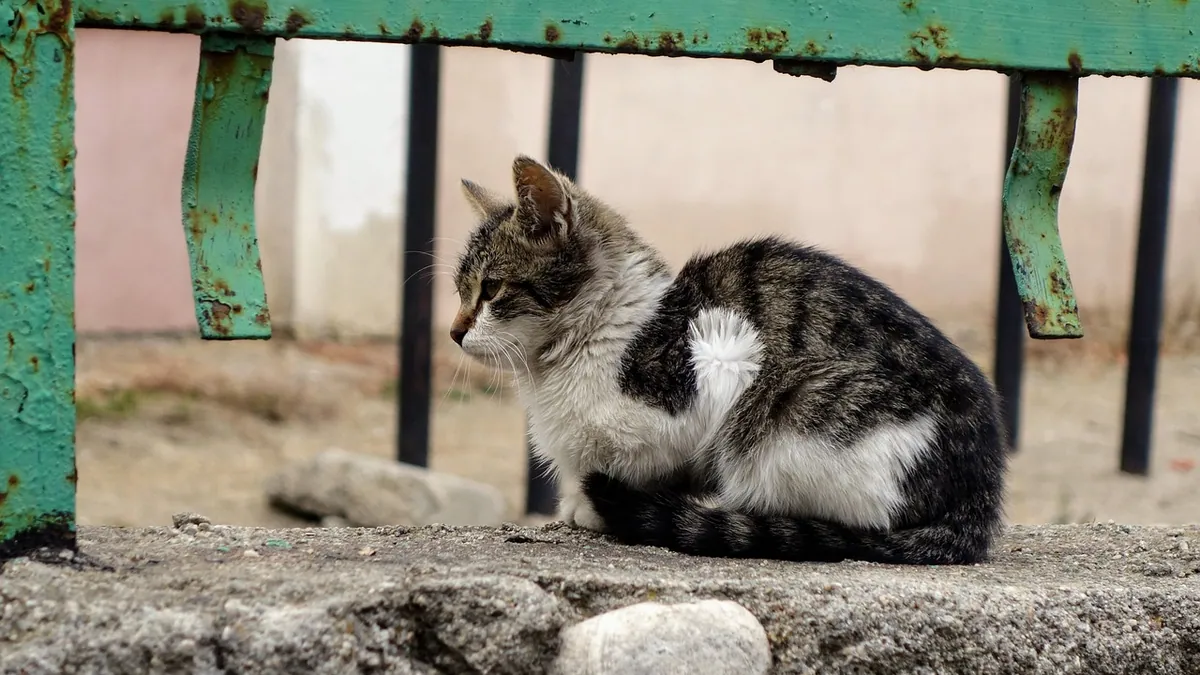
When a cat diarrhea losing weight pattern lasts more than a few days, it usually means the digestive tract is not absorbing nutrients properly or another disease is driving both signs at once. Short bouts of loose stool are common and often harmless, but diarrhea that continues while your cat gets thinner deserves a veterinary visit. This article is educational and is not a substitute for veterinary diagnosis or treatment.
Quick Answer
- Diarrhea lasting more than 3 weeks with weight loss points to chronic enteropathy, a group of long-term gut diseases [1].
- Weigh your cat weekly on the same scale and write down every stool, vomit, and meal so your veterinarian has real data.
- Bring a fresh stool sample (less than 12 hours old) to the appointment if you can.
- Do not start human anti-diarrheal drugs, antibiotics, or new supplements on your own.
- Book a veterinary visit within a few days for gradual weight loss, and go immediately if your cat stops eating, vomits repeatedly, or seems weak.
What This Sign Looks Like and What Is Normal
Normal cat stool is firm, log-shaped, and easy to pick up. Normal weight is stable over months in an adult cat. A little variation is fine.
Diarrhea means abnormally frequent passage of watery stool, sometimes gray or yellow and unusually foul smelling [2]. Most short episodes resolve on their own or with a diet change [2]. A sudden diet switch or a stressful event like a long car trip can cause loose stool for a few days [2].
Weight loss is different. It means your cat is losing body mass even if the appetite looks normal or increased. When diarrhea and weight loss appear together and keep going, the problem is usually deeper than a passing stomach upset.
One helpful clue is where the problem sits. Inflammation of the colon causes straining, frequent small amounts of mucus-covered stool, and sometimes bright red blood. Weight loss and vomiting are uncommon with colon-only disease [3]. So if your cat is losing weight, the small intestine or another body system is often involved.
Main Causes of Diarrhea With Weight Loss in Cats
Chronic Enteropathy
Chronic enteropathy is a group of diseases with different causes, marked by vomiting, diarrhea, poor appetite, and weight loss for more than 3 weeks, along with inflammatory cells in the intestinal lining [1]. Your veterinarian reaches this diagnosis only after ruling out parasites, tumors, pancreatitis, exocrine pancreatic insufficiency, metabolic disease, and endocrine disease such as hypoadrenocorticism [1]. Food-responsive cases often improve with the right diet, which is why diet trials are a core part of treatment [4].
Malabsorption and Nutrient Loss
Malabsorption means the gut cannot pull nutrients, vitamins, and water out of food. The mechanisms behind chronic diarrhea include osmotic and secretory diarrhea, a leaky intestinal barrier, and abnormal gut movement [5]. When nutrients pass through without being absorbed, the cat eats but still loses weight. Gut bacteria may play a role too. Microbes from the feces of diarrheic cats caused weight loss and colon inflammation when transferred into mice, which suggests some Gram-negative bacteria can damage the intestinal barrier [6].
Hyperthyroidism and Other Hormonal Disease
An older cat that eats well but keeps losing weight needs a thyroid check. Hormonal and metabolic diseases are on the list that must be excluded before chronic enteropathy can be diagnosed [1]. Your veterinarian will decide which tests fit your cat's age and signs.
Cancer and Tumors
Stomach tumors are one possible cause of long-term vomiting, which can come with weight loss, weakness, and dehydration [3]. Intestinal tumors are also among the diseases that must be ruled out before a chronic enteropathy diagnosis is made [1]. Cancer is not the most common cause, but it is one reason persistent signs need real testing instead of guesswork.
Diet, Stress, and Infection
A sudden diet change or stress can trigger brief diarrhea [2]. Kittens are at higher risk while their digestive systems adjust to solid food [2]. Parasites and infections can also cause diarrhea, and they are typically checked early because they are treatable.
| Cause | Typical clues | How urgent |
|---|---|---|
| Chronic enteropathy | Diarrhea, vomiting, weight loss for more than 3 weeks [1] | See a vet within days |
| Malabsorption | Eating normally but still thin, loose stool [5] | See a vet within days |
| Hyperthyroidism or other hormonal disease | Older cat, good or increased appetite, weight loss [1] | See a vet within days |
| Cancer or stomach tumor | Long-term intermittent vomiting, weakness, weight loss [3] | See a vet promptly |
| Diet change or stress | Loose stool for a few days after a switch or event [2] | Monitor, call if it lasts |
| Colon inflammation | Straining, mucus, small volume, bright red blood, weight loss uncommon [3] | Routine visit unless severe |
If your cat is losing weight without diarrhea, or you are not sure whether the weight change is real, see Why Is My Cat Losing Weight?. If the loose stool shows up right after meals, Cat Diarrhea After Eating: Causes and When to Act covers that pattern.
Red Flags That Make It an Emergency
Some signs mean you should stop reading and call an emergency clinic now.
- Repeated vomiting, especially with blood or material that looks like coffee grounds [3]
- Weakness, lethargy, or collapse
- Not eating for more than 24 hours
- Diarrhea with large amounts of fresh blood or black tarry stool
- Signs of dehydration: tacky gums, skin that stays tented when gently pinched, sunken eyes
- Vomiting and diarrhea together in a cat that cannot keep water down
Long-term vomiting can lead to weakness, lethargy, weight loss, dehydration, and electrolyte imbalance [3]. Those problems can worsen quickly in cats, so do not wait for a Monday appointment if your cat looks unwell.
Safe Things You Can Do at Home While Waiting
You cannot diagnose this at home, but you can protect your cat and gather useful information.
- Stop all treats, table food, and milk. Offer only the usual cat food in small, frequent meals.
- Do not switch foods abruptly. Sudden diet changes can cause diarrhea on their own [2].
- Keep fresh water available at all times. Dehydration is a real risk with ongoing diarrhea.
- Collect a fresh stool sample in a clean bag or container and refrigerate it until the visit.
- Weigh your cat weekly on the same scale and log the number.
- Write down stool frequency, color, and consistency, plus any vomiting, appetite changes, and hiding.
- Keep your cat indoors and away from other pets if you have multiple cats, since some causes can spread.
Do not give human anti-diarrheal medicine, antibiotics, or supplements unless your veterinarian prescribes them. Doses depend on your cat's weight and health, and your veterinarian calculates them for your pet.
What Your Veterinarian Will Check and Test
The visit starts with a full physical exam, including body weight, body condition score, hydration, abdominal palpation, and a thyroid check in older cats.
First-Line Tests
- Fecal testing for parasites and other organisms
- Blood work, including a complete blood count and chemistry panel
- Thyroid testing, especially in cats over about 8 years old
- Urinalysis
These tests help exclude the diseases that must be ruled out before chronic enteropathy can be diagnosed, such as parasitic infections, tumors, pancreatitis, exocrine pancreatic insufficiency, metabolic disease, and endocrine disease [1].
Diet Trials
Diet is treatment, not just support. Dietary strategies for chronic enteropathy include high digestibility, novel ingredients, hydrolyzed protein, fat moderation, and fiber enrichment [4]. The best choice is made after a nutritional assessment, and it often takes several diet trials before one works [4]. Commercial therapeutic diets include gastrointestinal, low-fat, elimination, and fiber-enriched options, and homemade diets can work when commercial diets do not meet your cat's needs [4].
A published case shows how much diet can matter. A 5-year-old spayed female cat with chronic, nonresponsive enteropathy and diabetes had persistent diarrhea, weight loss, and poor blood sugar control despite prednisolone, cobalamin injections, a hydrolyzed diet, and short antimicrobial trials. After switching to a high-protein, low-carbohydrate commercial veterinary therapeutic diet, signs improved over 5 days, blood glucose stabilized, and insulin was stopped at discharge after 6 days. Soft stools persisted for several months before normalizing [7]. This is one case, not a promise, but it shows why diet trials and patience matter.
Advanced Testing
If first-line tests and diet trials do not explain the problem, your veterinarian may recommend imaging such as ultrasound, vitamin levels, or intestinal biopsies. Cobalamin (vitamin B12) and vitamin D are considered negative prognostic factors in dogs with chronic enteropathy, and cobalamin supplementation reduces clinical disease severity in those dogs [1]. The same relationship is not well established in cats, so your veterinarian will decide whether testing or supplementation is right for your cat.
If your cat is overweight and you are managing food intake, weight loss for cats has its own rules. See Weight Loss For Cats for safe, gradual weight reduction, which is very different from the unexplained weight loss described here.
Prevention and Monitoring
You cannot prevent every cause, but you can lower the odds and catch problems early.
- Change foods gradually over 7 to 10 days when switching brands or formulas.
- Keep up with parasite prevention as your veterinarian recommends.
- Feed a complete, balanced diet and avoid table scraps.
- Weigh your adult cat monthly and record it. A slow trend is easier to spot than a single number.
- Schedule wellness exams at least once a year, and twice a year for seniors.
- Treat any diarrhea lasting more than 2 to 3 days as a reason to call, not wait.
If your cat has a known chronic enteropathy, keep a simple log of stool quality, appetite, weight, and any vomiting. Bring it to every recheck. Long-term nutritional management is a core part of controlling chronic diarrhea [5], and your records help your veterinarian fine-tune the plan.
Limitations and When to Contact a Veterinarian
This article cannot tell you what is wrong with your cat. Only a veterinarian who examines your cat, reviews the history, and runs tests can do that. Individual cases need a veterinarian.
Call an emergency clinic now if your cat is weak, collapsing, vomiting repeatedly, passing large amounts of blood, or cannot keep water down.
Call for a same-day appointment if your cat has stopped eating, is vomiting more than once or twice, has black or bloody stool, or looks painful when you touch the belly.
Book a routine visit within a few days if the diarrhea has lasted more than 2 to 3 days, if weight loss is gradual but ongoing, or if your cat is eating well but still getting thinner.
Frequently Asked Questions
Should I worry if my cat has diarrhea and is losing weight?
Yes, the combination is a reason to see a veterinarian. Diarrhea alone is often brief and harmless, but when it continues alongside weight loss, it can point to a long-term gut disease or another condition that needs testing [2][1].
How long can I wait before calling the vet?
Call within a few days for ongoing diarrhea with gradual weight loss. Go sooner, the same day, if your cat stops eating, vomits repeatedly, or seems weak or dehydrated.
Can a food allergy cause weight loss and diarrhea in cats?
Food-responsive disease is one form of chronic enteropathy, and diet trials are a standard part of diagnosis and treatment [4]. A true food allergy is only one possibility, so testing and a structured diet trial matter more than guessing.
What does malabsorption mean in cats?
Malabsorption means the intestines cannot absorb enough nutrients, water, and vitamins from food. Chronic diarrhea involves impaired barrier function and other mechanisms that reduce absorption, so a cat can eat normally and still lose weight [5].
Will my cat need a special diet forever?
Many cats with chronic enteropathy need long-term nutritional management, and some stay on a therapeutic diet for life [5][4]. Others improve enough to widen their diet. Your veterinarian will guide changes based on how your cat responds.
Related Articles
- Why Is My Cat Losing Weight?
- Cat Diarrhea After Eating: Causes and When to Act
- Weight Loss For Cats
- How To Help A Morbidly Obese Cat Lose Weight
- Dog Diarrhea and Not Eating: Causes and When to Act
- How To Make An Overweight Cat Lose Weight
- Cat Not Gaining Weight or Losing Weight: Causes
- Cat Diarrhea and Loss of Appetite: Causes and Care Steps
- Cat Poop Runny: Causes of Diarrhea and What to Do
- Intestinal Parasites in Dogs and Cats: Identification, Symptoms, and Treatment Options
References
- Chronic Enteropathy and Vitamins in Dogs. Animals : an open access journal from MDPI, 2025.
- Diarrhea. Cornell University College of Veterinary Medicine.
- Disorders of the Stomach and Intestines in Cats - Cat Owners. Merck Veterinary Manual.
- Dietary Approach to Chronic Enteropathy in Dogs and Cats. The Veterinary clinics of North America. Small animal practice, 2026.
- Feline chronic diarrhea: causes and nutritional management. Veterinary and animal science, 2026.
- Gram-Negative Bacterial Overgrowth Predominated by: Potential Association with Intestinal Barrier Impairment and Inflammatory Diarrhea in Cats. Veterinary sciences, 2026.
- Nutritional management of feline chronic enteropathy with evolving dietary response and long-term stabilization. The Canadian veterinary journal = La revue veterinaire canadienne, 2026.