Can Dogs Drink Milk? What Owners Should Know
By Dr. Zubair Khalid, DVM, MS, PhD ·
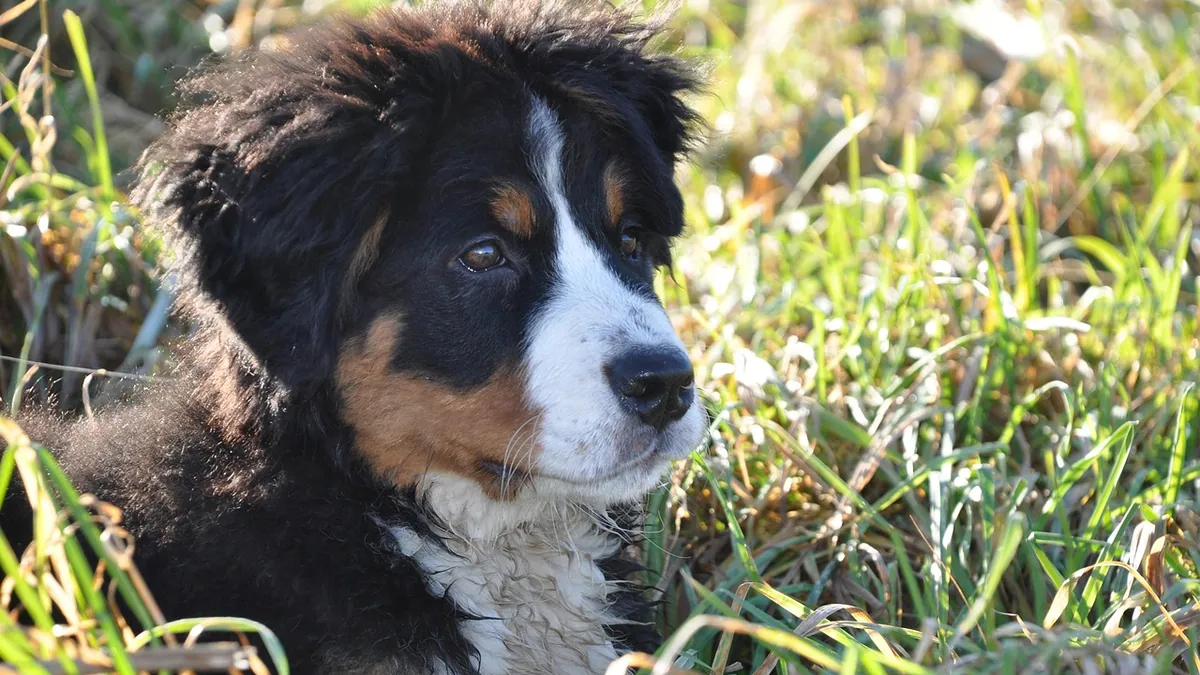
Most adult dogs can have a small taste of milk, but is it safe for dogs to drink milk as a regular drink? For most dogs, no. Dogs are often lactose intolerant after weaning, so a lap of milk can lead to gas, cramping, and diarrhea.
This article is educational and is not a substitute for veterinary diagnosis or treatment.
Quick Answer
- Small amounts of plain milk are usually not toxic to dogs, but many adult dogs cannot digest lactose well and will get diarrhea.
- Puppies drink their mother's milk, but that milk is different from cow's milk and is not a substitute for a complete puppy diet.
- Milk is not a nutritional need for adult dogs. A complete dog food already meets their needs.
- Treats, including dairy, should stay a small part of daily calories. Ask your vet for a number that fits your dog.
- Stop the milk and call your vet if diarrhea lasts more than a day, or if you see vomiting, blood, weakness, or pain.
Is It Safe for Dogs to Drink Milk?
The honest answer is that it depends on the dog and the amount. A few laps of plain milk will not poison most dogs. But safe to taste and good to drink every day are two different things.
The main problem is lactose, the sugar in milk. Dogs make the enzyme lactase as puppies to digest their mother's milk. After weaning, lactase levels drop in many dogs. Without enough lactase, lactose travels to the colon, where bacteria ferment it. That causes gas, bloating, cramping, and loose stool. This is lactose intolerance in dogs, and it is common in adults.
Some dogs tolerate dairy better than others. Individual tolerance varies, and there is no simple test you can do at home to predict it. The only reliable way to know is a small trial, and even then a dog can change over time.
Puppies are a special case. A puppy still nursing gets exactly what it needs from its mother. If a puppy is orphaned or the mother cannot nurse, use a commercial puppy milk replacer made for dogs, never cow's milk. Cow's milk does not match a puppy's needs and can cause digestive upset during a delicate stage of growth. Research in weaning puppies shows that the gut is under real stress at this time, and supporting gut health matters [1].
What Is Actually in Milk, and Is Any of It Good for Dogs?
Milk is mostly water, plus fat, protein, lactose, and minerals like calcium. That sounds healthy, and calcium is a real nutrient. The catch is that your dog's complete and balanced food already supplies calcium and everything else in the right amounts.
The fat and protein in milk are not the same as what dogs evolved to drink. A comparison of milk from different species found that canine milk has about 81.52 mg/mL of total lipid, while bovine milk has about 36.25 mg/mL [2]. Canine milk also has roughly three times more phospholipid than bovine or caprine milk, and about 70% of its fatty acids are unsaturated, compared with about 30% in bovine and caprine milk [2]. Canine milk is also enriched with long-chain polyunsaturated fatty acids such as arachidonic acid and docosahexaenoic acid [2].
In plain terms, cow's milk is not a close match for what a dog's body expects. That does not make it poison. It means milk is a treat at best, not a health food.
There is one area where milk-related ingredients show real promise, but not as a drink. Probiotic strains originally isolated from canine milk have been studied in weaning puppies. In a double-blind, placebo-controlled trial, puppies given these strains had fewer gastrointestinal infections and needed less antibiotic therapy than puppies given a placebo [1]. The same study found supplementation helped maintain normal fecal consistency and prevented rises in fecal calprotectin and inflammatory cytokines [1]. That is a reason to talk with your vet about specific probiotic products, not a reason to pour milk in a bowl.
Risks of Giving Milk to Dogs
Lactose Intolerance and GI Upset
This is the most common problem. Diarrhea, gas, gurgling belly, and sometimes vomiting show up within hours of a large serving. Small dogs and dogs with sensitive stomachs tend to react faster.
Fat Content and Pancreatitis
Milk and cream are fatty. A high-fat load can trigger pancreatitis in some dogs, especially those with a history of it or dogs that are overweight. Pancreatitis is painful and can be serious. Keep fatty dairy away from dogs with any pancreatic history.
Added Ingredients That Are Toxic
Plain milk is one thing. Flavored milk, eggnog, hot cocoa, and milkshakes are another. Watch for these additives.
- Xylitol. A sugar alcohol used in some sugar-free products. It causes dangerous low blood sugar and liver injury in dogs. Even small amounts matter.
- Chocolate. Contains theobromine and caffeine. Toxic to dogs, and dark chocolate and cocoa powder are the worst.
- Garlic and onion powder. Damage red blood cells and can cause anemia.
- Salt. Large amounts cause vomiting, tremors, and worse.
- Alcohol. Even small amounts are dangerous. If your dog licked a spiked drink, read Can Dogs Drink Alcohol? and call for help right away.
Choking and Container Hazards
The milk itself is not a choking risk, but packaging can be. Dogs have swallowed milk jug caps, foil seals, and plastic rings. Toss those in a covered bin.
Cats' Milk Is Not a Fix
Some owners reach for cat milk when cow's milk causes problems. That usually makes things worse, because cat milk is richer in fat and lactose than cow's milk. If you are considering it, read Can Dogs Drink Cat Milk first.
How Much Milk Is Too Much?
There is no universal safe amount, and no dose chart that fits every dog. A Great Dane and a Chihuahua are not the same. A dog with a sensitive gut and a dog who has eaten dairy for years are not the same either.
A practical approach is to treat milk as a rare taste, not a daily drink. If you want to try it, offer a very small amount, watch for 24 hours, and stop at the first sign of loose stool or gas. If your dog does fine, that still does not mean a full bowl is wise. Ask your veterinarian how much dairy, if any, fits your dog's weight, diet, and health history. Your vet calculates any specific amount based on your dog.
Never replace a meal with milk. Milk does not provide complete nutrition, and a dog filled up on milk may eat less of the food that actually keeps them healthy.
Which Dairy Is Safer for Dogs?
| Form | Safe? | Notes |
|---|---|---|
| Plain cow's milk | Sometimes, in tiny amounts | High lactose. Most adult dogs react with gas or diarrhea. |
| Lactose-free milk | Often better tolerated | Lactose is removed, so it is gentler. Still a treat, not a meal. |
| Plain yogurt | Often better tolerated | Fermentation reduces lactose. Choose plain, no xylitol, no added sugar. |
| Plain kefir | Often better tolerated | Similar to yogurt. Watch for added flavors and sweeteners. |
| Cheese | Usually small amounts | Often lower in lactose. High in fat and salt, so keep pieces tiny. See Can Dogs Have Cheese. |
| Cottage cheese | Usually small amounts | Lower lactose, but salty. Skip if your dog is on a low-sodium diet. |
| Ice cream | Avoid | High sugar, high fat, often contains xylitol or chocolate. |
| Flavored milk, eggnog, cocoa | Avoid | Additives and sweeteners can be toxic. |
| Cat milk or kitten milk replacer | Avoid | Richer than cow's milk and not made for dogs. |
| Plant milks | Check the label | Unsweetened plain almond or oat milk may be okay in tiny amounts. Never give any with xylitol. |
A note on plant milks. Many are sweetened or flavored, and some contain xylitol. Read every label. If you cannot confirm the ingredients, do not give it.
How to Offer Dairy Safely
- Start with one small taste, then wait a full day.
- Choose plain, unsweetened products with no xylitol, chocolate, garlic, onion, or alcohol.
- Keep dairy under a small share of daily calories. Your vet can give you a target.
- Do not give milk right before or after a big meal, since a full stomach plus lactose can make upset worse.
- Never leave a bowl of milk down for free feeding.
- Keep the rest of the diet complete and balanced. If your dog is on a prescription diet, ask before adding anything.
If your dog already eats a fresh or raw-style diet, you may be wondering how dairy fits in. Fresh diets can change stool quality and gut bacteria over time [3], so adding milk on top of a diet change makes it hard to tell what caused a problem. Change one thing at a time.
What to Do If Your Dog Ate Too Much Milk or a Dangerous Form
If your dog drank a lot of plain milk, expect some gas or loose stool. Withhold milk and other rich treats, keep fresh water available, and let the gut settle. Mild diarrhea often improves within a day.
If the milk contained xylitol, chocolate, garlic, onion, alcohol, or a lot of salt, treat it as an emergency. Call your veterinarian or a pet poison control hotline right away. Do not wait for symptoms. Bring the label or container so you can tell them exactly what and how much was eaten.
If your dog is vomiting repeatedly, has bloody diarrhea, is bloated and painful, or seems weak or wobbly, go to a veterinary emergency clinic now.
Safer Alternatives to Milk
You do not need milk to give your dog a treat. Better options include:
- Fresh water, always available.
- A few pieces of plain cooked chicken or lean meat, with no seasoning.
- Plain cooked vegetables like green beans or carrots, cut small.
- A small piece of dog-safe fruit, such as a bite of banana or apple without seeds.
- A dog-specific dental chew or training treat that fits your dog's size.
- A vet-recommended probiotic if your goal is gut support. Canine milk-derived probiotic strains have been studied for gut health in weaning puppies [1], but the product and dose should come from your vet.
If your dog loves the creamy texture of milk, a spoon of plain yogurt or a small piece of cheese is usually a better bet than a bowl of milk. If you want to try a flavored dairy treat, read Can Dogs Eat Strawberry Milk before you pour.
Limitations and When to Contact a Veterinarian
Every dog is different, and this article cannot tell you what is right for your dog. Your veterinarian can look at your dog's weight, diet, and history and give you a specific answer.
Call your veterinarian the same day if:
- Diarrhea lasts more than 24 hours or is getting worse.
- Your dog vomits more than once or cannot keep water down.
- Your dog seems uncomfortable, gassy, or has a swollen belly.
- Your dog refuses food or acts tired.
Go to an emergency clinic now if:
- You know or suspect your dog ate xylitol, chocolate, alcohol, garlic, onion, or a large amount of salt.
- There is blood in the vomit or stool.
- Your dog is weak, wobbly, collapsing, or having a seizure.
- Your dog is in obvious pain or the abdomen looks distended and hard.
For a routine visit, ask about dairy if your dog has a sensitive stomach, a history of pancreatitis, food allergies, or a prescription diet. Bring a list of everything your dog eats, including treats and table scraps.
Frequently Asked Questions
Can dogs have milk every day?
Most adult dogs should not have milk every day. Lactose intolerance is common, and daily milk can cause ongoing gas and loose stool. If your dog tolerates a small amount, keep it occasional and count it as a treat.
Is it OK for dogs to drink milk if they are puppies?
Puppies should get their mother's milk or a commercial puppy milk replacer, not cow's milk. Cow's milk does not match a puppy's nutritional needs and can cause digestive upset. If a puppy is not nursing well, contact your vet right away.
Is it good for dogs to drink milk for calcium?
No. A complete and balanced dog food already provides the calcium your dog needs. Adding milk can throw off the diet and add fat and sugar. If you are worried about your dog's nutrition, ask your vet instead of adding milk.
What does lactose intolerance in dogs look like?
Lactose intolerance in dogs usually shows up as gas, a gurgling belly, cramping, and loose or watery stool within hours of eating dairy. Some dogs also vomit. Signs often improve once the dairy is stopped.
Can I give my dog lactose-free milk instead?
Lactose-free milk is often better tolerated because the lactose is removed. It is still a treat, not a meal, and it can still be high in fat. Offer only a small amount and watch for any reaction.
Related Articles
- Can Dogs Drink Cat Milk
- Can Dogs Eat Strawberry Milk
- Can Dogs Drink Alcohol?
- Can Dogs Have Cheese
- Can Cats Drink Milk?
- Safe Human Foods For Dogs To Eat
- Are Dogs Lactose Intolerant? What Milk Really Does
- How Long Do Puppies Drink Milk From Their Mother?
- Dog Allergic to Milk-Bone Treats or Milk? What to Know
References
- Probiotic Strains from Canine Milk Support Gastrointestinal Health in Weaning Labrador Retriever Puppies. Animals : an open access journal from MDPI, 2026.
- Comparative Analysis of Signature Lipid Structures in Canine and Feline Milk Compared with Bovine and Caprine Milk. Animals : an open access journal from MDPI, 2026.
- Impacts of a fresh-frozen dog food on fecal consistency and microbiome in colony dogs. Journal of animal science, 2026.