How to Get a Sick Cat to Eat and Drink
By Dr. Zubair Khalid, DVM, MS, PhD ·
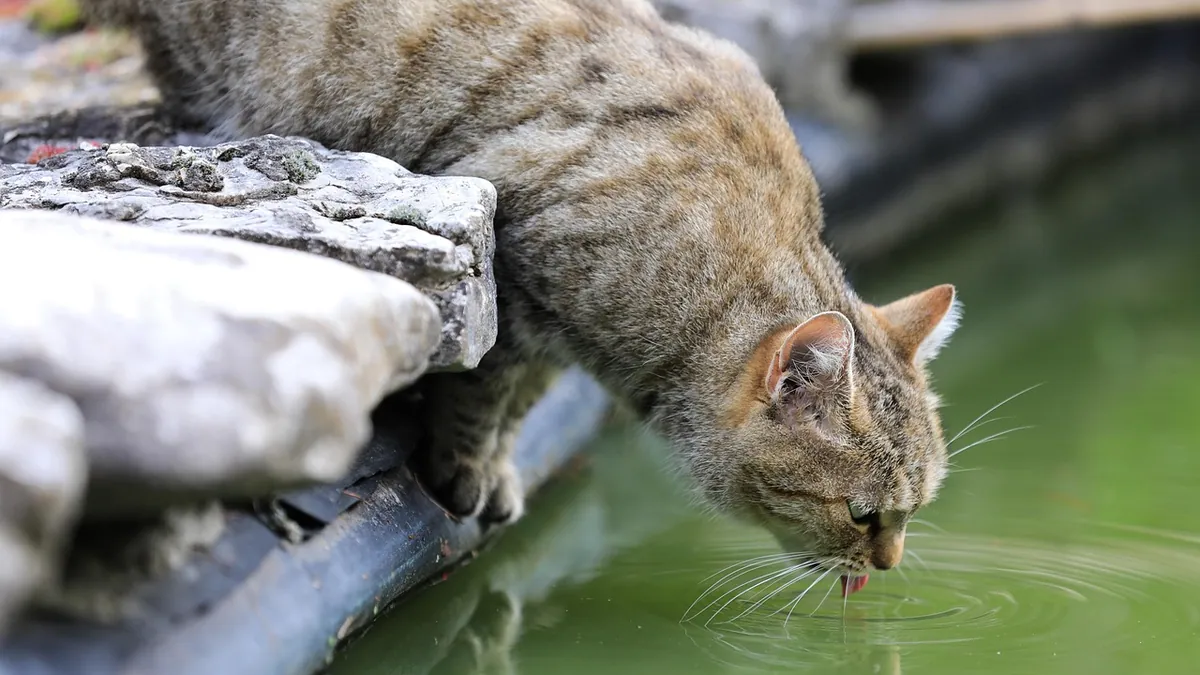
If your cat is sick and won't eat, start by offering small amounts of warm, smelly canned food and fresh water, then call your veterinarian if your cat has eaten little or nothing for more than 24 hours. Knowing how to get my cat to eat when sick means watching for dehydration, weight loss, and other warning signs while you work with your vet on the underlying cause. This article is educational and is not a substitute for veterinary diagnosis or treatment.
Quick Answer
- Offer a teaspoon or two of warmed canned food or a bland, highly palatable option every few hours, and remove it after 20 to 30 minutes so it stays fresh.
- Keep multiple bowls of clean, fresh water in quiet spots around the house, because cats should have access to water at all times [1][2].
- Never give supplements, vitamins, or human medications without your vet's approval, since supplements can be harmful to cats [1].
- Call your vet the same day if your cat has eaten little or nothing for 24 hours, is vomiting, or seems weak.
- Go to an emergency clinic now if your cat is struggling to breathe, collapsing, or showing signs of severe pain.
What Poor Eating and Drinking Looks Like in Cats
Cats are masters at hiding illness. A sick cat may simply eat less than usual, sniff food and walk away, or lick only the gravy off canned food. Some cats stop eating entirely. Others drink more or less water than normal.
It helps to know your cat's baseline. Most adult cats eat two meals a day and visit the water bowl several times daily. Track how much food disappears from the bowl and how many times you refill the water. A sudden drop in either is a signal worth acting on.
Veterinarians use the term hyporexia for a reduced appetite. In one case report, a young cat with a serious spleen infection was described as having hyporexia along with lethargy and vomiting [3]. That shows how a vague sign like eating less can sit on top of a real medical problem.
Why a Sick Cat Stops Eating and Drinking
Many conditions cause cats to lose interest in food. The table below lists common causes, the clues that go with them, and how quickly you should act.
| Cause | Typical clues | How urgent |
|---|---|---|
| Dental pain or oral disease | Drooling, dropping food, chewing on one side, bad breath | See a vet within a day or two |
| Gastrointestinal upset or chronic enteropathy | Vomiting, diarrhea, weight loss, soft stools | Same day if vomiting repeats |
| Infection or fever | Lethargy, hiding, warm ears, reduced grooming | Same day |
| Kidney disease | Increased drinking, weight loss, dull coat | Same day to a few days |
| Diabetes mellitus | Increased thirst and urination, weight loss despite eating | Same day |
| Cancer or organ disease | Slow decline, weight loss, vomiting, pain | Same day |
| Stress or environment change | Hiding, new pet or move, normal exam otherwise | Monitor 24 hours, then call |
Some cats with chronic enteropathy need a specific therapeutic diet to improve. In one report, a cat with long-standing diarrhea and diabetes was switched to a high-protein, low-carbohydrate commercial veterinary therapeutic diet and improved over several days [4]. That kind of change should come from your vet, not from a guess.
If your cat is eating less but still drinking, that pattern has its own meaning. See Cat Not Eating but Drinking Water: When to Act for a closer look.
Red Flags That Mean Emergency Care Now
Some signs cannot wait for a morning appointment. Go to an emergency clinic right away if your cat:
- Breathes with an open mouth or struggles for air
- Collapses, cannot stand, or seems unresponsive
- Cries out or guards the belly when touched
- Vomits repeatedly or vomits blood
- Has a seizure or sudden weakness in the back legs
- Has not eaten for more than 48 hours
- Shows pale or yellow gums
Cats with a fever and abdominal pain can have a serious internal infection. In one reported case, a cat with septic splenitis had lethargy, vomiting, diarrhea, hyporexia, fever, and abdominal pain, and needed surgery plus a four-week course of antibiotics [3]. That level of illness is not something you can manage at home.
How to Help a Cat Eat When Sick: Safe Steps at Home
You can try several low-risk things while you wait for your vet visit. None of them replace treatment for the underlying problem.
Warm the food
Canned food smells stronger when it is slightly warm. Warm a spoonful in the microwave for a few seconds, stir it, and test it with your finger before offering it. Never serve food that is hot.
Offer small, frequent meals
Put down one or two teaspoons at a time. A full bowl can overwhelm a nauseated cat. Fresh food every few hours is more tempting than food that has been sitting out.
Try different textures and temperatures
Some cats prefer pate, others prefer shreds in gravy. Some like dry food, which contains only six to 10 percent water, while canned food holds much more [1]. If your cat usually eats dry food, a spoonful of canned food may spark interest. If your cat usually eats canned, try a different protein.
Use quiet, familiar spots
Feed your cat where it normally eats, away from barking dogs, loud appliances, and foot traffic. A cat that feels vulnerable will not eat.
Hand-feed or use a flat plate
Some cats will lick food off your finger or a flat saucer when a bowl feels wrong. This is common with cats that have dental pain or a stuffy nose.
Do not force food or water
Never syringe food or water into your cat's mouth unless your vet has shown you how. Forcing liquids can cause choking and aspiration pneumonia.
Skip supplements unless your vet approves
A balanced commercial diet already meets your cat's nutrient needs. Supplements can be harmful, and they should never be given without a veterinarian's approval [1]. Vitamin D toxicity is a real risk. One cat developed vomiting, high calcium, and kidney problems four days after being exposed to vitamin D supplements [5].
How to Get My Cat to Drink Water When Sick
Water is the most important nutrient, and a lack of it can cause serious illness or even death [2]. Here is how to encourage drinking without forcing it.
- Place several bowls around the house, including one near your cat's favorite resting spot.
- Use wide, shallow bowls. Whiskers are sensitive, and some cats dislike deep or narrow dishes.
- Refresh the water at least twice a day. Cats often prefer cool, running water.
- Try a pet fountain if your cat is drawn to moving water.
- Add a spoonful of water or low-sodium broth to canned food. Check with your vet before using any broth, since some contain onion or garlic, which are toxic to cats.
- Offer ice cubes in the bowl for cats that like to play with water.
Watch for dehydration. Gently lift the skin between your cat's shoulder blades. If it stays up instead of springing back, your cat may be dehydrated. Other signs include tacky gums, sunken eyes, and weakness. Dehydration needs veterinary care, and your vet may give fluids under the skin or through a vein.
If your cat has kidney disease, hydration and diet work together. See Cat Kidney Disease: How to Encourage Your Cat to Eat a Renal Diet for more on that balance.
What Your Veterinarian Will Check and Test
Your vet will start with a full physical exam, including weight, hydration status, gum color, abdominal palpation, and a look inside the mouth. Dental disease is a common and treatable cause of poor eating.
Next come tests. Blood work checks organ function, blood sugar, and signs of infection or anemia. A urine test looks at kidney function and concentration. Imaging such as ultrasound or X-rays can find masses, fluid, or organ changes.
In some cases, your vet may place a feeding tube. One study of hospitalized cats found that ultrasound and chest X-rays were both used to confirm feeding tube position [6]. Another report described a cat that needed a nasogastric tube for 48 hours before it started eating on its own again [4]. Feeding tubes are a short-term bridge, not a long-term solution.
Your vet may also prescribe appetite stimulants, anti-nausea drugs, or pain medication. Doses are calculated from your cat's weight and health status, so never use a medication left over from another pet.
Prevention and Daily Monitoring
Good habits lower the odds of a crisis.
- Feed a complete, balanced commercial diet that meets your cat's life stage needs [2].
- Keep fresh water available at all times [1][2].
- Weigh your cat monthly on a baby scale. A drop of even a few ounces matters.
- Brush your cat's teeth or use vet-approved dental products.
- Schedule wellness exams at least once a year, and twice a year for senior cats.
- Watch for changes in litter box habits, grooming, and activity.
- Keep a simple log of food and water intake when your cat seems off.
If your cat is overweight, sudden diet changes can backfire. See How To Get An Overweight Cat To Lose Weight for safe weight management.
Vomiting is another sign that often travels with poor appetite. See Cat Vomiting: When to Worry and How to Help if your cat is throwing up along with eating less.
Limitations and When to Contact a Veterinarian
Home care has limits. You can tempt a cat to eat, but you cannot treat an infection, fix a blocked intestine, or correct kidney failure at home. Every individual case needs a veterinarian who can examine your cat and run tests.
Call your vet the same day if your cat has eaten little or nothing for 24 hours, is drinking much more or less than usual, has vomited more than once, or seems painful or withdrawn.
Go to an emergency clinic now if your cat is struggling to breathe, collapsing, having seizures, vomiting blood, or has not eaten for more than 48 hours.
Book a routine visit if your cat is eating but losing weight, has bad breath, or has slowly become pickier over weeks. A slow decline is still a decline.
If you are unsure whether your cat's intake is low enough to matter, call your vet's office and describe what you have seen. A quick phone call is cheaper than a crisis.
Frequently Asked Questions
How long can a cat go without eating before it is dangerous?
Most vets want to see a cat eating within 24 hours of a drop in intake. Beyond 48 hours without food, the risk of serious complications rises, especially in cats with existing health problems. Call your vet before that point.
Will a cat starve itself if it does not like the food?
Cats can be stubborn about food, but a healthy cat rarely refuses all food for long. If your cat turns down several different foods over a day, treat it as a medical sign, not a preference.
Can I give my cat tuna or baby food to get it eating?
Plain tuna in water or plain meat baby food can work as a short-term lure, but neither is a balanced diet. Check labels for onion or garlic, which are toxic to cats, and ask your vet how long to use these foods.
Should I syringe-feed my cat at home?
Only if your veterinarian has shown you the correct technique and given you a specific plan. Improper syringe feeding can cause choking and lung damage. Many cats do better with a vet-placed feeding tube when intake stays low.
Does drinking more water mean my cat is fine?
Not always. Increased thirst can be an early sign of kidney disease, diabetes, or other problems. A cat that drinks a lot but eats little still needs a vet visit.
What if my cat eats a little but keeps losing weight?
Weight loss with any intake means calories are not being absorbed or the body is using them abnormally. This pattern needs blood work and a vet exam, not just a new food.
Related Articles
- Cat Not Eating but Drinking Water: When to Act
- Cat Kidney Disease: How to Encourage Your Cat to Eat a Renal Diet
- How To Get An Overweight Cat To Lose Weight
- Cat Vomiting: When to Worry and How to Help
- Cat Not Eating? When to Worry and What to Do
- Why Is My Cat Not Eating? A Vet-Reviewed Guide for Pet Owners
- How to Get a Sick Dog to Drink and Eat Again
- How to Get Your Cat to Eat: Tips That Work
- Sick Kitten Not Eating or Drinking: Causes and Urgency
References
- Feeding Your Cat. Cornell University College of Veterinary Medicine.
- Cat Nutrition Tips. ASPCA Animal Poison Control Center.
- Successful Management of Septic Splenitis in an Abyssinian Cat. Veterinary medicine and science, 2026.
- Nutritional management of feline chronic enteropathy with evolving dietary response and long-term stabilization. The Canadian veterinary journal = La revue veterinaire canadienne, 2026.
- Acute vitamin D toxicosis in an adult cat. JFMS open reports, 2026.
- Using ultrasonography for verifying feeding tube placements in cats. Frontiers in veterinary science, 2023.