Is Salmonella in Dogs Contagious to People and Pets?
By Dr. Zubair Khalid, DVM, MS, PhD ·
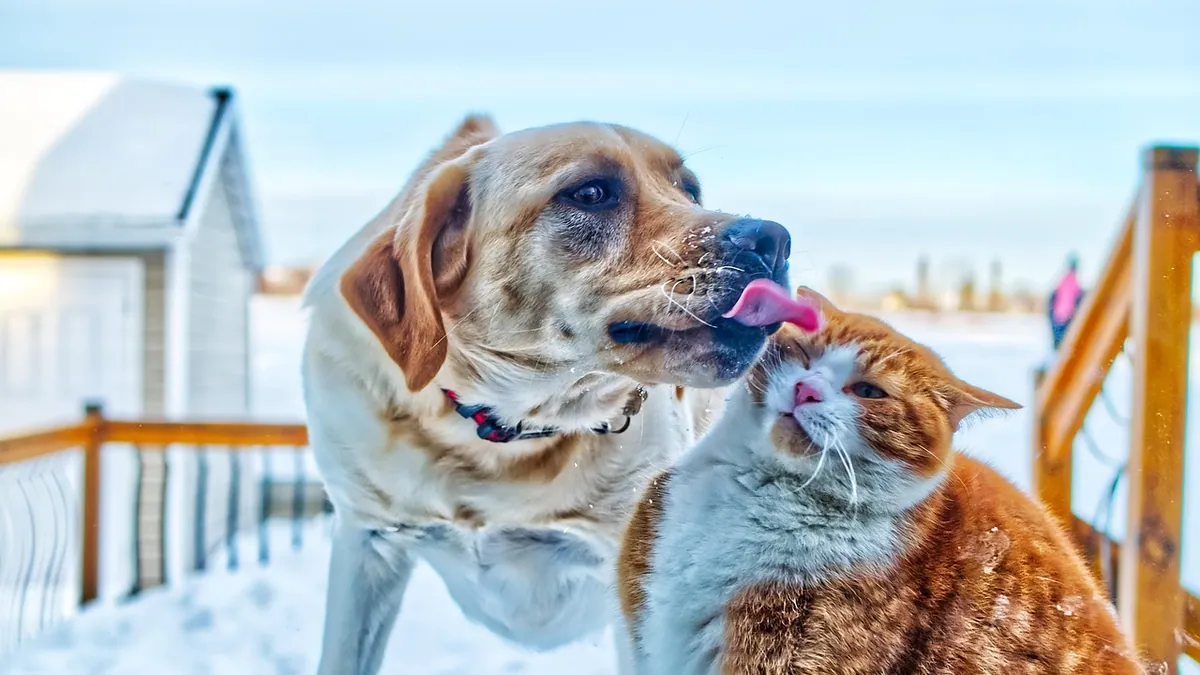
Yes, salmonella in dogs is contagious. An infected dog can pass the bacteria to people and to other pets through stool and saliva, and some dogs keep shedding the bacteria long after they look healthy again. The risk is real but manageable with good hygiene and prompt veterinary care.
This article is educational and is not a substitute for veterinary diagnosis or treatment.
Quick Answer
- Salmonella spreads mainly through the fecal-oral route, meaning bacteria from an infected pet's stool get into another animal's or person's mouth.
- Dogs can be chronic carriers, meaning they shed Salmonella in their stool while showing no signs of illness at all [1].
- Salmonella has been found in both diarrheic and apparently healthy dogs and cats, so a pet without diarrhea can still be a source of infection [2].
- Most healthy adult dogs and cats recover with supportive care, but young, old, pregnant, or immune-compromised pets are at higher risk of severe disease.
- Handwashing after contact with stool, saliva, or soiled bedding is the single most effective step to protect your household.
What Is Salmonella Infection in Dogs and Cats?
Salmonellosis is the illness caused by Salmonella bacteria. These bacteria live in the intestinal tract of many animals, including dogs, cats, and people [1]. Infection can look very different from one pet to the next. Some animals clear the bacteria quickly and never show signs. Others develop acute or chronic enteritis, which is inflammation of the intestines, and a small number develop septicemia, a bloodstream infection [1].
The range of outcomes matters for owners. A dog with mild or no signs can still shed bacteria in stool and contaminate your home. That is why the carrier state is such an important part of the story. A healthy chronic carrier state is a recognized form of salmonellosis in animals [1].
Cats can be affected too. Salmonella has been detected in both diarrheic and apparently healthy cats, and multidrug-resistant strains have been isolated from felids, including exotic cats in zoo settings [2][3]. Household cats are generally at lower risk than dogs for dietary exposure, but they can still become infected, especially if they eat raw food or hunt.
Signs Owners Notice
The signs of salmonellosis in dogs and cats overlap with many other causes of stomach and intestinal upset. Watch for:
- Diarrhea, which may contain mucus or blood
- Vomiting
- Loss of appetite
- Lethargy or low energy
- Fever
- Abdominal pain or discomfort
- Dehydration, seen as tacky gums, sunken eyes, or skin that stays tented when gently pinched
Some pets show only mild, intermittent diarrhea. Others show no signs at all. In serious cases, bacteria enter the bloodstream and cause systemic illness, which can be life-threatening [1]. Young puppies and kittens, senior pets, pregnant animals, and pets on immune-suppressing medications are most vulnerable.
If your dog has bloody diarrhea, repeated vomiting, or seems painful or depressed, contact your veterinarian the same day.
Causes and Risk Factors
How Dogs and Cats Get Salmonella
The most common route is eating or mouthing something contaminated with feces. That includes:
- Raw or undercooked meat, poultry, and eggs
- Raw pet food and some freeze-dried raw diets
- Contaminated water, soil, or grass
- Contact with the stool of an infected animal
- Chewing on contaminated toys, bowls, or bedding
If you feed raw meat or raw eggs, you are handling the same risk factors at home. Our articles on Can Dogs Eat Raw Chicken? Salmonella and Campylobacter Risk and Can Dogs Eat Eggs? Raw Salmonella vs Scrambled walk through those risks in more detail.
Salmonella Shedding in Dogs
Shedding means the bacteria are passing out of the body in stool. A dog can shed Salmonella intermittently, which makes a single negative stool test less than fully reassuring. In one study of dogs and cats, Salmonella was detected in 40% of apparently healthy dogs and 21% of a comparison group, showing that carriers without diarrhea are common [2]. That finding is a reminder that a pet who looks fine can still be a household risk.
Salmonella Zoonotic Risk in Dogs
Salmonella is zoonotic, meaning it can pass from animals to people [1]. Household risk goes up when:
- A pet has diarrhea and stool is tracked through the house
- Young children, older adults, pregnant people, or immune-compromised people live in the home
- Raw pet food is prepared in the kitchen
- A pet sleeps in bed with a person who has a weakened immune system
- Multiple pets share bowls, bedding, or a yard
Salmonella can also carry antimicrobial resistance genes, and resistant strains have been found in companion animals [3]. That does not change how the infection spreads, but it can make treatment harder when a person or pet does become ill.
How Salmonella Is Diagnosed
Diagnosis is confirmed by isolating the bacteria from a sample, usually stool [1]. Your veterinarian may also collect a sample from vomit, blood, or another site if systemic illness is suspected.
Your vet will start with a history and physical exam, then decide which tests make sense. A fecal culture or a molecular test such as PCR can identify Salmonella. Because shedding can be intermittent, one negative test does not always rule out infection, and your veterinarian may recommend repeat testing.
Bloodwork can show dehydration, inflammation, or organ changes. Imaging may be used if your vet suspects an obstruction, a foreign body, or another cause of the signs.
Treatment Options
Treatment depends on how sick your pet is. Mild cases often need supportive care only:
- Fluids to correct dehydration
- A bland, easily digestible diet during recovery
- Anti-nausea medication if vomiting is significant
- Rest and close monitoring at home
Antibiotics are used when there is systemic disease, meaning the infection has spread beyond the intestines [1]. For uncomplicated intestinal disease, veterinarians often avoid antibiotics. The reason is that antimicrobial use is thought to increase the risk of a patient becoming a chronic shedder [1]. That means a pet could keep passing bacteria in stool for longer, which raises household exposure risk.
Never give your pet leftover or human antibiotics. The wrong drug can fail to treat the infection, cause side effects, and promote resistance. Our article on Can You Give Your Dog Human Antibiotics? Why It's Dangerous explains why this matters.
Doses for any medication are calculated by your veterinarian based on your pet's weight, species, and health status. There is no safe at-home dose to guess.
Recovery, Outlook, and Long-Term Management
Most pets with uncomplicated salmonellosis improve within several days to a couple of weeks with supportive care. The bigger issue for owners is shedding. A dog can remain a carrier and shed bacteria in stool after signs resolve, and some animals become chronic carriers [1]. The exact duration varies by pet, so your veterinarian will tell you when it is reasonable to relax precautions based on your pet's specific case.
Long-term management focuses on three things:
- Reducing reinfection. Clean food and water bowls daily, discard spoiled or raw food promptly, and keep pets away from wildlife and other animals' stool.
- Protecting people. Wash hands after every contact with your pet's stool, saliva, or soiled items.
- Monitoring. Report any return of diarrhea, vomiting, or lethargy to your veterinarian.
If your pet has an underlying condition such as inflammatory bowel disease, cancer, or an immune disorder, recovery may take longer and relapses are more likely.
Prevention
Household Hygiene When a Pet Is Infected
| Task | How often | Why it matters |
|---|---|---|
| Wash hands with soap and water after touching your pet or stool | Every time | Removes bacteria before they reach your mouth |
| Clean and disinfect food and water bowls | Daily | Biofilm and food residue hold bacteria |
| Wash bedding, toys, and carriers | Weekly, or after any stool accident | Fabric and plastic can carry contamination |
| Pick up stool from the yard or litter box | Daily, wearing gloves | Reduces environmental spread |
| Clean hard floors and surfaces with a pet-safe disinfectant | After accidents and routinely | Limits household contamination |
| Keep raw pet food prep away from human food areas | Every meal | Prevents cross-contamination in the kitchen |
Protecting People at Higher Risk
People who are pregnant, very young, older, or immune-compromised should avoid handling stool, cleaning litter boxes, and preparing raw pet food when possible. If they must, they should wear disposable gloves and wash hands thoroughly afterward. Do not let pets lick faces, open wounds, or the mouths of people in these groups.
Protecting Other Pets
Salmonella dog-to-other-dog spread happens through shared bowls, bedding, yards, and mutual grooming. During an active infection:
- Separate food and water bowls
- Wash bedding between pets
- Pick up all stool immediately
- Limit nose-to-rear contact and shared toys
- Keep the infected pet away from puppies, kittens, and senior pets
If you have a cat, the same hygiene rules apply. Cats can carry Salmonella too, and a shared household means shared exposure [2].
Food Safety at Home
Cook meat and eggs thoroughly for pets and people. Wash hands, counters, and utensils after handling raw animal products. If you choose a raw diet, talk with your veterinarian about the risks to your whole household first. Raw feeding is a known source of Salmonella exposure for pets and the people who handle the food.
Limitations and When to Contact a Veterinarian
No article can tell you whether your specific pet has Salmonella or how long it will shed. Only your veterinarian can evaluate your pet, run the right tests, and set a treatment and monitoring plan.
Contact your veterinarian the same day if your dog or cat has:
- Bloody diarrhea or black, tarry stool
- Repeated vomiting that prevents drinking
- Signs of dehydration
- A fever
- Refusal to eat for more than 24 hours
- Known or suspected exposure to raw contaminated food
Go to an emergency clinic now if your pet has:
- Collapse or extreme weakness
- Seizures
- Pale or white gums
- Rapid, labored breathing
- Severe abdominal pain or a swollen, painful belly
- Inability to stand
Schedule a routine visit if signs are mild but lasting more than two or three days, if diarrhea keeps coming back, or if anyone in your household develops vomiting, diarrhea, or fever after contact with a sick pet. People with symptoms should see their own physician.
Frequently Asked Questions
Can dogs pass salmonella to humans?
Yes. Salmonella is zoonotic, so an infected dog can pass the bacteria to people through stool and saliva [1]. Handwashing after contact with your pet, its waste, or its bedding is the most reliable way to lower that risk.
How long can a dog shed salmonella?
Shedding can continue after signs resolve, and some dogs become chronic carriers [1]. The exact duration varies from dog to dog, so your veterinarian will advise you on when precautions can safely be relaxed.
Can my dog give salmonella to my other dog or cat?
Yes. Salmonella spreads easily between pets that share bowls, bedding, yards, or grooming contact. Separate their supplies and pick up stool right away while one pet is infected.
Can a dog with no symptoms still spread salmonella?
Yes. Salmonella has been detected in apparently healthy dogs and cats, not only in those with diarrhea [2]. A pet that looks completely normal can still be shedding bacteria.
Do I need to treat my dog with antibiotics for salmonella?
Not always. Antibiotics are used when infection spreads beyond the intestines, and for uncomplicated intestinal disease veterinarians often avoid them because antimicrobial use may increase the chance of chronic shedding [1]. Your veterinarian will decide based on your pet's exam and test results.
Related Articles
- Can Dogs Eat Raw Chicken? Salmonella and Campylobacter Risk
- Can Dogs Eat Eggs? Raw Salmonella vs Scrambled
- Can You Give Your Dog Human Antibiotics? Why It's Dangerous
- Can Dogs Eat Salmon? Salmon Poisoning Disease Risks
- Can A Human Get Dog Worms
- Mange In Dogs
- Is Salmonella in Cats Contagious? Risks to Pets and People
- Salmonella in Dogs and Cats: Symptoms, Risks, and Care
- Salmonella in Dogs: Causes, Risk Factors, and Prevention
References
- Salmonellosis in Animals - Digestive System. Merck Veterinary Manual.
- Detection, identification, and co-carriage patterns of different bacterial and yeast pathogens isolated from diarrheic and apparently healthy dogs and cats. Comparative immunology, microbiology and infectious diseases, 2026.
- Role of exotic felids as carriers of multidrug-resistant Salmonella Newport. ASM case reports, 2026.