Why Does My Cat Nip Me When I Pet Him?
By Dr. Zubair Khalid, DVM, MS, PhD ·
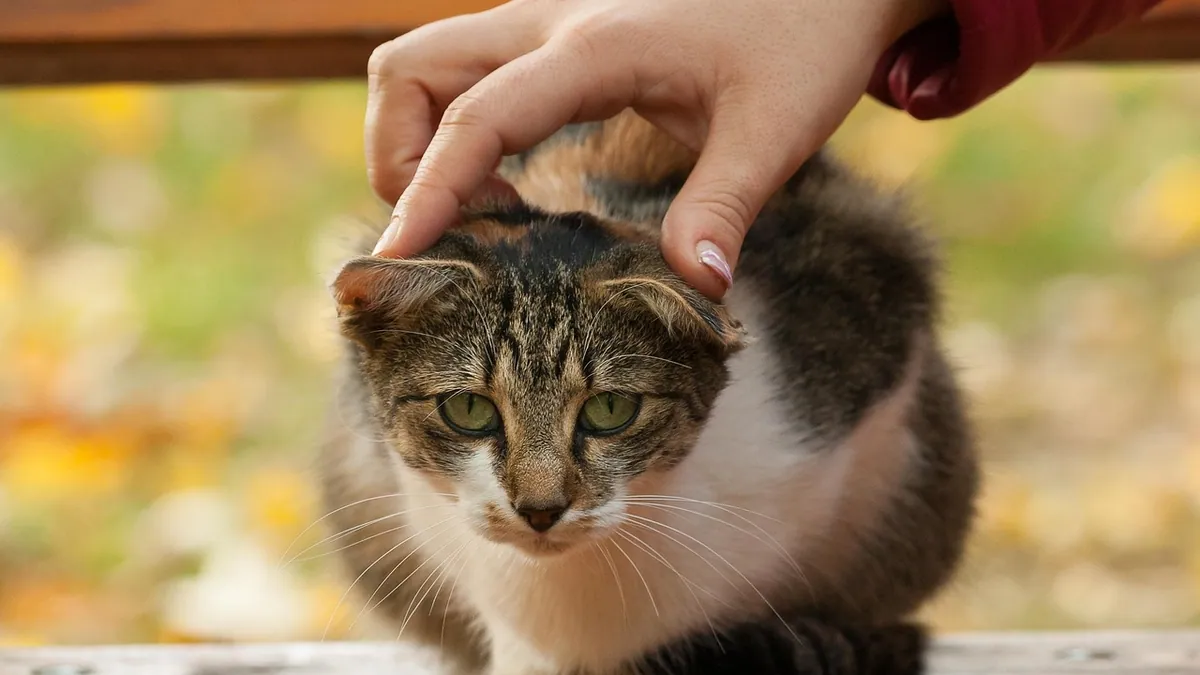
Most cats nip during petting because the contact has crossed a line they can no longer tolerate, and nipping is how they end the interaction. It is usually a communication signal, not revenge or meanness. Learning why your cat nips at you and catching the early warnings lets you stop before teeth ever touch skin.
This article is educational and is not a substitute for veterinary diagnosis or treatment.
Quick Answer
- Petting-induced nipping is a normal feline way to say "stop" when touch becomes overstimulating or uncomfortable.
- Watch for early warnings: a twitching tail, rippling skin along the back, flattened ears, dilated pupils, or a head turn toward your hand.
- Pet in short sessions of a few seconds, then pause and let your cat choose whether to stay or walk away.
- Never punish a nip with yelling, hitting, or scruffing. That raises fear and makes biting more likely.
- Sudden new nipping in a cat that never did it before deserves a veterinary exam to rule out pain or illness.
Why Does My Cat Nip at Me? Normal Reasons Behind Petting-Induced Biting
Petting-induced aggression is one of the most common behavior complaints from cat owners. In a study of owner-directed feline aggression, handling during petting was the single interaction significantly linked to aggression, and grooming was the most frequently reported trigger at 56% [1]. In other words, the behavior you are seeing is well documented and very common.
Your cat's tolerance has a limit
Many cats enjoy touch for a short window, then their nervous system flips from pleasant to unpleasant. The skin is sensitive, and repeated stroking in the same spot can build irritation fast. Some cats also have areas they dislike, such as the belly, base of the tail, or paws.
Nipping is a graded warning, not a first strike
Cats usually escalate in steps. A tail flick becomes a tail thump. A still body becomes a tense body. A nip is often the final step before a real bite. If you learn the earlier steps, you can stop the sequence.
Your cat may be asking for something different
Sometimes a nip means "pet me here" or "pet me less." Some cats want a brief head rub and nothing else. Others want play, not touch. If your cat keeps nipping you, check whether you are offering the wrong kind of attention.
Genetics and environment play a role
Aggressive behavior in domestic cats has both genetic and environmental contributors, and the evidence base is still developing [2]. Early socialization matters too. A survey of US cat owners found that most had never heard of kitten socialization programs, even though socialization shapes normal behavioral development [3]. Cats who missed gentle handling as kittens may have a lower threshold for touch as adults.
Pain and stress lower the threshold
A cat with dental pain, arthritis, or an ear infection may nip when a hand approaches a sore area. Stress in the home, including conflict with another cat, can also shorten a cat's fuse. If your cat has also started hiding or acting fearful, see Why Is My Cat Hiding? and Why Is My Cat Suddenly Afraid of Me?.
Medical Causes to Rule Out First
Behavior changes always deserve a health check, especially when nipping is new. Cats hide pain well, and a cat who used to love lap time may nip because being touched now hurts.
Pain and discomfort
Arthritis, dental disease, abscesses, and soft tissue injuries are common culprits. A cat may tolerate petting on one side and nip when you touch the other. Watch for limping, drooling, bad breath, or changes in jumping and grooming.
Skin and parasite problems
Itching, fleas, mites, and allergies can make normal touch feel irritating. If your cat is scratching, overgrooming, or losing hair, read Why Is My Cat So Itchy?. Gastrointestinal discomfort can also change mood and tolerance, and Why Does My Cat Have Gas? covers that angle.
Sensory and neurologic issues
Vision loss, hearing loss, and chronic pain can make a cat startle easily. A cat who cannot see your hand coming may nip out of surprise. Senior cats with cognitive changes may also become more reactive to touch.
Hormonal and systemic illness
Hyperthyroidism, kidney disease, and other chronic conditions can cause irritability. A veterinarian can sort this out with an exam and basic lab work.
Aggression at the clinic can be a clue
Cats who show aggression at veterinary visits are more likely to have behavior problems at home, including owner-directed aggression and resistance to restraint [4]. If your cat is difficult at the clinic and also nips at home, mention both to your veterinarian. The two patterns often travel together.
When Does Nipping Become a Problem?
Occasional brief nipping that stops when you pull back is usually manageable with handling changes. It becomes a problem when it affects your cat's welfare or your safety.
Signs it has crossed into a problem
- Nipping happens with little or no warning.
- Your cat bites hard enough to break skin.
- You start avoiding your cat, or your cat starts avoiding you.
- Nipping happens outside petting, such as during grooming, medicating, or nail trims.
- Your cat shows fear, hiding, or aggression toward other pets or people.
Why skin-breaking bites matter
Cat bites can cause serious infection in people. Any bite that breaks the skin needs prompt medical care for you, and a behavior plan for your cat. Repeated bites also raise the risk that a cat will be rehomed or surrendered, which is a welfare concern.
The role of household stress
Cats in multi-cat homes can carry tension that spills into human interactions. A study of US and Canadian caregivers found that overt negative interactions between cats were reported more often in certain household setups, while positive interactions like allogrooming and co-sleeping were more common when cats were related, had lived together longer, were neutered males, lived indoors only, or shared a single feeding area [5]. Reducing friction between cats can lower overall irritability.
What to Do Step by Step
You can change this pattern with a few consistent habits. The goal is to keep petting pleasant for both of you.
Step 1: Learn your cat's early warning signs
Watch the whole body, not just the face.
- Tail: a flick, swish, or thump that speeds up.
- Skin: rippling or twitching along the back.
- Ears: rotating sideways or flattening.
- Eyes: pupils widening in steady light.
- Head: turning to look at your hand.
- Body: stiffening, shifting away, or a sudden freeze.
When you see any of these, stop petting and remove your hand. Reward your cat with a calm voice or a treat for staying.
Step 2: Change how you pet
- Pet for 3 to 5 seconds, then pause.
- Let your cat lean in or bump your hand to ask for more.
- Stick to the cheeks, chin, and base of the ears at first.
- Avoid the belly, tail base, and paws unless your cat clearly invites it.
- Use slow, light strokes instead of fast, firm rubbing.
Step 3: Give your cat an exit
Never corner or hold a cat in place for petting. Let your cat sit beside you with a clear path to walk away. If your cat leaves, let them go without following. Choice is the fastest way to build trust.
Step 4: Build a predictable routine
Cats do better with predictable touch. Pick calm times, such as after a meal or during a relaxed nap on the couch. Keep sessions short and end on a good note. Over weeks, many cats accept longer petting because they learn they can stop it anytime.
Step 5: Add enrichment and play
Boredom and pent-up energy can shorten a cat's fuse. Offer daily interactive play with a wand toy, food puzzles, and vertical space like cat trees or shelves. Scratching posts and window perches give cats outlets that do not involve your hands.
Step 6: Manage the environment
- Provide multiple feeding and water stations in multi-cat homes.
- Add hiding spots and perches so cats can avoid each other.
- Use pheromone diffusers if your veterinarian recommends them.
- Keep the litter box area quiet and away from food.
Step 7: Track progress
Keep a simple log of when nipping happens, what you were doing, and what warning signs appeared. Patterns show up fast. If nipping drops but does not stop, keep going. Behavior change takes weeks, not days.
What Not to Do
Your reaction to a nip shapes what happens next. Some common responses make the problem worse.
Do not punish
Yelling, hitting, squirting water, or scruffing a cat raises fear and stress. Punishment also damages the bond and can turn a warning nip into a defensive bite. Cats do not learn to enjoy touch through punishment.
Do not hold your cat down
Restraint during petting removes your cat's ability to leave. That is a common trigger for escalation. If your cat nips, release and step back.
Do not ignore the warnings
If you keep petting through a tail flick or skin twitch, you teach your cat that quiet signals do not work. The next step is often a harder bite.
Myths to drop
- "He nips because he loves me." Nipping during petting is usually a stop signal, not affection.
- "She will grow out of it." Without changes, the pattern often gets stronger.
- "He is just being dominant." Cats are not trying to dominate you. They are trying to end an unpleasant interaction.
- "A nip is harmless." Even a light nip can become a bite that breaks skin.
Do not use your hands as toys
Wrestling with your hands teaches cats that hands are fair game for teeth. Use toys for play and hands for gentle touch only.
When to Involve a Veterinarian or Behavior Professional
Get help when nipping is frequent, hard, or new. Early help is easier than fixing a long-standing pattern.
See your veterinarian first
A veterinary exam can rule out pain, dental disease, skin problems, and systemic illness. Bring your log of when nipping happens. If your cat is also sneezing, coughing, or showing other signs of illness, see Why Is My Cat Sneezing?.
Ask about behavior support
If health issues are ruled out, ask for a referral to a veterinary behaviorist or a certified applied animal behaviorist. These professionals build a plan for your specific cat. In severe owner-directed aggression cases, veterinarians may consider medication. One clinical comparison of treatments for owner-directed aggression in cats evaluated cannabidiol against fluoxetine, and dosing in any case is calculated by the veterinarian based on your cat's weight and health [1].
Consider the whole household
If other cats are involved, a behavior professional can assess cat-cat dynamics too. Household tension often shows up as irritability toward people.
Limitations and When to Contact a Veterinarian
This article covers general patterns. Every cat is an individual, and individual cases need a veterinarian who can examine your cat and review the full history.
Contact a veterinarian the same day if:
- A nip or bite broke your cat's skin or yours.
- Your cat is limping, drooling, not eating, or hiding more than usual.
- Nipping started suddenly in an adult cat with no prior history.
- Your cat shows pain when touched in a specific area.
Seek emergency care now if:
- Your cat has trouble breathing, collapses, or has a swollen, hot, painful area.
- Your cat has a wound that will not stop bleeding.
- Your cat shows sudden severe weakness or disorientation.
- You were bitten and the wound is deep, on your hand, or you have a weakened immune system.
Schedule a routine visit if:
- Nipping is mild but increasing over weeks.
- Your cat avoids petting or hides when you approach.
- You feel unsafe handling your cat for grooming or medication.
- You want a behavior plan but are not sure where to start.
If you suspect your cat ate something toxic, call the ASPCA Animal Poison Control Center at (888) 426-4435 or the Pet Poison Helpline at (855) 764-7661 right away.
Frequently Asked Questions
Why does my cat nip me when I pet her but purr at the same time?
Purring does not always mean contentment. Cats may purr when they are anxious, in pain, or trying to self-soothe. If your cat purrs and nips, treat the nip as the more honest signal and shorten your petting sessions.
My cat keeps nipping me in the same spot every time. What does that mean?
A consistent spot often points to a sensitive or painful area. Dental pain, arthritis, or a skin issue can make one region off limits. Have your veterinarian examine that area before assuming it is purely behavioral.
Does nipping mean my cat hates me?
No. Nipping usually means your cat wants the interaction to change or stop. Many cats who nip still seek out their owners for company, play, and quiet time nearby.
Can I train my cat to stop nipping?
Yes, with consistency. Pair short petting sessions with a pause, reward calm body language, and end contact at the first warning sign. Over time, most cats learn that gentle signals work and hard nips are unnecessary.
Should I get another cat to help my cat's behavior?
Not as a first step. Adding a cat can increase tension and make nipping worse. Fix the current household setup first, and talk with your veterinarian before adding another cat.
Related Articles
- Why Is My Cat Suddenly Afraid of Me?
- Why Is My Cat Hiding?
- Why Is My Cat Sneezing?
- Why Does My Cat Have Gas?
- Why Is My Cat So Itchy?
- Why Is My Cat Scratching Its Ears?
- Why Does My Cat Nibble Me? Causes and What to Do
- Why Is My Cat Kneading Me? Understanding This Behavior
- Why Does My Cat Randomly Attack Me?
References
- Owner-Directed Feline Aggression in Thailand: Characteristics, Associated Factors, and a Clinical Comparison of Treatments. Life (Basel, Switzerland), 2026.
- Genetic and Environmental Causes of Aggression in the Domestic Cat. Veterinary sciences, 2026.
- Socialising kitties: A quantitative survey of US cat owner attitudes towards kitten and adult cat socialisation programmes. Animal welfare (South Mimms, England), 2025.
- Correlation between aggression at the veterinary clinic and problem behaviors at home for cats in the USA. Journal of feline medicine and surgery, 2024.
- US and Canadian cat caregiver's ratings of cat-cat interactions: A video-based survey. Animal welfare (South Mimms, England), 2024.