Why Does My Cat Keep Headbutting Me? Bunting Explained
By Dr. Zubair Khalid, DVM, MS, PhD ·
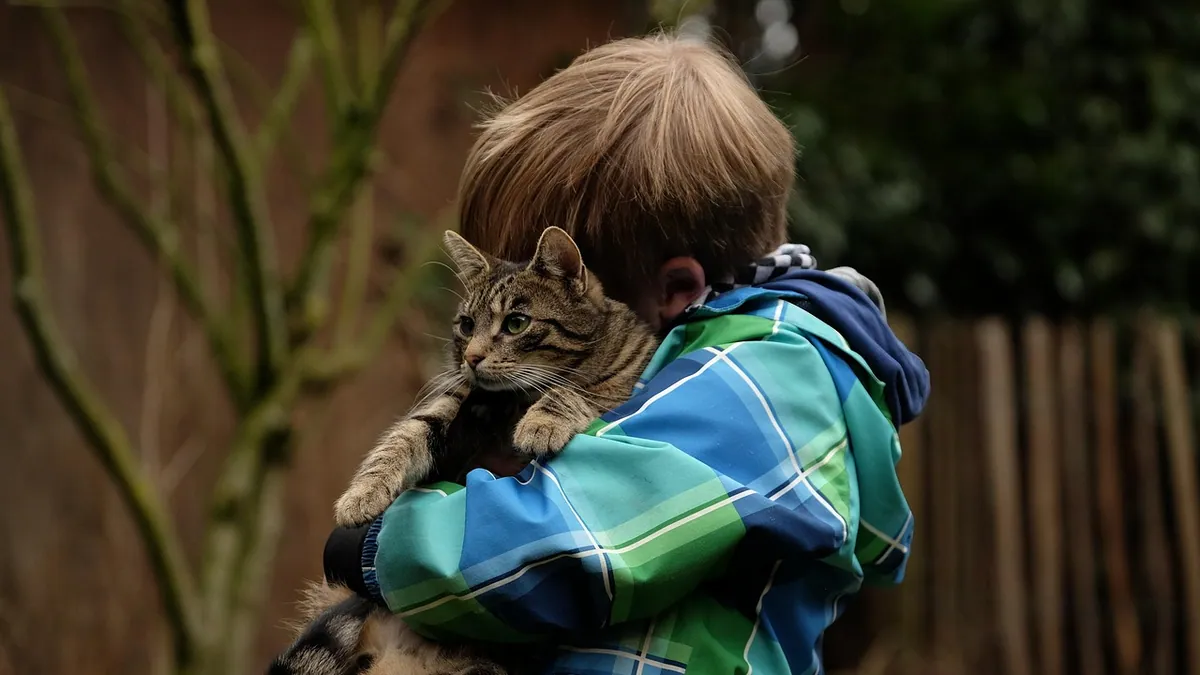
Your cat keeps headbutting you because bunting is a normal feline behavior. It spreads your cat's facial scent onto you, marks you as safe and familiar, and often doubles as a request for attention or food. Most of the time it is a friendly signal, but a small number of cats press their heads against people or objects for medical reasons instead.
This article is educational and is not a substitute for veterinary diagnosis or treatment.
Quick Answer
- Bunting is normal. Your cat rubs its forehead, cheeks, or chin against you to deposit scent from glands on the face.
- It usually means affection, comfort, or a request. Many cats bunt before meals, during petting, or when they want to be near you.
- Head pressing is different. A cat that pushes its head hard against walls, furniture, or you and holds the position may have a neurologic or metabolic problem.
- Sudden changes matter more than the behavior itself. A cat that never bunted before and now does it constantly deserves a veterinary check.
- You do not need to stop bunting. Redirect hard headbutts gently and reward calm behavior instead of punishing your cat.
What Is Cat Bunting Behavior?
Bunting is the technical term for a cat rubbing its head against something. Cats have scent glands on the forehead, cheeks, chin, and lips. When your cat nudges you with its head, it transfers pheromones onto your skin and clothing.
This is a form of chemical communication. Scent marking helps cats define territory and identify familiar individuals. In wild felids, scent-related behaviors around the face and head are common. A camera-trap study of a wild snow leopard recorded head-rubbing on vegetation during 7 of 15 feeding videos, showing that head-directed scent behavior appears across cat species [1].
So when your cat keeps nudging you with her head, she is not being random. She is adding you to her scent map. In cat logic, you smell like her, which makes you part of her safe group.
Why Does My Cat Keep Headbutting Me? Normal Reasons
Affection and social bonding
Bunting is one of the clearest cat affection signs. Cats do not greet each other the way dogs do. They use slow blinks, tail position, and scent exchange. A headbutt combines touch and scent in one gesture.
A study of cats in a cat café found that cat-cat interactions were infrequent overall, and about 51.9% of the interactions that did occur were affiliative [2]. Cats are selective about social contact. When your cat chooses to bunt you, that contact is meaningful.
Scent marking you as familiar
Your cat's world runs on smell. Bunting puts a familiar scent on you so other cats in the home recognize you as part of the group. If you have multiple cats, you may notice one cat bunting you right after you pet another cat. That is your cat re-applying its signature.
Attention, food, and routine requests
Many cats bunt when they want something. Common triggers include:
- You walk toward the kitchen.
- You sit down and your cat wants your lap.
- You stop petting and your cat wants more.
- You come home after being away.
If your cat keeps nuzzling you at the same times each day, the behavior is likely tied to a routine. Your cat has learned that head contact gets a response.
Comfort and stress relief
Head rubbing can also be self-soothing. Cats in unfamiliar places may rub their faces on familiar objects or people. In one study, neither catnip nor feline facial pheromone changed clinical or behavioral measures in cats during a veterinary exam, so a calm handling approach did the work instead [3]. That finding does not mean scent is useless at home. It means your cat's own familiar scent on you may be more reassuring than any product.
Hormonal and seasonal influences
Intact cats may bunt more during reproductive cycles. Neutered cats still bunt, so the behavior is not only hormonal. It is a learned and instinctive habit that continues throughout life.
Medical Causes to Rule Out
Head pressing is not bunting
Head pressing is a specific neurologic sign. The cat presses its head firmly against a wall, door, or piece of furniture and may stand that way for minutes. It often happens in a corner or against a flat surface. This is not affection. It can point to problems in the brain, liver, or metabolic system.
The difference is pressure and posture. Bunting is a brief rub with movement. Head pressing is a sustained, hard push with little or no rubbing motion.
Ear disease and skin problems
Cats with ear mites or ear infections often rub their heads and ears against objects. In a study of owned cats, the most common signs of ear mite infestation included brownish granular or waxy ear discharge, itchy head rubbing, skin redness, and scratching one ear [4]. If your cat's head rubbing comes with ear odor, discharge, or scratching, see your veterinarian. For more on that pattern, read Why Is My Cat Shaking Her Head And Ears.
Pain, dental disease, and oral discomfort
Cats with tooth pain, jaw pain, or facial pain may rub their faces more. Watch for drooling, dropping food, chewing on one side, or flinching when you touch the head or mouth.
Neurologic and metabolic disease
Head pressing can occur with liver disease, brain tumors, infections, toxins, and other conditions. These cats often show other signs, such as:
- Circling or walking in circles
- Pressing into corners
- Changes in vision or pupil size
- Seizures or tremors
- Confusion or staring
- Sudden behavior change or aggression
Any of these signs needs same-day veterinary care.
Compulsive or anxiety-driven behavior
Some cats over-groom or rub themselves raw. If your cat's face rubbing has caused hair loss, redness, or sores, the behavior has crossed into a medical or behavioral problem. Related conditions include Cat Overgrooming: Why It Happens and What to Do and Why Is My Cat pulling out fur in clumps? Psychogenic Alopecia and Over-Grooming.
When Bunting Becomes a Problem
Bunting is rarely a problem on its own. It becomes a concern in these situations:
- The behavior is new and intense in an older cat.
- Your cat bunts hard enough to hurt you or knock things over.
- Your cat bunts objects or walls more than people.
- The behavior comes with drooling, head tilt, circling, or balance loss.
- Your cat rubs its face until the skin is red, bald, or bleeding.
- Your cat seems anxious, clingy, or restless along with the headbutting.
A sudden increase in clingy behavior can have many causes, from pain to stress to sensory changes. If your cat also follows you everywhere and vocalizes more, see Why Is My Cat Suddenly Clingy?.
What to Do Step by Step
1. Keep a simple log
Write down when the bunting happens, what happens right before, and how long it lasts. Note any other signs, such as scratching, drooling, or hiding. A two-week log gives your veterinarian useful information.
2. Rule out medical causes first
Schedule a veterinary visit if the behavior is new, intense, or paired with any physical sign. Your veterinarian will decide what testing is needed. Do not give any medication, supplement, or sedative without veterinary guidance. Your veterinarian calculates any dose from your cat's weight and health.
3. Respond calmly to normal bunting
If the headbutt is gentle, you can:
- Offer a slow blink back.
- Pet your cat briefly on the cheeks or chin.
- Say a quiet word in a steady tone.
- Offer play or food if it is mealtime.
This rewards the behavior without encouraging hard contact.
4. Redirect hard headbutts
If your cat slams its head into your face or hand, turn away and pause. Then offer a toy or a food puzzle. You are teaching your cat that gentle contact gets attention and hard contact does not.
5. Add enrichment
Boredom and stress can increase repetitive behaviors. Try:
- Vertical space, such as cat trees or shelves. Cats in a café setting preferred elevated structures, especially when the space was busy [2].
- Scheduled play sessions with a wand toy.
- Food puzzles and scatter feeding.
- A consistent daily routine for meals, play, and quiet time.
6. Keep the environment predictable
Cats dislike sudden changes. New pets, moves, renovations, and schedule shifts can all increase scent-marking behavior. Give your cat a quiet room with familiar bedding and let it adjust at its own pace.
7. Consider a behavior consultation
If medical causes are ruled out and the behavior is still a problem, ask your veterinarian about a certified behavior professional. They can build a plan for your cat's specific triggers.
What Not to Do
Do not punish your cat
Never yell, spray water, or push your cat away for bunting. Punishment does not teach a cat what to do instead. It raises stress and can make scent-marking and anxiety worse.
Do not assume every head rub is affection
Head rubbing that looks like pressing, happens in corners, or comes with other neurologic signs is not affection. It is a reason to call your veterinarian.
Do not rely on scent products to fix a medical problem
Feline facial pheromone products are popular, but a study found no significant effect on clinical or behavioral parameters during veterinary exams when compared with a placebo [3]. These products are not a substitute for diagnosis.
Do not ignore ear or skin signs
If your cat rubs its head and also scratches its ears, shakes its head, or has discharge, the rubbing may be a symptom. Ear mites are common and treatable, and the signs include itchy head rubbing and waxy discharge [4]. Waiting can let the problem worsen.
Do not assume spraying and bunting are the same
Urine spraying is a different behavior. It involves urine on vertical surfaces and serves as a territorial signal [5]. Bunting uses facial glands and does not involve urine. If your cat is spraying indoors, that is a separate problem to discuss with your veterinarian.
Limitations and When to Contact a Veterinarian
No article can tell you what is happening with your individual cat. Individual cases need a veterinarian who can examine your cat, ask questions, and run tests if needed.
Contact your veterinarian the same day if you see:
- Head pressing against walls, furniture, or corners
- Circling, stumbling, or loss of balance
- A head tilt that is new
- Seizures, tremors, or staring spells
- Sudden blindness or pupil changes
- Drooling, trouble eating, or dropping food
- Face rubbing that has caused sores, bleeding, or hair loss
- Ear discharge, odor, or constant scratching
Go to an emergency clinic now if your cat:
- Cannot stand or walk
- Has a seizure that lasts more than a few minutes or repeats
- Is unresponsive or very dull
- Has sudden severe pain or vocalization
- Collapses or has trouble breathing
Schedule a routine visit soon if:
- The bunting is new in an older cat
- The behavior increased gradually over weeks
- Your cat seems anxious, clingy, or restless
- You see mild scratching or occasional head shaking
Frequently Asked Questions
Is headbutting a sign my cat loves me?
Yes, in most cases. Bunting deposits your cat's scent on you and is a normal social behavior among familiar cats and people. It often signals trust and comfort, especially when paired with purring, slow blinking, or a relaxed tail.
Why does my cat headbutt me but not my partner?
Cats form individual preferences based on scent, routine, and past experiences. Your cat may have bonded more with your scent or may associate you with feeding or petting. This is normal and does not mean your cat dislikes your partner.
Can headbutting be a sign of pain?
It can be, especially if the behavior is new or intense. Cats with ear infections, dental pain, or neurologic disease may rub or press their heads more. If the rubbing comes with discharge, drooling, balance problems, or skin damage, see your veterinarian.
How do I tell bunting apart from head pressing?
Bunting is a brief rub with movement, often against people or familiar objects. Head pressing is a sustained, hard push against a flat surface, often in a corner, and the cat may hold the position. Head pressing needs urgent veterinary attention.
Should I stop my cat from headbutting me?
You do not need to stop normal bunting. If the headbutts are too hard, turn away briefly and redirect your cat to a toy or food puzzle. Punishment is not effective and can increase stress. Talk to your veterinarian if the behavior changes suddenly or causes injury.
Related Articles
- Why Is My Cat Shaking Her Head And Ears
- Why Is My Cat Suddenly Clingy?
- Cat Overgrooming: Why It Happens and What to Do
- Why Is My Cat Grooming So Much?
- Why Is My Cat pulling out fur in clumps? Psychogenic Alopecia and Over-Grooming
- Why Is My Cat Losing Hair?
- Why Does My Cat Bump Its Head on Me? Meaning Explained
- Why Is My Cat Kneading Me? Understanding This Behavior
- Head Pressing in Cats: Why It Happens and When to Worry
References
- Camera-Trap Evidence of Myricaria sp. Consumption and Head-Rubbing by a Wild Snow Leopard (Panthera uncia) in an Alpine Ecosystem. Ecology and evolution, 2026.
- Cats in a Cat Café: Individual Cat Behavior and Interactions with Humans. Animals : an open access journal from MDPI, 2025.
- Catnip (Nepeta cataria) and Feline Facial Pheromone Have No Effect on Clinical or Behavioral Parameters of Cats in Hospital Environment. Journal of applied animal welfare science : JAAWS, 2026.
- Insights into the prevalence and diagnosis of feline otoacariasis in Egypt. Journal of parasitic diseases : official organ of the Indian Society for Parasitology, 2025.
- Sprayed Urine Emits a Pungent Odor due to its Increased Adhesion to Vertical Objects via Urinary Proteins Rather Than to Changes in its Volatile Chemical Profile in Domestic Cats. Journal of chemical ecology, 2024.