Should You Let Your Cat Outside After Moving House?
By Dr. Zubair Khalid, DVM, MS, PhD ·
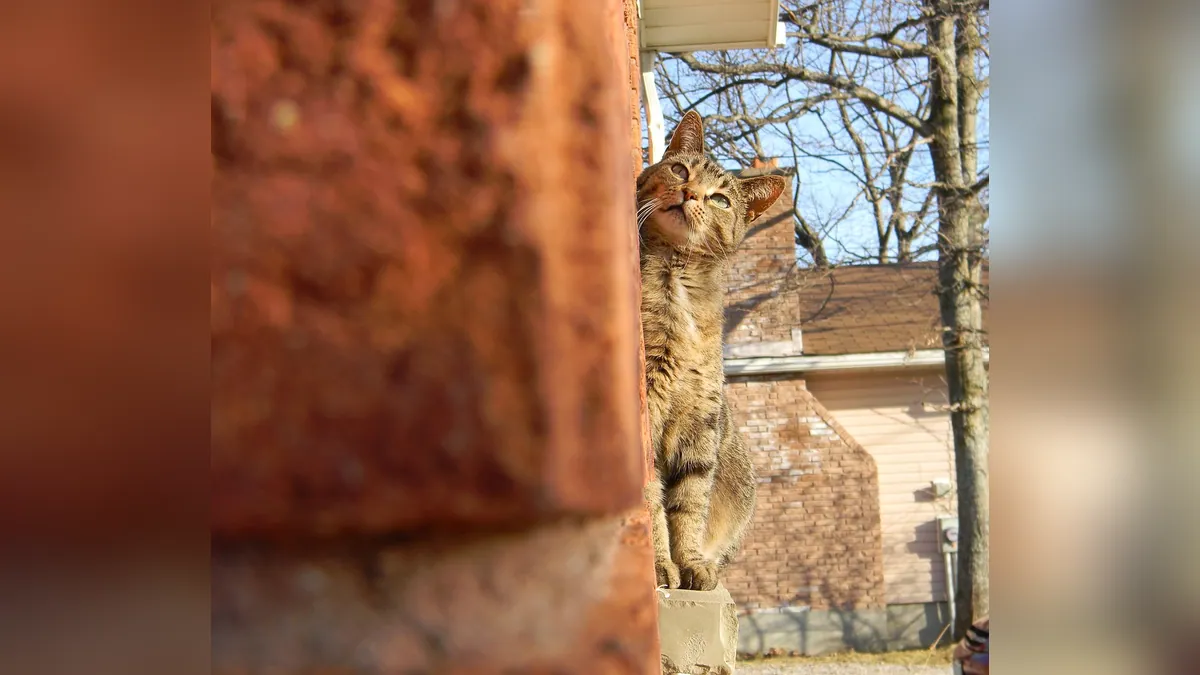
Should you let your cat outside after moving house? In most cases, no, not right away. Cats need weeks to build a new mental map of your home and yard, and cats that slip outside too soon often try to travel back to the old address. Keep your cat indoors for at least two to four weeks after the move, and longer if your cat is anxious or was an outdoor cat before.
This article is educational and is not a substitute for veterinary diagnosis or treatment.
Quick Answer
- Keep your cat strictly indoors for a minimum of two to four weeks after you move, and longer if possible.
- A cat that escapes in the first days after a move is at high risk of getting lost because it will try to return to its old territory.
- Microchip your cat and update the registry with your new address before you let it near an open door.
- Build a routine indoors first: feed, play, and clean the litter box on a fixed schedule so your cat learns where home is.
- If your cat was an outdoor cat before the move, plan a supervised or enclosed transition, not free access on day one.
Why Cats Struggle After a Move
Cats rely on scent and routine more than sight. Your old home smelled like your cat, and every corner was familiar. A new home smells like strangers, new cleaning products, and unfamiliar animals. That loss of scent information is stressful, and stress shows up as hiding, not eating, or litter box changes. If your cat is hiding under the bed or avoiding the box, those are common reactions, and you can read more about them in Cat Hiding After Moving: How to Help Your Cat Adjust and Cat Not Using Litter Box After Moving: How to Help.
Cats also form strong attachments to physical space. Research on free-roaming cats shows they use a range of habitats and move through them in patterns tied to their home base [1]. When you move, that home base disappears. A cat let outside in the first week may not recognize the new yard as home at all. It may instead follow old habits and head in the direction of the previous house.
There is a second reason to be careful. Free-roaming cats carry parasites at high rates. In one study of free-roaming cats in New York City, 57.5% were infected with at least one parasite species, most commonly Toxocara [2]. Letting an indoor cat outside, even briefly, exposes it to those risks.
Medical Causes to Rule Out First
Sometimes what looks like a behavior problem after a move is a medical problem. Cats that hide, stop eating, or stop using the litter box should be checked by a veterinarian, especially if the change lasts more than a day or two.
- Pain or dental disease can make a cat withdraw and hide.
- Urinary problems can cause litter box avoidance that owners mistake for stress.
- Arthritis and mobility problems can make a cat avoid stairs, high perches, or the litter box in a new layout. If your cat is older and struggling with the new house, see How to Help Your Cat with Mobility Issues at Home: Safe Adjustments.
- Upper respiratory infections are common after stress and can cause sneezing, eye discharge, and appetite loss.
Your veterinarian can examine your cat, run basic lab work, and decide whether the problem is medical, behavioral, or both. The dose of any medication is calculated by your veterinarian based on your cat's weight and health, so never give human or leftover pet medications on your own.
When Letting Your Cat Out Becomes a Problem
The risk is highest in the first two weeks. During that window, a cat that gets out usually does one of three things.
- It freezes and hides nearby, often under a porch or shed.
- It bolts in a straight line, sometimes across a road.
- It tries to travel back toward the old home, which can mean crossing unfamiliar streets and highways.
Cats that escape after a move are also less likely to be returned. A cat without an updated microchip or collar tag may be treated as a stray. In one desexing program, 28% of enrolled cats declined a free microchip, which shows how common it is for cats to go unregistered [3]. If your cat gets out and has no identification, your chances of getting it back drop sharply.
There is also a public health angle. Free-roaming cats can carry parasites that infect people, including Toxocara and Giardia [2]. Keeping your cat indoors protects your cat and your household.
How to Transition Your Cat to the Outdoors Safely
If your cat was an outdoor cat before the move, you do not have to keep it inside forever. You do have to do it in stages. Here is a realistic plan.
Step 1: Set up a safe room
Pick one room with a door that closes. Put food, water, a litter box, a scratching post, and a bed in it. Keep your cat there for the first few days while the rest of the house settles. This gives your cat a small territory it can control.
Step 2: Build scent and routine
Rub a cloth on your cat's cheeks and leave it in the room. Feed at the same times each day. Sit quietly nearby without forcing contact. Cats in group housing, such as cat cafés, use elevated structures and cat-only spaces to reduce stress [4], and the same principle works at home. Give your cat high perches and hiding spots it can reach without being cornered.
Step 3: Expand the territory
After a few days, open the safe room door and let your cat explore the rest of the house at its own pace. Keep other pets separated at first. Watch for litter box problems, which are common during this stage. If they appear, review Cat Litter Box Problems After Moving: How to Help Your Cat Adjust.
Step 4: Wait at least two to four weeks before any outdoor access
This is the minimum. Many behavior experts suggest four to six weeks for cats that were previously outdoor cats. Use the time to confirm your cat comes when called, uses the litter box reliably, and eats normally.
Step 5: Start with controlled outdoor access
Choose one of these options instead of free roaming.
- A catio or screened porch. This gives outdoor smells and sights with no escape risk. If you are building or buying one, see Outdoor Cat House.
- A harness and leash. Start indoors, then move to a quiet part of the yard.
- A supervised yard visit with a harness and a person holding the leash at all times.
Step 6: Identify your cat before any outdoor time
Microchip your cat and update the registry with your new address. Add a breakaway collar with a current phone number. Take a clear photo of your cat from several angles. If your cat does get out, you will need all of this.
What Not to Do
- Do not punish your cat for hiding, meowing, or avoiding the box. Punishment increases stress and makes the behavior worse.
- Do not assume your cat will "just come back" if it gets out. Cats that escape after a move often do not.
- Do not let your cat out on day one because it was an outdoor cat before. The old territory is gone, and the new one is not mapped yet.
- Do not leave doors and windows open during the first month, even for a minute. Use screens and close doors behind you.
- Do not rely on a collar tag alone. Collars fall off, and microchips are the backup that works.
- Do not skip the veterinarian visit because your cat "seems fine." Stress can hide illness in cats.
If Your Cat Escapes After the Move
Act fast. Search your new yard and the immediate neighbors' yards first, especially at dawn and dusk. Put your cat's used litter box and a worn piece of your clothing outside near the door. The familiar scent can draw your cat back. Call your cat's name calmly and shake a treat bag. Check under porches, in garages, and in sheds. Post on local lost pet groups and call your microchip registry to report your cat missing. If your cat is gone more than a few hours, contact your veterinarian for guidance and keep searching.
When to Involve a Veterinarian or Behavior Professional
Call your veterinarian if your cat stops eating for more than 24 hours, hides constantly for more than a few days, cries at the door nonstop, or shows litter box changes that do not improve. A certified cat behavior consultant can help if your cat's anxiety is severe or if you are planning a transition to outdoor access and want a structured plan.
Limitations and When to Contact a Veterinarian
This article gives general guidance. Every cat is different, and your veterinarian is the only person who can assess your cat's individual health and behavior.
Contact your veterinarian the same day if your cat:
- Has not eaten in 24 hours
- Is vomiting, has diarrhea, or has blood in the stool
- Is straining to urinate or visiting the litter box repeatedly with little output
- Is breathing fast or open-mouth breathing
Go to an emergency clinic now if your cat:
- Cannot urinate at all
- Is collapsed, limp, or unresponsive
- Has a seizure
- Was hit by a car or had a suspected trauma
- Ate something toxic, such as a houseplant, human medication, or antifreeze
For poison emergencies, call the Pet Poison Helpline at 855-764-7661 or the ASPCA Animal Poison Control Center at 888-426-4435. Fees may apply.
Schedule a routine visit within the first few weeks after a move if your cat is older, has a chronic condition, or shows any behavior change that lasts more than a few days. Moving is a common trigger for stress-related illness in cats, and an early check can catch problems before they get worse [5].
Frequently Asked Questions
How long should I keep my cat inside after moving?
Keep your cat indoors for at least two to four weeks, and longer if it is anxious or was an outdoor cat before. Some cats need six weeks or more before they are ready for any outdoor access. Use that time to build routine and confirm your cat is eating, drinking, and using the litter box normally.
My cat was an outdoor cat before. Can I let it out sooner?
No, not in the first weeks. An outdoor cat's old territory is gone, and the new one is not mapped yet. Start with a safe room, then a catio or harness, and only allow free access after your cat reliably comes when called and stays close to home.
What should I do if my cat escapes right after the move?
Search the immediate area first, especially at dawn and dusk. Put used litter and your worn clothing outside to draw your cat back with familiar scent. Call your microchip registry, post on local lost pet groups, and contact your veterinarian if your cat is gone more than a few hours.
Will my cat try to go back to the old house?
Yes, this is common. Cats that escape after a move often head in the direction of their old territory. That is why keeping your cat indoors for the first weeks matters so much. It gives your cat time to accept the new home as its base.
Does my cat need a microchip before going outside?
Yes. A microchip with your updated address is the most reliable way to get your cat back if it gets lost. Collars can fall off, and tags can be lost. Update your registry information as soon as you move, before your cat has any chance to slip outside.
Related Articles
- Cat Not Using Litter Box After Moving: How to Help
- Cat Hiding After Moving: How to Help Your Cat Adjust
- Outdoor Cat House
- Cat Litter Box Problems After Moving: How to Help Your Cat Adjust
- How to Help Your Cat with Mobility Issues at Home: Safe Adjustments
- Cat Peeing Outside Box
- Cat Moving House Stress: Symptoms and How to Reduce It
- Cat Not Adjusting to a New Home: How to Help
- Is It Safe for Cats to Go Outside? Risks and Options
References
- Living Wild in a Mediterranean Island: Spatial and Temporal Behaviour of Free-Roaming Cats in Cyprus. Animals : an open access journal from MDPI, 2026.
- Zoonotic endoparasites and Toxoplasma gondii seropositivity in free-roaming cats (Felis catus) from New York City boroughs. PloS one, 2026.
- StrayCare Metro: Evaluation of a Targeted Cat Desexing Program to Manage Free-Roaming Cats. Animals : an open access journal from MDPI, 2026.
- Cats in a Cat Café: Individual Cat Behavior and Interactions with Humans. Animals : an open access journal from MDPI, 2025.
- Moving with Pets. Pet Poison Helpline.