Why Doesn't My Cat React to Catnip? Genetics and Alternatives
By Dr. Zubair Khalid, DVM, MS, PhD ·
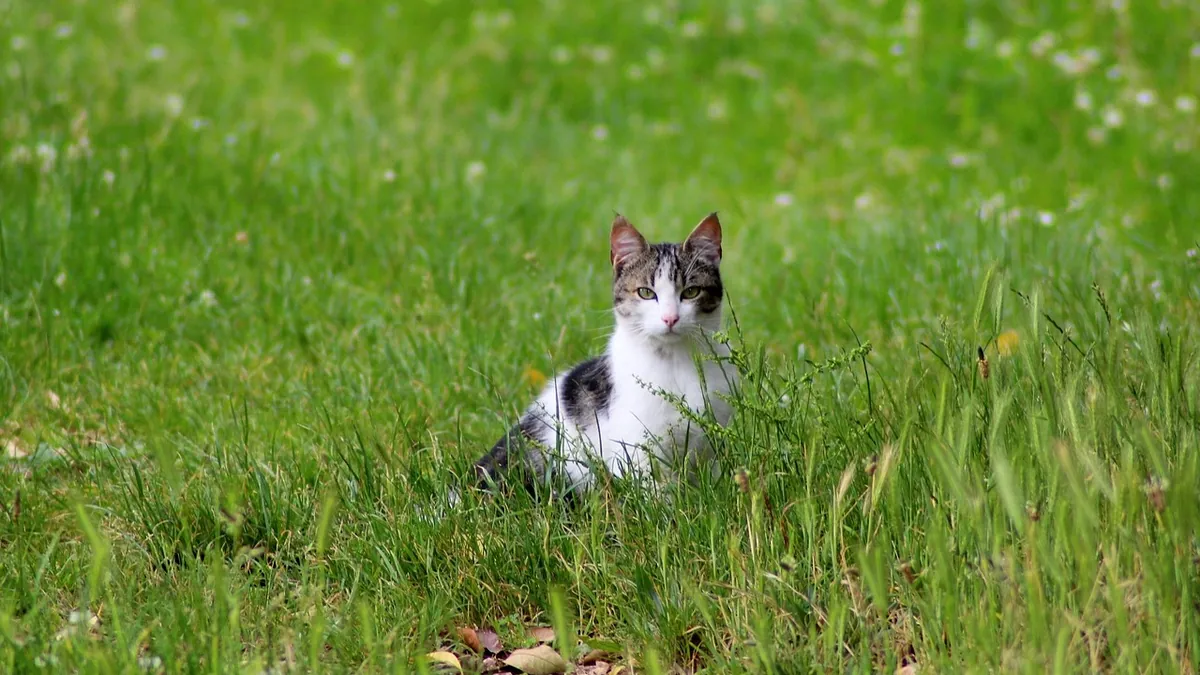
If your cat is not reacting to catnip, the most likely reason is genetics. The response to catnip is an inherited trait, and a sizable share of cats simply do not carry it. Kittens under about three months of age also tend to ignore catnip, even if they will respond later in life.
This article is educational and is not a substitute for veterinary diagnosis or treatment.
Quick Answer
- The catnip response is inherited. Cats either have the trait or they do not, and there is no way to train it into them.
- Kittens usually do not respond before about three months of age, and some cats never respond at all.
- Catnip is listed as toxic to cats by the ASPCA, with vomiting and diarrhea as possible signs, so treat it as a treat and not a food [1].
- Silver vine and valerian can trigger the same rolling, rubbing, and licking behavior in many cats, including some that ignore catnip [2].
- If your cat has stopped responding to things it used to enjoy, or seems dull and withdrawn, that is a medical question, not a catnip question.
What Catnip Actually Does
Catnip (Nepeta cataria) is a plant in the mint family, native to Europe, Asia, and Africa, and now grown widely elsewhere [3]. The leaves contain nepetalactone, a volatile compound released when the plant is bruised or crushed [4]. When a sensitive cat sniffs it, the typical response is rolling, face rubbing, licking, drooling, and sometimes a burst of activity followed by calm.
This reaction has been documented for centuries. John Ray wrote about cats and catnip more than 200 years ago, and even lions have shown the same stereotyped response [4]. The behavior is real and repeatable, but it depends on the cat.
One thing worth knowing: catnip is not a drug your cat needs. It is a scent experience. If your cat walks away, that is a normal outcome, not a problem to fix. For a fuller picture of what the plant does and does not do, see What Does Catnip Do To Cats.
Why Some Cats Do Not React to Catnip
The genetics behind catnip sensitivity
The response to catnip is inherited. A cat either has the trait or does not, and the trait is not something you can build up with repeated exposure. This is the single biggest reason a healthy adult cat shows zero interest.
Because the trait is genetic, littermates can differ. One cat in a household may roll in ecstasy while a sibling sniffs once and walks off. Neither cat is broken.
Why a kitten may not react to catnip
Kittens are a separate case. Most kittens do not show the catnip response until they are roughly three months old or older. Before that, the behavior simply has not developed yet. If you have a young kitten who ignores catnip, wait a few months and try again. If your adult cat never responds, that is genetics, not age.
Catnip sensitivity varies between cats
Even cats that do respond vary a lot. Some react strongly every time. Some react once and then lose interest for a while. Some respond to fresh leaves but not dried powder, or the other way around. Response duration and the exact behaviors differ between individual cats [2].
There is also a practical limit. In one study, neither catnip nor feline facial pheromone changed clinical or behavioral measures in cats during a veterinary exam [5]. Catnip is not a universal calming tool, and it is not a reliable way to settle a stressed cat in a clinic setting.
When "not reacting to anything" is the real concern
If your cat is not reacting to catnip, that alone is rarely meaningful. If your cat is not reacting to anything, meaning it has become dull, withdrawn, or uninterested in toys, food, people, and its usual routines, that is different. A sudden drop in responsiveness can point to pain, illness, or stress. Cats hide discomfort well, and lethargy is a common early sign of many problems.
Medical Causes to Rule Out
A cat that never cared about catnip is normal. A cat that used to play, greet you, and engage with toys and now does not needs a veterinary look.
Things a veterinarian may consider include:
- Pain, including dental disease, arthritis, or abdominal discomfort
- Anemia or other blood disorders
- Thyroid disease, which can cause either restlessness or dullness depending on the direction it goes
- Gastrointestinal upset, which can follow too much catnip. The ASPCA lists vomiting and diarrhea as possible signs of catnip exposure [1]
- Upper respiratory issues, which can reduce a cat's interest in scent-based enrichment. Sneezing and nasal congestion are worth investigating, see Why Is My Cat Sneezing?
- Skin parasites or allergies, which can make a cat restless and itchy instead of playful, see Why Is My Cat So Itchy?
Aggression is another behavior that can look like "not reacting" when a cat is actually shutting down to avoid conflict. A systematic review of 26 studies on feline aggression found that the genetic and environmental causes are still not fully understood [6]. That is a good reason to have a veterinarian or behavior professional assess the whole picture instead of guessing.
When It Becomes a Problem
Catnip non-response is not a problem by itself. It becomes a problem in these situations:
- Your cat has stopped engaging with things it used to enjoy
- Your cat hides more, eats less, or avoids handling
- Your cat shows vomiting, diarrhea, or drooling after catnip [1]
- Your cat becomes agitated, aggressive, or overstimulated instead of playful
- Your cat's litter box habits change, which can be medical or behavioral, see Cat Not Using Litter Box
If the change is sudden, treat it as a health question first. Behavior changes in cats are often the first visible sign of a medical issue.
What to Do Step by Step
1. Confirm the cat is healthy
Start with a veterinary exam if anything has changed. If your cat is bright, eating, playing, and using the litter box normally, and simply ignores catnip, you can move on to enrichment.
2. Try catnip correctly
Use a small amount of dried catnip or a catnip toy. Crush the leaves between your fingers to release the volatile compounds [4]. Offer it and step back. Do not force it into your cat's face. Give your cat the option to walk away.
3. Try catnip alternatives
Several plants can trigger the same self-anointing response, including silver vine (Actinidia polygama), Tatarian honeysuckle, and valerian (Valeriana officinalis) [2]. In free-choice tests, free-roaming cats rarely showed face-rubbing and rolling toward intact catnip plants but consistently engaged with silver vine [7]. A separate study of feral cats found significant differences in how long cats interacted with different plant products, with marked differences in intensity [8].
This matters for owners. If catnip does nothing, silver vine is a reasonable next trial. Valerian is another option. Some cats respond to one and not another, and some respond to several.
4. Rotate and store properly
Volatile compounds fade. Keep dried catnip in an airtight container away from heat and light. Rotate toys so the scent stays novel. If your cat loses interest after a few minutes, that is normal, not a failure.
5. Build enrichment beyond scent
Scent is one channel. Add others:
- Food puzzles and scatter feeding
- Wand toys with a realistic prey motion
- Vertical space, shelves, and window perches
- Short, predictable play sessions two or three times a day
- A quiet hiding spot your cat can choose
6. Keep the environment predictable
Cats engage more when they feel safe. Keep litter boxes clean and placed away from loud appliances. Keep food and water away from the litter box. Reduce sudden changes in the household when you can.
7. Track what you see
Write down what you offered, how much, and how your cat responded. This helps you learn your cat's preferences and gives your veterinarian useful information if a behavior change shows up later.
What Not to Do
- Do not punish your cat for ignoring catnip. There is nothing to correct.
- Do not force catnip on a cat that avoids it. That can create a negative association.
- Do not assume a non-response means your cat is depressed or sick. Genetics explains most cases.
- Do not use catnip as a substitute for veterinary care if your cat's behavior has changed.
- Do not assume catnip is harmless in unlimited amounts. The ASPCA lists it as toxic to cats, with vomiting and diarrhea as possible signs [1].
- Do not expect catnip to calm your cat at the vet. In one study, catnip did not significantly change clinical or behavioral parameters during examination [5].
When to Involve a Veterinarian or Behavior Professional
Contact your veterinarian if your cat's lack of interest comes with any of these:
- Weight loss, vomiting, diarrhea, or changes in appetite
- Hiding, vocalizing more, or avoiding touch
- New aggression toward people or other pets
- House soiling, see Cat Not Using the Litter Box: Medical or Behavioral?
- Any sudden change in a cat that was previously playful and engaged
If your veterinarian finds no medical cause, a certified behavior professional can help you build an enrichment plan. Do not start any supplement, herb, or calming product without asking your veterinarian first. Your veterinarian calculates any dose from your cat's weight and health, and some products interact with medications.
Limitations and When to Contact a Veterinarian
This article cannot tell you why your individual cat behaves the way it does. Cats vary, and a veterinarian who examines your cat is the only one who can sort out medical from behavioral causes.
Call your veterinarian the same day if your cat:
- Vomits repeatedly or has diarrhea after catnip [1]
- Stops eating or drinking
- Becomes suddenly withdrawn or hides constantly
- Shows new aggression or seems painful when touched
Go to an emergency clinic now if your cat:
- Has trouble breathing
- Collapses or cannot stand
- Has a seizure
- Shows severe weakness or pale gums
Schedule a routine visit if your cat:
- Has never responded to catnip but is otherwise healthy (this can usually wait, and may not need a visit at all)
- Has slowly become less playful over weeks
- Has mild but persistent changes in appetite, grooming, or litter box habits
Frequently Asked Questions
Can a cat learn to like catnip over time?
No. The response is inherited, so a cat without the trait will not develop it through practice or repeated offers. You can keep offering it, but do not expect a change.
Do all cats respond to silver vine if they ignore catnip?
No, but many do. Silver vine, valerian, and Tatarian honeysuckle can trigger the same rolling and rubbing behavior, and cats differ in which plants they prefer [2]. In free-choice tests, cats engaged more with silver vine than with intact catnip plants [7].
Is catnip safe to give every day?
Small amounts are generally fine for most cats, but catnip is listed as toxic to cats by the ASPCA, with vomiting and diarrhea as possible signs [1]. Offer it as an occasional treat and stop if your cat shows stomach upset.
Why does my cat react to catnip sometimes and ignore it other times?
Interest can fade with repeated exposure, and the volatile compounds in dried catnip weaken over time. Try fresh material, a different form, or a different plant, and give your cat breaks between sessions.
Could a health problem explain why my cat is not reacting to anything?
Yes. A cat that has become dull, withdrawn, or uninterested in food, play, and people should be examined by a veterinarian. Cats often show illness through behavior changes before obvious physical signs appear.
Related Articles
- What Does Catnip Do To Cats
- Cat Not Using Litter Box
- Why Is My Cat Sneezing?
- Why Is My Cat So Itchy?
- Cat Not Using the Litter Box: Medical or Behavioral?
- Why Is My Cat Losing Hair?
- Why Is My Cat Not Interested in Catnip?
- Is Catnip Poisonous to Cats? Myths and Facts
- Can Cats Be Allergic to Catnip? What to Know
References
- Toxic and Non-toxic Plants: Catnip. ASPCA Animal Poison Control Center.
- Behavioral differences among domestic cats in the response to cat-attracting plants and their volatile compounds reveal a potential distinct mechanism of action for actinidine. BMC biology, 2022.
- Chemistry Behind Catnip. Pet Poison Helpline.
- Convergent evolution: What do cats, catnip, aphids, and mosquitoes have in common?. Journal of biosciences, 2024.
- Catnip (Nepeta cataria) and Feline Facial Pheromone Have No Effect on Clinical or Behavioral Parameters of Cats in Hospital Environment. Journal of applied animal welfare science : JAAWS, 2026.
- Genetic and Environmental Causes of Aggression in the Domestic Cat. Veterinary sciences, 2026.
- Free-Roaming and Captive Cats Prefer Silver Vine to Catnip for Self-Anointing. Journal of chemical ecology, 2026.
- Feral Cat Responses to Silver Vine: Implications for Feral Cat Management. Journal of chemical ecology, 2026.