Senior Cat Meowing at Night: Causes and Calming Tips
By Dr. Zubair Khalid, DVM, MS, PhD ·
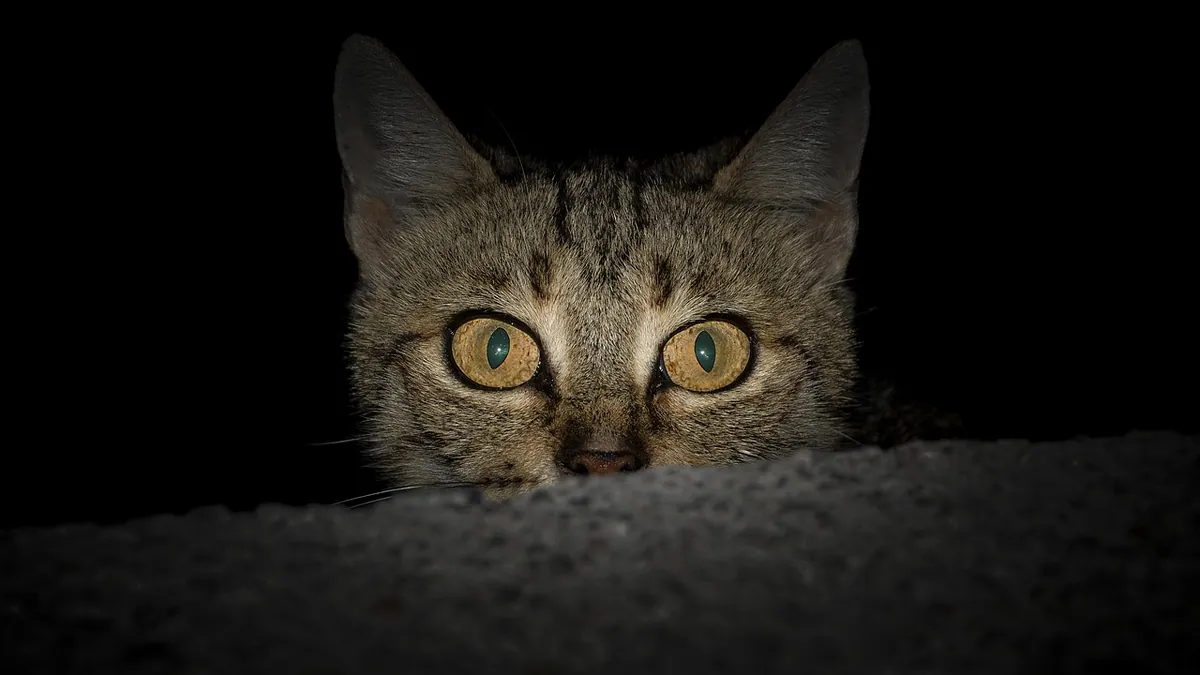
Senior cat meowing at night is common, and it usually has a physical or cognitive cause instead of being simple stubbornness. Older cats often vocalize because of age-related changes in the brain, untreated pain, or a medical condition that has not been diagnosed yet. The good news is that most cases can be improved once you know what is driving the behavior.
This article is educational and is not a substitute for veterinary diagnosis or treatment.
Quick Answer
- Night vocalizing in cats over 11 is often linked to feline cognitive dysfunction, which affects more than half of cats aged 11 to 15 and more than 80% of cats aged 16 to 20 [1].
- Pain and dental disease are extremely common in older cats, even when owners believe their cat is healthy. In one study of 129 senior cats, every cat had an abnormality on physical exam, and dental disease was found in all of them [2].
- Meowing is a communication tool cats use specifically with people, so nighttime meowing is your cat trying to tell you something [3].
- Punishment does not work and increases stress. Cats showing excessive vocalization tend to have higher stress hormone levels [4].
- A veterinary visit is the first step. Many causes are treatable, and pain management, environmental changes, and routine adjustments can help your cat sleep again.
Why Senior Cats Meow and Pace at Night
Normal reasons first
Meowing is normal cat communication. Adult cats do not meow at each other, they meow at people, probably because it gets them what they want [3]. Some breeds, especially Siamese, meow and yowl far more than others [3]. So a certain amount of nighttime chatter can be completely normal for your cat's personality.
Cats are also naturally more active at dawn and dusk. An older cat who naps all afternoon may simply be awake and bored at 2 a.m. Hunger, thirst, a dirty litter box, or a closed bedroom door can all trigger meowing. If your cat recently started sleeping more during the day, the nighttime activity may be a schedule problem instead of a disease.
Stress matters too. Cats that show excessive vocalization and social withdrawal tend to have higher levels of the stress hormone cortisol in their hair [4]. Changes like a new pet, a move, or a disrupted routine can push a senior cat toward more nighttime crying.
Feline cognitive dysfunction
As cats age, their brains change. Feline cognitive dysfunction, or FCD, affects more than 55% of cats aged 11 to 15 years and more than 80% of cats aged 16 to 20 years [1]. Memory, learning, awareness, and sight and hearing perception can all decline [1].
This deterioration commonly disturbs sleeping patterns and causes disorientation or reduced activity [1]. A cat with FCD may forget where the litter box or food bowl is, become more anxious, or react aggressively when startled [1]. Wandering the house yowling at night is a classic sign. If your cat seems confused, stares at walls, or cries in rooms she used to know well, cognitive dysfunction is high on the list.
Pain and physical discomfort
Arthritis is one of the most underrecognized causes of nighttime restlessness. In a study of senior cats whose owners described them as healthy, 77.8% had orthopedic disease on examination [2]. A cat in pain often cannot settle, paces, and vocalizes when shifting position.
Dental disease is even more common. All 129 cats in that same study had dental abnormalities [2]. Dental pain can make eating uncomfortable and can keep a cat awake and irritable at night.
Other medical problems can drive nighttime vocalizing as well. The same study found high rates of previously unrecognized disease, including chronic kidney disease in 61.3% of cats tested and hypertension in a large share of cats [2]. Kidney disease, high blood pressure, hyperthyroidism, and diabetes can all cause restlessness, increased vocalization, and night waking. None of these show up on their own. They need testing.
Sensory decline
Vision and hearing loss are part of aging for many cats. A cat who cannot see well in a dark house may cry out because she feels alone or disoriented. A cat who is losing hearing may meow louder simply because she cannot hear herself. These changes overlap with cognitive dysfunction and often make nighttime worse.
When Night Meowing Becomes a Problem
Meowing becomes excessive when it disrupts your sleep, your cat's sleep, or your household. That threshold is personal, since all cats meow to some degree [3]. The bigger question is whether the behavior is new.
A sudden change in nighttime vocalizing in a senior cat is a medical flag, not a training problem. Cats are good at hiding discomfort, and nighttime is often when subtle pain or confusion becomes obvious because there are no daytime distractions.
Watch for patterns. Does your cat meow at the same time each night? Does she pace, circle, or stare? Does she settle after you comfort her, or does she seem unable to relax? Does she also vocalize during the day? These details help your veterinarian narrow down the cause.
If your cat is also crying during the day or showing other odd behaviors, see Why Is My Cat Crying at Night? for a broader look at vocalization patterns.
What to Do: Step by Step
Step 1: Book a veterinary exam first
Before you change anything at home, get a full physical exam and baseline bloodwork. Ask specifically about pain, dental health, blood pressure, thyroid, kidney values, and glucose. Senior cats often need more than a quick look. Report every change you see, because many behavior changes are signs of treatable medical disorders, and there are therapies that can ease symptoms and pain [1].
If your veterinarian diagnoses a medical condition, treating it may reduce or resolve the nighttime meowing on its own.
Step 2: Manage pain and discomfort
If arthritis or dental disease is found, your veterinarian will build a pain plan. Never give human pain medications to a cat, since many are toxic. Your veterinarian will calculate any medication dose from your cat's weight and health status. Soft bedding, low-sided litter boxes, and ramps to favorite spots can make a painful cat more comfortable at night.
Step 3: Support cognitive function
For cats with cognitive dysfunction, keeping routines predictable helps. Feed, play, and interact at the same times each day. Leave night lights on in hallways and near the litter box so a cat with fading vision can find her way. Some veterinarians prescribe medications or diets for cognitive support. Ask what is appropriate for your cat.
Step 4: Build a daytime routine that promotes sleep
A tired cat sleeps better. Schedule active play in the late afternoon and evening. Food puzzles, wand toys, and short training sessions use your cat's brain and body. Cats meow significantly more when they are motivated by food, so using feeders and puzzles can channel that energy into something productive [5].
Keep daytime naps from taking over. If your cat sleeps all day, gently wake her for meals, play, and petting. This helps reset her internal clock.
Step 5: Enrich the nighttime environment
Indoor cats do best with intentional enrichment, including litter boxes, hiding places, vertical spaces, and predatory play opportunities [4]. Set these up before bedtime.
Try these changes:
- Leave a night light on in the room where your cat sleeps.
- Keep food and water easily reachable, and consider a timed feeder for early morning hunger.
- Add a warm, soft bed near your own bed so your cat is not isolated.
- Provide a perch by a window with a night view if it is safe.
- Keep the litter box in an easy, well-lit spot.
Step 6: Respond calmly and consistently
When your cat meows at night, check the basics first: litter box, water, temperature, and comfort. If nothing is wrong, keep your response boring and brief. A calm, quiet "I'm here" is fine. Getting up to play or feed at 3 a.m. teaches your cat that meowing works, and meowing is exactly how cats get people to do what they want [3].
If your cat is anxious or disoriented, comfort can help. Cats from familiar homes show more exploratory and play behavior when their caregiver is present, which suggests your calm presence is genuinely reassuring [6]. The goal is comfort without turning night into a party.
Step 7: Track progress and adjust
Keep a simple log for two weeks. Note the time, what your cat did, and what you tried. Bring it to your follow-up visit. If the behavior is not improving, your veterinarian may adjust treatment or refer you to a certified behavior professional.
What Not to Do
Do not punish your cat. Yelling, spraying water, or locking her away increases stress and can make vocalizing worse. Remember that cats with excessive vocalization tend to have higher stress hormone levels [4].
Do not assume it is "just old age." Many changes in behavior are signs of treatable medical disorders, and there are therapies that can comfort your cat and ease her symptoms [1]. Dismissing the behavior means your cat may live with untreated pain or disease.
Do not give human medications, supplements, or sedatives without veterinary guidance. Doses for cats are very different from doses for people, and some common human drugs are poisonous to cats.
Do not ignore sudden changes. A cat who has always slept quietly and suddenly yowls all night needs an exam, not a wait-and-see approach.
Do not rely on a single fix. Night vocalizing in senior cats usually has more than one driver, such as pain plus cognitive decline plus a schedule problem. Treating all of them works better than treating one.
When to Involve a Veterinarian or Behavior Professional
Contact your veterinarian if the nighttime meowing is new, getting worse, or paired with any change in appetite, thirst, litter box habits, weight, or mobility. A routine visit within a few days is reasonable for gradual changes.
Ask for a referral to a certified behavior professional if your cat has been medically cleared but the behavior continues. A behavior specialist can build a plan for anxiety, cognitive dysfunction, or environmental stress that goes beyond what you can do alone.
For general guidance on keeping an older cat comfortable, see Tips For Senior Cat Care. If your cat is pacing and crying in a way that seems anxious, Why Is My Cat Pacing and Meowing? Anxiety or Medical Issue? walks through the difference.
Limitations and When to Contact a Veterinarian
This article cannot diagnose your cat. Every cat needs an individual evaluation by a veterinarian, because the same behavior can have very different causes in different cats.
Contact your veterinarian the same day if your cat is meowing constantly and cannot settle, is breathing faster than normal, is straining to urinate, is vomiting repeatedly, or has stopped eating or drinking. Straining to urinate in a male cat is an emergency and needs immediate care.
Go to an emergency clinic now if your cat is crying out in pain, collapses, has a seizure, breathes with an open mouth, or seems suddenly unable to use her back legs.
Schedule a routine visit soon if the meowing started gradually, your cat seems confused at night, she is losing weight, or she is drinking and urinating more than usual. If your cat is vomiting at night along with the vocalizing, see Cat Vomiting at Night: Causes and When to Worry.
Frequently Asked Questions
Is it normal for an older cat to meow at night?
Some meowing is normal, since meowing is how cats communicate with people [3]. But a new pattern of nighttime meowing in a senior cat is not something to shrug off. It often points to pain, cognitive dysfunction, or another medical issue that can be treated.
Can cognitive dysfunction really cause nighttime yowling?
Yes. Feline cognitive dysfunction affects most cats over 11 and can disturb sleeping patterns, cause disorientation, and increase anxiety [1]. Nighttime yowling and pacing are common results. A veterinary exam can confirm the diagnosis and guide treatment.
Should I ignore my cat when she meows at night?
Check her needs first, then keep your response calm and minimal. If you feed or play every time she meows, you teach her that night meowing works [3]. Comfort her briefly if she seems scared, but avoid turning the night into active playtime.
Will a night light help my senior cat?
It often does. Cats with fading vision can become disoriented in a dark house, which leads to crying. A dim night light near the litter box, food, and your bedroom can reduce confusion and help her settle.
How long does it take for nighttime meowing to improve?
It depends on the cause. Pain or medical treatment may help within days to weeks, while behavior and routine changes often take several weeks of consistency. Keep a log and follow up with your veterinarian if you see no improvement.
Related Articles
- Tips For Senior Cat Care
- Why Is My Cat Crying at Night?
- Cat Vomiting at Night: Causes and When to Worry
- Cat Crying At Night
- Why Is My Cat Pacing and Meowing? Anxiety or Medical Issue?
- How to Help Your Senior Cat Get Up and Down from High Places Safely
- Why Is My Senior Cat Crying at Night? Causes and Help
- Why Is My Senior Cat Meowing Constantly?
- How to Stop Your Cat Meowing and Yowling at Night
References
- Older Cats with Behavior Problems. ASPCA Animal Poison Control Center.
- Clinically important abnormalities are common in senior cats perceived to be healthy by owners. Journal of the American Veterinary Medical Association, 2026.
- Meowing and Yowling. ASPCA Animal Poison Control Center.
- Stress in Indoor and Outdoor Cats: Association between Hair Cortisol Levels, Housing Style, and Guardians' Perceptions of Behavior. Journal of applied animal welfare science : JAAWS, 2026.
- Vocal signals produced by the domestic cat (Felis silvestris catus) in highly motivating contexts. Journal of comparative psychology (Washington, D.C. : 1983), 2026.
- Impact of Living Environment on Attachment Behaviour in Domestic Cats from Private Homes and Shelters. Animals : an open access journal from MDPI, 2025.