Puppy Refuses to Walk on Leash? Training Tips That Work
By Dr. Zubair Khalid, DVM, MS, PhD ·
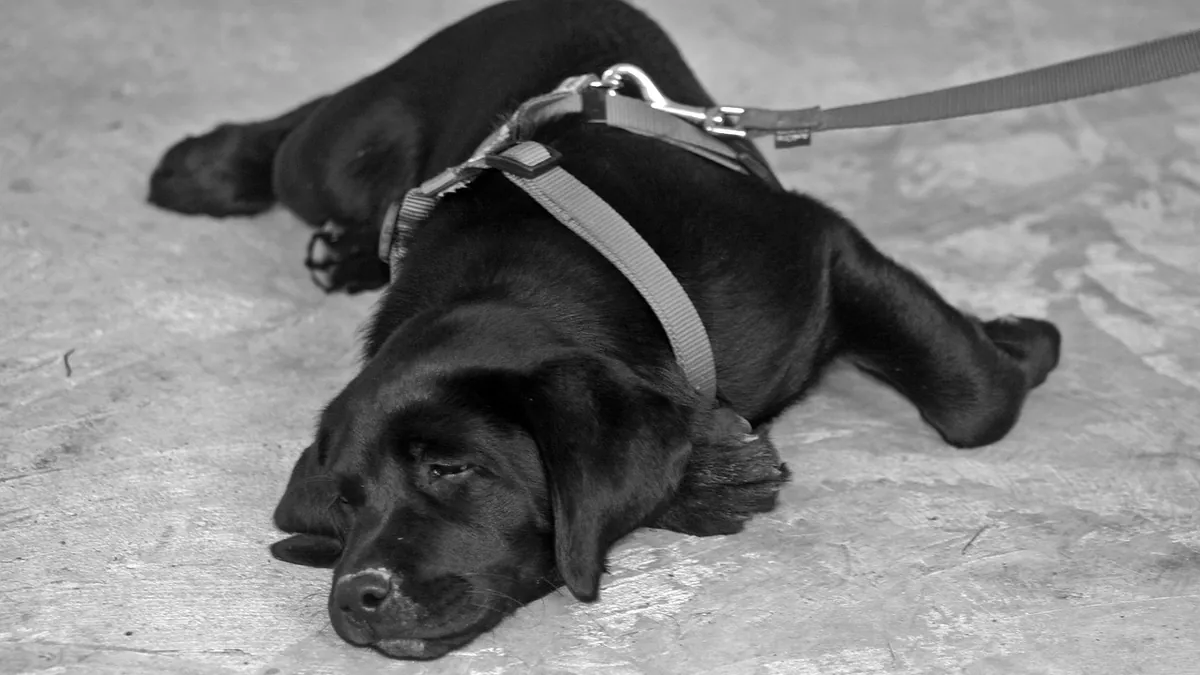
If your puppy refuses to walk on a leash, the cause is usually fear, an unfamiliar feeling, or simply not knowing what you want yet. Puppies are not being stubborn on purpose. Most learn to walk happily once you slow down and build the behavior in small steps.
This article is educational and is not a substitute for veterinary diagnosis or treatment.
Quick Answer
- Most leash refusal in puppies is normal and improves with patient, reward-based training.
- Stop and stand still when your puppy plants their feet. Do not drag or pull them forward.
- Practice in a quiet, familiar place first, then add distance and distractions slowly.
- Check the gear. A flat collar or well-fitted harness that does not pinch or slip is a good starting point.
- If your puppy also limps, trembles, or refuses all movement, call your veterinarian before training.
Why Does My Puppy Not Want to Walk?
Puppies refuse walks for many ordinary reasons. The world is new, loud, and full of smells, and a leash is a strange thing attached to their body. Some puppies freeze because the ground feels different under their paws. Others stop because they are overwhelmed by traffic, other dogs, or people.
Normal reasons puppies stop walking
Fear and uncertainty top the list. A puppy who has never worn a leash may freeze the first few times. That is a normal response to something new, not defiance.
Adolescence can also play a role. Most puppies hit adolescence around 6 months old, though it can start later, and during this stage their brain and body are shifting from puppy to adult dog [1]. A puppy who walked well last week may suddenly balk, ignore you, or test boundaries. Patience and kindness get you through this phase [1].
Motivation matters too. A tired puppy, a hot sidewalk, or a puppy who just ate may not want to move. Puppies also have short attention spans. A five-minute walk may be plenty for a young dog.
How your own behavior affects the walk
Your handling shapes your puppy's experience. In one study of shelter volunteers walking dogs, volunteers who scored high in neuroticism pulled the leash harder, and the dogs they walked showed more lip-licking and body shaking [2]. Extroverted volunteers used stronger leash tension at both ends of the leash and praised the dog more, often in a high-pitched voice, which triggered more tail-wagging and body shaking [2].
The lesson is simple. A calm handler with a loose leash and a cheerful voice helps a puppy relax. A tense handler with a tight leash teaches a puppy that walks are stressful.
Medical Causes to Rule Out Before Training
Sometimes a puppy refuses to walk because something hurts. This is why a veterinary check matters when the behavior starts suddenly or comes with other signs.
Watch for limping, stiffness after rest, reluctance to climb stairs, or yelping when touched. These can point to joint or muscle pain. A puppy who stops and sits repeatedly, or who lies down mid-walk, may be uncomfortable instead of untrained.
Other health issues can also sap a puppy's willingness to move. These include heart or breathing problems, low blood sugar, intestinal parasites, and infections. A puppy who is lethargic, not eating, vomiting, or having diarrhea needs a veterinary visit, not a training plan.
Anxiety is another possibility. Separation and confinement anxiety is a common behavioral disorder in dogs, and it can show up as vocalization, destructive behavior, and urination when a dog is left alone or confined [3]. A puppy with this pattern may also struggle on walks. This condition is often treatable, but it may require changes in both medication and behavior modification based on the patient and the client [3]. Your veterinarian sets any medication and dose based on your puppy's weight and health.
When Leash Refusal Becomes a Problem
A puppy who stops for a few seconds and then moves on is normal. It becomes a problem when the behavior is consistent, gets worse, or starts to affect your puppy's daily life.
Signs it is time to get help:
- Your puppy refuses every walk for more than a week.
- Your puppy panics, tries to bolt, or slips out of the collar or harness.
- Your puppy shakes, drools, or pants heavily before you even reach the door.
- Your puppy has stopped walking in the house or yard too.
- You feel frustrated or angry, and walks have become a battle.
Leash pulling and refusal often travel together. If your puppy surges ahead and then freezes, or if you want a full plan for the pulling side of the problem, see How to Stop a Dog from Pulling on the Leash: Training That Works.
What to Do Step by Step
Training works best in small pieces. Build the skill at home before you expect a real walk.
Step 1: Check the gear
Start with equipment that fits well and does not cause pain. A flat collar or a front-connection harness is a reasonable choice for most puppies. In a study comparing four types of leash walking equipment, researchers measured pulling force and behavior in 23 dogs walked on each type, including a martingale, a front-connection harness, a polymer prong-style collar, and a standard metal prong collar [4]. There were statistically significant differences among the equipment types in pulling impulse [4].
Prong collars work by causing discomfort, which is why their use is debated and why they are banned in some countries [4]. For a fearful puppy, aversive gear can make the problem worse. Choose gear that does not tighten, pinch, or slip off.
Step 2: Practice inside first
Put the leash on indoors and let your puppy drag it for a few minutes while you play or offer treats. Do this several times a day. No walking required yet.
Next, pick up the leash and take one step. If your puppy follows, reward with a treat and praise. If your puppy freezes, wait. Do not pull. Repeat until one step becomes two.
Step 3: Move to the yard or hallway
Once your puppy follows you indoors, practice in a slightly more interesting place. Keep sessions short, around two to five minutes. End while your puppy still wants more.
Step 4: Add the real world slowly
Start with a quiet street or a calm corner of a park. Add distance, noise, and other dogs one at a time. If your puppy stops, stand still and wait. Let your puppy look, sniff, and decide to move again.
Step 5: Use rewards your puppy actually wants
Food is the fastest reward for most puppies. Praise, petting, and a favorite toy also work. Reward the behavior you want, which is walking near you with a loose leash. If your puppy takes a step toward you, pay them.
Leash manners training is a skill owners can learn, and it can improve walking. In a study of older adult dog owners, 12 of 14 enrolled participants (86%) completed a leash manners training course, and most participants (73%) reported their leash walking skills improved [5]. If a short course can help adults improve their handling, it can help you too.
Step 6: Keep walks short and end on a good note
A young puppy does not need long walks. Ten to fifteen minutes of happy, low-stress walking beats a 45-minute struggle. If your puppy shuts down, go home and try again later.
For more structured practice ideas, see Dog Leash Training Tips and Dog Training Tips For Leash Walking.
Enrichment and environment
Mental exercise tires a puppy as much as physical exercise. Sniffing games, food puzzles, and short training sessions at home build confidence and burn energy.
Set up your home so your puppy has a safe, quiet space. Puppy-proofing your home is key to keeping your puppy safe and preventing damage to the house [1]. Move tempting items to secure locations such as a cabinet, and use baby gates to limit where your puppy can roam so you can keep an eye on them [1]. A puppy who feels secure at home is often braver outside.
What Not to Do
Do not drag, yank, or jerk the leash. This teaches your puppy that walks hurt and that you are unpredictable. It can turn a shy puppy into a fearful one.
Do not use punishment-based techniques for anxiety-driven behavior. In one case report, an 8-month-old dog with separation and confinement anxiety had been treated with punishment-based techniques before successful treatment with medication, "safe haven" training, and behavior modification [3]. Punishment did not solve the problem.
Do not assume your puppy is being stubborn. A puppy who plants their feet is usually scared, tired, or confused. Treat the cause, not the symptom.
Do not force a walk when your puppy is panicking. Shaking, drooling, and trying to escape are signs to stop and get help.
Do not rely on a tight leash to control your puppy. Constant tension signals to your puppy that something is wrong. A loose leash and calm voice work better.
When to Involve a Veterinarian or Behavior Professional
Call your veterinarian if your puppy's refusal to walk comes with pain, limping, lethargy, vomiting, diarrhea, or a sudden change in appetite. These signs point to a medical cause that training cannot fix.
Ask for a behavior referral if your puppy shows intense fear, panic, or aggression on walks, or if the problem has not improved after several weeks of consistent, reward-based training. A board-certified veterinary behaviorist or a certified professional trainer can build a plan for your puppy.
If your puppy's anxiety shows up at home too, with vocalization or destruction when left alone, that pattern needs a veterinary evaluation [3]. Medication may be part of the plan, and your veterinarian calculates the dose from your puppy's weight and health.
Limitations and When to Contact a Veterinarian
This article covers common, everyday leash refusal. It cannot tell you what is happening with your individual puppy. Every case needs a veterinarian who can examine your puppy in person.
Contact your veterinarian the same day if your puppy:
- Limps, yelps, or refuses to bear weight on a leg.
- Vomits, has diarrhea, or stops eating.
- Seems weak, wobbly, or unusually tired.
- Has a swollen or painful area on the body.
Go to an emergency clinic now if your puppy:
- Collapses or cannot stand.
- Breathes with effort or has blue gums.
- Has a seizure.
- Shows sudden severe pain or a swollen, hard abdomen.
- Eats something toxic or unknown.
Call your veterinarian for a routine visit if your puppy has refused walks for more than a week, if the behavior is getting worse, or if you feel stuck. Early help is easier than fixing a long-standing habit.
Frequently Asked Questions
Should I force my puppy to walk if they refuse?
No. Forcing a scared puppy forward usually makes the fear worse. Stop, wait, and reward any step your puppy offers. If your puppy stays frozen, end the session and try a quieter place later.
How long does it take to teach a puppy to walk on a leash?
It varies by puppy. Some learn in a few days, and others need weeks of short, positive sessions. Puppies in the adolescent stage may regress even after they seemed trained, so keep sessions patient and kind [1].
Is a harness better than a collar for a puppy who will not walk?
A well-fitted harness is often a good choice because it does not put pressure on the neck. Research shows that equipment type changes how much a dog pulls, and aversive designs like prong collars are debated and banned in some places [4]. Pick gear that fits comfortably and does not pinch.
Can my puppy be too young to walk outside?
Puppies can start leash practice indoors right away. Outdoor walks depend on vaccination status and your veterinarian's advice. Ask your veterinarian when it is safe for your puppy to walk in public areas.
Could anxiety be the reason my puppy will not walk?
Yes. Anxiety can show up as freezing, shaking, drooling, or trying to escape. Separation and confinement anxiety is a common behavioral disorder in dogs and is often treatable with behavior modification and, in some cases, medication [3]. Talk to your veterinarian if you see these signs.
Related Articles
- How to Stop a Dog from Pulling on the Leash: Training That Works
- Dog Training Tips For Leash Walking
- Dog Leash Training Tips
- Dog Training Tips For Walking
- Dog Training Tips Leash Pulling
- Dog Training Tips Puppy
- Dog Won't Walk on Leash: Causes and Training Steps
- Why Won't My Dog Go Outside? Causes and What to Do
- Why Your Puppy Isn't Listening to You (and How to Fix It)
References
- The teenage years: Puppy-proofing and training tips. Cornell University College of Veterinary Medicine.
- Two Ends of the Leash: Relations Between Personality of Shelter Volunteers and On-leash Walking Behavior With Shelter Dogs. Frontiers in psychology, 2021.
- Separation and confinement anxiety in a golden retriever × standard poodle dog. The Canadian veterinary journal = La revue veterinaire canadienne, 2024.
- Comparing efficacy in reducing pulling and welfare impacts of four types of leash walking equipment. PeerJ, 2024.
- Testing Leash Walking Training as a Physical Activity Intervention for Older Adult Dog Owners: A Feasibility Study. Geriatrics (Basel, Switzerland), 2022.