Why Does My Puppy Growl When Playing? Normal or Not
By Dr. Zubair Khalid, DVM, MS, PhD ·
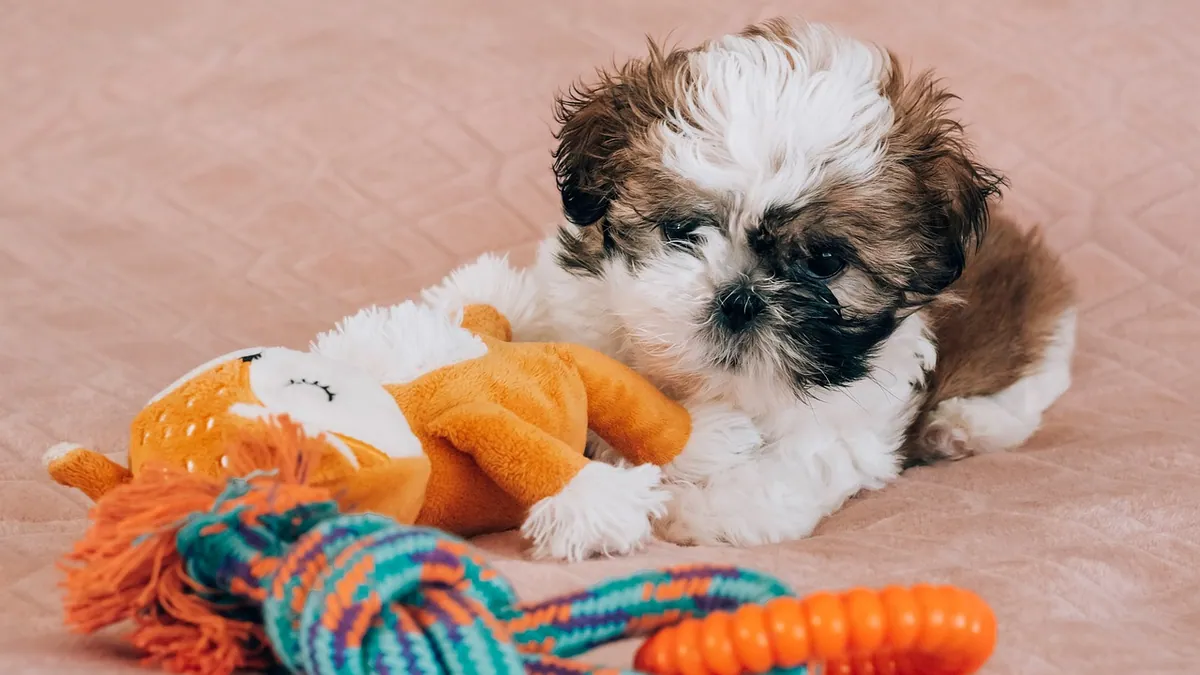
Yes, it is normal for puppies to growl when playing. Play growls are common during rough-and-tumble games, and they usually mean your puppy is excited and having fun. The growl itself is not the problem. What matters is the body language that comes with it and whether the growl shows up outside of play.
This article is educational and is not a substitute for veterinary diagnosis or treatment.
Quick Answer
- A play growl usually comes with a loose, wiggly body, a relaxed face, and pauses in the action.
- A warning growl usually comes with a stiff body, tense face, and no play breaks.
- Puppies use their mouths a lot during play, so growling and mouthing often happen together [1].
- Never punish a growl. It removes a useful warning signal and can lead to a bite with no warning.
- If growling happens when you touch your puppy, during meals, or around toys, treat it as a behavior concern and get help.
Why Does My Puppy Growl When Playing?
Puppies growl for many reasons, and most of them are harmless. During play, a growl is often just noise that comes with excitement. Think of it like a child yelling while running around a playground. The energy is high, and the sound is part of the fun.
Play growling is normal dog behavior
Dogs use vocal sounds to communicate, and growling is one of them. Research on dog vocalizations shows that different sounds (barking, whimpering, growling, snarling, howling) have distinct acoustic profiles, and these differences give clues about a dog's motivation and arousal level [2]. In other words, not all growls mean the same thing. A growl during a chase game sounds and means something different from a growl over a food bowl.
Dogs also pay close attention to the sounds other dogs make. A study using eye-tracking found that dogs looked longer at images that matched the vocalizations they heard, which suggests they form mental pictures of other dogs based on sound [3]. Your puppy is doing the same thing with you and with other pets. The growl is information.
Play growling is tied to mouthing and biting
Puppies spend a huge amount of time playing, chewing, and investigating with their mouths. When they play with people, they often bite, chew, and mouth hands, limbs, and clothing [1]. Growling frequently rides along with that mouthing. The two behaviors come from the same excited state.
This is also the age when bite inhibition gets learned. Bite inhibition is a dog's ability to control how hard he mouths. A puppy who has not learned it does not understand how sensitive human skin is, so he bites too hard even when he means to play [1]. Some behavior experts believe that a dog who learns to use his mouth gently with people is less likely to bite hard and break skin if he ever bites in a non-play situation, such as when he is afraid or in pain [1].
Socialization shapes how your puppy plays
The socialization period runs roughly from 3 to 12 weeks of age. During this window, puppies form their first social bonds and get used to new sights, sounds, and experiences. A lack of positive experiences during this time can lead to adult behavior problems such as fear, aggression, or anxiety [4]. Play is one of the main ways puppies practice social skills. Growling during play is part of that practice.
Medical Causes to Rule Out
Most play growling has nothing to do with health. Still, a few medical issues can change how a puppy behaves, and they are worth ruling out when the growling seems new, intense, or out of character.
Pain is the big one. A puppy with a sore joint, an injured paw, an ear infection, or dental pain may growl when handled or moved. If your puppy growls when you touch a certain part of his body, that is a different situation from play growling. It deserves a closer look. You can read more about that pattern in Dog Growling When Touched: Pain or Behavior Problem?.
Illness can also lower a puppy's patience. A puppy who does not feel well may be crankier than usual and less able to handle exciting play. Watch for other changes like poor appetite, vomiting, diarrhea, limping, or unusual tiredness. Shaking or trembling can also point to pain, fear, or other problems, and Why Is My Dog Shaking? covers those possibilities.
If your puppy is drooling more than usual, that can be another clue that something is off. See Why Is My Dog Drooling? for the common causes.
When Play Growling Becomes a Problem
Play growling is not a problem on its own. It becomes a problem when the context changes or the behavior escalates.
Here are the signs that a growl is no longer playful:
- The body looks stiff instead of loose.
- The face is tense. The muzzle may wrinkle, and the lips may pull back to show teeth.
- The growl is low, steady, and does not stop when the game pauses.
- Your puppy freezes, stares, or backs into a corner.
- The growl happens around food, chews, or a favorite toy.
- The growl happens when you approach, reach for, or touch your puppy.
- The growl turns into a snap or a bite.
Veterinarians and behavior experts note that it can be hard to tell normal play mouthing from mouthing that comes before aggression. In most cases, a playful dog has a relaxed body and face. The muzzle might look wrinkled, but there is not much tension in the facial muscles. An aggressive dog usually looks stiff and may wrinkle the muzzle and pull back the lips to expose teeth. Serious bites tend to be quicker and more painful than bites delivered during play [5].
If your puppy's growling fits the second pattern, stop treating it as play. Get help.
What to Do Step by Step
1. Watch the whole body, not just the sound
Look at the body, the face, and the pauses. A play growl comes with a wiggly body, a loose tail, and moments where your puppy breaks off and resets. A warning growl comes with stillness and tension. Judge the whole picture.
2. Keep play sessions short and structured
Stop the game before your puppy gets over-aroused. If the growling gets louder, the mouthing gets harder, or your puppy stops responding to you, end the session. A short break, a drink of water, or a chew toy can help him settle.
3. Teach gentle mouthing
When your puppy mouths too hard during play, pause the game for a few seconds. This teaches him that hard mouthing ends the fun. Bite inhibition is a skill, and puppies learn it through repetition [1]. Keep sessions with kids supervised, and teach children to stand still and fold their arms instead of pulling away.
4. Use enrichment to burn off energy
A tired puppy growls less during play because he has less pent-up energy. Offer puzzle feeders, sniff walks, chew toys, and short training sessions. Mental work tires a puppy out as much as running does.
5. Manage the environment
Put away toys that trigger guarding. Feed your puppy in a quiet spot. Keep play areas free of items he might protect. If growling happens around a specific object, remove that object from the play space.
6. Reward calm behavior
When your puppy plays quietly or takes a break on his own, praise him or offer a treat. You are teaching him that calm gets attention too.
What Not to Do
Do not punish growling
This is the most common mistake owners make. Growling is communication. If you punish a puppy for growling, you may suppress the warning without changing the underlying feeling. A dog who has learned not to growl may skip straight to a bite. That is a much bigger problem.
Do not yell, hit, or alpha roll your puppy
These methods increase fear and can make aggression worse. They also damage the trust your puppy has in you.
Do not assume every growl is aggression
Many owners panic the first time they hear a growl. Most puppy growls during play are normal. Look at the context before you react.
Do not ignore growling that happens outside of play
A growl during a cuddle, a meal, or a nail trim is a different signal. Do not brush it off. Address it with a professional.
Do not let kids roughhouse unsupervised
Puppies and young children can escalate each other quickly. An adult should always be present.
When to Involve a Veterinarian or Behavior Professional
Call your veterinarian if the growling starts suddenly in a puppy who never growled before, if it comes with pain or limping, or if it happens when you touch a specific body part. A physical exam can rule out medical causes.
Ask for a referral to a certified behavior professional if:
- Your puppy growls when approached, handled, or moved off furniture.
- The growling happens around food, chews, or toys.
- Your puppy snaps, lunges, or bites.
- The behavior is getting worse instead of better.
- You feel worried about safety in your home.
A board-certified veterinary behaviorist or a certified applied animal behaviorist can build a plan for your puppy. Your veterinarian can also check for pain or illness first, since behavior changes and medical problems often overlap.
Limitations and When to Contact a Veterinarian
This article cannot tell you what your individual puppy's growl means. Only a veterinarian who examines your puppy can do that. Individual cases need a veterinarian.
Contact a veterinarian the same day if your puppy:
- Growls and snaps when touched in a way that seems painful.
- Stops eating or drinking.
- Vomits, has diarrhea, or seems weak.
- Limps or holds up a paw.
- Seems suddenly afraid of normal things.
Go to an emergency clinic now if your puppy:
- Bites a person hard enough to break skin.
- Cannot be handled without a snap or bite.
- Shows sudden severe pain, collapse, or trouble breathing.
- Has a swollen, hot, or injured area that he will not let you touch.
If you think your puppy swallowed something toxic, call the ASPCA Animal Poison Control Center at (888) 426-4435 or the Pet Poison Helpline at (855) 764-7661. Keep the product container with you.
For routine concerns about growling, mouthing, or play behavior, book a regular visit. Your veterinarian can check your puppy's health and talk through next steps.
Frequently Asked Questions
Should I stop play when my puppy growls?
No, you do not need to stop play just because your puppy growls. If the body is loose and the game has natural pauses, the growl is likely normal. Stop the game only if the growling gets intense, the mouthing gets hard, or your puppy stops responding to you.
Does growling during play mean my puppy will be aggressive as an adult?
Not by itself. Play growling is common and does not predict adult aggression. What matters more is early socialization, bite inhibition, and whether growling shows up in tense situations like guarding food or being handled.
Why does my puppy growl and bite at the same time?
Puppies use their mouths constantly during play, so growling and mouthing often happen together. This is normal puppy behavior, and it is the stage when bite inhibition gets learned. If the biting gets hard or your puppy will not stop, pause the game and redirect him to a toy.
Is it normal for dogs to growl while playing with other dogs?
Yes, growling during dog-to-dog play is common. Watch for loose body language, role reversals, and pauses. If one dog looks stiff, tries to hide, or keeps trying to get away, separate them and give both a break.
Can I train my puppy not to growl?
You can teach calmer play, but you should not aim to eliminate growling itself. Growling is a warning signal, and removing it can leave you with a dog who bites without warning. Focus on teaching gentle mouthing, calm breaks, and polite play instead.
Related Articles
- Dog Growling When Touched: Pain or Behavior Problem?
- Why Is My Dog Drooling?
- Why Is My Dog Shaking?
- Why Does My Dog Cough And Gag When Excited
- Why Is My Dog Coughing And Gagging Randomly
- Puppy Training Tips Biting
- Is Rough Play Normal in Puppies? How to Tell It's Healthy
- Is It Normal for Puppies to Fight? Play vs Real Aggression
- Is It Normal for Dogs to Bite Each Other When Playing?
References
- Mouthing, Nipping and Biting in Puppies. ASPCA Animal Poison Control Center.
- Acoustic Analysis of Vocalizations in Malinois Dogs: Context-Associated Variation in Fundamental Frequency, Harmonic-to-Noise Ratio, and Formants. Veterinary sciences, 2026.
- Cross-modal perception of puppies and adult conspecifics in dogs (Canis familiaris). Journal of comparative psychology (Washington, D.C. : 1983), 2024.
- The Puppies' Age at Adoption Time Influences the Behavioral Responses of Adult Dog. Veterinary sciences, 2025.
- Mouthing, Nipping and Play Biting in Adult Dogs. ASPCA Animal Poison Control Center.