Moving House With a Cat: Butter Paws Myth and Real Tips
By Dr. Zubair Khalid, DVM, MS, PhD ·
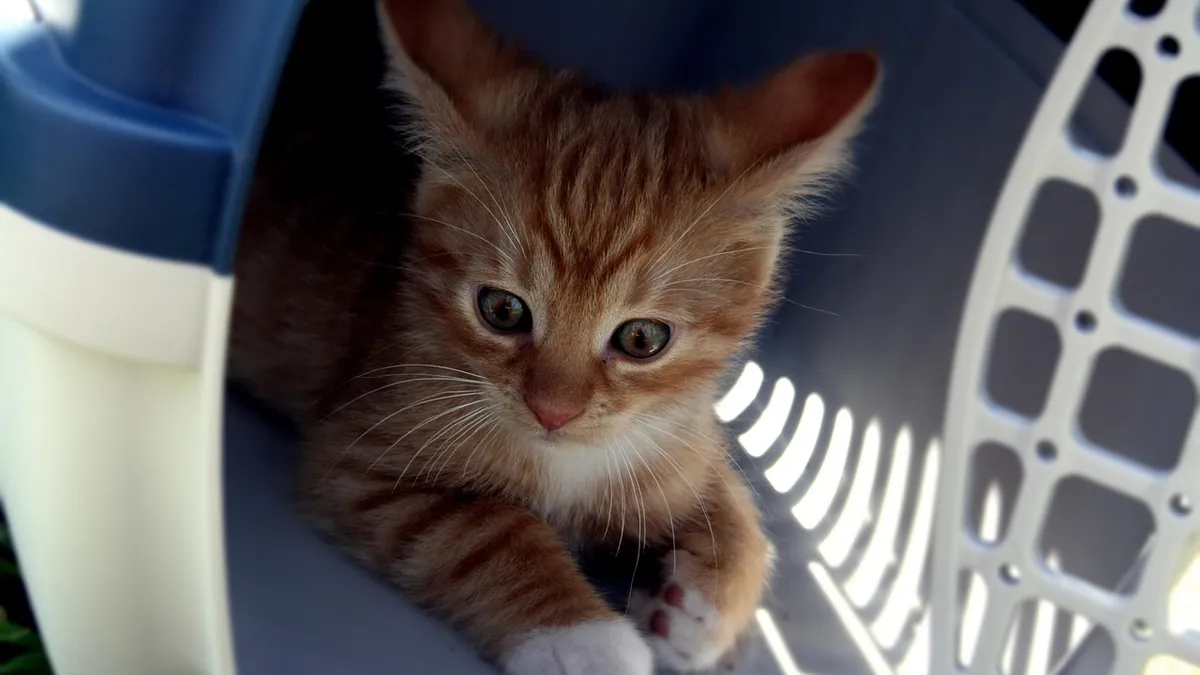
Does putting butter on your cat's paws help after a move? No. The old "cats moving house butter paws" advice is a folk remedy with no scientific support, and it can actually cause problems. What your cat really needs is a calm, controlled introduction to the new home.
This article is educational and is not a substitute for veterinary diagnosis or treatment.
Quick Answer
- Butter on the paws does not help a cat learn the new home. It creates a greasy, slippery, lickable mess that can upset the stomach and add stress.
- Cats often hide after a move because hiding is a normal coping behavior for a change in territory.
- Set up one small "safe room" first with food, water, litter box, and hiding spots, and keep your cat there for the first few days.
- Let your cat come out on its own schedule. Forcing interaction raises cortisol, while calm, passive contact lowers it [1].
- Call your veterinarian if your cat stops eating, stops using the litter box, or shows signs of pain or illness.
Why Do Cats Hide and Act Stressed After a Move?
Moving strips away everything a cat relies on. Familiar smells, sight lines, and daily routines disappear in a single day. Cats are territorial animals, and a new home is unfamiliar territory with unknown sounds, smells, and escape routes.
Hiding is the most common response. It is a normal, adaptive behavior, not a sign that something is wrong with your cat. In one study of 34 domestic cats, cats that showed isolation and excessive vocalization had higher hair cortisol levels, a marker of longer-term stress [2]. That does not mean hiding is harmful by itself. It means that a cat who withdraws completely and vocalizes a lot may be struggling more than a cat who hides quietly for a day or two.
Stress in cats is also tied to the resources you provide. The same study found that indoor cats with intentionally enriched environments (litter boxes, hiding places, vertical spaces, and predatory play opportunities) were compatible with low physiological stress levels [2]. In other words, the setup you create in the new home matters more than the move itself.
The Butter on Cat Paws Myth
The idea behind butter on the paws is that a cat will lick it off, associate the new home with a good taste, and feel settled. There is no evidence for this. No veterinary research supports butter, oil, or any food rubbed on the paws as a way to reduce moving stress.
There are real downsides. Butter is high in fat, and eating a large amount can cause vomiting or diarrhea. Greasy paws on hardwood or tile can lead to slips and falls. A cat who is already anxious may find the sensation of greasy paws alarming, which adds stress instead of removing it.
Some versions of the myth claim the cat will "wear itself out" pacing and spreading its scent. Pacing is not calming. It is a sign of distress in an unfamiliar space.
Skip the butter. Put your effort into the environment instead.
Medical Causes to Rule Out First
Before you assume every behavior is moving stress, rule out medical problems. Stress can unmask or worsen underlying illness, and illness can look exactly like anxiety.
Watch for these signs in the first days after a move:
- Not eating or drinking for more than 24 hours
- Vomiting, diarrhea, or straining in the litter box
- Hiding plus crying, pacing, or panting
- Limping, stiffness, or reluctance to jump (older cats may have arthritis that flares with stress)
- Hiding in a litter box or behind appliances, which can signal pain
A cat who hides after a move is often just adjusting. A cat who hides and also stops eating is a medical concern. Your veterinarian can examine your cat, run blood work, and decide whether the behavior is stress, illness, or both.
If your cat has mobility problems that make the new home harder to handle, see How to Help Your Cat with Mobility Issues at Home: Safe Adjustments.
When Hiding and Stress Become a Problem
Normal adjustment hiding usually improves within a few days to a couple of weeks as your cat explores and claims the space. It becomes a problem when:
- Your cat has not eaten in 24 hours or has eaten very little for 2 days
- Your cat is not using the litter box, or is going outside it
- Hiding lasts more than a week with no improvement
- Your cat shows aggression toward people or other pets
- Your cat over-grooms, vocalizes constantly, or paces at night
- Your cat escapes or tries to bolt out the door
Escape is a serious risk after a move. In a four-year study of disaster-driven relocation in Brazil, cats showed significantly higher escape rates than dogs during the relocation process [3]. A cat in a new home may bolt through an open door or window. Keep your cat in a secure room and check screens and windows before you let it roam.
If your cat is avoiding the litter box, that is a separate problem with its own steps. See Cat Not Using Litter Box After Moving: How to Help.
How to Settle a Cat in a New Home: Step by Step
Before the move
- Pack your cat's items last and keep them separate: bed, blanket, bowls, litter box, litter, toys, and scratching post.
- Keep your cat in one room while movers work. A bathroom or bedroom with a sign on the door works well.
- Update your cat's microchip and tag information before moving day.
The first 24 to 48 hours
- Set up one safe room. Choose a quiet room with a door that closes. Put in food, water, a litter box, a bed, and at least two hiding spots (a box on its side, a covered cat bed, or a closet with the door cracked).
- Keep the room dim and quiet. Limit visitors.
- Do not force your cat out of hiding. Sit on the floor and talk softly. Let your cat approach you.
- Use familiar scents. Bring a blanket or towel that smells like the old home. Do not wash it first.
Days 2 through 7
- Visit the safe room several times a day for calm, passive contact. In a study of 20 pet cats, passive interactions were associated with increased oxytocin and decreased cortisol, while forced interactions showed the opposite pattern [1]. Petting your cat while it rests nearby counts as passive. Chasing it out from under the bed does not.
- Feed meals on a predictable schedule. Predictability lowers stress.
- Add vertical space. A cat tree or a shelf near a window gives your cat a sense of control.
- Offer play with a wand toy. Predatory play is one of the enrichment items linked to lower stress in indoor cats [2].
- Keep the litter box in the safe room at first. Add a second box in another quiet spot once your cat starts exploring.
Week 2 and beyond
- Open the door and let your cat explore the rest of the home at its own pace. Supervise the first outings.
- Introduce other pets slowly, through a cracked door or a baby gate, with scent swapping first.
- Keep a routine for feeding, play, and litter box cleaning.
- If your cat is still hiding after two weeks, talk to your veterinarian.
If your cat needs a bath after the move (for example, after an accident or a spill), do it calmly and only if your cat tolerates it. See How to Safely Give Your Dog or Cat a Bath at Home.
What Not to Do
- Do not put butter, oil, or any food on your cat's paws.
- Do not punish hiding. Punishment adds stress and damages trust.
- Do not drag your cat out of hiding or force it to be held.
- Do not invite a crowd over in the first week.
- Do not leave doors or windows open, even for a minute.
- Do not skip meals or change food suddenly during the move.
- Do not assume a cat who hides for a week is "just being a cat." Check eating, drinking, and litter box use daily.
When to Involve a Veterinarian or Behavior Professional
Call your veterinarian the same day if your cat:
- Has not eaten in 24 hours
- Is vomiting, has diarrhea, or is straining to urinate
- Is crying, panting, or pacing nonstop
- Has escaped outside
Go to an emergency clinic now if your cat:
- Cannot urinate or is crying in the litter box
- Is open-mouth breathing or collapsed
- Has a suspected injury from a fall or a fight
Schedule a routine visit within a few days if your cat:
- Is still hiding after a week
- Is over-grooming or losing hair
- Is showing aggression toward people or other pets
- Has a chronic condition like kidney disease, diabetes, or arthritis that may worsen with stress
Your veterinarian can check for medical causes and discuss whether anti-anxiety medication or a pheromone product is appropriate. Doses and product choices are set by your veterinarian based on your cat's weight and health. A certified behavior professional (such as a veterinary behaviorist or a certified applied animal behaviorist) can help if the problem continues.
If your cat's nails need trimming after the move, wait until your cat is calm and eating normally. See How to Safely Trim a Cat's Nails at Home: Tips for a Stress-Free Experience.
Limitations and When to Contact a Veterinarian
This article covers general steps for a healthy cat after a move. It cannot tell you what is happening with your individual cat. Every cat needs its own veterinary assessment if signs do not improve or if you are worried.
Contact your veterinarian the same day for not eating, vomiting, diarrhea, or straining to urinate. Go to an emergency clinic now for inability to urinate, open-mouth breathing, collapse, or a suspected injury. Schedule a routine visit within a few days for hiding that lasts more than a week, over-grooming, or aggression. If you are unsure, call your veterinarian's office and describe what you see.
Frequently Asked Questions
Does butter on a cat's paws really help after a move?
No. There is no evidence that butter on the paws helps a cat adjust to a new home. It can cause stomach upset and slippery paws, and it adds stress instead of reducing it.
How long does it take for a cat to settle into a new home?
Most cats show clear improvement within the first week to two weeks if they have a safe room and a steady routine. Some cats take longer, especially shy cats or cats from a multi-pet home. If your cat is still hiding after two weeks with no progress, call your veterinarian.
Should I let my cat hide after moving?
Yes, let your cat hide at first. Hiding is a normal coping behavior in unfamiliar territory. Provide quiet hiding spots, keep food, water, and the litter box nearby, and let your cat come out on its own. Forcing your cat out raises stress hormones [1].
Can I leave my cat alone in the new house while I unpack?
Short absences are fine once your cat is in a secure safe room with food, water, and a litter box. Long days away during the first week slow adjustment. Try to be home for calm, passive contact sessions each day, since passive interaction is linked to lower cortisol and higher oxytocin in cats [1].
What if my cat hides and will not eat after the move?
Call your veterinarian the same day. A cat who will not eat for 24 hours is at risk for serious problems, including liver issues. Your veterinarian will check for illness and may recommend appetite support, fluids, or anti-anxiety treatment. Do not wait several days to see if it improves on its own.
Related Articles
- How to Safely Trim a Cat's Nails at Home: Tips for a Stress-Free Experience
- Cat Hiding After Moving: How to Help Your Cat Adjust
- How to Help Your Cat with Mobility Issues at Home: Safe Adjustments
- How to Safely Give Your Dog or Cat a Bath at Home
- Cat Not Using Litter Box After Moving: How to Help
- Outdoor Cat House
- Cat Moving House Stress: Symptoms and How to Reduce It
- Should You Let Your Cat Outside After Moving House?
- Cat Not Adjusting to a New Home: How to Help
References
- EXPRESS: The hormonal effects of owner-cat interactions on pet cats of different potential attachment styles. Journal of feline medicine and surgery, 2026.
- Stress in Indoor and Outdoor Cats: Association between Hair Cortisol Levels, Housing Style, and Guardians' Perceptions of Behavior. Journal of applied animal welfare science : JAAWS, 2026.
- Reducing Companion Animal Abandonment During Disaster-Driven Relocation: A Four-Year Study in Maceió, Brazil. Animals : an open access journal from MDPI, 2026.