Why Is My Cat Chewing on Everything? Pica and Other Causes
By Dr. Zubair Khalid, DVM, MS, PhD ·
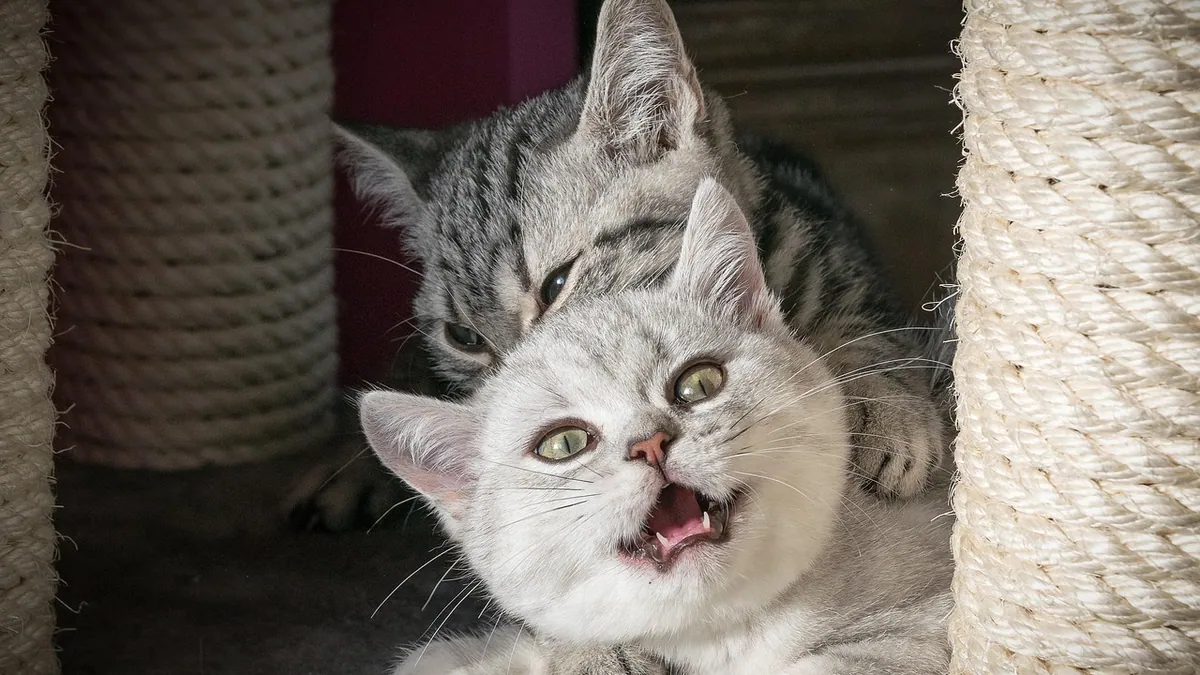
Cats chew on things for many reasons. Kittens often chew as part of teething and play, while adult cats may chew because of stress, hunger, a diet problem, or an underlying gastrointestinal condition. If your cat is chewing on everything, the first step is to figure out whether this is normal mouthing or a sign of pica, which means eating non-food items on purpose.
This article is educational and is not a substitute for veterinary diagnosis or treatment.
Quick Answer
- Chewing is normal in kittens during teething and play, but eating non-food objects (pica) is different and needs attention.
- Pica is common in young cats. In one study, pica toward at least one material type was reported in 42.9% of cats at about 6 months old, 32.0% at 12 months, and 30.9% at 18 months [1].
- Stress and household changes can trigger or worsen pica. Moving to a new home, renting, and living without a dog early in life were linked to chronic pica in one study [1].
- Some cats with pica have chronic stomach or intestinal inflammation. In one review, every biopsied cat with pica and a swallowed foreign body had chronic enteritis, and 80% had chronic gastritis [2].
- Make your home safe now. String, yarn, hair ties, rubber bands, plastic, and small toys can cause a blockage that needs emergency care.
Why Is My Cat Chewing on Everything? Normal Reasons First
Not every cat that chews has a problem. Some chewing is a normal part of how cats explore and play.
Kitten teething
Kittens go through teething just like puppies do. Their baby teeth come in, then fall out, and adult teeth push through. During this time, kittens chew on fingers, cords, plants, and toys to soothe sore gums. This is one of the most common reasons why a kitten chews on everything.
Kitten chewing usually peaks in the first several months of life and settles as the cat matures. If your kitten is chewing on everything but is eating, playing, and growing normally, teething and play are likely part of the picture.
Play and predatory behavior
Cats are hunters. Chewing, biting, and grabbing are part of normal play and pretend hunting. A cat may chew on a wand toy, a stuffed mouse, or even your shoelaces because the movement triggers that instinct.
Some cats also chew on fabric or wool as a self-soothing habit. This can look like pica, but it may start as play or comfort behavior. The line between normal chewing and pica depends on whether the cat is actually eating the material.
Boredom and lack of stimulation
A cat with nothing to do will find something to do. Chewing can become a way to release energy or get attention. This is more likely in cats who spend long hours alone, have few toys, or live in a small space with little climbing or hiding options.
Medical Causes to Rule Out
When an adult cat keeps chewing on everything, or when a kitten chews and swallows non-food items, medical causes need to be considered.
Pica
Pica is the repeated eating of non-food items. Cats with pica may chew and swallow wool, fabric, plastic, string, paper, cardboard, or other materials. Pica is not the same as a cat who mouths a toy during play.
Pica is surprisingly common in young cats. In a UK birth cohort study, owners reported pica toward one or more material types in 42.9% of cats at about 6 months, 32.0% at 12 months, and 30.9% at 18 months [1]. At every age, it was most common for a cat to target only one type of material [1].
Pica can be a behavior problem, but it can also be a sign of a medical issue. It is often a mix of both.
Gastrointestinal disease
A growing body of evidence links pica to chronic stomach and intestinal disease. In one review of dogs and cats who swallowed foreign bodies, 100% of the biopsied animals had chronic enteritis and 80% had chronic gastritis [2]. The median age was 6 years in cats [2].
This does not mean every cat who chews has gut disease. It does mean that if your cat has pica along with vomiting, diarrhea, weight loss, or a poor appetite, a veterinarian should look for a chronic enteropathy. Pica may be the cat's way of trying to soothe an uncomfortable stomach.
Diet and nutritional gaps
Some owners wonder if their cat chews because of a missing nutrient. A true mineral or vitamin deficiency is less common in cats eating a complete and balanced commercial diet, but it can happen with unbalanced homemade diets or poor-quality food. If your cat is eating non-food items like litter, dirt, or chalk, a veterinarian may want to check for anemia or other health problems. You can read more about that pattern in Why Is My Cat eating litter? Pica Mineral Deficiency and Stress.
Stress and anxiety
Stress is a major trigger for pica and other repetitive behaviors. One study found that moving to a new house when the cat was about 6 to 12 months old, renting instead of owning a home, and living in a household without a dog when the cat was 2 to 4 months old increased the odds of chronic pica [1].
A case report described a 14-month-old cat with pica and aggression that got worse after an international move. The cat improved significantly after starting the selective serotonin reuptake inhibitor fluoxetine [3]. This shows how strongly environment and anxiety can drive this behavior.
Other stress triggers include a new baby, a new pet, loud noise, changes in routine, or conflict with another cat in the home.
Oral pain
Dental disease, a broken tooth, or gum inflammation can make a cat chew oddly. A cat with mouth pain may chew on one side, drop food, drool, or avoid hard food. A veterinary dental exam can rule this out.
Other medical causes
Less common causes include neurologic problems, seizures, and certain metabolic conditions. A veterinarian can decide which tests are needed based on your cat's age, history, and exam.
When Chewing Becomes a Problem
Chewing becomes a problem when it puts your cat at risk or when it signals an underlying health issue.
The biggest danger is swallowing something that cannot pass. String, yarn, tinsel, rubber bands, hair ties, and plastic wrap are especially dangerous. These can cause an intestinal blockage or cut into the bowel. This is a life-threatening emergency.
A second danger is swallowing many small objects over time. This can lead to repeated vomiting, weight loss, and surgery.
A third concern is the behavior itself. If your cat is chewing on everything and eating non-food items daily, that is not normal. It deserves a veterinary workup and a behavior plan.
What to Do Step by Step
You can do a lot at home while you work with your veterinarian.
Step 1: Make the home safe
Go room by room and remove tempting objects. Put away:
- String, yarn, thread, and tinsel
- Hair ties, rubber bands, and ponytail holders
- Plastic bags, wrap, and packaging
- Small toys, beads, and craft supplies
- Needles, pins, and dental floss
- Electrical cords (use cord covers or hide them)
Use covered trash cans and keep cabinets closed. If your cat chews on plants, remove toxic ones and offer cat grass instead.
Step 2: Offer safe chewing outlets
Give your cat appropriate things to chew. Good options include:
- Cat-safe chew toys
- Food puzzles and treat-dispensing toys
- Silvervine or catnip toys
- Dental chews made for cats
- Cooked, plain meat in small pieces if your vet approves
Rotate toys so they stay interesting. A bored cat will go back to the couch cushion.
Step 3: Add enrichment
Enrichment reduces stress and gives your cat an outlet. Try:
- Vertical space like cat trees and shelves
- Window perches with a view
- Daily interactive play with a wand toy
- Hiding treats around the house
- Puzzle feeders for meals
One study of cats in a cat café found that elevated structures were important, especially when the space was busy, and that cats often preferred vertical levels or cat-only rooms [4]. Your cat likely feels the same way at home. Give them high places to retreat to.
Step 4: Manage stress
Keep routines steady. Feed at the same times. Provide quiet hiding spots. If you have multiple cats, make sure each has its own food, water, litter box, and resting area.
If a move or new pet is coming, prepare early. Set up a safe room with familiar items before the change.
Step 5: Address diet with your veterinarian
Feed a complete and balanced diet made for your cat's life stage. If you use a homemade diet, work with a veterinarian or veterinary nutritionist to make sure it is balanced. Do not add supplements on your own.
Step 6: Rule out medical causes
Your veterinarian may recommend blood work, a fecal test, X-rays, or an abdominal ultrasound. If chronic gastrointestinal signs are present, they may suggest endoscopy and biopsies. In one review, 100% of biopsied animals with pica and foreign bodies had chronic enteritis [2].
Step 7: Consider behavior medication
If pica is driven by anxiety, a veterinarian or veterinary behaviorist may prescribe medication. In one case, fluoxetine led to significant improvement in pica and aggression after 6 weeks [3]. Medication is not a first step for every cat, but it can help when behavior and environment changes are not enough.
What Not to Do
Punishment does not work for pica or chewing. Yelling, spraying water, or hitting your cat will increase stress and can make the behavior worse. It can also damage your relationship with your cat.
Do not assume your cat will "grow out of it." Some kittens do chew less as they mature, but pica can persist. In one study, 30.9% of cats still showed pica at about 18 months [1].
Do not rely on myths. Chewing is not a sign that your cat is being spiteful. Cats do not plan revenge. Chewing is driven by teething, play, stress, hunger, or illness.
Do not give human medications without veterinary guidance. Some common human drugs are toxic to cats. The dose and choice of any medication must come from your veterinarian, who calculates it from your cat's weight and health.
Do not ignore swallowed objects. If you see your cat swallow string, yarn, or a small object, call your veterinarian or a pet poison control hotline right away. Do not pull string out of your cat's mouth or rectum, because it can cut the intestine.
When to Involve a Veterinarian or Behavior Professional
See your veterinarian if:
- Your adult cat has started chewing and eating non-food items
- Your kitten chews and swallows objects, not just mouths them
- You see vomiting, diarrhea, weight loss, or poor appetite
- Your cat has pica plus other behavior changes like aggression or hiding
- Home changes have not helped after a few weeks
Ask for a referral to a veterinary behaviorist if the behavior is severe, dangerous, or not improving with your veterinarian's plan. A board-certified veterinary behaviorist can build a full treatment plan, including medication if needed.
Limitations and When to Contact a Veterinarian
This article cannot cover every cause of chewing. Individual cases need a veterinarian who can examine your cat, ask about the full history, and run tests.
Call your veterinarian the same day if your cat:
- Swallowed string, yarn, tinsel, or a sharp object
- Is vomiting and cannot keep water down
- Has a painful or bloated belly
- Is drooling, gagging, or pawing at the mouth
- Has not eaten for 24 hours
Go to an emergency clinic now if your cat:
- Is struggling to breathe
- Is collapsing or very weak
- Has severe vomiting with no poop
- Has a suspected intestinal blockage
For routine concerns like ongoing pica, diet questions, or stress-related chewing, book a regular appointment. Bring a list of what your cat chews, when it happens, and any changes at home.
If your cat also has skin or ear problems, those can add to stress and chewing. You can read about those in Why Is My Cat So Itchy? and Why Is My Cat Scratching Its Ears?.
Frequently Asked Questions
Why does my kitten chew on everything?
Kittens chew because of teething, play, and exploration. Their gums are sore as baby teeth fall out and adult teeth come in, so chewing feels good. If your kitten is actually eating non-food items, that is pica and should be checked by a veterinarian.
Is pica in cats a sign of a medical problem?
Sometimes. Pica can be a behavior issue, but it can also be a sign of chronic stomach or intestinal disease. In one review, all biopsied cats and dogs with pica and swallowed foreign bodies had chronic enteritis [2]. A veterinarian can help sort out the cause.
Will my cat grow out of chewing on everything?
Some kittens chew less as they mature, but many do not. In one study, pica was still reported in about 31% of cats at around 18 months old [1]. If chewing continues or your cat swallows objects, get help instead of waiting.
What should I do if my cat swallows a foreign object?
Call your veterinarian or a pet poison control hotline right away. Do not wait for symptoms. Do not pull string or yarn if you see it coming out of the mouth or rectum. Surgery or endoscopy may be needed to remove the object safely.
Can stress cause my cat to chew on everything?
Yes. Stress and household changes can trigger or worsen pica. One study linked moving to a new home, renting, and living without a dog early in life to chronic pica [1]. A case report also described pica that worsened after an international move and improved with fluoxetine [3]. Reducing stress and adding enrichment can help.
Related Articles
- Why Is My Cat eating litter? Pica Mineral Deficiency and Stress
- Why Is My Cat So Itchy?
- Cat Licking Walls or Floors: Pica or Medical Issue?
- Why Is My Cat Scratching Its Ears?
- Why Is My Cat Sneezing?
- Why Was My Cat Choking
- Why Does My Cat Chew on Plastic? Pica and Safety
- Pica in Cats: Causes, Symptoms and How to Treat It
- Why Does My Cat Eat My Hair? Pica and Chewing Explained
References
- Owner-Reported Pica in Domestic Cats Enrolled onto a Birth Cohort Study. Animals : an open access journal from MDPI, 2021.
- Pica as a clinical sign of a chronic enteropathy in dogs and cats. Journal of the American Veterinary Medical Association, 2025.
- Human-directed aggression and pica in a 1-year-old cat, which worsened following international relocation. JFMS open reports, 2023.
- Cats in a Cat Café: Individual Cat Behavior and Interactions with Humans. Animals : an open access journal from MDPI, 2025.