Kitten Not Cleaning Itself: Causes and Help
By Dr. Zubair Khalid, DVM, MS, PhD ·
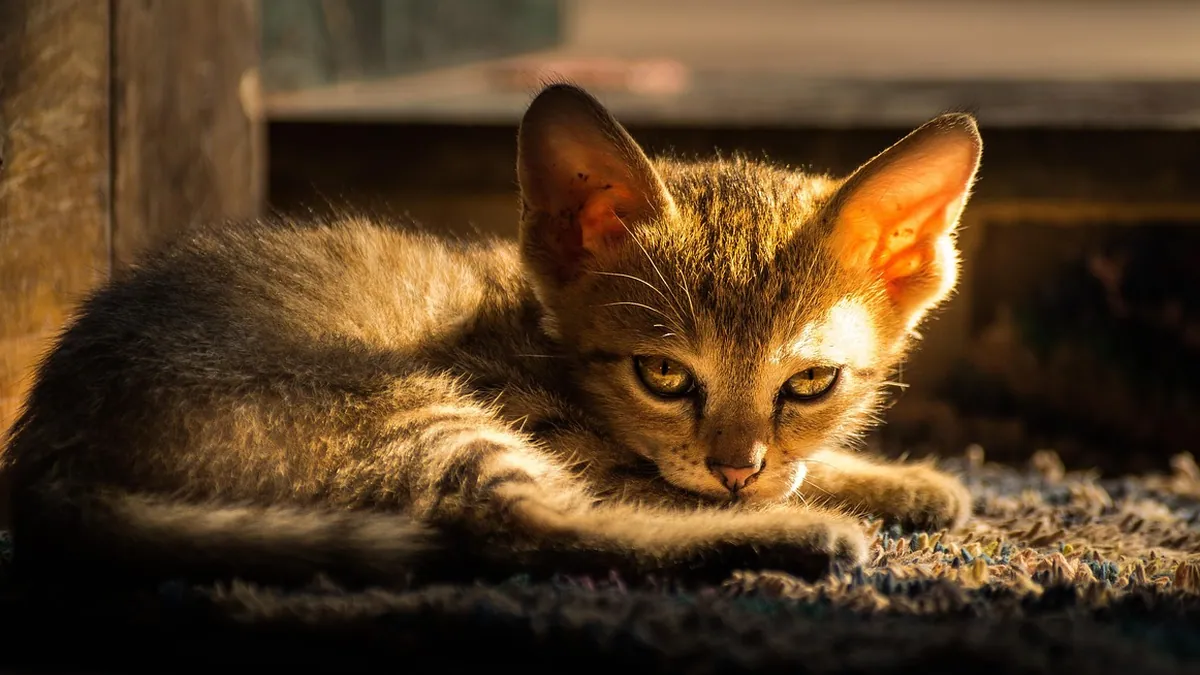
A kitten not cleaning itself is often normal in the first weeks of life, because very young kittens rely on their mother for grooming and learn the skill gradually. Once a kitten is older than about 8 weeks, poor grooming is more likely to mean something is wrong, such as illness, pain, obesity, or stress. Your job is to figure out which one you are seeing and how fast to act.
This article is educational and is not a substitute for veterinary diagnosis or treatment.
Quick Answer
- Kittens under 4 to 5 weeks old usually cannot groom themselves well. Their mother does most of the work, and orphans need help from you.
- A kitten that stops grooming suddenly, or that has a dirty bottom, matted coat, or greasy fur, needs a veterinary check.
- Common medical causes include diarrhea, parasites, dental pain, arthritis, and upper respiratory infections that block the sense of smell.
- Stress and a poor environment matter too. A dirty litter box, a new pet, or a forced handling style can all reduce grooming.
- Never punish a kitten for a dirty coat. Clean the area gently and get the underlying problem checked.
Why a Kitten May Not Clean Itself
Normal reasons in very young kittens
Grooming is a learned behavior. Newborn kittens depend on their mother for warmth, feeding, and cleaning, and they pick up grooming skills as they grow. Orphaned kittens raised without a mother often lag behind, because no adult cat is there to model the behavior and clean them.
Kittens also have immature immune systems, and their health depends heavily on what they receive from their mother and their environment in the first weeks of life [1]. A kitten that is still nursing and still developing may simply not have the motor control or the energy to groom thoroughly.
Clumsiness and short attention spans
Some kittens start grooming and then stop halfway. They lick one paw, get distracted, and wander off. This is common in playful, high-energy kittens and usually improves with age. If the coat stays clean overall and the bottom is tidy, this is not a medical problem.
Obesity and body shape
A kitten that gains weight quickly may not be able to reach its rear end. This is more common in adult cats, but it can start early in kittens that are overfed or fed a high-calorie diet without enough activity. If your kitten cannot reach its back end, it may need help and a weight plan from your vet.
Stress and anxiety
Cats are sensitive to changes in their home. A new baby, a move, a new pet, or a change in routine can all reduce grooming. Research on owner-cat interactions shows that forced handling raises cortisol, a stress hormone, while passive, gentle interactions can lower it and raise oxytocin, a bonding hormone [2]. A kitten that is grabbed, held down, or handled roughly may groom less.
Medical Causes to Rule Out
Diarrhea and gastrointestinal disease
A kitten with loose stool often has a dirty bottom no matter how hard it tries to clean. Gastrointestinal problems are a leading cause of illness in young kittens, and infectious causes are common across all age groups [3]. Diarrhea can come from parasites, diet changes, bacterial infections, or viral disease. A kitten with ongoing diarrhea needs a vet visit, not just more bathing.
Parasites
Fleas, ear mites, and intestinal worms are common in kittens. Fleas cause itching and skin irritation, which can make a kitten overgroom in some areas and neglect others. Intestinal parasites can cause diarrhea and poor coat condition. Your vet can check a stool sample and recommend safe parasite control for your kitten's age and weight.
Dental pain and oral disease
Kittens teethe, and some develop painful mouth conditions. A kitten with a sore mouth may stop grooming because licking hurts. Chronic gingivostomatitis, a severe inflammatory mouth disease, causes pain and reduces grooming behavior, and treatment can improve grooming along with other signs [4]. If your kitten drools, has bad breath, or eats slowly, have the mouth examined.
Upper respiratory infection
A stuffed nose makes grooming hard. Cats rely on smell to decide what to clean, and a kitten that cannot smell well may lose interest. Sneezing, eye discharge, and nasal congestion point to a respiratory infection. These infections are common in young kittens and can be serious in a kitten that is not eating well.
Pain, injury, or arthritis
Any source of pain can reduce grooming. A kitten with a broken leg, a bite wound, or a sore back will avoid the movements grooming requires. Older cats with arthritis often stop grooming their rear end first, because reaching that area is the hardest.
Neurologic problems
Rarely, a kitten has a neurologic condition that affects coordination or sensation. These kittens may also have trouble walking, eating, or using the litter box. Congenital malformations were found in a large share of kittens in one study of kitten mortality, so birth defects are a real possibility in a kitten with multiple problems [3].
When Poor Grooming Becomes a Problem
Poor grooming is a problem when it is new, when it is getting worse, or when it comes with other signs. Watch for these patterns.
- A kitten older than 8 weeks that never cleans its bottom
- A coat that stays greasy, matted, or dirty despite your help
- A dirty bottom that returns within a day of cleaning
- Weight loss, poor appetite, or low energy
- Diarrhea, vomiting, sneezing, or eye discharge
- Hiding, aggression, or a sudden change in personality
If you see a kitten not cleaning its bum properly along with any of these signs, treat it as a medical clue. A cat not cleaning its bum properly is often the first visible sign of diarrhea or pain, and it is easy to miss if you are not checking daily.
What to Do: Step by Step
Step 1: Check the basics
Look at the litter box, the food, and the water. A dirty box, a sudden diet change, or a lack of fresh water can all affect how a kitten feels. Make sure the box is scooped daily and that you have at least one box per cat plus one extra.
Step 2: Help with gentle cleaning
Use a warm, damp washcloth or a pet-safe wipe to clean the bottom and any soiled fur. Wipe away from the body, and use a fresh area of cloth for each pass. Dry the area well. For a kitten with diarrhea, a thin layer of a pet-safe barrier ointment can protect the skin, but ask your vet which product is safe for your kitten's age.
Step 3: Support grooming with routine
Brush your kitten gently with a soft brush. This removes loose hair and spreads natural oils, and it teaches your kitten that handling is safe. Keep sessions short, and stop before your kitten gets restless. Passive, calm contact is better than forced restraint, which raises stress hormones [2].
Step 4: Add enrichment
Boredom and stress reduce grooming. Offer safe toys, climbing spots, and short play sessions. Puzzle feeders and food-dispensing toys give kittens something to do. A predictable routine helps a kitten feel secure.
Step 5: Keep the environment calm
Give your kitten a quiet place to rest away from dogs, children, and loud noise. Use pheromone products only if your vet recommends them. If a new pet or a move triggered the change, give your kitten time and space to adjust.
Step 6: Track what you see
Write down when the grooming problem started, how often the bottom is dirty, what the stool looks like, and whether your kitten is eating and playing normally. This record helps your vet narrow down the cause quickly.
Step 7: Follow preventive care
Kittens should be vaccinated on a regular schedule, starting at 2 to 3 months old, and kept away from unvaccinated cats until the full series is complete [5]. Good hygiene in the home also lowers the risk of infections that can affect grooming and overall health [3].
What Not to Do
Do not punish your kitten
Punishment does not teach grooming. It increases fear and stress, which can make the problem worse. A kitten that is scolded for a dirty bottom may start hiding or avoiding you.
Do not assume it is laziness
A kitten that stops grooming is usually not being lazy. It is more often sick, sore, or stressed. Treat the behavior as information, not as a bad habit.
Do not use human shampoos or harsh products
Human shampoos can dry out a kitten's skin and coat. Use only products labeled for kittens, and follow the label. If the skin is red, broken, or oozing, skip the bath and call your vet.
Do not skip the vet because the kitten seems fine
Kittens hide illness well. A kitten that is still playing may still have diarrhea, parasites, or a mouth problem. Early treatment is easier and safer than waiting.
Do not rely on internet myths
There is no home remedy that replaces a diagnosis. If you are worried about a kitten not cleaning itself, a veterinary exam is the fastest way to get answers. If you notice other litter box changes, see Cat Not Using Litter Box and Cat Not Pooping but Eating Normally: Causes and When to Help for related guidance.
When to Involve a Veterinarian or Behavior Professional
Call your veterinarian if the grooming problem lasts more than a few days, if the bottom stays dirty after cleaning, or if your kitten has diarrhea, vomiting, weight loss, or low energy. A kitten with a dirty bottom and loose stool may need a stool test, deworming, or a diet change.
Ask for a behavior referral if your vet finds no medical cause and the problem continues. A certified behavior professional can help with stress, fear, and handling issues. If your kitten is hiding or avoiding the litter box, see Why Is My Cat Suddenly Hiding and Not Using the Litter Box?. If grooming turns into overgrooming, see Why Is My Cat Licking Herself Bald? Causes and Treatment.
Limitations and When to Contact a Veterinarian
This article gives general information only. Individual cases need a veterinarian who can examine your kitten, ask about the history, and run tests if needed.
Contact a veterinarian the same day if your kitten has a dirty bottom with diarrhea, is not eating, is vomiting, or seems painful when touched. Go to an emergency clinic now if your kitten is limp, unresponsive, breathing hard, having seizures, or cannot stand. Call a routine visit if the grooming problem is mild but has lasted more than a few days, or if you are unsure whether the behavior is normal.
For poison emergencies in the United States, call the ASPCA Animal Poison Control Center at (888) 426-4435 or the Pet Poison Helpline at (855) 764-7661. These lines may charge a consultation fee.
Frequently Asked Questions
How long does it take for a kitten to learn to clean itself?
Most kittens start grooming themselves by 4 to 5 weeks and get better over the next month. By 8 to 10 weeks, a healthy kitten should keep its coat and bottom reasonably clean. If your kitten is older than 8 weeks and still not cleaning its bottom, have it checked.
Is it normal for a kitten to have a dirty bottom?
A dirty bottom is common in very young kittens and in kittens with diarrhea. It is not normal for an older kitten or adult cat to stay dirty after grooming. A dirty bottom that keeps coming back points to a medical or diet problem.
Can stress stop a kitten from grooming?
Yes. Stress from a move, a new pet, loud noise, or rough handling can reduce grooming. Gentle, passive contact helps lower stress hormones, while forced handling raises them [2]. Give your kitten a quiet space and a predictable routine.
Should I bathe my kitten if it is not cleaning itself?
Bathe only if your vet says it is safe, and use a kitten-safe shampoo. For most dirty bottoms, a warm damp cloth is enough. Bathing too often can dry the skin and coat, and it does not fix the underlying cause.
When should I worry about a kitten not cleaning itself?
Worry when the behavior is new, getting worse, or paired with other signs like diarrhea, vomiting, weight loss, sneezing, or hiding. A kitten with a painful mouth or a respiratory infection may stop grooming [4]. Call your vet instead of waiting to see if it improves on its own.
Related Articles
- Cat Not Using Litter Box
- Cat Not Pooping but Eating Normally: Causes and When to Help
- Why Is My Cat Suddenly Hiding and Not Using the Litter Box?
- Why Is My Cat Licking Herself Bald? Causes and Treatment
- Cat Scratching But No Fleas: Possible Causes and Next Steps
- Cat Not Using Litter Box After Moving: How to Help
- Cat Not Grooming: Why It Happens and What to Do
- Kitten Not Growing or Thriving: Causes and What to Do
- Sick Kitten Not Eating or Drinking: Causes and Urgency
References
- Neonatal Gut Microbiota in Puppies and Kittens: From Maternal Transmission to Immune Development. Animals : an open access journal from MDPI, 2026.
- EXPRESS: The hormonal effects of owner-cat interactions on pet cats of different potential attachment styles. Journal of feline medicine and surgery, 2026.
- Mortality in Stray Kittens under Eight Weeks Old: Focusing on Congenital Malformations. Veterinary sciences, 2024.
- Combination Therapeutic Effect of Antibacterial and Antiviral Agents on Feline Chronic Gingivostomatitis Nonbounded to Prior Tooth Extraction Confirmed by Physical Signs and Clinical Biomarkers. Veterinary sciences, 2026.
- Kitten Care - Cat Owners. Merck Veterinary Manual.