Is It Safe for Dogs to Lick Your Face?
By Dr. Zubair Khalid, DVM, MS, PhD ·
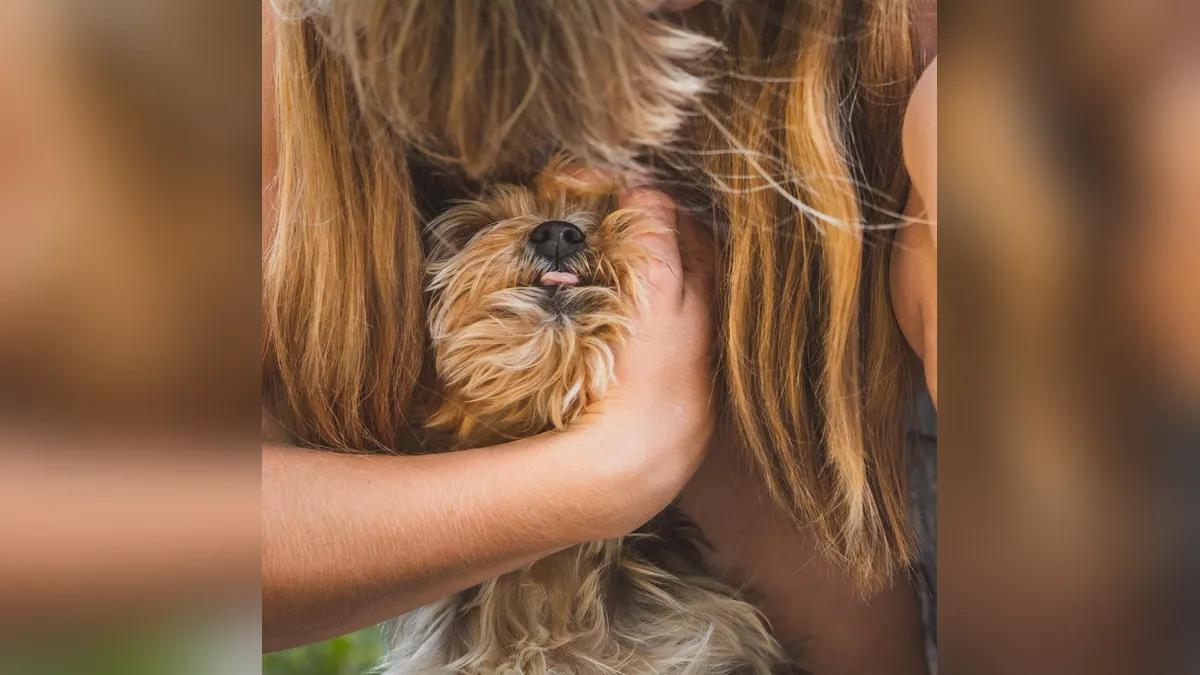
Is it safe for dogs to lick your face? For most healthy adults, an occasional lick is low risk and usually just affection. The bigger concerns are bacteria and parasites in dog saliva, plus the chance of passing germs to people who are very young, very old, or have a weakened immune system. This article is educational and is not a substitute for veterinary diagnosis or treatment.
Quick Answer
- A quick lick on intact skin is generally low risk for healthy adults, but dog saliva can carry zoonotic bacteria and parasites [1][2].
- Keep dog tongues away from your mouth, eyes, nose, and any open cuts or broken skin.
- People who are immunocompromised, pregnant, very young, or elderly should avoid face licking.
- Sudden or excessive face licking can be a sign of nausea, dental pain, allergies, or anxiety, so a vet check is reasonable.
- Wash your face and hands with soap and water after contact, and keep up with your dog's deworming and dental care.
Why Does My Dog Lick My Face?
Face licking is normal dog behavior, and most of the time it means nothing more than "I like you." Puppies lick their mother's muzzle, and adult dogs often lick the faces of people they are bonded to. It can be a greeting, an appeasement signal, or a request for attention.
Research on human-animal interaction shows that spending time with a dog is linked to higher positive mood and lower negative mood in owners [3]. Face licking is often part of that closeness. Your dog may also lick you because your skin tastes salty from sweat, because you just ate, or because licking has worked before and earned attention or treats.
Licking can also be self-soothing. Dogs lick their own paws, lips, and objects when they are bored, stressed, or uncomfortable. If your dog has started licking your face much more than usual, think about what changed: a new schedule, a new person in the house, less exercise, or a recent illness. For a broader look at this behavior, see Why Is My Dog Licking Everything?.
Medical Causes to Rule Out
Sometimes licking is not affection at all. It can be a sign that your dog does not feel well.
Nausea and stomach upset are common reasons dogs lick lips, faces, and surfaces. Dental disease, oral pain, and foreign objects stuck in the mouth can also trigger licking. Allergies and skin irritation may make a dog lick more, including licking you. If the licking is paired with paw licking, check Dog Licking Paws Uncontrollably.
Pain anywhere in the body can increase licking and restlessness. Anxiety and compulsive disorders can also cause repetitive licking that is hard to interrupt. In some cases, hormonal or reproductive conditions matter too. One study found that bitches with pseudopregnancy had higher levels of several inflammatory cytokines in their milk compared with healthy lactating bitches and those with subclinical mastitis, which suggests the condition involves a real localized inflammatory response and should be managed, not dismissed [4].
Your veterinarian will decide what testing is needed. There is no single test for "licking," so the workup depends on your dog's history, physical exam, and other signs like vomiting, diarrhea, weight loss, bad breath, or behavior changes.
Is It Safe for Dogs to Lick Your Face? The Real Risks
The main risk is not the lick itself. It is what is in the saliva and what the saliva touches.
Dog mouths carry a normal mix of bacteria. One of them, Capnocytophaga canimorsus, is a common mouth organism in dogs and cats, and it can cause serious and sometimes fatal systemic infections in people, usually after contact with saliva [1]. Severe cases are rare and are seen most often after bites or in people with weakened immune systems, but the organism is the reason open wounds and mucous membranes deserve caution.
Parasites are another concern. Hookworms are zoonotic worms that cause intestinal disease in pets and people, and in people they can also cause cutaneous larva migrans, a skin infection from larvae penetrating the skin [5]. A meta-analysis of canine hookworm data from Ecuador found a pooled prevalence of about 32%, with wide variation by region [5]. That number is specific to that country and those studies, so it does not describe your dog or your area, but it shows how common these worms can be in dog populations.
Dogs are also frequently cited as a host for zoonotic pathogens. A bibliometric review found that domestic dogs appear in at least 10% of publications for nearly a quarter of pathogens recognized as zoonotic to humans, and that pet dogs pose greater risk for direct transmission through bites, close contact, and antimicrobial-resistant bacteria [2]. That does not mean every lick is dangerous. It means close contact has real, if usually small, infectious disease considerations.
The practical takeaway: intact skin is a good barrier. Your mouth, eyes, nose, and any cut, scrape, or rash are not.
When Face Licking Becomes a Problem
Face licking crosses from normal to problematic in a few situations.
It becomes a health concern when it happens on broken skin, near your mucous membranes, or when the person being licked has a weakened immune system. It becomes a behavior concern when it is constant, hard to interrupt, directed at everyone, or paired with pacing, panting, lip smacking, or other signs of distress. It also becomes a problem when it interferes with sleep, work, or your ability to have guests over.
Some owners simply do not want a tongue on their face, and that is a valid reason to change the behavior. You do not need a medical excuse to set a boundary.
What to Do: Step by Step
1. Rule out medical causes first
If the licking is new, intense, or comes with other symptoms, book a veterinary visit before starting a training plan. Your veterinarian can check the mouth, teeth, gums, abdomen, and skin, and decide whether bloodwork or other testing is needed. If your dog shows signs of pain or nausea, that comes first.
2. Teach an incompatible behavior
The easiest way to stop face licking is to give your dog something else to do. Teach a solid "sit" or "go to mat" cue. When your dog approaches your face, ask for the behavior, then reward with a treat or praise away from your face. Reward four paws on the floor. If your dog licks, calmly turn your head, stand up, or step away for a few seconds. Attention is the reward, so removing it teaches the lesson.
3. Manage the environment
Keep your face out of reach when you cannot train. Do not lie on the floor at your dog's face level during excited greetings. Use a baby gate or a leash at the door if your dog mobs guests. Give your dog a chew toy or food puzzle at the times of day when licking tends to happen.
4. Add enrichment and exercise
Boredom and stress drive a lot of licking. Daily walks, sniffing time, training games, and food puzzles give your dog an outlet. If your dog licks your face mostly in the evening, a chew or puzzle right before that time can redirect the behavior.
5. Protect yourself
Wash your face and hands with soap and water after contact. Keep your dog's nails trimmed, and cover any cuts on your face or hands. Keep up with monthly parasite prevention and regular deworming as directed by your veterinarian, and ask about dental care. Brushing your dog's teeth lowers oral bacteria and improves breath, and a step-by-step guide is here: How To Brush a Dog's Teeth Safely.
6. Track the pattern
Write down when the licking happens, what happens right before, and what you do in response. Patterns show up fast. If licking clusters around meals, it may be nausea. If it clusters around departures or strangers, it may be anxiety. Bring your notes to the vet visit or to a behavior consultation.
What Not to Do
Do not punish your dog for licking. Yelling, hitting, or scruffing can increase anxiety and make the behavior worse. It can also damage your relationship and make your dog harder to handle at the vet.
Do not believe the myth that a dog's mouth is cleaner than a human's. Dog mouths carry their own bacteria, including organisms that can infect people [1].
Do not assume a lick is always affection. If the behavior is new or obsessive, it may be a symptom.
Do not use human toothpaste, human mouthwash, or human antibiotics on your dog. Your veterinarian calculates any medication dose from your pet's weight and health.
Do not rely on home remedies for parasites. Hookworms and other worms need species-appropriate treatment chosen by your veterinarian [5].
When to Involve a Veterinarian or Behavior Professional
Call your veterinarian if the licking is sudden, constant, or getting worse. Also call if your dog is licking you and also licking lips, swallowing hard, vomiting, drooling, or refusing food. These can point to nausea, dental pain, or another medical problem.
Ask for a referral to a board-certified veterinary behaviorist or a certified applied animal behaviorist if the licking continues after medical causes are ruled out, if your dog cannot settle, or if the behavior is affecting your household. A behavior professional can build a plan that fits your dog and your daily routine.
Limitations and When to Contact a Veterinarian
This article covers general information, not your dog's specific case. Individual cases need a veterinarian who can examine your dog and review the full history.
Contact your veterinarian the same day if your dog licks a person's open wound, if a person with a weakened immune system was licked on the face or mouth, or if your dog shows new signs of pain, nausea, or dental disease.
Go to an emergency veterinary hospital now if your dog has a swollen face or jaw, cannot close the mouth, has trouble breathing, has repeated vomiting, or collapses. For human exposure concerns, including bites that break the skin, contact a human medical provider right away, since Capnocytophaga infections can become severe [1].
Schedule a routine visit if the licking is mild but ongoing, if you want help with parasite prevention, or if you want a dental check. If your dog's eyes are irritated from licking or discharge, see How to Safely Clean Your Dog's Eyes at Home.
Frequently Asked Questions
Is it OK for dogs to lick your face?
It is usually OK for healthy adults when the skin is intact, but it is not risk free. Dog saliva can carry bacteria such as Capnocytophaga canimorsus and parasites such as hookworms, so keep licks away from your mouth, eyes, nose, and any cuts [5][1]. People with weakened immune systems should avoid face licking.
When do dogs lick your face?
Dogs lick faces most often during greetings, when they want attention, when they are excited, or when they are seeking comfort. Some dogs lick more around meals or when they feel nauseated, and some lick as a self-soothing habit when bored or stressed. The timing and context tell you a lot about the reason.
Why does my dog lick my face so much?
A sudden increase in face licking often points to a medical or emotional trigger, such as nausea, dental pain, allergies, or anxiety. It can also be a learned behavior that gets rewarded with attention every time. If the change is recent or intense, have your veterinarian check for underlying causes first.
Can I get sick from my dog licking my face?
Serious illness from a lick is uncommon, but it can happen, especially in people with weakened immune systems. Capnocytophaga canimorsus infections are usually linked to saliva contact and can be severe [1]. Hookworms from dogs can also infect people and cause skin or intestinal disease [5]. Good handwashing and parasite prevention lower the risk.
Should I stop my dog from licking my face?
You can allow it if everyone involved is healthy and you are comfortable with it, but you are also allowed to set a boundary. If you want to stop it, teach an alternative behavior like sit or go to mat, reward paws on the floor, and calmly withdraw attention when licking happens. If the licking is compulsive or comes with other symptoms, talk to your veterinarian.
Related Articles
- Why Is My Dog Licking Everything?
- Dog Licking Paws Uk
- How To Brush a Dog's Teeth Safely
- How to Safely Clean Your Dog's Eyes at Home
- Dog Licking Paws Uncontrollably
- Dog Licking Paws Help
- Are Dog Licks Kisses? What Licking Really Means
- Are Dog Mouths Clean? The Truth About Dog Saliva
- Should Dogs Lick Their Wounds? What Vets Say
References
- Capnocytophaga canimorsus in the oral cavity of dogs and cats. Klinicka mikrobiologie a infekcni lekarstvi, 2025.
- Pet and Stray Dogs' Contribution to Zoonotic Transmission Pathways: A Bibliometric Review. Transboundary and emerging diseases, 2025.
- Human-animal interaction: understanding the role of dog and cat interactions in emotional wellbeing. Frontiers in psychology, 2026.
- Serum, milk and saliva cytokines in canine pseudopregnancy. A pilot study. Research in veterinary science, 2026.
- High Prevalence and Regional Heterogeneity of Canine Ancylostoma spp. in Ecuador: A Systematic Review and Meta-Analysis and Its Potential One Health Implications. Animals : an open access journal from MDPI, 2026.