Are Dog Licks Kisses? What Licking Really Means
By Dr. Zubair Khalid, DVM, MS, PhD ·
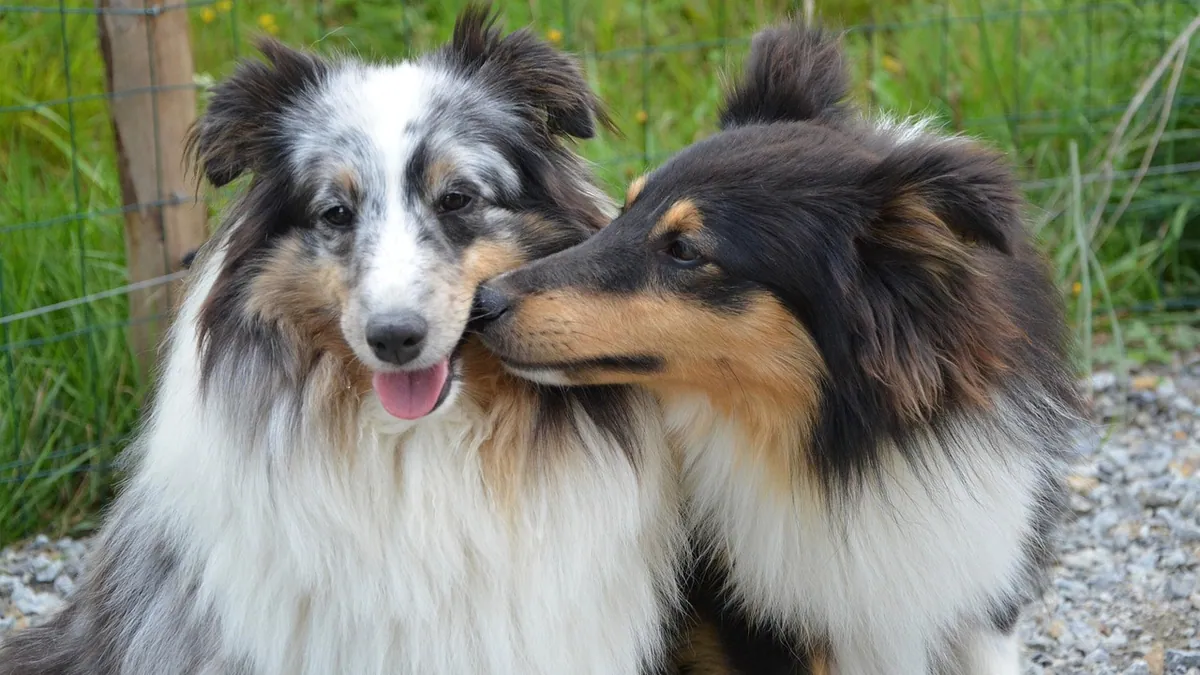
Are dogs kissing you when they lick? Sometimes, yes. A gentle lick on your hand or face can be a social, affectionate gesture, but licking also serves many other purposes, from grooming and tasting to soothing an itch or easing stress. This article is educational and is not a substitute for veterinary diagnosis or treatment.
Quick Answer
- Licking is a normal dog behavior with many functions. Affection is one of them, but it is not the only one.
- A soft, brief lick during calm contact (petting, greeting, cuddling) is the pattern most likely to reflect social bonding.
- Constant licking of one spot, a paw, a leg, or a surface is different. It can signal itch, pain, infection, or a compulsive behavior that needs veterinary attention [1].
- Dog saliva carries bacteria. For most healthy adults, a lick on intact skin is low risk, but you should keep dogs away from open wounds, eyes, and the mouths of infants.
- If licking is excessive, directed at one body area, or paired with hair loss, redness, limping, or behavior changes, schedule a veterinary visit.
Why Do Dogs Lick? Normal Reasons First
Licking starts early. Puppies are licked by their mothers for cleaning and stimulation, and they lick back during nursing and social contact. That early link between licking and care helps explain why the behavior carries social meaning for dogs throughout life.
Social bonding and appeasement
Dogs use licking as a friendly, non-threatening signal. A dog may lick another dog's muzzle or mouth as a way to say "I mean no harm." With people, the same gesture often appears during greetings, when you come home, or when your dog leans in for contact. This is the behavior owners usually mean when they ask if dog licking is a sign of affection. In many cases, it is a reasonable interpretation.
Taste, texture, and exploration
Your skin is salty. Lotion, food residue, and sweat all make human skin interesting to a dog's nose and tongue. Some licking is simple curiosity or a reward-seeking habit that got reinforced because it felt good or got a reaction.
Self-care and grooming
Dogs lick themselves to clean their coats and to remove debris. Mild, occasional licking of the paws or flank after a walk or a meal is usually normal grooming.
Communication and stress relief
Licking can be a displacement behavior, meaning a dog does it when mildly conflicted, excited, or stressed. Some dogs lick their lips or the air when they are anxious. Licking also appears to release calming neurochemicals, which is one reason it can become repetitive. Research on dog salivary oxytocin and vasopressin, hormones tied to social and maternal behavior, is still developing, and measurement methods vary widely between studies [2]. What is clear is that licking sits inside the dog's social and emotional system, not outside it.
Attention and learned behavior
If licking your hand once earned a laugh, a pet, or a treat, your dog learned that licking works. This is normal learning, and it is one of the easiest patterns to reshape with training.
Medical Causes to Rule Out
When licking becomes focused, intense, or constant, think medical before behavioral. A dog does not lick a sore leg for no reason.
Skin disease and allergies
Allergic skin disease (atopic dermatitis, food allergy, flea allergy), fungal or bacterial infections, and parasites such as demodectic mange can all drive licking. The itch-lick cycle is self-reinforcing: licking damages skin, damaged skin itches more, and the dog licks more [1].
Acral lick dermatitis
Acral lick dermatitis is a common and frustrating condition. It causes incessant licking that produces raised, thickened, ulcerative plaques, most often on the lower legs [1]. Underlying triggers include allergies, orthopedic or neurologic disease, parasites, infections, and tumors, and secondary infections keep the cycle going [1]. This condition rarely resolves without veterinary treatment.
Pain and orthopedic problems
Arthritis, a torn ligament, a cracked nail, or a foreign object between the toes can all cause a dog to lick one area repeatedly. Licking is a common pain signal in dogs, and it is easy to miss until the skin changes.
Gastrointestinal upset
Nausea and reflux can cause lip licking, air licking, and licking of floors or furniture. If your dog licks the floor or carpet more than usual and also drools, eats grass, or seems off their food, a veterinary exam is reasonable.
Compulsive behavior
Some dogs develop compulsive licking that continues even after medical causes are treated. This can be tied to anxiety, confinement, or a barren environment. Treatment usually combines behavior modification with medication when needed [1].
If your dog is licking paws or legs specifically, see Dog Licking Paws Meaning and Dog Licking Paws. If the licking seems to target everything in sight, Why Is My Dog Licking Everything? covers the broader picture.
When Licking Becomes a Problem
Licking is a problem when it harms your dog, harms you, or disrupts daily life. Watch for these patterns.
- One spot, over and over. A hot spot, a thickened plaque, or a bald patch means the licking is damaging tissue [1].
- Licking that continues when you interrupt it. Normal grooming stops. Compulsive licking restarts within seconds.
- Licking paired with other signs. Limping, head shaking, scratching, chewing, weight loss, or appetite changes point to an underlying condition.
- Licking that interferes with sleep, eating, or exercise.
- Licking that breaks your skin or causes irritation on you.
Any of these patterns deserves a veterinary visit. Behavior alone is rarely the whole story.
What to Do: Step by Step
Step 1: Get a veterinary exam first
Book an appointment and describe exactly what you see: which body part, how often, how long, and what else has changed. Your veterinarian will examine the skin, check for infection and parasites, assess the joints and nerves, and ask about diet, flea control, and home environment. Acral lick dermatitis, for example, requires identifying and treating the primary disease plus any secondary infection [1]. No amount of training fixes an infected, itchy leg.
Step 2: Track the behavior
Keep a simple log for one to two weeks. Note the time of day, what your dog was doing, where the licking happened, and how long it lasted. Patterns often point to a trigger, such as a specific food, a walk route, alone time, or evening rest.
Step 3: Redirect, do not scold
When your dog licks you and you want it to stop, stand up, turn away, and remove attention for a few seconds. Then reward calm behavior with praise or a toy. If your dog licks a body part, offer a short training session, a chew, or a walk. Redirecting gives your dog something else to do.
Step 4: Add enrichment and exercise
Boredom and stress fuel repetitive licking. Increase daily exercise appropriate for your dog's age and health. Add food puzzles, sniff walks, chew toys, and short training sessions. Rotate toys so they stay interesting. Dogs that have a job to do lick less out of boredom.
Step 5: Manage the environment
Keep allergens and irritants low. Wash bedding often, vacuum floors, and follow your veterinarian's flea and parasite prevention plan. If your dog licks furniture or floors, check whether food, cleaners, or medications could be the target. Some dogs lick surfaces because of nausea, so mention it to your vet.
Step 6: Use barriers and covers only as directed
An Elizabethan collar, a soft cone, or a medical wrap can stop a dog from reaching a healing area. These are short-term tools, not solutions. Use them only under veterinary guidance, and never leave a bandage on a limb without instructions, because a tight or wet wrap can cause serious harm.
Step 7: Consider behavior support
If medical causes are treated and licking continues, ask about a referral to a veterinarian who specializes in behavior. Treatment for compulsive licking can include behavior modification and psychopharmacologic medication, and it works best when combined with treatment of any underlying disease [1].
What Not to Do
Do not punish licking. Yelling, tapping the nose, or using a spray bottle adds stress. Stress makes repetitive licking worse, and it damages your relationship with your dog.
Do not assume it is "just affection." A dog who licks one leg for hours is not expressing love. That dog needs an exam [1].
Do not rely on home remedies for skin lesions. Human creams, oils, and wraps can worsen the problem or hide it from your veterinarian.
Do not believe the myth that dog mouths are cleaner than human mouths. Dog saliva contains bacteria, and a lick can transfer them to you.
Do not let your dog lick your face, eyes, mouth, or open wounds. This is a simple hygiene rule, not a judgment about your dog.
Do not stop prescribed medication early. Skin and behavior treatments often take weeks. Stopping early lets the problem return.
Is It Safe for Dogs to Lick You?
For most healthy people, a lick on intact skin is low risk. The bigger concerns are open wounds, mucous membranes, and people with weakened immune systems. Dog saliva can carry bacteria such as Pasteurella and Capnocytophaga, and rare but serious infections have been reported after dog contact with broken skin.
Simple habits lower the risk:
- Wash your hands after contact, especially before eating.
- Keep dogs away from your face, eyes, mouth, and any cut or rash.
- Teach children not to let dogs lick their faces or hands near their mouths.
- Keep your dog's vaccinations, dental care, and parasite prevention current.
- If you are pregnant, immunocompromised, or have a chronic illness, ask your physician about specific precautions.
If a dog licks an open wound and the area becomes red, swollen, warm, or painful, contact a physician promptly.
Do Dogs Like When You Kiss Them?
This depends on the dog. Some dogs lean in, wag, and stay close when you kiss them. Others turn away, lick their lips, yawn, or stiffen. Those are signs of discomfort, not affection. Watch your dog's body language and let your dog choose. A chin scratch or a calm presence often means more to a dog than a kiss on the head.
When to Involve a Veterinarian or Behavior Professional
Call your veterinarian if licking is new, focused on one area, or lasting more than a few days. Call sooner if you see redness, swelling, hair loss, an open sore, limping, or a bad smell. If your dog has been treated for a skin or medical cause and the licking continues, ask for a referral to a board-certified veterinary behaviorist or a certified applied animal behaviorist. These professionals can build a plan that combines medical care with behavior change [1].
Limitations and When to Contact a Veterinarian
This article covers general patterns, not your dog's specific case. Every dog needs an individual veterinary assessment, because licking that looks behavioral can be caused by pain, infection, or another medical condition [1].
Contact a veterinarian the same day if your dog:
- Has a new open sore, hot spot, or bleeding area from licking
- Is limping, holding up a leg, or crying when the area is touched
- Has sudden intense licking with vomiting, diarrhea, or refusal to eat
- Has facial swelling, hives, or trouble breathing (this is an emergency, go now)
Schedule a routine visit soon if your dog:
- Licks one body part daily for more than a few days
- Has hair loss, thickened skin, or darkening of the skin from licking
- Licks floors, walls, or the air repeatedly
- Has licking that interrupts sleep or normal activity
- Has been treated but is not improving
If you are unsure whether a behavior is medical or behavioral, start with your veterinarian. That visit is the fastest route to the right answer.
Frequently Asked Questions
Is dog licking a sign of affection?
Often, yes. A soft lick during calm, close contact is a social gesture that fits with how dogs communicate with each other and with people. That said, licking has many functions, so context matters more than the lick itself.
Are dog licks kisses?
Not in the human sense. Dogs do not pucker or kiss the way people do, but a gentle lick can carry the same social meaning: closeness, greeting, and bonding. Think of it as a dog-style hello, not a human-style kiss.
Do dogs like when you kiss them?
Some do, and some tolerate it. Watch for relaxed ears, a soft body, and staying close. If your dog pulls away, licks their lips, or yawns, they are telling you they would rather not.
Is it safe for dogs to lick you?
A lick on healthy, intact skin is usually low risk for healthy adults. Avoid contact with your face, eyes, mouth, and any open wound, and wash your hands afterward. People with weakened immune systems should ask their doctor about precautions.
Why does my dog lick me constantly?
Constant licking can be attention-seeking, stress-related, or a sign of nausea or another medical issue. If the behavior is new, intense, or paired with other changes, have your dog examined. If medical causes are ruled out, a behavior professional can help.
Can licking be a sign of pain?
Yes. Dogs often lick an area that hurts, including joints, paws, and the abdomen. If licking is focused on one spot and your dog also limps, moves stiffly, or seems uncomfortable, see your veterinarian.
Related Articles
- Dog Licking Paws Meaning
- Why Is My Dog Licking Everything?
- Dog Licking Paws
- Dog Licking On Paws
- Dog Licking Paws Uk
- Dogs Lick Paws A Lot
- Is It Safe for Dogs to Lick Your Face?
- Are Dog Mouths Clean? The Truth About Dog Saliva
- How Do Dogs Show Affection? Real Signs of Love
References
- Diagnosis and Treatment of Canine Acral Lick Dermatitis. The Veterinary clinics of North America. Small animal practice, 2019.
- A Scoping Review on Salivary Oxytocin and Vasopressin Measurement in the Dog. Animals : an open access journal from MDPI, 2025.