How Do Cats Mark Their Territory? Normal vs Problem
By Dr. Zubair Khalid, DVM, MS, PhD ·
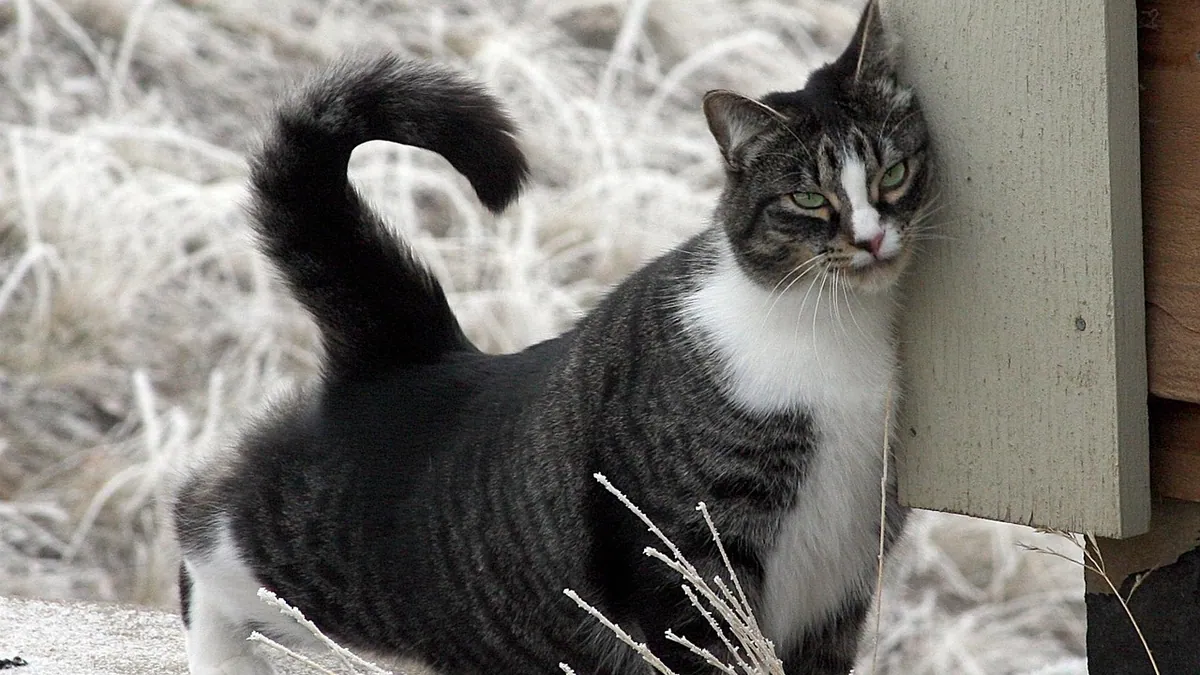
Cats mark their territory to leave scent messages that tell other cats who was there, when, and whether they are available to mate. Most marking is normal communication, but some cats spray indoors when they feel stressed or threatened. This article explains how do cats mark their territory, how to tell normal scent marking from a problem, and what steps actually help.
This article is educational and is not a substitute for veterinary diagnosis or treatment.
Quick Answer
- Normal marking includes rubbing the face and body on objects, scratching, and leaving small amounts of urine on vertical surfaces.
- Urine marking is a communication problem, not a litter box problem, and about 30% of cats who eliminate outside the box are marking instead of avoiding the box [1].
- Roughly 10% of all cats will eliminate outside the litter box at some point in their lives [1].
- Intact males and females spray to signal mating availability, but neutered cats of both sexes can spray too [2].
- Punishment does not fix marking. It raises stress, and stress makes marking worse.
Why Cats Mark Their Territory
Cats are not as solitary as many people believe, but they also have no reliable way to settle face-to-face disputes. When two cats meet and neither backs down, the encounter can turn dangerous. To avoid that risk, cats communicate indirectly by leaving messages behind [1]. Marking is that message system.
Scent Rubbing and Bunting
Your cat rubs its cheeks, chin, and forehead on furniture, door frames, and sometimes you. These areas contain scent glands. The deposit is invisible to you but readable to other cats. This is one of the most common and least troublesome forms of marking.
Scratching
Scratching leaves both a visual mark and a scent mark from glands in the paws. It also stretches the muscles and sheds old claw layers. Scratching is normal cat behavior, and the problem is usually where the cat scratches, not that the cat scratches.
Urine Marking and Spraying
Urine spraying means urine deposited on a vertical surface while the cat stands, often with the tail quivering [2]. Marking urine is usually a smaller amount than a normal bladder emptying. Cats can also mark on horizontal surfaces, which makes the behavior harder to identify [2].
When Marking Peaks
Marking often increases when something changes in the home. A new cat, a new baby, a move, new furniture, or a neighborhood cat visible through a window can all trigger it. Intact cats mark more around mating cycles, and both males and females spray for this reason [2].
Do Kittens Mark Territory?
Kittens are not usually territorial markers in the adult sense. The basic feline social unit is the mother cat and her kittens, and weaning happens between 5 and 8 weeks [3]. In stable outdoor groups, kittens stay with their mother or her social group for the first 12 to 18 months of life [3]. Young cats are still learning social rules, so marking before social maturity is uncommon.
Medical Causes to Rule Out Before Assuming It Is Behavior
Any cat who starts urinating outside the box needs a veterinary exam first. This is especially true for sudden changes in a cat who has always used the box well.
Urinary and Kidney Disease
Bladder inflammation, urinary crystals, bladder stones, and kidney disease can all cause frequent, urgent, or painful urination. A cat with a bladder problem may urinate in new places because the box now hurts or because the urge is constant.
Diabetes and Thyroid Disease
These conditions increase urine volume. A cat who suddenly drinks and urinates more may be urinating outside the box because the box fills faster than usual, not because of territory.
Arthritis and Mobility Problems
An older cat with sore hips or knees may struggle to climb into a high-sided box. The cat is not being defiant. The box has become physically hard to use.
Pain and Stress
Pain anywhere in the body raises stress, and stress raises marking behavior. A full exam, urine testing, and blood work help your veterinarian separate medical causes from behavioral ones. If all possible medical causes have been excluded, a thorough history is needed to diagnose a behavior problem and build a treatment plan [4].
When Marking Becomes a Problem
Marking is a problem when it damages the bond between you and your cat, when it happens often, or when it targets your home instead of the outdoor world. Urine spraying is a normal feline behavior, but it is usually not acceptable when the cat targets household possessions [2].
Normal vs Problem: A Simple Comparison
| Behavior | Normal | Problem |
|---|---|---|
| Face and body rubbing | Yes, daily | Rarely a problem |
| Scratching furniture | Normal behavior, wrong target | Damage and conflict |
| Small urine marks outdoors | Yes | Not applicable indoors |
| Spraying on walls indoors | Possible but unwanted | Often stress driven |
| Large urine pools on floors or beds | Not typical marking | Could be medical or litter box related |
Signs the Behavior Is Stress Driven
Watch for spraying that starts after a household change, spraying near doors and windows, or spraying directed at items that smell like another cat or a new person. These patterns point to anxiety and territorial insecurity. Problem behaviors like urine marking and scratching can harm the cat's welfare and strain the human-animal bond [5].
Signs It Is a Litter Box Problem Instead
If your cat urinates on horizontal surfaces, uses the box sometimes, or avoids the box after you change litter, the issue may be the box itself. Cats prefer litter boxes measuring at least 50 cm and clumping clay litter, and a comfortable litter setup can improve house-soiling and reduce unhappy behavior during elimination [6]. House-soiling is the most common problem cat owners face and a leading reason cats are surrendered to shelters [6].
What to Do Step by Step
Step 1: Book a Veterinary Visit
Start here. Your veterinarian will examine your cat, test the urine, and run blood work as needed. Treatment for a medical cause is different from treatment for a behavioral one, and you cannot tell them apart at home.
Step 2: Fix the Litter Box Setup
Offer more than one box, in more than one location. Keep boxes uncovered and easy to reach. Scoop daily and wash regularly with unscented soap. Choose a large box and a litter your cat actually uses. A better litter environment promotes normal urination and reduces house-soiling [6].
Step 3: Clean Marked Spots Correctly
Use an enzymatic cleaner made for pet urine. Regular household cleaners may leave scent residue that invites repeat marking. Do not use ammonia-based products, since urine contains ammonia.
Step 4: Reduce Social Stress
If you have multiple cats, make sure each has its own resources: food, water, beds, perches, and boxes. Spread them out so no cat has to guard a hallway. Cats in groups do best when they can avoid each other when they want to [1]. If a cat is hiding more than usual, see Cat Hiding: When to Worry and When It's Normal Cat Behavior and Why Is My Cat Hiding?.
Step 5: Manage Outdoor Triggers
Block the view of neighborhood cats with frosted film or curtains. Use motion-activated sprinklers outside if strays visit your yard. A cat who sees a rival through the window may mark that window repeatedly.
Step 6: Add Enrichment
Play with your cat daily using a wand toy. Offer climbing shelves, scratching posts placed near furniture your cat already scratches, and food puzzles. A busy cat marks less. If your cat's behavior includes unusual oral habits, see Cat Licking Walls or Floors: Pica or Medical Issue?.
Step 7: Consider Pheromone Products
Synthetic feline pheromone diffusers are sometimes used as part of a behavior plan. In one study, a commercial feline pheromone complex was provided to half the participating households while problem behaviors were tracked [5]. Ask your veterinarian whether a pheromone product fits your situation.
Step 8: Neuter or Spay if Not Already Done
Altering a cat reduces mating-related spraying. If your cat is already neutered, this step does not apply, and the focus shifts to stress and environment.
What Not to Do
Do Not Punish Your Cat
Yelling, spraying water, or rubbing your cat's nose in urine does not teach the cat anything useful. Punishment raises fear and stress, and stress drives more marking. It also damages your cat's trust in you.
Do Not Assume It Is Spite
Cats do not mark out of revenge. They mark because their environment feels uncertain or because something in their body hurts.
Do Not Skip the Vet
Behavior and medical causes look identical at home. A cat who starts spraying at age 9 may have arthritis or kidney disease, not a new attitude problem.
Do Not Use Ammonia Cleaners
Ammonia smells like urine and can encourage your cat to mark the same spot again.
Do Not Lock the Cat Away
Isolation increases stress and often makes marking worse once the cat is let out. It also prevents you from observing the behavior, which your veterinarian needs to know about.
When to Involve a Veterinarian or Behavior Professional
Same-Day Contact
Call your veterinarian the same day if your cat is straining to urinate, crying while urinating, urinating in tiny amounts very often, or licking the genital area constantly. These can signal a urinary blockage, which is an emergency in male cats.
Emergency Now
Go to an emergency clinic immediately if your cat cannot pass urine at all, is vomiting, is lethargic, or is hiding and refusing food. A blocked cat can become critically ill within hours.
Routine Visit
Book a routine visit if marking started gradually, if your cat is otherwise acting normal, or if you have already ruled out obvious litter box problems. Bring a written timeline of when the marking started and what changed in your home.
Behavior Specialist
If your veterinarian finds no medical cause and marking continues, ask for a referral to a veterinarian who specializes in behavior. Diagnosing a behavior problem requires a full history, and in cats with marking problems it helps to assess the home environment directly, through a home visit, a video tour, or a diagram of the layout [4]. A specialist can also help with cohabitation problems between cats, which often sit behind indoor spraying.
Limitations and When to Contact a Veterinarian
This article cannot tell you whether your individual cat's marking is medical or behavioral. That requires an exam, a history, and often lab work. Contact your veterinarian the same day for straining, crying during urination, or frequent tiny urinations. Go to an emergency clinic now if your cat cannot urinate, is vomiting, or is suddenly weak and hiding. Schedule a routine visit for gradual marking changes, new spraying in a previously clean cat, or marking that continues after you improve the litter box setup. If your cat is also overgrooming to the point of skin damage, see Cat Hot Spot or Something Else? How to Tell and What to Do. Individual cases need a veterinarian who can examine your cat and review the full picture.
Frequently Asked Questions
Do all cats mark their territory?
No. Many cats mark lightly through rubbing and scratching and never spray indoors. Marking behavior varies with personality, household stability, and whether other cats are nearby.
Is spraying always a behavior problem?
No. Spraying is a normal feline behavior used for communication, including signaling mating availability [2]. It becomes a problem when it happens indoors on your belongings or when it signals ongoing stress.
Can a neutered cat still spray?
Yes. Neutering reduces mating-related spraying, but neutered cats of both sexes can still spray when stressed or when they feel their territory is threatened [2].
How can I tell spraying apart from regular urination?
Spraying is a small amount of urine on a vertical surface while the cat stands, often with a quivering tail [2]. Regular urination is a larger volume on a horizontal surface, usually in a squatting position. Some cats mark on horizontal surfaces, so the pattern is not always clear [2].
Will a pheromone diffuser stop my cat from spraying?
It may help as part of a broader plan, but it is not a stand-alone cure. Pheromone products have been studied alongside other measures in households tracking problem behaviors [5]. Pair them with veterinary care, litter box changes, and stress reduction for the best chance of improvement.
Related Articles
- Cat Hiding: When to Worry and When It's Normal Cat Behavior
- Why Is My Cat Hiding?
- Cat Licking Walls or Floors: Pica or Medical Issue?
- Cat Hot Spot or Something Else? How to Tell and What to Do
- Why Is My Cat bringing live prey inside? Normal Hunting vs Obsessive Behavior
- Why Is My Cat Suddenly Hiding and Acting Weird?
- Why Is My Cat Territorial? Managing Aggression and Marking
- Are Cats Territorial? Why They Guard Space and People
- How to Stop Your Cat Urine Marking in the House
References
- Urine Marking in Cats. ASPCA Animal Poison Control Center.
- Common feline problem behaviors: Urine spraying. Journal of feline medicine and surgery, 2019.
- Normal Social Behavior in Cats - Cat Owners. Merck Veterinary Manual.
- Behavior Problems of Cats - Behavior. Merck Veterinary Manual.
- Development of a Cat Behaviour Issues Assessment Scale (CABIAS) Assessing Problem Behaviours in Cats. Animals : an open access journal from MDPI, 2023.
- Litter box size and litter type preference and their associated behavioral changes in cats. The Journal of veterinary medical science, 2025.