Pica in Cats: Causes, Symptoms and How to Treat It
By Dr. Zubair Khalid, DVM, MS, PhD ·
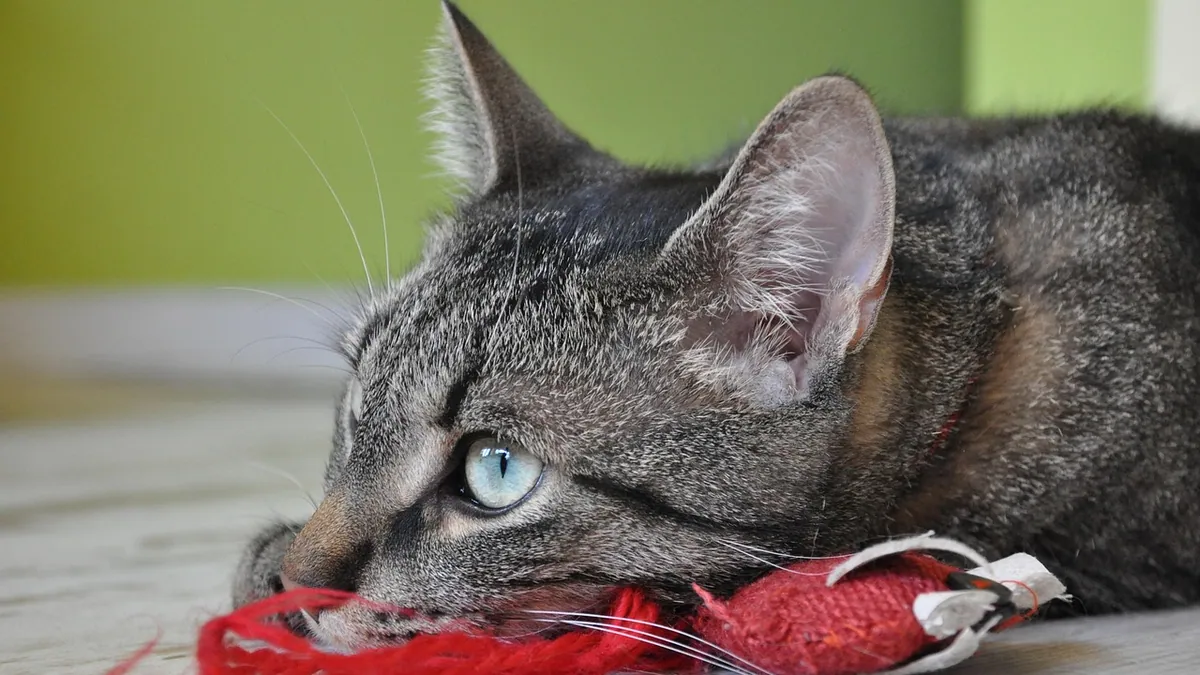
Pica in cats treatment depends on why your cat eats non-food items. Some cats chew wool, plastic, or litter because of a medical problem like anemia or kidney disease, and others do it for behavioral reasons such as stress, boredom, or early-life habit. Your veterinarian needs to sort out which one applies before any plan will work.
This article is educational and is not a substitute for veterinary diagnosis or treatment.
Quick Answer
- Pica is common in young cats. In one cohort, about 43% of owners reported pica at roughly 6 months of age, dropping to about 31% by 18 months [1].
- Medical causes come first. Anemia, chronic enteropathy, and other illnesses can drive pica, so bloodwork and a physical exam are the starting point [2].
- Chronic pica is linked to environment and stress. Moving house between 6 and 12 months, renting, and living without a dog early in life were associated with pica that persisted across three timepoints [1].
- Treatment is stepwise. Fix the medical issue, then add enrichment, manage stress, and consider behavior medication only through your vet [3].
- Never punish the behavior. Punishment increases anxiety and usually makes pica worse.
Why Cats Eat Non-Food Items
Normal Exploration and Play
Kittens and young cats explore with their mouths. Chewing, batting, and carrying small objects is part of normal play and predatory behavior. Many cats mouth items without swallowing them, and that is not pica. Pica means the cat repeatedly eats or ingests material that is not food.
Suckling and Wool Chewing
Some cats suck or chew wool, fabric, or blankets as a leftover from nursing behavior. This often starts young and can become a long-term habit. Siamese and other Oriental breeds are commonly reported to do this, though any cat can develop it.
Boredom and Understimulation
A cat with little to do may redirect energy into chewing. Indoor cats without hunting, climbing, or puzzle opportunities are at higher risk. The behavior can become self-reinforcing because chewing feels good or relieves tension.
Stress and Change
Stressful events often trigger or worsen pica. In one case report, a cat's pica and aggression got worse after an international move, and the cat improved once treated with fluoxetine for six weeks [3]. In the cohort study, moving to a new house at 6 to 12 months of age increased the odds of chronic pica [1].
Medical Causes to Rule Out First
Anemia
Anemia means low red blood cells, and it can make cats eat odd things. Immune-mediated hemolytic anemia (IMHA) is uncommon in cats but serious, with a mortality rate of about 24% in one study, and all deaths happened within four weeks [4]. Anemia can also be associated with feline infectious peritonitis (FIP), where a review of 45 cats found a median hematocrit of 18% [5]. If your cat is pale, weak, or eating litter, ask your vet to check a blood count. You can read more about FIP in Cats: Symptoms, Diagnosis, and How It Is Treated Today.
Chronic Enteropathy and Gut Disease
Pica can be a sign of long-term gut inflammation. In a review of 133 dogs and cats that had foreign bodies removed endoscopically, all 41 animals that had biopsies showed chronic enteritis, and 80% had chronic gastritis [2]. Many of these animals had long-standing gastrointestinal signs before the foreign body was found [2]. If your cat also vomits, has diarrhea, or eats less, gut disease belongs on the list.
Kidney Disease
Cats with kidney disease sometimes lick or chew unusual surfaces, including walls, floors, and litter. This may relate to nausea, mineral imbalances, or dehydration. Any cat with pica plus increased drinking, weight loss, or poor coat should have kidney values checked. See Cat Licking Walls or Floors: Pica or Medical Issue? for more on that pattern.
Other Medical Triggers
Dental pain, hyperthyroidism, neurologic disease, and some medications can contribute. A full physical exam, bloodwork, and sometimes imaging are needed to sort this out. Do not assume the behavior is purely psychological until medical causes are excluded.
When Pica Becomes a Problem
Pica is a problem when it causes harm or risks harm. Swallowed fabric, string, plastic, or litter can block the intestine, which may require surgery. In the biopsy group of the foreign body study, the median age was 6 years in cats, so this is not only a kitten issue [2].
Pica also matters when it happens often, targets dangerous materials, or comes with other signs like vomiting, weight loss, or behavior changes. Chronic pica, meaning it shows up at multiple checkpoints over months, is more likely to need a longer treatment plan [1].
How to Treat Cat Pica: A Step-by-Step Plan
Step 1: Get a Veterinary Workup
Start with a full exam and baseline bloodwork, including a complete blood count and a chemistry panel. Your vet may add thyroid testing, imaging, or a referral for endoscopy if gut disease is suspected. This step decides whether you are treating a disease, a behavior, or both.
Step 2: Treat Any Medical Cause
If anemia is found, treatment depends on the type. For non-associative IMHA, glucocorticoids are first-line, and cyclosporin A is often added, with doses set by your veterinarian based on your cat's weight and health [4]. If FIP is involved, antiviral treatment is used, and glucocorticoids may be added for persistent anemia [5]. Never start or stop these drugs on your own.
Step 3: Remove Access to Target Items
This is the fastest way to prevent a foreign body. Put wool, string, rubber bands, plastic bags, and hair ties out of reach. Use covered or heavy litter boxes if your cat eats litter. For more on that specific habit, read Why Is My Cat eating litter? Pica Mineral Deficiency and Stress.
Step 4: Build Enrichment Into the Day
Give your cat outlets for hunting and chewing that are safe. Food puzzles, scheduled play with a wand toy, and short training sessions can reduce boredom. Rotate toys so they stay interesting. Offer safe chew items made for cats, and check with your vet before adding any supplement.
Step 5: Reduce Stress and Keep Routines Stable
Cats do better with predictable feeding, play, and litter box access. If a move or new pet is coming, set up a quiet room with familiar items first. In the cohort study, living in a household without a dog at 2 to 4 months was linked to higher odds of chronic pica, which suggests early social and environmental factors matter [1].
Step 6: Consider Behavior Medication Through Your Vet
When enrichment and stress reduction are not enough, your veterinarian may discuss medication. In one case, fluoxetine produced significant improvement in pica and aggression after six weeks [3]. The dose must be calculated by your vet from your cat's weight and health. Do not use human medications or leftover prescriptions.
Step 7: Track Progress
Keep a simple log of what your cat chews, when it happens, and what changed that day. Bring it to follow-up visits. This helps your vet adjust the plan and spot triggers you might miss.
What Not to Do
Do not punish your cat. Yelling, spraying, or startling a cat adds stress and can increase the behavior. Do not assume pica is attention-seeking and ignore it if your cat is eating dangerous items. Do not rely on home remedies or mineral supplements without a diagnosis, because the cause may be anemia, gut disease, or kidney disease. Do not wait for a blockage to happen before calling your vet.
When to Involve a Veterinarian or Behavior Professional
Call your veterinarian if pica is new, getting worse, or targeting dangerous materials. A certified behavior professional can help when medical causes are ruled out and the behavior continues despite enrichment changes. If your cat shows pain, vomiting, or urinary signs, see Cat UTI Symptoms: How to Recognize and What to Do and Urinary Tract Infection Symptoms Cats Treatment.
Limitations and When to Contact a Veterinarian
This article cannot diagnose your cat. Individual cases need a veterinarian who can examine your cat and run tests.
Contact your vet the same day if your cat eats string, fabric, or plastic, if you see vomiting or drooling, or if your cat seems painful or bloated. Go to an emergency clinic now if your cat is straining to vomit, has a hard or swollen belly, is collapsing, or is having trouble breathing. Call your vet for a routine visit if pica is mild but ongoing, if your cat is losing weight, or if you notice pale gums, increased drinking, or changes in appetite or litter box habits.
Frequently Asked Questions
Is pica in cats a sign of a medical problem?
Sometimes it is, and sometimes it is behavioral. Anemia, chronic gut inflammation, and kidney disease can all drive pica, so bloodwork and an exam are the first step. If those tests are normal, the focus shifts to stress, boredom, and habit.
Can anemia cause pica in cats?
Yes, anemia is a known trigger for eating non-food items. Cats with immune-mediated hemolytic anemia can be severely anemic, and this condition carries a real risk of death in the first weeks [4]. If your cat is pale or weak, seek care right away.
Do cats with kidney disease eat litter?
Some do. Litter eating can be linked to kidney disease, nausea, or mineral imbalances, and it can also be a stress habit. Your vet can check kidney values and help you choose a litter your cat is less likely to eat.
How long does pica treatment take?
It varies. Some cats improve within weeks once the medical cause is treated or the environment changes. Others need months of enrichment work and, in some cases, medication, with improvement reported after about six weeks on fluoxetine in one case [3].
Can I stop pica with training alone?
Training and enrichment help, but they are not enough if a medical cause is present. Start with a veterinary workup, then use training, puzzle feeders, and stress reduction as part of the plan. If the behavior continues, ask your vet about a behavior referral.
Related Articles
- FIP in Cats: Symptoms, Diagnosis, and How It Is Treated Today
- Cat Licking Walls or Floors: Pica or Medical Issue?
- Cat UTI Symptoms: How to Recognize and What to Do
- Why Is My Cat eating litter? Pica Mineral Deficiency and Stress
- Urinary Tract Infection Symptoms Cats Treatment
- Cat Hair Loss with Itching: Causes and Treatment
- Why Is My Cat Chewing on Everything? Pica and Other Causes
- Pica in Dogs: Causes, Symptoms, and Treatment
- Colitis in Cats: Causes, Symptoms, and Treatment
References
- Owner-Reported Pica in Domestic Cats Enrolled onto a Birth Cohort Study. Animals : an open access journal from MDPI, 2021.
- Pica as a clinical sign of a chronic enteropathy in dogs and cats. Journal of the American Veterinary Medical Association, 2025.
- Human-directed aggression and pica in a 1-year-old cat, which worsened following international relocation. JFMS open reports, 2023.
- Clinical Findings, Treatment and Long-Term Outcome in 37 Cats with Non-Associative Immune-Mediated Hemolytic Anemia: A Retrospective Observational Study of Two Treatment Cohorts. Animals : an open access journal from MDPI, 2026.
- Immune-Mediated Hemolytic Anemia in Cats with Feline Infectious Peritonitis. Pathogens (Basel, Switzerland), 2025.