How to Get Your Cat to Cuddle With You
By Dr. Zubair Khalid, DVM, MS, PhD ·
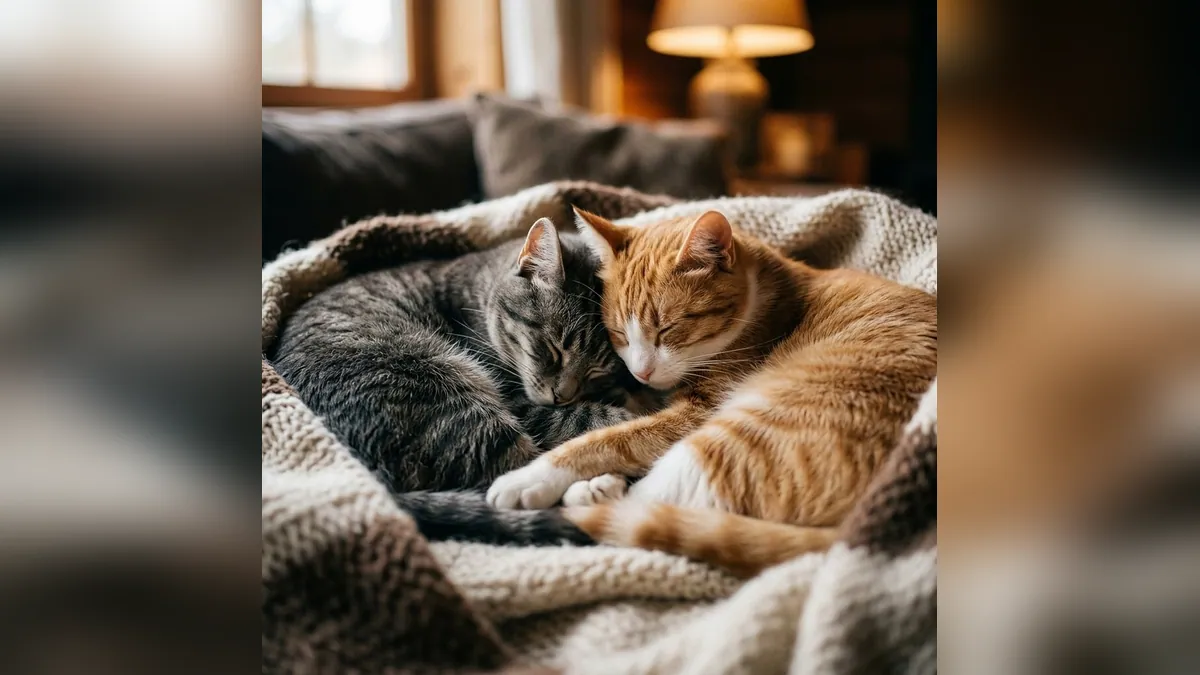
Cats cuddle when they feel safe, not when they are coaxed or held in place. To get your cat to cuddle with you, let the cat choose the contact, keep sessions short and calm, and build a daily lap routine around times your cat is already relaxed. This article is educational and is not a substitute for veterinary diagnosis or treatment.
Quick Answer
- Cuddling is a choice for cats. Passive, low-pressure contact raises oxytocin and lowers cortisol, while forced contact does the opposite [1].
- Let your cat approach you. Sit still, offer a hand or a soft blink, and wait for your cat to close the distance.
- Pick the right moment. Most cats seek contact after a meal, after play, or during a quiet evening rest period.
- Keep early sessions to a few minutes and end them before your cat wants to leave. A cat that walks away on its own terms comes back sooner.
- Rule out pain first. A cat that suddenly stops seeking contact, or flinches when touched, needs a veterinary exam before any behavior plan.
Why Your Cat May Not Cuddle Yet
Cuddling Is Not the Same as Affection
Cats show attachment in ways that do not always look like cuddling. A cat may follow you from room, sleep near your feet, or slow blink at you from across the room. Facial signals matter in cat social life, and cats produce distinct facial expressions during friendly interactions compared with tense ones [2]. Your cat may already be bonded to you and simply prefer proximity over contact.
Attachment Style Shapes Contact
Not every cat responds to human touch the same way. In a study of 20 pet cats, researchers classified cats as secure, insecure-anxious, or insecure-avoidant using a Secure Base Test, then measured salivary cortisol and oxytocin around four types of owner interactions [1]. Secure cats showed more positive hormonal responses to human interaction. Insecure cats showed higher cortisol or a limited hormonal response [1]. If your cat was undersocialized as a kitten or has had rough handling, cuddling may take months, not days.
Individual Personality and Past Experience
Some cats are lap cats from eight weeks old. Others never become lap cats, no matter what you do. Cats also vary widely in how they respond to human presence, from eager engagement to active avoidance [3]. That range is normal. Your goal is the closest comfortable contact your cat can offer, not a specific picture of a cat asleep on your chest.
Environment and Household Stress
Cats in shared spaces often choose elevated perches or cat-only rooms when activity around them increases [3]. If your home is loud, if a new pet or baby arrived, or if the litter box sits in a busy hallway, your cat may avoid your lap because the area around it feels exposed. Fixing the environment often does more for cuddling than any training trick.
Medical Causes to Rule Out Before Training
Pain and illness change affection before they change appetite. A cat with dental disease, arthritis, or an abdominal problem may stop jumping onto laps because the jump hurts. A cat with hyperthyroidism or chronic stress may become restless and unable to settle.
Watch for these changes, especially if they appear suddenly in a cat that used to cuddle:
- Hiding more, or avoiding being picked up
- Flinching, hissing, or growling when touched on a specific body area
- Restlessness at night, pacing, or vocalizing more
- Overgrooming, hair loss, or skin wounds
- House soiling, urine marking, or new scratching
- Eating, drinking, or litter box habits that changed
Problem behaviors like urine marking, scratching, fear, and trouble living with other cats can harm the human-animal bond and signal welfare problems for the cat [4]. A behavior change is a medical question first. Your veterinarian can examine your cat, run baseline lab work, and check for pain. If your cat is healthy, the next step is a behavior plan.
When Cuddling Avoidance Becomes a Problem
It becomes a problem when it changes. A cat that never wanted lap time is fine. A cat that used to sleep on your chest and now hides under the bed is not.
It also becomes a problem when it affects the cat's daily life. Signs that the issue is bigger than preference include:
- Your cat avoids all handling, including nail trims and brushing
- Your cat hides during normal household activity
- Your cat shows fear or aggression toward people or other pets
- Your cat stops using shared spaces entirely
- You feel rejected or frustrated, and the bond is straining
Stress in cats is measurable. In the interaction study, forced interactions raised cortisol and lowered oxytocin, the opposite of what passive contact did [1]. If you are chasing, cornering, or holding your cat for cuddles, you are likely making the problem worse. Stop and rebuild from a calmer starting point.
How to Get My Cat to Cuddle With Me: Step by Step
Step 1: Build a Predictable Daily Routine
Cats relax when they know what comes next. Feed, play, and settle at roughly the same times each day. Set aside one quiet block in the evening when you sit in the same spot with a soft blanket. Do this every day for two weeks before you expect anything. Predictability lowers arousal and makes contact feel safe.
Step 2: Use Passive Contact, Not Forced Contact
Passive interaction means you are present, calm, and available without restraining your cat. In the study, passive interactions increased oxytocin and decreased cortisol, while forced interactions showed the opposite pattern [1]. Practically, that means:
- Sit on the floor or couch and let your cat come to you
- Keep your hands still or offer one relaxed hand for sniffing
- Let your cat rub against you without grabbing or scooping
- Talk softly, or stay quiet
- End the session when your cat shifts, flicks the tail, or looks away
Step 3: Read the Green Lights
Your cat tells you when contact is welcome. Green lights include:
- Slow blinking at you
- Head bunting or cheek rubbing against you
- Kneading, purring, or a relaxed tail
- Walking onto your lap and settling
- Soft, forward-facing ears and relaxed whiskers
Facial signals differ between friendly and tense interactions, so watch the whole face, not just the tail [2]. A cat with flattened ears, a twitching tail tip, dilated pupils, or a stiff body is not asking for more contact.
Step 4: Pair Contact With Good Things
Use food, warmth, and gentle touch to build positive associations. Try these:
- Offer a small treat or a lickable treat while your cat sits near you
- Place a heated pad or your worn shirt in your cat's favorite resting spot
- Brush your cat if your cat enjoys brushing, then stop before your cat is done
- Pet only the areas your cat offers, usually the cheeks, chin, and base of the ears
If your cat tolerates two minutes, stop at ninety seconds. Ending early teaches your cat that contact is safe and short.
Step 5: Add Play Before Quiet Time
A short play session with a wand toy burns energy and lowers arousal. Follow play with a meal or a treat, then sit down quietly. Many cats groom and then seek contact after this sequence. This is the easiest window to build a lap habit.
Step 6: Give Your Cat Control
Control is the single biggest factor in whether a cat chooses contact. Offer a lap and let your cat decide. If your cat leaves, do not follow. If your cat returns, stay still. Cats that can leave freely often stay longer.
Step 7: Fix the Environment
Make your home easier to relax in:
- Add cat trees and shelves so your cat can observe the room from height [3]
- Keep a quiet room or closet open as a retreat
- Place resources (food, water, litter, beds) away from busy walkways
- Use separate feeding and resting zones in multi-cat homes
If you recently added a cat, introductions done too fast create lasting tension. These guides walk through a slower process: How Do You Introduce A New Cat To Your Cats and How To Introduce A New Cat To Your Resident Cat. If a dog joined the household, start here: How to Introduce a New Dog to Your Cat: Step-by-Step Guide.
Step 8: Be Patient With the Timeline
Expect weeks to months, not days. Cats with insecure attachment styles may need a longer runway because their hormonal response to human interaction is blunted or stress-oriented [1]. Track small wins, like your cat resting one foot on your leg or falling asleep within arm's reach. Those are the building blocks.
What Not to Do
Do Not Punish or Startle Your Cat
Never yell, spray, or push your cat away for leaving your lap. Punishment increases fear and makes contact less likely. It also damages the bond you are trying to build.
Do Not Force or Trap Your Cat
Holding a cat in place, wrapping it in a towel for cuddles, or blocking its exit raises stress hormones [1]. A cat that feels trapped may scratch or bite, and it will remember the experience.
Do Not Chase Your Cat Around the House
Following a retreating cat teaches it that you are unpredictable. Let your cat come to you. If your cat hides, sit nearby and read or scroll on your phone without reaching for it.
Do Not Rely on Myths
- Myth: Cats are aloof and do not bond. Cats form attachment styles with their owners, just as the study classification shows [1].
- Myth: A purring cat is always happy. Purring can also occur with pain or stress. Read the whole body.
- Myth: You can train a cat like a dog with treats alone. Treats help, but control and low pressure matter more for contact.
- Myth: A cat that sleeps on your bed will automatically become a lap cat. Bed sharing and lap contact are different behaviors with different triggers.
Do Not Ignore Signs of Stress
If your cat's ears flatten, its tail lashes, or its pupils dilate during contact, stop. These are not invitations to try harder.
When to Involve a Veterinarian or Behavior Professional
Call your veterinarian if your cat's cuddling behavior changes suddenly, if your cat shows pain signals, or if your cat becomes aggressive when approached. Sudden behavior changes in adult cats deserve a physical exam and lab work.
Ask for a referral to a veterinarian who specializes in behavior if:
- Your cat shows fear or aggression that you cannot safely manage
- Your cat hides most of the day despite a calm home
- You have tried passive contact and routine for six to eight weeks with no progress
- Your cat's behavior is affecting its welfare or your household
A pheromone diffuser was used in a study of common cat problem behaviors as part of a caregiver assessment tool, so ask your veterinarian whether a pheromone product fits your situation [4]. Do not start any product or supplement without veterinary guidance.
Limitations and When to Contact a Veterinarian
This article cannot tell you whether your cat's behavior is normal for your cat. Only a veterinarian who examines your cat can do that. Individual cases need a veterinarian, and the guidance here is general.
Contact your veterinarian the same day if your cat:
- Stops eating or drinking
- Hides completely and will not come out
- Cries out when touched or picked up
- Shows new aggression toward you or another pet
- Has a sudden change in litter box habits
Go to an emergency clinic now if your cat:
- Breathes with an open mouth or struggles to breathe
- Collapses, has a seizure, or cannot stand
- Has a swollen, painful abdomen
- Bleeds heavily or has a suspected fracture
- Was exposed to a toxin or human medication
For poison emergencies in the United States, call the ASPCA Animal Poison Control Center at (888) 426-4435 or the Pet Poison Helpline at (855) 764-7661. Keep the product container with you when you call.
Schedule a routine visit if your cat's affection level dropped gradually over weeks, if your cat seems stiff when jumping, or if you want help building a behavior plan. Bring notes on when the change started and what you have already tried.
Frequently Asked Questions
How long does it take to get a cat to cuddle?
It varies by cat, and there is no fixed timeline. Cats with secure attachment styles tend to respond faster to human interaction, while insecure cats may need more time and lower-pressure contact [1]. Plan for several weeks of daily, short, passive sessions before you judge progress.
Do cats like being kissed?
Most cats do not enjoy face-to-face contact from humans. A kiss puts your face close to your cat's face, which can feel threatening. If you want to show affection, try a slow blink, a soft voice, or a gentle cheek rub instead.
Will my cat cuddle more as it gets older?
Some cats become more affectionate with age, and some become less tolerant of handling because of joint pain. If your older cat suddenly seeks more or less contact, ask your veterinarian to check for arthritis and other age-related conditions.
Does food help a cat bond with me?
Food helps, but it is not the whole picture. Human-animal interaction is a major factor in how pet ownership relates to stress, and the effect differs between species [5]. Pairing meals and treats with calm, passive presence builds a stronger association than food alone.
Can two cats in one home both be lap cats?
Yes, but they need enough space and resources to avoid competition. Cats in group settings often prefer elevated perches and cat-only areas when activity rises [3]. Give each cat its own resting spots, feeding stations, and litter boxes, then let each cat choose lap time on its own schedule.
Related Articles
- How Do You Introduce A New Cat To Your Cats
- How To Introduce New Cat To Cat
- How To Introduce A New Cat To Your Resident Cat
- How To Introduce New Cat To Home
- How to Introduce a New Dog to Your Cat: Step-by-Step Guide
- How To Introduce A New Cat
- How to Make Your Cat More Affectionate and Cuddly
- How to Get Your Cat to Like You: Building Trust Step by Step
- How to Tell If Your Cat Loves You: Real Signs of Bonding
References
- EXPRESS: The hormonal effects of owner-cat interactions on pet cats of different potential attachment styles. Journal of feline medicine and surgery, 2026.
- Feline faces: Unraveling the social function of domestic cat facial signals. Behavioural processes, 2023.
- Cats in a Cat Café: Individual Cat Behavior and Interactions with Humans. Animals : an open access journal from MDPI, 2025.
- Development of a Cat Behaviour Issues Assessment Scale (CABIAS) Assessing Problem Behaviours in Cats. Animals : an open access journal from MDPI, 2023.
- Comparative mediation analysis of dog and cat ownership and perceived stress. PloS one, 2026.