How to Get Your Cat to Come Home and Back Inside
By Dr. Zubair Khalid, DVM, MS, PhD ·
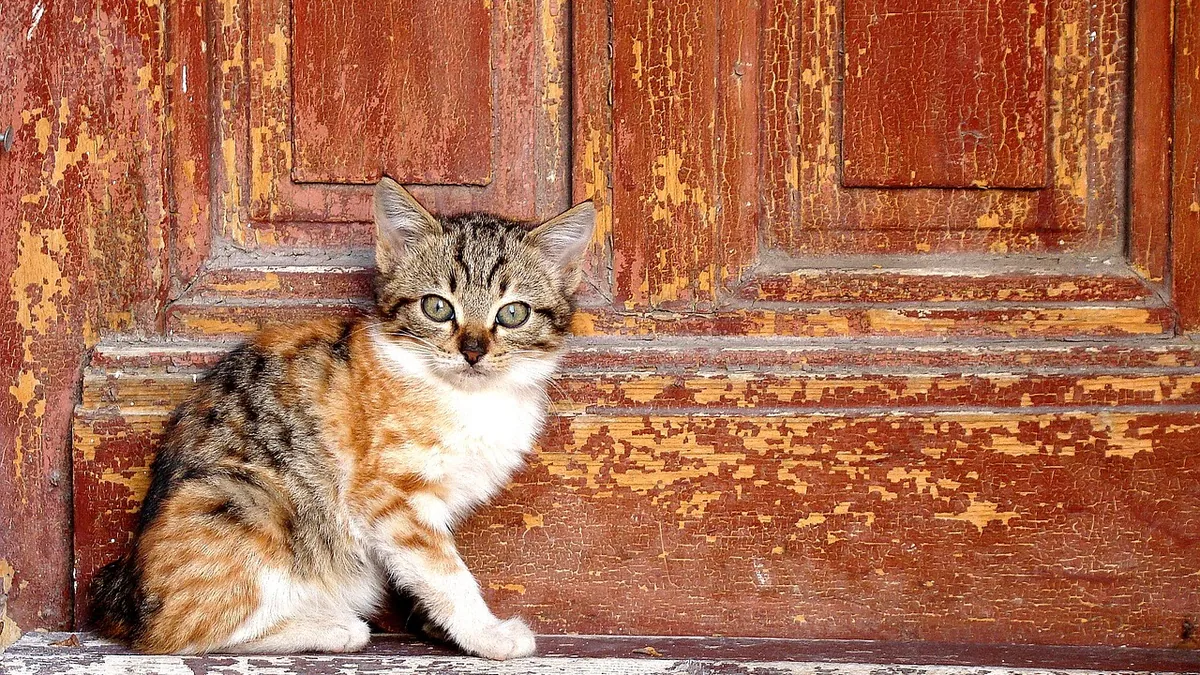
Most cats that slip outside are found close to home within a few days, so start searching your own yard, porch, and nearby hiding spots right away. Calling calmly, using familiar scents and sounds, and checking at quiet times of day works better than chasing. If you are asking "how to get my cat to come home," the plan below walks you through each step.
This article is educational and is not a substitute for veterinary diagnosis or treatment.
Quick Answer
- Search within a few houses of your home first, because most indoor cats that get out stay close and hide under porches, decks, sheds, and parked cars.
- Go out at dusk, dawn, or late night when the neighborhood is quiet, and call in a normal, calm voice instead of shouting.
- Put your cat's used litter box, a worn piece of your clothing, and a bowl of familiar food near the door, then watch from a distance instead of standing over it.
- Do not chase a scared cat. Sit still, talk softly, and let the cat come to you.
- If your cat is injured, sick, or has been missing more than 24 hours in a dangerous area, call your veterinarian or a local shelter for guidance.
Why Cats Go Out and Stay Out
Normal cat reasons
Curiosity is the usual answer. An open door, a screen with a loose corner, or an unlatched window is all it takes. Once outside, many indoor cats freeze instead of run. They hide because the outdoors is unfamiliar and full of new smells and sounds.
Cats are also creatures of habit and preference. Research on early scent and food exposure shows that cats prefer familiar smells and avoid unfamiliar ones, and that this preference is shaped early in life [1]. That is why your cat may ignore a stranger's call but respond to your voice or the sound of a can opening.
Some cats leave because something inside is stressful. A new pet, a new baby, remodeling, or a move can push a cat to look for quiet space. If you recently added a cat to your home, a slow, structured introduction can lower that stress. See How To Introduce New Cat To Home and How Do You Introduce A New Cat To Your Cats.
Why indoor life matters
It is much safer for cats to stay indoors than to be allowed outside [2]. Outdoor cats can get into fights, eat harmful substances, get hit by cars, and face predators and other dangers [2]. They can also bring home parasites and spread diseases to other animals in the house and to people [2].
That does not mean indoor life has to be boring. Cats that do not get enough exercise can become overweight and develop health problems [2]. You can encourage activity with toys that trigger hunting instincts, such as feather wands or balls, and by splitting meals into several small bowls placed around the house so your cat has to move to find them [2].
Medical Causes to Rule Out
A cat that suddenly refuses to come inside, hides more, or stops using the litter box may be sick, not stubborn. Pain, dental disease, arthritis, urinary problems, and thyroid disease can all change behavior. A cat that feels unwell may seek a quiet, dark place and avoid people.
If your cat is home but acting off, check for dehydration and other warning signs. A simple at-home check is described in How to Check Your Cat's Hydration at Home.
If your cat is still outside and you can see him but he will not approach, do not assume he is just being difficult. A cat that is injured or in pain may hide and stay silent. Call your veterinarian for advice before you try to grab him.
When a Cat Not Coming Home Becomes a Problem
A cat that is simply slow to come in for dinner is different from a cat that is missing. Treat these as urgent:
- Your cat is normally indoors only and has been out for more than a few hours.
- Your cat is injured, limping, bleeding, or was seen near a road.
- Your cat has a medical condition such as diabetes, kidney disease, or heart disease.
- The weather is extreme (heat, cold, storms).
- Your cat is not vaccinated or is overdue for parasite prevention.
Free-roaming cats are common in cities and suburbs. In one survey, 71% of residents reported seeing stray cats, mostly at private residences and in alleys or streets [3]. That means your cat may be mistaken for a stray by a neighbor, which is one more reason to act quickly and to make your cat identifiable.
How to Get My Cat to Come Back Home: Step by Step
Step 1: Search close and search low
Start within a few houses of your own. Walk slowly and look under porches, decks, sheds, bushes, and parked cars. Check window wells, storm drains, and garages. Indoor cats often hide within a short distance and stay silent even when they hear you.
Bring a flashlight even in daylight. Cat eyes reflect light, and a flashlight helps you spot eyes under a dark deck.
Step 2: Call at the right time and in the right voice
Go out at dusk, dawn, or late at night when traffic and noise are lower. Use your normal voice, the one you use at home. Say your cat's name, then pause and listen. Shake a treat bag or tap a can. Repeat every few minutes.
Do not shout. A loud, stressed voice can push a scared cat deeper into hiding.
Step 3: Use scent and sound
Place your cat's used litter box outside near the door. The familiar smell can draw a cat back. Add a worn, unwashed shirt or blanket of yours. Put out a small bowl of the food your cat normally eats, then step back and watch from inside or from a distance.
Sit quietly nearby. Some cats will come out when the area feels calm and the person they know is present but not approaching.
Step 4: Expand the search
If you have not found your cat within a few hours, widen the area. Walk the block at quiet times. Talk to neighbors and ask them to check garages, sheds, and basements. Post clear photos with your phone number on local community boards and social media.
Call your local animal control and shelters. Ask whether they have a lost-and-found list and whether you can file a report. Check the shelter in person if you can, because phone descriptions are easy to mix up.
Step 5: Set a humane trap if needed
If you have seen your cat but cannot get close, ask your veterinarian or a local rescue about a humane live trap. Check the trap often, at least every few hours, and never leave a trapped cat in heat, cold, or rain. Bring the trap indoors or into a garage as soon as the cat is caught.
Step 6: Make the return easy
Leave a door or window cracked if it is safe, or set up a quiet room with food, water, and a litter box near the entry point. Keep other pets away so your cat can walk in without a confrontation. Once inside, close the door and give your cat a quiet space to settle.
Preventing Repeat Escapes
Make your home safe
Be careful with open windows and balconies, because cats can fall and get hurt [2]. Use sturdy screens and check them often. Keep doors closed and consider a screen door or a catio for safe outdoor time.
Add enrichment indoors
Boredom drives some escapes. Provide toys that mimic hunting, rotate them so they stay interesting, and use food puzzles or scattered meals to encourage movement [2]. A tired, entertained cat is less likely to bolt.
Lower household stress
If a new cat, a new person, or a move triggered the escape, address the source. Slow introductions and separate resources help. These guides walk you through it: How To Introduce A New Cat To Your Resident Cat and How To Introduce New Cat To Cat.
Identify your cat
A microchip and a breakaway collar with a tag make it far more likely that a neighbor or shelter will get your cat back to you. Keep your contact information current in the microchip registry.
What Not to Do
Do not punish your cat for coming home. Punishment after the fact does not teach a cat to stay inside. It teaches the cat to avoid you, which makes the next escape harder to solve.
Do not chase a scared cat. Running after a hiding cat pushes it farther away and can lead to a road or a fence line.
Do not leave strong-smelling food out overnight if it will attract wildlife or other cats. That can scare your cat away from the area.
Do not assume a cat that comes back is fine. Check for wounds, limping, weight loss, and changes in appetite or thirst. Call your veterinarian if anything seems off.
When to Involve a Veterinarian or Behavior Professional
Call your veterinarian if your cat is injured, has been missing for more than a day, or has a chronic illness. Call the same day if your cat is vomiting, not eating, or seems painful.
Ask for a behavior referral if your cat keeps escaping even after you fix the environment, or if your cat shows fear, aggression, or house soiling. A certified behavior professional can build a plan for your specific cat.
Human-cat interaction in shelters is often inconsistent and driven by individual beliefs instead of standard practice, but structured, evidence-based handling improves comfort and reduces the risk of aggression [4]. The same principle applies at home. Calm, predictable handling helps.
Limitations and When to Contact a Veterinarian
This article cannot tell you whether your specific cat is sick, injured, or in danger. Individual cases need a veterinarian who can examine your cat and review its history.
Contact your veterinarian the same day if your cat comes home with a wound, a limp, vomiting, diarrhea, or no appetite. Contact them right away if your cat is having trouble breathing, is bleeding heavily, seems disoriented, or cannot stand. Those are emergencies.
For routine concerns, such as a cat that keeps trying to escape or seems anxious indoors, schedule a normal visit. Your veterinarian can check for medical causes and talk through behavior options. If you suspect your cat ate something toxic while outside, call your veterinarian or a pet poison hotline immediately.
Frequently Asked Questions
How long should I wait before worrying?
Start searching right away, because most cats that get out stay close to home. Treat any indoor-only cat that has been outside for more than a few hours as a priority. If your cat is sick, injured, or the weather is extreme, act immediately.
Will my cat come back on its own?
Many cats do return on their own, often within a day or two, especially if they stayed near the house. Your job is to make the return path easy and to keep checking quietly. If your cat does not return within 24 hours, expand your search and contact local shelters.
Does putting out a litter box really work?
A used litter box can help because cats rely heavily on familiar smells. Research shows cats prefer familiar scents and avoid unfamiliar ones [1]. Place the box near your door and watch from a distance instead of standing over it.
Should I leave food outside?
A small amount of your cat's normal food can help draw it back. Do not leave large amounts out overnight, because it may attract other animals and scare your cat away. Bring the food in during the day and refresh it at quiet times.
Can I train my cat to come when called?
Yes, many cats can learn a recall cue with short, reward-based sessions. Use a distinct sound, such as a clicker or a treat bag shake, and reward every time your cat comes. Practice indoors first, then near the door, and keep sessions brief.
Is it cruel to keep my cat indoors?
No. Indoor life is much safer, and outdoor cats face fights, poisons, cars, predators, parasites, and disease [2]. You can meet your cat's needs with play, climbing spaces, food puzzles, and supervised outdoor time in a safe enclosure.
Related Articles
- How To Introduce New Cat To Home
- How Do You Introduce A New Cat To Your Cats
- How To Introduce A New Cat To Your Resident Cat
- How To Introduce New Cat To Cat
- How to Check Your Cat's Hydration at Home
- How To Introduce A New Cat
- How to Get Your Cat to Come to You Every Time
- How Do Cats Find Their Way Home? Navigation Explained
- Do Cats Run Away From Home? Why Cats Leave and Return
References
- Prenatal and early sucking influences on dietary preference in newborn, weaning, and young adult cats. Chemical senses, 2012.
- Providing a Home for a Cat - Cat Owners. Merck Veterinary Manual.
- A Situational Analysis of Attitudes toward Stray Cats and Preferences and Priorities for Their Management. Animals : an open access journal from MDPI, 2024.
- Sustained improvements in human-cat interaction in the shelter sector: a study of a best-practice educational intervention. Frontiers in veterinary science, 2026.