How to Get Your Cat to Be More Active: Play and Exercise Plan
By Dr. Zubair Khalid, DVM, MS, PhD ·
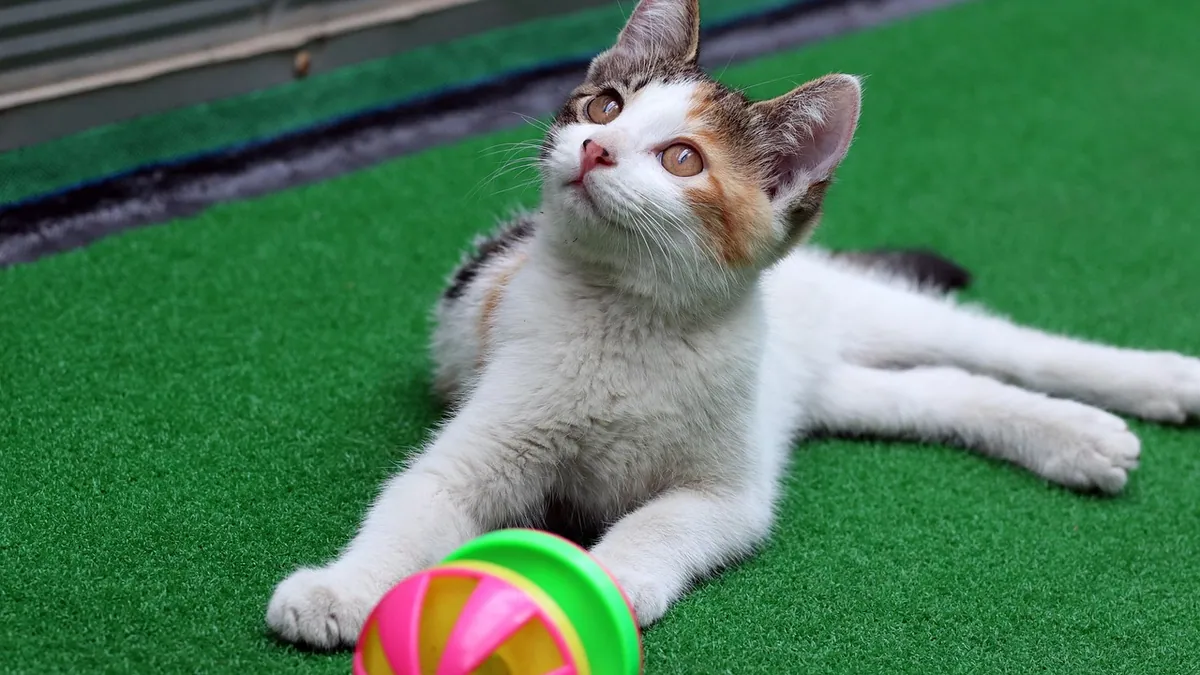
If your cat naps all day and ignores every toy, you can turn that around with short, well-timed play sessions and a few changes at home. The trick is to first rule out pain or illness, then build a routine that matches your cat's age, health, and personality. This guide shows you how to get my cat to be more active in a way that is safe and realistic.
This article is educational and is not a substitute for veterinary diagnosis or treatment.
Quick Answer
- Most healthy adult cats need several short play sessions each day, not one long one. Two to three 10 to 15 minute sessions fit most cats well.
- A sudden drop in activity is a medical red flag, not laziness. Joint pain, diabetes, and other conditions can all look like a "lazy" cat [1].
- Interactive play is the most common enrichment owners already provide, so you are building on something familiar [2].
- Passive, calm interaction (petting, sitting nearby) lowers stress hormones in cats, while forced or rough handling raises them [3].
- Overweight cats are more likely to have joint disease, so weight control and activity go together [1].
Why Your Cat Seems Lazy (Normal Reasons First)
Cats are crepuscular, which means they are most active at dawn and dusk. A cat who sleeps 16 hours a day is often completely normal. Adult cats conserve energy between short bursts of hunting-style activity.
Age matters too. A 12-year-old cat is roughly comparable to a 65-year-old human, and slowing down at that age can be perfectly normal [1]. That said, the same source notes that reduced activity in an older cat may be caused by joint pain instead of age, so a veterinary check is worthwhile [1].
Indoor lifestyle plays a role. Cats kept indoors have a higher risk of obesity at an early age compared with cats with outdoor access [4]. Less space to roam, fewer things to chase, and free feeding all add up.
Personality matters as well. Some cats are naturally low-energy. Others are bold and curious. Enrichment choices in real homes tend to follow housing features more than the cat's personality, which means many owners are not tailoring play to the individual cat [2].
Attachment style also shapes how your cat responds to you. Cats with a secure attachment show more positive hormonal responses to human interaction, while insecure cats show more stress signals [3]. If your cat hides when you bring out a toy, the problem may be the interaction style, not the cat.
Medical Causes to Rule Out Before You Push Activity
Before you increase exercise, have your veterinarian examine your cat. Several conditions can look exactly like laziness.
Joint pain and degenerative joint disease. Signs include trouble hopping in and out of the litter box, avoiding stairs, constipation from an inability to posture properly, and poor grooming [1]. Obesity raises the risk because extra weight constantly stresses the joints [1]. Maine Coons have a breed predisposition to hip dysplasia because of their stocky build [1].
Diabetes mellitus. This is a serious endocrine disorder that can lead to other complications, and it commonly causes lethargy and weight change [5]. Current guidelines cover diagnosis, treatment, monitoring, diet, and physical activity recommendations for diabetic cats [5]. If your cat is diabetic, activity changes should be planned with your veterinarian.
Pain anywhere else. Dental disease, arthritis in the spine, and soft tissue injuries all reduce movement. A cat in pain often plays less before it shows any other sign.
Obesity itself. Heavier cats move less, and owners of heavy cats tend to describe their cats as less active [4]. That creates a cycle where less movement leads to more weight gain.
Your veterinarian can check body condition, joint mobility, blood glucose, and other markers. Once medical causes are ruled out or managed, you can safely build an activity plan.
When a Slow Cat Becomes a Problem
Slowing down is a problem when it is new, progressive, or paired with other changes. Ask yourself these questions.
- Has your cat stopped doing things it used to enjoy, like jumping onto a favorite windowsill?
- Is your cat hiding more, grooming less, or missing the litter box?
- Has your cat gained or lost weight without a diet change?
- Does your cat seem stiff after resting?
- Is your cat eating, drinking, or urinating differently?
A yes to any of these points toward a veterinary visit instead of more playtime. If your cat is simply choosing the couch over the toy mouse but is otherwise bright, eating well, and grooming normally, you are likely dealing with normal low activity or boredom.
How to Get My Cat to Exercise More: A Step by Step Plan
Step 1: Set a Baseline
Spend three days noting when your cat is naturally most alert. Most cats will show peaks in the early morning and evening. Write down how many minutes of active movement you see. This baseline tells you whether your plan is working.
Step 2: Schedule Short Sessions
Aim for two to three play sessions per day, each 10 to 15 minutes. Short sessions match a cat's natural hunting pattern and reduce the chance of overexertion. Start with five minutes if your cat is older or out of shape, then add a minute or two every few days.
Step 3: Use Prey Sequence Play
Cats play best when a toy mimics prey. Move a wand toy like a mouse scurrying, pausing, and darting. Let your cat stalk, chase, pounce, and finally catch the toy. Ending with a successful catch gives your cat a sense of completion.
Step 4: Feed After Play
Follow play with a meal or a small portion of food. This mimics the natural hunt-eat-groom-sleep cycle and can make play more rewarding. If your cat needs to lose weight, measure portions with your veterinarian's guidance. For more on that, see How To Help Cat Lose Belly Fat and How To Help A Fat Cat Lose Weight.
Step 5: Rotate Toys
Keep three to five toys in rotation and swap them weekly. Novelty drives interest. Interactive toys and wand toys are the most effective for active play, and you can find options in Best Interactive Cat Toys: Keep Your Feline Active and Engaged.
Step 6: Add Food Puzzles
Food puzzles were among the least commonly offered enrichment items in one large survey of cat owners [2]. That is a missed opportunity. A puzzle feeder makes your cat work for kibble, which adds movement and mental effort without any extra time from you.
Step 7: Build Vertical Space
Cats climb when they feel secure. Cat trees, shelves, and window perches encourage jumping and stretching. If your cat has joint pain, provide ramps or steps so it can still reach high spots without a painful leap [1].
Step 8: Use Passive Interaction to Lower Stress
Not all activity is physical. Calm, passive interaction such as sitting near your cat or gentle petting is linked to higher oxytocin and lower cortisol in cats [3]. A relaxed cat is more willing to play later.
Step 9: Track Progress Weekly
Note how many minutes of active play your cat completes each week. Small gains count. If your cat plateaus, change the toy, the time of day, or the room.
Enrichment and Environment Changes That Help Cats Move More
Enrichment is one of the most effective tools for improving feline welfare, and it should fit your cat's individuality and your home [2].
Indoor setup. Add hiding places, perches, scratching posts, and a window view. Access to a balcony or window with a protective net was one of the most common enrichments owners provided [2]. If you have a multi-cat home, see How To Introduce New Cat To Cat and Indoor Cat Enrichment: Building a Safer, More Engaging Home.
Leash walks. Only a small share of owners walk their cats on a leash [2]. For the right cat, a harness and leash walk adds real exercise. Train slowly indoors first.
Scheduled feeding. Free feeding removes the need to move. Meal feeding with puzzles or scattered kibble adds steps to the day.
Social play. Some cats prefer playing with another cat. Watch for bullying and separate play if one cat hides.
Temperature and comfort. Cold floors and slippery surfaces discourage movement in older cats. Add rugs and heated beds.
What Not to Do
Do not punish a slow cat. Punishment adds stress and can make your cat hide more. Forced interaction raises cortisol in cats, while passive interaction lowers it [3]. That hormonal pattern is the opposite of what you want.
Do not force play. If your cat walks away, stop. Forcing a session teaches your cat that toys predict stress.
Do not assume it is just age. A 12-year-old cat may slow down normally, but joint pain is a common and treatable cause of the same behavior [1]. Get it checked.
Do not use laser pointers as your only toy. Without a catch, some cats become frustrated. Pair a laser with a physical toy your cat can grab.
Do not overfeed treats during training. Extra calories work against weight goals, and obesity raises joint disease risk [1].
Do not skip the veterinary exam. Diabetes and joint disease both need medical management, and activity plans for diabetic cats belong in a treatment plan set by your veterinarian [5].
Do not compare your cat to others. Attachment style and personality shape how much a cat wants to interact [3][2]. Match the plan to your cat.
When to Involve a Veterinarian or Behavior Professional
Call your veterinarian if your cat's activity drops suddenly, if you see limping or stiffness, if your cat stops using the litter box, or if grooming declines [1]. These signs point to pain or illness, not attitude.
Ask about a behavior consultation if your cat shows fear, aggression, or hides from all interaction. A certified behavior professional can assess your cat's attachment style and interaction preferences, since insecure cats respond differently to human contact than secure cats [3].
If your cat is overweight, your veterinarian can set a target weight and a safe rate of loss. Owners of heavy cats often see their cats as less active, so an outside assessment helps [4].
Limitations and When to Contact a Veterinarian
This plan works for healthy cats with normal mobility. It cannot replace an exam, bloodwork, or imaging. Individual cases need a veterinarian who can examine your cat and review its history.
Contact your veterinarian the same day if your cat:
- Suddenly stops moving or refuses to walk
- Cries out when picked up or touched
- Cannot urinate or defecate, or strains in the litter box
- Stops eating or drinking
- Breathes fast or with effort at rest
Go to an emergency clinic now if your cat:
- Collapses or cannot stand
- Has a seizure
- Shows sudden weakness in the back legs, especially with vocalizing
- Has pale or blue gums
- Is unresponsive or extremely lethargic
Schedule a routine visit if your cat:
- Gradually slows over weeks to months
- Hesitates to jump or use stairs [1]
- Has poor coat condition or stops grooming [1]
- Has gained weight or has a body condition score in the heavy range [4]
- Has been diagnosed with diabetes and you want to add activity [5]
Frequently Asked Questions
How long should I play with my cat each day?
Most healthy adult cats do well with two to three sessions of 10 to 15 minutes. Older cats or cats with joint pain may need shorter sessions of five minutes, several times a day. Your veterinarian can help you set a safe starting point based on your cat's health.
Why does my cat ignore toys it used to love?
Boredom, pain, and stress can all cause a cat to lose interest in toys. Try rotating toys and changing the time of day first. If interest does not return, book a veterinary exam to check for joint pain or other illness.
Can I train my cat to walk on a leash?
Yes, many cats can learn to walk on a harness and leash with slow training. Start indoors with short sessions and treats, then move to a quiet outdoor spot. Only a small percentage of owners currently walk their cats on a leash, so you may need to build the habit from scratch.
Is my cat lazy or sick?
If the change is sudden, or comes with limping, hiding, poor grooming, or litter box problems, assume it could be medical. Gradual slowing in an older cat can be normal, but joint pain causes the same pattern and is treatable. A veterinary exam is the only way to tell the difference.
Does a slow cat need less food?
Not automatically. A less active cat often needs fewer calories, but the right amount depends on body condition, age, and health. Ask your veterinarian to score your cat's body condition and set a daily portion. Never cut food drastically without guidance, since cats can develop serious liver problems from rapid weight loss.
Related Articles
- How To Help Cat Lose Belly Fat
- Best Interactive Cat Toys: Keep Your Feline Active and Engaged
- How To Introduce New Cat To Cat
- Indoor Cat Enrichment: Building a Safer, More Engaging Home
- How To Help A Fat Cat Lose Weight
- How To Get An Overweight Cat To Lose Weight
- How Much Exercise Do Cats Need? Indoor Cat Activity Guide
- How to Get Your Cat to Play: Toys, Timing and Techniques
- How Do Cats Play? Reading Feline Play Behavior
References
- Is Your Cat Slowing Down?. Cornell University College of Veterinary Medicine.
- Types of Environmental Enrichments Offered for Cats and their Association with Housing Features and Cat Personality. Journal of applied animal welfare science : JAAWS, 2026.
- EXPRESS: The hormonal effects of owner-cat interactions on pet cats of different potential attachment styles. Journal of feline medicine and surgery, 2026.
- Feline obesity is associated with stronger owner attachment, while indoor confinement increases risk of obesity at an early age in domestic shorthaired cats. Frontiers in veterinary science, 2026.
- 2026 AAHA Diabetes Management Guidelines for Cats. Journal of the American Animal Hospital Association, 2026.