Dog Zoomies: Why They Happen and How to Manage Them
By Dr. Zubair Khalid, DVM, MS, PhD ·
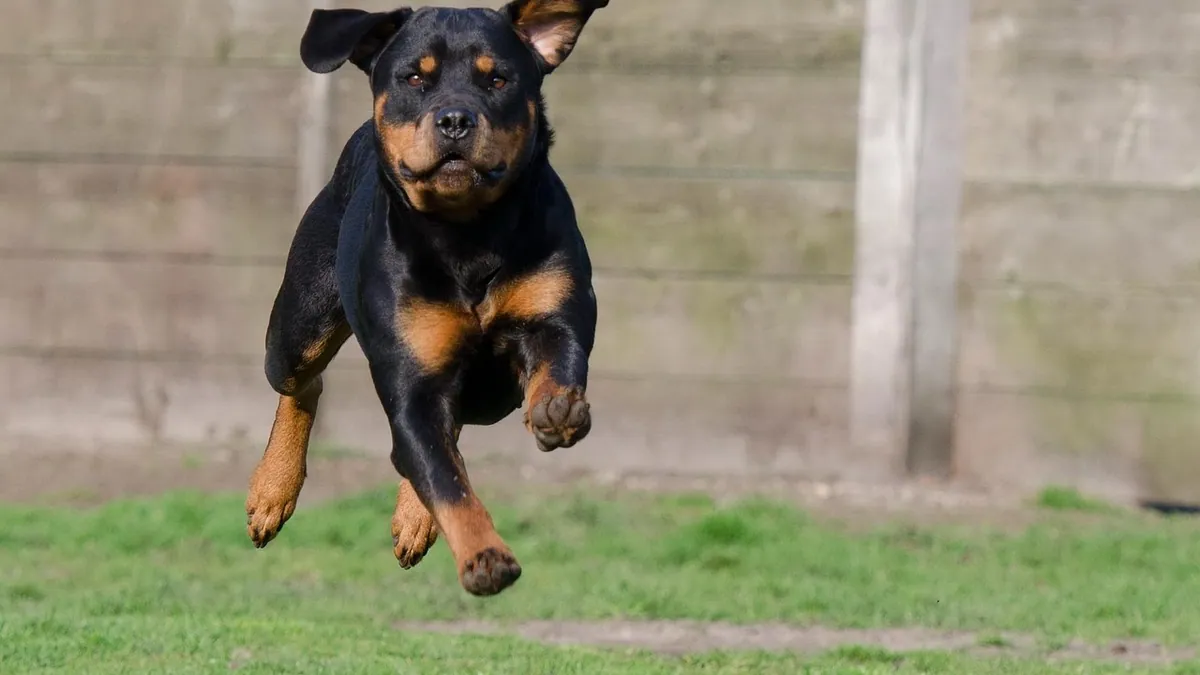
You cannot really stop zoomies, and in most healthy dogs you should not try. Frenetic random activity periods (FRAPs) are a normal, brief release of energy or excitement, especially in puppies and young dogs [1]. If you want to know how to stop my dog from zoomies from turning into chaos, the practical goal is to manage the episodes safely and reduce how often they happen.
This article is educational and is not a substitute for veterinary diagnosis or treatment.
Quick Answer
- Zoomies are normal behavior, not a sign your dog is "crazy" or dominant [1].
- Most episodes last seconds to a few minutes and end on their own.
- The best management is a safe space, no chasing, and no grabbing a running dog.
- More exercise, mental work, and predictable routines reduce how often episodes start [1].
- Sudden new zoomies with limping, collapse, confusion, or drooling need a same-day vet call.
Why Dogs Get the Zoomies
The Normal Reasons
The scientific name for zoomies is frenetic random activity periods, or FRAPs [1]. There is no single known cause [1]. Behavior specialists describe them as a way to release pent-up energy or relieve stress [1].
Think about a dog who has been home alone all day with nothing to do. That dog may explode into laps around the house or yard to burn off hours of under-stimulation [1]. The same thing happens when excitement spikes, such as when you come home after a long absence [1].
Zoomies are most common in puppies and young dogs, but many dogs keep having occasional episodes for their whole lives [1]. Some owners can trigger an episode with a certain play style or sound, and sometimes a wide-open space is all it takes [1].
The Excitement and Stress Connection
Zoomies often show up at predictable moments. Common triggers include:
- You walk in the door after work.
- A favorite person or dog arrives.
- Bath time ends or a stressful event stops.
- Evening "witching hour" energy in puppies.
- A wide-open yard or a long hallway.
If your dog gets zoomies after a bath, that is usually a release of tension, not fear of water. If they happen every night at the same time, your dog may simply have leftover energy.
Why Puppies Zoom More
Puppies have short attention spans, fast-growing bodies, and lots of energy. They also have less practice regulating excitement. That combination makes FRAPs frequent and dramatic. Puppy zoomies usually become less intense as your dog matures, though some adults never fully outgrow them [1].
Medical Causes to Rule Out
Most zoomies are normal. A sudden change in a dog who never did this before deserves a closer look.
Pain is a common trigger for behavior change. A dog with sore hips, a bad back, or an injured paw may run in short bursts, then limp or stiffen. If your dog limps after a zoomie episode, see Dog Limping Front Leg After Zoomies.
Other health issues that can look like zoomies or make them worse include:
- Seizure activity, especially if the running comes with confusion, drooling, or loss of awareness. If you see these signs, read My Dog Is Having Seizures What To Do.
- Tremors or shaking that owners mistake for excitement. See Why Is My Dog Shaking?.
- Hormonal problems, chronic pain, and skin or ear conditions that cause sudden discomfort.
- Cognitive changes in senior dogs, which can cause pacing and restlessness that looks different from classic zoomies.
Research on self-control in dogs shows that attention and hyperactivity traits affect how well a dog can wait for a reward, and training level changes that relationship [2]. This does not mean every zooming dog has a behavior disorder. It does mean that some dogs need more structured help than others.
When Zoomies Become a Problem
Zoomies are a problem when they put your dog or your household at risk. Watch for these patterns:
- Your dog crashes into furniture, walls, or people.
- Episodes happen on stairs, near roads, or on slick floors.
- Your dog cannot be interrupted or redirected at all.
- Zoomies turn into nipping, mounting, or grabbing at people.
- Episodes last much longer than a few minutes or happen many times a day.
- Your dog seems distressed, not playful, during or after the episode.
- Your senior dog suddenly starts pacing or circling at night.
Leash aggression is a separate but related concern. Some dogs who zoom and then lunge at other dogs on walks need a behavior plan. See Dog Aggression on Leash: Why It Happens and How to Manage.
How to Stop My Dog From Getting Zoomies So Often
You cannot switch off the behavior, but you can lower the odds it happens indoors at full speed.
Step 1: Meet Exercise Needs Before They Build Up
A tired dog zooms less. Aim for daily physical activity that fits your dog's age, breed, and health. A long sniffy walk often does more than a fast run because it uses your dog's brain.
Step 2: Add Mental Work
Food puzzles, training games, and chew items give your dog a job. Mental effort drains energy in a way that running alone does not. Short training sessions also build impulse control, which is the skill your dog needs to pause before exploding.
Step 3: Build a Predictable Routine
Dogs do better with rhythm. Feed, walk, train, and rest at similar times each day. Predictable days reduce the stress that can trigger FRAPs [1].
Step 4: Create a Safe Zoom Zone
Pick one area where zoomies are allowed. A fenced yard, a carpeted hallway, or a room with no sharp corners works well. Clear breakables and block stairs. If your dog zooms on hard floors, add rugs or mats for traction.
Step 5: Teach a Cue That Ends the Fun Safely
You can teach a "settle" or "mat" cue during calm moments, not mid-zoom. Practice when your dog is relaxed:
- Send your dog to a mat or bed.
- Reward calm behavior with treats and praise.
- Repeat in short sessions daily.
- Add the cue word once your dog understands the task.
During an actual episode, use the cue only if your dog can hear you. If they are fully locked in, do not chase or grab. Stand still, avoid eye contact, and let the burst burn out.
Step 6: Interrupt Early, Not Late
The best time to redirect is the first second. If you see the pre-zoom look (wide eyes, tucked rear, sudden crouch), call your dog to you and ask for a simple behavior like a sit or touch. Reward heavily. You are teaching your dog that checking in with you pays better than sprinting.
Step 7: Use Enrichment to Prevent Boredom
Boredom is a major trigger for FRAPs in dogs left alone all day [1]. Rotate toys, use food-dispensing puzzles, and consider a dog walker or daycare on long workdays. Some dogs also enjoy screen content, and owners report that many dogs approach the screen and vocalize when watching [3]. This is not a substitute for exercise, but it can add interest to a quiet afternoon.
What Not to Do
Do Not Punish the Zoomies
Yelling, swatting, or grabbing a zooming dog can turn a happy burst into fear or defensive behavior. Punishment also does not teach your dog what to do instead. It can make the next episode more frantic.
Do Not Chase Your Dog
Chasing turns zoomies into a game you will lose. It also risks injury if your dog runs into something while looking back at you.
Do Not Grab or Tackle
A dog at full speed can twist, fall, or bite by accident. Wait for the episode to end, then calmly leash your dog if you need control.
Do Not Believe These Myths
- "Zoomies mean my dog is dominant." No. Zoomies are not about rank [1].
- "Zoomies mean my dog is aggressive." Usually no. Zoomies are play and energy release [1].
- "My dog zooms because they are mad at me." There is no evidence for revenge-based zoomies.
- "I should never let my dog zoom." Zoomies are normal and often healthy [1]. The goal is safety, not elimination.
Do Not Use Aversive Training Tools
Shock collars, prong collars, and harsh corrections are not needed for zoomies. They can increase anxiety and damage your relationship with your dog. Research on puppy resource management shows that early experiences and training methods shape adult behavior [4]. Kind, consistent training is the better path.
How to Get My Dog to Do Zoomies on Cue
Some owners want more zoomies, not fewer. You can encourage them in a safe space.
- Use a high-pitched happy voice and a specific word or sound.
- Play in a fenced yard or a carpeted room with no obstacles.
- Try a toy that invites running, like a flirt pole or a tug toy.
- Keep sessions short and end while your dog is still having fun.
- Reward with praise and a calm activity afterward.
If your dog never zooms, that is also normal. Not every dog has FRAPs, and a calm dog is not a broken dog.
When to Call a Veterinarian or Behavior Professional
Contact your veterinarian if:
- Zoomies start suddenly in a middle-aged or senior dog who never did this before.
- Your dog limps, yelps, or stiffens after episodes.
- Episodes come with drooling, confusion, staring, or loss of awareness.
- Your dog cannot settle at all, even after exercise.
- Zoomies turn into biting, growling, or guarding.
- Your dog is injuring themselves or others.
A certified behavior professional can help if the behavior is intense, frequent, or paired with anxiety. Ask your veterinarian for a referral to a veterinary behaviorist or a certified applied animal behaviorist.
Limitations and When to Contact a Veterinarian
This article cannot tell you whether your dog's zoomies are normal or a symptom. Only a veterinarian who examines your dog can do that. Individual cases need a veterinarian.
Call your veterinarian the same day if your dog:
- Limps or refuses to bear weight after a zoomie episode.
- Seems painful, stiff, or reluctant to move.
- Has a sudden change in behavior, appetite, or sleep.
- Is a senior dog with new nighttime pacing or circling.
Go to an emergency clinic now if your dog:
- Collapses, faints, or cannot stand.
- Has a seizure or a suspected seizure.
- Breathes heavily and cannot settle after the episode ends.
- Shows sudden weakness, wobbling, or a head tilt.
- Has pale gums, a racing heart, or seems unresponsive.
If you think your dog ate something toxic, call your veterinarian or a pet poison control hotline right away. Do not wait for symptoms.
Frequently Asked Questions
Should I stop my dog from having zoomies?
No, in most healthy dogs zoomies are normal and should not be stopped [1]. Your job is to keep the environment safe and reduce triggers that lead to indoor chaos. If episodes are frequent, intense, or paired with other symptoms, talk to your veterinarian.
Why does my dog get zoomies at night?
Nighttime zoomies often happen when energy has built up during a quiet day. A dog who rested all day may release that energy in the evening [1]. A longer afternoon walk, a training session, or a food puzzle can reduce nighttime episodes.
Can zoomies be a sign of a medical problem?
Yes, sometimes. Pain, seizures, and some neurological or hormonal conditions can cause sudden running or pacing that looks like zoomies. If the behavior is new, sudden, or comes with limping, confusion, or drooling, see your veterinarian.
Do zoomies mean my dog is happy?
Often, yes. Zoomies usually happen during play, excitement, or after a stressful event ends [1]. A dog with a loose body, a play bow, and a wagging tail is likely having fun. A dog with a stiff body, tucked tail, or growling is not.
How do I stop my puppy from zoomies?
You do not stop puppy zoomies, you manage them. Puppies zoom because they have lots of energy and little impulse control [1]. Give your puppy safe exercise, short training sessions, naps, and a puppy-proofed zoom zone, and the episodes will usually become less intense with age.
Related Articles
- Dog Aggression on Leash: Why It Happens and How to Manage
- Dog Limping Front Leg After Zoomies
- My Dog Is Having Seizures What To Do
- What To Do When Dog Gets Seizures
- Why Is My Dog Shaking?
- Why Is My Dog Scooting?
- Why Do Dogs Get the Zoomies? Causes and When to Worry
- Why Do Puppies Get the Zoomies? Normal or a Problem?
- Dog Zoomies: How Long They Last and What They Mean
References
- What are zoomies?. Cornell University College of Veterinary Medicine.
- Self-control is associated with the interaction of ADHD-like traits and training level in dogs. Veterinary journal (London, England : 1997), 2025.
- Screen interaction behavior in companion dogs: results from a dog owner survey. Applied animal behaviour science, 2024.
- Resource management practices of Canadian and American domestic dog breeders and associations with puppy competitive behaviour: A cross-sectional study. Animal welfare (South Mimms, England), 2026.