Dog Zoomies: How Long They Last and What They Mean
By Dr. Zubair Khalid, DVM, MS, PhD ·
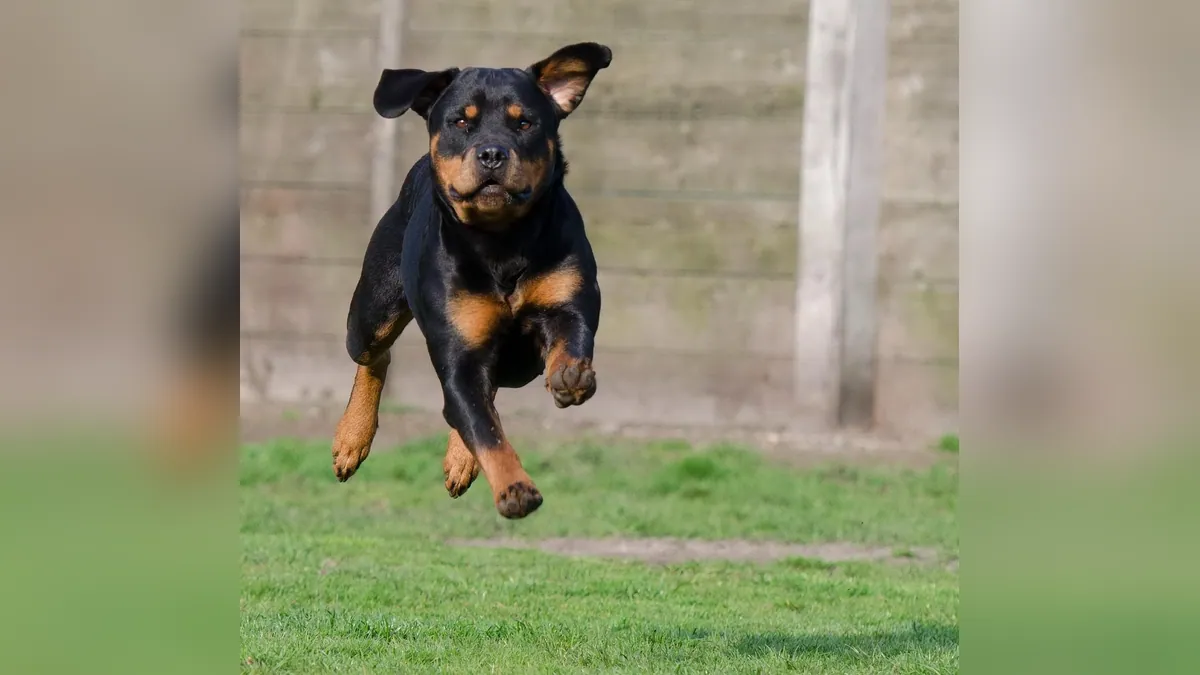
Most dog zoomies last anywhere from 30 seconds to about 5 minutes. During that short burst, your dog races in circles, tucks their rear end, and looks completely wild. The behavior is normal in most cases, and it has a real name: frenetic random activity periods, or FRAPs [1].
This article is educational and is not a substitute for veterinary diagnosis or treatment.
Quick Answer
- A typical zoomies episode lasts under 5 minutes, though some dogs run longer if they are in a big yard or highly excited.
- Zoomies are most common in puppies and young dogs, but many dogs keep having them occasionally for their whole lives [1].
- Common triggers include pent-up energy after being alone, excitement when you come home, and open spaces [1].
- Zoomies are usually normal play behavior, not a sign of illness or a behavior disorder.
- If zoomies come with limping, yelping, panting that will not stop, or a sudden change in personality, call your veterinarian.
Why Dogs Get the Zoomies
Veterinarians do not know one single cause of FRAPs [1]. What they do know is that zoomies tend to show up in predictable situations.
The most common reason is stored-up energy. A dog who has been home alone all day with nothing to do may need to burn off that energy and get relief from hours of boredom [1]. You may see this as a burst of laps around the living room the moment you walk in the door.
Excitement is another trigger. Zoomies often happen when a dog becomes very excited, such as when an owner returns after a long absence [1]. Some dogs also start zooming when you play a certain way or make a specific sound that sets them off [1]. Others just need a wide-open space to launch into it [1].
Stress can play a role too. FRAPs may help a dog release tension [1]. A dog who has been crated for a long time, heard loud noises, or had a scary vet visit may zoom afterward. This does not automatically mean the dog is suffering. It means the behavior can serve more than one purpose.
When Do Dogs Get Zoomies?
Timing varies by dog, but owners often notice zoomies:
- Right after you come home
- After a long nap or a boring day alone
- During or after exciting play
- After a bath or a grooming session
- In the evening, which is why some people call it "midnight madness" [1]
- In a big open yard or field
How Often Do Dogs Get Zoomies?
There is no standard number. Some dogs zoom once a day. Others do it a few times a week. Some go weeks without a full episode. Frequency depends on age, breed energy level, daily exercise, and how much mental stimulation your dog gets.
If your dog zooms more often than usual and seems restless or unable to settle, that change is worth a conversation with your veterinarian.
How Long Do Puppy Zoomies Last?
Puppy zoomies usually last about the same as adult episodes, often 1 to 5 minutes. Puppies simply have them more often. FRAPs are most common in puppies and young dogs [1]. A young dog may zoom several times a day, especially in the evening.
Puppy zoomies can look alarming because puppies are clumsy and fast. They may crash into furniture or slide across smooth floors. Most of the time, the puppy is fine and stops on their own within a minute or two.
When Do Dogs Stop Getting Zoomies?
Many dogs never fully stop. FRAPs are most common in puppies and young dogs, but other dogs continue to get the zoomies once in a while for their whole lives [1]. Senior dogs usually have shorter, gentler episodes, or they stop zooming because of arthritis, pain, or lower energy. If a dog who used to zoom suddenly stops moving around, that is a reason to check in with your vet.
Medical Causes to Rule Out
Zoomies themselves are not a disease. The concern is when the behavior looks like zoomies but is actually something else.
A few medical problems can cause sudden bursts of frantic movement or restlessness:
- Pain. A dog with a sore back, hip, or knee may bolt or spin when a nerve fires or a joint catches. Look for yelping, limping, or reluctance to be touched during or after the episode.
- Seizure activity. Some focal seizures cause sudden running, spinning, or fly-snapping. These episodes often look repetitive and the dog may seem dazed afterward.
- Compulsive disorders. Some dogs develop repetitive spinning, tail chasing, or pacing that is not playful. This is different from a happy zoomie.
- Skin or ear problems. Intense itching or an ear infection can make a dog run and shake suddenly.
- Hormonal or metabolic issues. These are less common causes of sudden running, but they can affect energy and behavior.
A dog with a normal zoomie has a loose, bouncy body, a play bow, or a happy face. A dog in pain or having a seizure often has a stiff body, a fixed stare, or a change in awareness. If you cannot tell the difference, record a short video and show it to your veterinarian.
When Zoomies Become a Problem
Zoomies are a problem when they cause injury or distress. That includes:
- Your dog crashes into furniture, walls, or people
- Your dog slips on hard floors and hurts a joint
- Your dog zooms on stairs or near a road
- Your dog cannot be calmed or redirected
- Your dog growls, snaps, or guards space during the episode
- Your dog zooms so hard they pant for a long time afterward
- Your dog seems anxious, not playful
Brachycephalic breeds (flat-faced dogs such as pugs, French bulldogs, and Boston terriers) need extra care. These dogs have anatomically narrow, load-sensitive upper airways, which makes breathing harder during intense activity [2]. A short zoomie may be fine, but heavy panting, blue gums, or noisy breathing during or after zoomies needs veterinary attention.
If your dog is a flat-faced breed and you are planning any procedure or sedation, ask your veterinarian how they manage airway safety. That is a separate topic from zoomies, but it matters for this group of dogs.
What to Do Step by Step
You do not need to stop normal zoomies. You do need to keep them safe and make sure your dog's daily needs are met.
1. Add more exercise and enrichment
If zoomies happen because of stored energy, the fix is more activity before the zoomie window. A tired dog zooms less. Aim for daily walks, sniff time, and play that fits your dog's age and health. Mental work counts too. Food puzzles, training games, and chew toys can drain energy without stressing joints.
2. Build a predictable routine
Dogs do better when they know what comes next. Feed, walk, and play at similar times each day. If your dog zooms every evening at 8 p.m., plan a walk or a training session at 7:30 p.m.
3. Make the space safe
Clear the zoomie zone. Move breakable items, block stairs, and put non-slip rugs on slick floors. If your dog zooms near a door, keep them leashed or use a baby gate until the episode passes.
4. Teach a calm cue
Pick a word like "settle" and reward your dog for lying down quietly. Practice when your dog is already calm, not in the middle of a zoomie. Over time, the cue can help your dog downshift after play.
5. Use a safe outlet
If your dog needs to run, give them a fenced yard or a long line in a safe area. Fetch, flirt poles, and tug are good options. Avoid chasing your dog during zoomies, which can turn into a game of keep-away and make the behavior harder to end.
6. Check the trigger
Write down when zoomies happen for a week. You may find a pattern, such as after being alone, after meals, or after visitors. Once you know the trigger, you can change the setup.
What Not to Do
Do not punish zoomies. Yelling, grabbing, or chasing a zooming dog can increase excitement or fear. It can also turn a harmless burst into a conflict.
Do not assume every zoomie is "just energy." If the episode looks different from your dog's normal zoomies, get it checked.
Do not use a crate as punishment after zoomies. That teaches your dog that normal play leads to isolation.
Do not rely on myths. Zoomies are not a sign that your dog is "dominant" or trying to be the boss. They are not a seizure in most cases. They are also not a guaranteed sign of a medical problem. They are a normal behavior pattern in many dogs [1].
Do not compare your dog's zoomie schedule to another dog's. Age, breed, health, and daily routine all change how often and how long zoomies last.
If you are also tracking other normal dog body changes, our guides on How Long Does A Dog Period Last and How Long Do Dogs Live can help you keep good records for your vet.
When to Involve a Veterinarian or Behavior Professional
Call your veterinarian if:
- Zoomies start suddenly in an older dog who never did this before
- Your dog yelps, limps, or holds up a leg during or after zoomies
- Your dog seems confused, dazed, or wobbly after an episode
- Your dog cannot be redirected or calmed
- Your dog injures themselves or someone else
- Your dog pants heavily, coughs, or has trouble breathing
- Your dog's personality changes
Ask for a referral to a certified behavior professional if the behavior is repetitive, hard to interrupt, or linked to anxiety. A veterinary behaviorist can assess for compulsive disorders and design a treatment plan.
Limitations and When to Contact a Veterinarian
This article cannot tell you whether your dog's specific episode is normal. Individual cases need a veterinarian who can examine your dog, ask about the full history, and watch a video of the behavior.
Contact your veterinarian the same day if your dog has a first-time episode that looks different from normal, if they seem painful, or if they are not acting like themselves after the zoomies.
Go to an emergency clinic now if your dog collapses, has trouble breathing, has a seizure that lasts more than a few minutes, or cannot stand or walk normally.
Schedule a routine visit if zoomies are getting more frequent, more intense, or harder to manage. Bring a video. It is one of the most useful things you can give your vet.
Frequently Asked Questions
Can zoomies hurt my dog?
They can if your dog slips, falls, or crashes into something. Most zoomies are harmless, but flat-faced breeds and dogs with joint disease need extra care during intense activity.
Are zoomies a sign of anxiety?
Sometimes. FRAPs may help a dog release pent-up energy or alleviate stress [1]. If your dog zooms after scary events, hides, or seems tense, talk to your veterinarian about anxiety.
Should I stop my dog's zoomies?
You usually do not need to stop them. You should redirect them to a safe space and make sure your dog gets enough exercise and mental activity each day.
Do zoomies mean my dog is happy?
Often, yes. Many zoomies happen during play and excitement, such as when you come home [1]. A loose body, play bow, and wagging tail point to fun, not fear.
Can I train my dog to stop zooming on command?
Yes, with practice. Teach a calm cue during quiet moments, reward settling, and use it before zoomies start. If your dog cannot respond, the episode is too far along, so wait it out safely.
Do older dogs still get zoomies?
Some do. FRAPs are most common in puppies and young dogs, but other dogs continue to get the zoomies once in a while for their whole lives [1]. Senior dogs may zoom less because of pain or lower energy.
Related Articles
- How Long Does A Dog Period Last
- How Long Do Dog Periods Last
- How Long Do Dogs Live For
- How Long Does A Dogs Heat Last
- How Long Do Dogs Live
- How Long Can A Dog Go Without Eating And Be Ok
- Are Dog Zoomies Good or Bad? What They Mean
- Dog Zoomies: Why They Happen and How to Manage Them
- What Do Dog Zoomies Mean? Normal or a Warning Sign
References
- What are zoomies?. Cornell University College of Veterinary Medicine.
- Timing-controlled concept for extubation in brachycephalic dogs: α2-bridged on-demand extubation. Frontiers in veterinary science, 2026.