Why Does My Dog Get Zoomies After Pooping?
By Dr. Zubair Khalid, DVM, MS, PhD ·
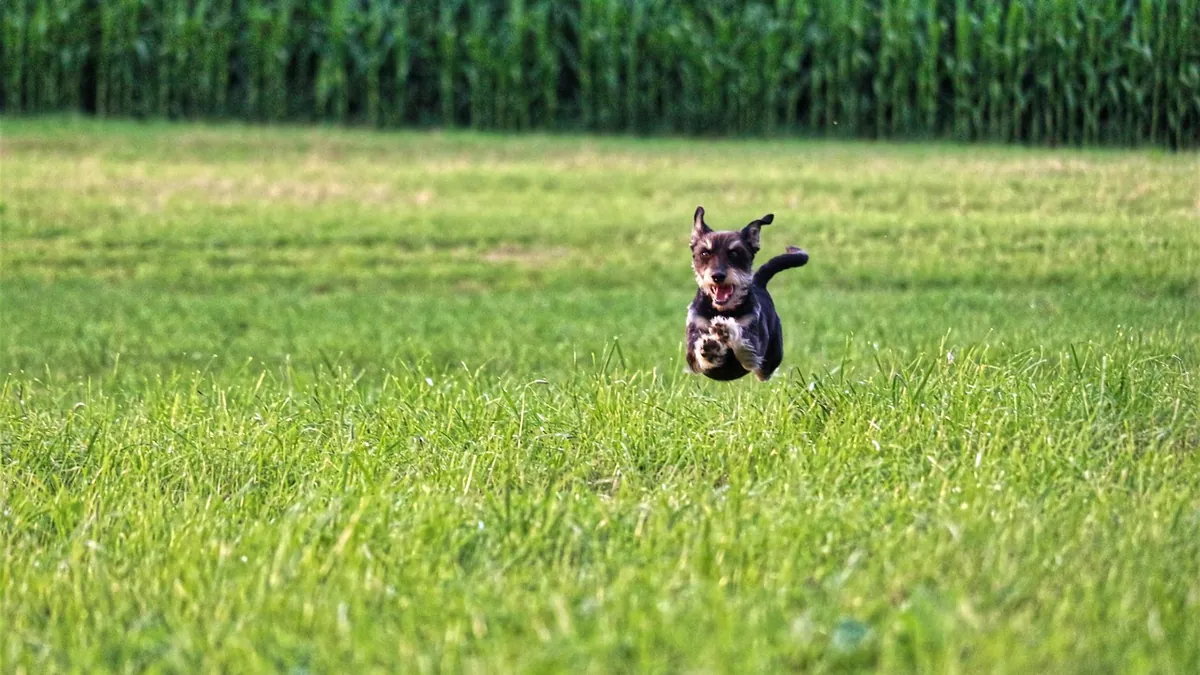
Dog zoomies after pooping are sudden, explosive bursts of running that many dogs do right after they finish a bowel movement. In most cases this is normal, harmless behavior that lets your dog release energy or shake off the effort of pooping. Occasionally, though, post-poop zoomies point to pain, diarrhea, or anal gland problems that need a veterinarian's attention.
This article is educational and is not a substitute for veterinary diagnosis or treatment.
Quick Answer
- Post-poop zoomies are a type of frenetic random activity period (FRAP), the official term for these sudden bursts of running [1].
- FRAPs are most common in puppies and young dogs, but many dogs keep doing them for life [1].
- A single happy sprint after a normal poop is usually nothing to worry about.
- Zoomies that come with straining, diarrhea, licking the rear end, or yelping may mean discomfort, not joy.
- If your dog seems painful, has repeated diarrhea, or the behavior suddenly changes, call your veterinarian.
Why Does My Dog Get Zoomies After Pooping?
The normal reasons
Zoomies have no single known cause. Veterinarians describe them as a way to release pent-up energy or relieve stress [1]. A dog who has been resting or holding still for a while may simply need to burn off energy, and the end of a poop is a natural moment for that release.
Pooping itself involves a small physical effort. Your dog squats, holds a position, and pushes. Once that is done, some dogs feel a rush of relief and let it out as running. Think of it as a stretch and a shake after something mildly uncomfortable.
Excitement plays a role too. FRAPs often happen when a dog gets very excited, such as when you come home after being away [1]. If you praise your dog or reach for a treat bag after a successful outdoor potty, that excitement can trigger a sprint. Some owners accidentally train the zoomies by celebrating every poop.
Puppies and young dogs zoom the most. Their energy is high, their impulse control is low, and the world is exciting. Many dogs grow out of frequent zoomies, though plenty keep the habit in some form for their whole lives [1].
The "pre-poop zoomies" pattern
Some dogs do the opposite and zoom before they poop. This is often a sign that they feel the urge to go and are working up to it. A dog who runs in circles, paces, or spins before squatting may be trying to get the bowel movement moving. This pattern is common in dogs with mild constipation or stool that is a little too firm.
If your dog strains before or during pooping, or if the stool is very hard and small, read Dog Straining to Poop: Causes and When to Help. Straining is one of the clearest signs that the zoomies are about discomfort instead of fun.
The role of smell and scent marking
Dogs learn and communicate heavily through smell [2]. After pooping, many dogs kick their back feet, sniff the ground, or circle the spot. The zoomies may be part of that same post-poop ritual, a burst of activity around a spot they just marked. This is normal canine behavior and not a medical problem.
Medical Causes to Rule Out
Most post-poop zoomies are behavioral. A few are medical. Here is what veterinarians look for when the behavior seems off.
Diarrhea and GI upset
If your dog has loose stool, the zoomies may be a reaction to cramping or urgency. Diarrhea can cause sudden abdominal discomfort, and running can be a way to cope with that feeling. A dog with diarrhea may also zoom because the urge to go comes on fast and they are trying to get outside or find a spot.
Repeated diarrhea is not something to ignore. It can lead to dehydration and can be a sign of infection, parasites, food intolerance, or something your dog ate. If diarrhea lasts more than a day or comes with vomiting, lethargy, or blood, contact your veterinarian. For more on this, see Dog Diarrhea After Eating: Causes and How to Help.
Some dogs get constipated after a bout of diarrhea, and that shift can also trigger odd post-poop behavior. Dog Constipation After Diarrhea: What It Means and How to Help explains that pattern.
Anal gland problems
Anal glands sit on either side of the anus and normally empty a small amount of fluid when a dog poops. If the glands are impacted, infected, or inflamed, pooping can be painful. A dog with anal gland trouble may scoot, lick the rear end, chase the tail, or bolt after pooping. The zoomies here are a pain response, not play.
Signs to watch for include a fishy odor, swelling near the anus, blood or pus on the stool, or your dog crying out when they poop. These need a veterinary exam. Anal glands that are not expressing properly often need to be emptied or treated by a professional.
Pain elsewhere
Any pain that flares when your dog squats or pushes can show up as post-poop zoomies. That includes back pain, hip pain, or arthritis. Older dogs who suddenly start zooming after pooping, especially if they seem stiff afterward, should be checked. A dog limping after a burst of activity may have injured something during the zoom. See Dog Limping Front Leg After Zoomies for that specific pattern.
Parasites and diet
Intestinal parasites can cause irritation that makes pooping uncomfortable. So can a recent diet change or eating something unusual. If your dog's stool looks different, smells unusually foul, or contains mucus, bring a sample to your vet.
When Post-Poop Zoomies Become a Problem
A quick sprint after a normal poop is not a problem. It becomes one when any of these are true.
- The zoomies come with straining, crying, or a hunched posture.
- Your dog's stool is loose, bloody, or contains mucus.
- Your dog scoots, licks the rear end, or has a bad smell near the tail.
- The behavior is new in an older dog.
- Your dog seems painful or stiff after the zoom.
- The zoomies are so intense that your dog risks injury, such as on stairs or near traffic.
- Your dog cannot settle afterward and paces or pants for a long time.
In these cases, the zoomies are a symptom, not a quirk. The underlying issue is what needs attention.
What to Do: Step by Step
1. Watch the whole sequence
Pay attention to what happens before, during, and after the poop. Note the stool's color, consistency, and size. Note whether your dog strains, cries, or scoots. This information helps your veterinarian a lot.
2. Keep potty time calm
If excitement triggers the zoomies, lower the energy around potty breaks. Skip the big praise party right after your dog goes. Give a quiet "good dog" and a calm treat. This can reduce the excitement that fuels the sprint.
3. Give more exercise and enrichment
Since FRAPs often release pent-up energy, more daily activity can help [1]. A longer walk, a game of fetch, or a puzzle toy can drain some of that energy before potty time. Mental work tires dogs too. Sniffing games and training sessions count as exercise for the brain.
4. Manage the environment
If your dog zooms indoors after pooping, keep the path clear. Move breakable items, block stairs, and give your dog a safe space to run, like a fenced yard. If your dog zooms on leash, use a harness and keep a firm grip so they do not bolt into danger.
5. Support good digestion
Feed a consistent diet, keep fresh water available, and transition foods slowly. If your dog has frequent loose stools, talk to your vet about whether a diet change or a stool test is needed. Do not give human medications without veterinary guidance. Your veterinarian calculates any dose from your dog's weight and health.
6. Track it over time
Keep a simple log for a week or two. Note each poop, the stool quality, and whether zoomies followed. Patterns will help you and your vet decide if this is normal behavior or something to treat.
What Not to Do
Do not punish the zoomies
Punishment will not stop a burst of energy that is driven by relief, excitement, or pain. It can make your dog anxious about potty time, which can lead to holding it in or going in the house. If the zoomies are a pain response, punishment adds fear on top of discomfort.
Do not assume it is always harmless
Most post-poop zoomies are normal. But if your dog is straining, scooting, or having diarrhea, the behavior is a clue. Ignoring it can let a treatable problem get worse.
Do not try to "fix" anal glands at home
Expressing anal glands is a job for a veterinarian or trained technician. Doing it wrong can injure the area or push infection deeper. If you smell a fishy odor or see swelling, make an appointment.
Do not fall for common myths
Zoomies are not a sign that your dog is "getting back at you" or "acting guilty." Dogs do not plan revenge. Zoomies are also not proof of a parasite, and they are not always a sign of joy. Watch the whole picture.
When to Involve a Veterinarian or Behavior Professional
Call your veterinarian if the zoomies come with any medical sign: diarrhea lasting more than a day, blood in the stool, straining, scooting, a bad smell near the tail, vomiting, or lethargy. These point to GI or anal gland issues that need diagnosis and treatment.
If your dog's physical health checks out and the zoomies are intense, frequent, or hard to manage, a certified behavior professional can help. Look for a veterinarian who specializes in behavior or a certified applied animal behaviorist. They can assess whether the behavior is driven by anxiety, under-stimulation, or something else.
Limitations and When to Contact a Veterinarian
This article covers common patterns, but every dog is different. Only a veterinarian who examines your dog can diagnose a medical cause. Use the guidance below to decide how fast to act.
Contact a veterinarian the same day if:
- Your dog has diarrhea with vomiting, lethargy, or loss of appetite.
- Your dog strains for more than a few minutes or cries while pooping.
- You see blood or mucus in the stool.
- Your dog scoots constantly or has swelling, redness, or a bad smell near the anus.
- Your dog seems painful after pooping.
Go to an emergency clinic now if:
- Your dog's abdomen looks bloated or hard.
- Your dog is retching without producing anything.
- Your dog collapses, has trouble breathing, or seems disoriented after a zoom.
- Your dog cannot stand or is dragging a limb.
- There is heavy bleeding from the rectum.
Schedule a routine visit if:
- The zoomies are new in an older dog.
- The behavior is getting more intense over weeks.
- Your dog has soft stool most days.
- You want help with training or enrichment.
Frequently Asked Questions
Is it normal for dogs to get zoomies after pooping?
Yes, it is normal for many dogs. A quick burst of running after a bowel movement is a common FRAP, and it usually means your dog is releasing energy or shaking off the effort of pooping. It is only a concern when it comes with pain, straining, or diarrhea.
Why does my dog get zoomies before pooping instead of after?
Pre-poop zoomies often mean your dog feels the urge to go and is working up to it. Pacing, circling, or spinning before squatting can be a sign of mild constipation or hard stool. If your dog strains a lot, have your vet check for a cause.
Can dog zoomies after pooping be a sign of diarrhea?
Sometimes, yes. Loose stool can cause cramping and urgency, and running may be your dog's way of coping with that discomfort. If the diarrhea lasts more than a day or comes with vomiting or blood, call your veterinarian.
Should I stop my dog from zooming after pooping?
You do not need to stop normal, happy zoomies. Make the area safe so your dog cannot get hurt. If the zoomies are intense, painful, or happen on stairs or near traffic, redirect your dog to a calm activity and talk to your vet about the cause.
Do post-poop zoomies mean my dog has anal gland problems?
Not by themselves. Anal gland problems usually come with other signs, such as scooting, licking the rear end, a fishy odor, or crying during pooping. If you see those signs along with the zoomies, make a veterinary appointment.
Related Articles
- Dog Straining to Poop: Causes and When to Help
- Why Does My Dog Eat Poop?
- Dog Diarrhea After Eating: Causes and How to Help
- Dog Limping Front Leg After Zoomies
- Dog Constipation After Diarrhea: What It Means and How to Help
- Dog Not Pooping but Eating Normally: Causes and Solutions
- Why Do Dogs Get the Zoomies? Causes and When to Worry
- Dog Zoomies: Why They Happen and How to Manage Them
- Why Does My Dog Get Zoomies After a Walk?
References
- What are zoomies?. Cornell University College of Veterinary Medicine.
- Why dogs prefer zoomies to zoom and what it tells us about the importance of in-person meetings for learning and memory. Cognitive processing, 2025.