How Long Do Cat Zoomies Last? Normal vs Too Much
By Dr. Zubair Khalid, DVM, MS, PhD ·
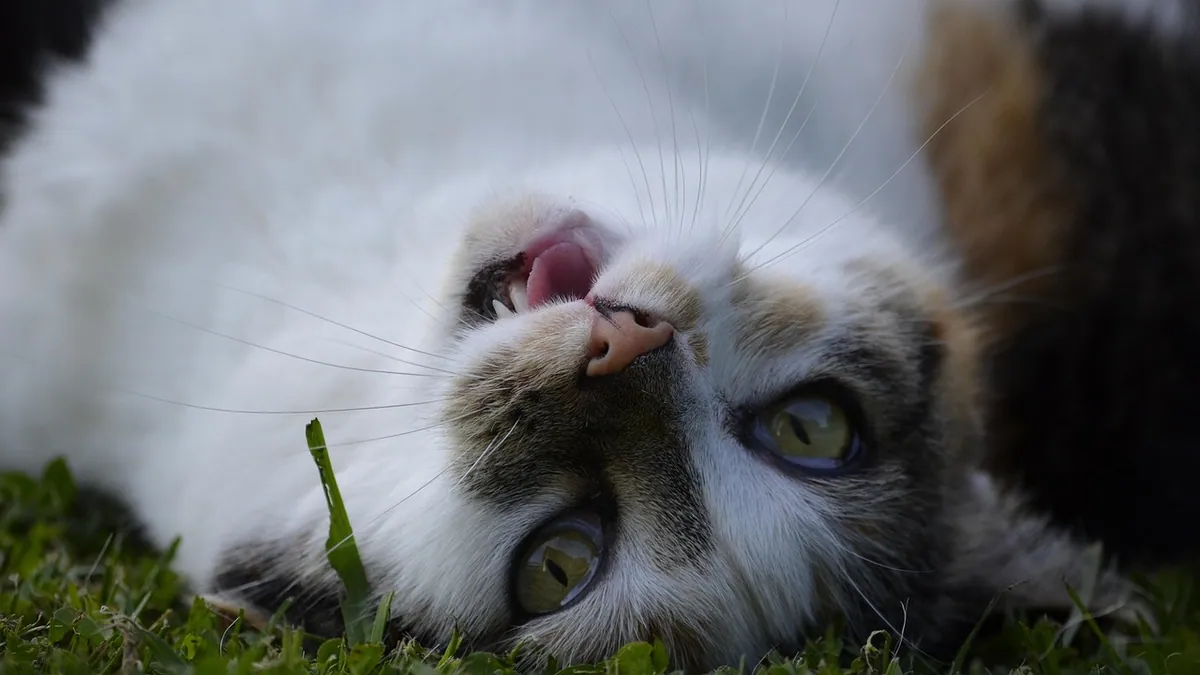
Most cat zoomies last somewhere between one and ten minutes. A healthy cat or kitten may sprint, pounce, and tear around the house for a few minutes, then flop down and act completely normal. How long cat zoomies last depends on your cat's age, energy level, and what set off the burst in the first place.
This article is educational and is not a substitute for veterinary diagnosis or treatment.
Quick Answer
- A typical zoomie episode runs about 1 to 10 minutes, though some cats stretch it to 15 minutes with short pauses.
- Kittens and young cats have zoomies more often, sometimes several times a day, because they have more energy to burn.
- Most cats outgrow the most intense zoomies by 1 to 2 years of age, but many adults still get them for life.
- Nighttime zoomies are common and usually linked to a cat's natural crepuscular schedule (active at dawn and dusk).
- If zoomies come with crying, panting, drooling, confusion, or aggression, that is not normal play and needs a vet visit.
Why Cat Zoomies Happen (Normal Reasons First)
Zoomies, sometimes called frenetic random activity periods, are sudden bursts of running, jumping, and pouncing. In a healthy cat, they are a release valve for built-up energy. Your cat may race from room to room, attack a toy, skid across the floor, then stop as suddenly as they started.
Built-up energy
Indoor cats often have more energy than they have outlets for. If your cat sleeps most of the day and gets little active play, that energy has to go somewhere. A five-minute sprint is often the result.
Hunting instincts
Cats are wired to hunt in short, intense bursts. A zoomie session mimics the chase, pounce, and capture sequence, even when the "prey" is a crumpled receipt or a shadow on the wall.
Litter box or litter box stress
Some cats sprint away from the litter box after they go. This can be simple post-poop excitement, but it can also signal discomfort. If your cat races away from the box, strains, or cries, read Cat Not Pooping: How Long Is Too Long? and talk to your vet.
Time of day
Cats are crepuscular, meaning they are most active around dawn and dusk. That is why so many owners ask about kitten zoomies at night. Your cat's internal clock says it is hunting time, even if yours says it is bedtime.
Age
Kittens and adolescents have the most zoomies. Their bodies are growing, their brains are learning, and their energy reserves are huge. Older cats usually slow down, though a senior cat can still surprise you with a sudden burst.
How Long Do Kitten Zoomies Last?
Kitten zoomies usually last about 5 to 15 minutes, and they can happen several times a day. A kitten may sprint, climb, bite, and tumble, then crash into a deep sleep. This pattern is normal and expected.
Kitten zoomies at night are especially common. Your kitten may wake around 2 or 3 a.m. and decide the hallway is a racetrack. This is not spite. It is a young cat with a full tank and no outlet.
You can reduce nighttime episodes by adding active play before bed. Two or three short sessions with a wand toy, ending with a small meal, can mimic the natural hunt-eat-groom-sleep cycle. Many kittens settle into a calmer routine as they mature.
When Do Cat Zoomies Stop?
Most cats have fewer and shorter zoomies as they reach adulthood, often by 1 to 2 years of age. Some cats keep a daily burst for their whole lives, especially if they live indoors with limited exercise.
Zoomies do not stop on a fixed schedule. A cat who gets plenty of play, climbing space, and mental stimulation may have shorter, less frantic episodes. A bored cat may keep having intense zoomies well into adulthood.
If your adult cat suddenly starts having zoomies for the first time, or the episodes become more intense, that change is worth a vet visit. New behavior in an adult cat can point to a medical issue.
How Often Should Cats Get Zoomies?
There is no exact number that fits every cat. Many healthy cats have one or two short episodes a day. Kittens may have three or more. Some cats go days without a noticeable zoomie and are perfectly fine.
What matters more than frequency is the pattern. A cat who has always had a daily evening sprint is normal. A cat who suddenly starts racing, crying, and pacing at all hours is not.
Medical Causes to Rule Out
Most zoomies are normal. A small number are not. If the behavior is new, intense, or paired with other signs, your veterinarian will want to rule out medical causes.
Pain or discomfort
A cat in pain may run, vocalize, or pace. Dental disease, arthritis, and abdominal pain can all change behavior. If your cat is also eating less, read Cat Not Eating: How Long Is Too Long? and Cat Not Eating But Acting Normal: How Long Can You Wait?.
Urinary problems
Cats with bladder inflammation or blockage may pace, cry, and race around. A blocked cat cannot pee, and that is a life-threatening emergency. Learn the warning signs in How Long Can A Healthy Cat Go Without Peeing.
Neurological or metabolic disease
In rare cases, hyperactivity and vocalization can be a sign of a serious metabolic problem. One report described a cat who developed vocalization, panting, hyperactivity, and then coma after receiving parenteral nutrition with an amino acid solution that was deficient in arginine and had a low branched-chain to aromatic amino acid ratio [1]. This is a specific hospital situation, not something that happens at home, but it shows that sudden hyperactivity can sometimes have a medical cause.
Toxin exposure
Some toxins cause restlessness, tremors, or hyperactivity. If you suspect your cat ate something poisonous, call your veterinarian or a pet poison hotline right away.
Hyperthyroidism and other conditions
Older cats with an overactive thyroid can become restless, vocal, and active at odd hours. Your vet can check for this with a blood test.
Botulism and other neurologic disease
Botulism in cats causes weakness and paralysis, not zoomies, but it is a reminder that neurologic signs in cats deserve prompt evaluation. In one outbreak, 21 cats developed flaccid tetraparesis, and 8 died [2]. If your cat is weak, wobbly, or unable to use their limbs normally, seek emergency care.
When Zoomies Become a Problem
Zoomies cross the line from normal to concerning when they change your cat's quality of life or yours. Watch for these patterns.
- The episodes last much longer than usual, or your cat cannot seem to settle afterward.
- Your cat cries, howls, pants, drools, or looks confused during or after the episode.
- Your cat becomes aggressive toward you, other pets, or themselves.
- The behavior is new for an adult cat who never did this before.
- Your cat is losing weight, eating less, or having litter box changes.
- The episodes happen all night and your cat is not sleeping.
- Your cat hurts themselves running into walls or furniture.
Any of these signs means it is time to call your veterinarian.
What to Do Step by Step
You can shape zoomie behavior with a few simple changes. Start with the easiest steps.
1. Add active play every day
Set aside 10 to 15 minutes, twice a day, for interactive play. Use a wand toy, laser pointer (always ending on a real toy), or a stuffed kicker. Aim for a full hunt-catch-kill sequence so your cat feels satisfied.
2. Play before meals and before bed
A short play session followed by a meal can help your cat sleep through the night. This works especially well for kittens with nighttime zoomies.
3. Feed a consistent schedule
Free-feeding can leave some cats with energy spikes. Scheduled meals may help regulate activity. Your veterinarian can help you choose a feeding plan.
4. Enrich the environment
Cats need vertical space, scratching posts, window perches, and things to climb. Environmental enrichment is a core part of managing many feline behavior and health problems. In a survey of cat owners whose cats had obstructive feline idiopathic cystitis, veterinarians most often gave advice about diet, water intake, and litter boxes, and owners reported high compliance with those recommendations [3]. The same principle applies to behavior: a richer environment gives your cat more outlets.
5. Set up a nighttime routine
If your cat wakes you at night, avoid rewarding the behavior. Do not get up to play or feed. Instead, offer a late-evening play session and a small meal, then keep the bedroom quiet and dark.
6. Use puzzle feeders
Food puzzles make your cat work for meals and burn mental energy. This can reduce the intensity of zoomies.
7. Keep a simple log
Write down when zoomies happen, how long they last, and what happened before. This helps you and your vet spot patterns.
What Not to Do
Some common responses make zoomies worse.
- Do not punish your cat. Yelling, spraying water, or hitting creates fear and can damage your relationship. It does not stop the behavior.
- Do not lock your cat in a small room as punishment. This adds stress and can lead to other behavior problems.
- Do not assume all zoomies are bad. Most are normal and even healthy.
- Do not ignore sudden changes. A cat who has never had zoomies and suddenly starts is different from a kitten who has always done it.
- Do not use human medications to calm your cat. Some are toxic to cats. Your veterinarian will calculate any dose based on your cat's weight and health.
- Do not skip the vet because the behavior seems harmless. A quick exam can rule out pain, thyroid disease, and urinary problems.
When to Involve a Veterinarian or Behavior Professional
Call your veterinarian if the zoomies are new, intense, or paired with any other sign. Your vet can do a physical exam, check blood work, and look for pain or metabolic disease.
Ask for a referral to a certified behavior professional if:
- Your cat is aggressive during episodes.
- The behavior is harming your cat or your household.
- You have tried play, enrichment, and routine changes without improvement.
- Your cat seems anxious, fearful, or unable to relax.
A behavior professional can build a plan that fits your cat's specific triggers and your home.
Limitations and When to Contact a Veterinarian
This article covers general patterns. Every cat is different, and individual cases need a veterinarian who can examine your cat in person.
Contact your veterinarian the same day if your cat:
- Has zoomies with crying, panting, or drooling that is new.
- Is pacing and cannot settle.
- Is eating less or losing weight.
- Has changes in litter box use.
- Seems painful when touched.
Go to an emergency clinic now if your cat:
- Cannot urinate or is straining with no urine.
- Is weak, wobbly, or unable to stand.
- Is having trouble breathing.
- Collapses or has a seizure.
- May have eaten a toxin.
Schedule a routine visit if your cat's zoomies have changed gradually, if you have questions about enrichment, or if you want help with a nighttime routine.
Frequently Asked Questions
How long do cat zoomies last at night?
Nighttime zoomies usually last about 5 to 15 minutes. They often happen around dawn or dusk because cats are naturally most active then. A late-evening play session and a small meal can shorten them.
Do all cats get zoomies?
No, not all cats do. Many cats have them, especially kittens and young adults, but some calm cats rarely sprint. A cat who never has zoomies can still be perfectly healthy.
Can zoomies be a sign of pain?
Yes, sometimes. A cat in pain may run, pace, or vocalize. If the behavior is new or comes with eating or litter box changes, see your vet.
Should I play with my cat during zoomies?
It is better to wait until the burst ends, then offer calm play. Chasing or grabbing during a zoomie can overstimulate your cat and lead to biting. Use a toy, not your hands.
Can I stop my cat's zoomies completely?
You cannot stop normal zoomies, and you should not try. You can reduce how often and how intense they are with daily play, enrichment, and a steady routine. If the behavior is extreme, your vet can help you look for a cause.
Related Articles
- Cat Not Pooping: How Long Is Too Long?
- Cat Not Eating: How Long Is Too Long?
- Cat Hissing at New Kitten: How Long Will It Last?
- Cat Not Eating But Acting Normal: How Long Can You Wait?
- How Long Can A Healthy Cat Go Without Peeing
- How Often Should My Senior Cat See the Vet? A Schedule for Healthy Aging
- Cat Zoomies: Normal, Good, or a Warning Sign?
- Why Do Cats Get the Zoomies? Normal vs Problematic
- Zoomies in Older Cats: Is It Normal for Seniors?
References
- Effect of Parenteral Amino Acid Composition on Hyperammonemia in a Cat with Hepatic Lipidosis. Journal of the American Animal Hospital Association, 2026.
- Feline botulism: two decades and two reports. Veterinary research communications, 2025.
- Cat owners' perceptions of multimodal environmental modification advice for obstructive feline idiopathic cystitis. Journal of feline medicine and surgery, 2025.