How to Stop Your Dog Waking You Up Too Early
By Dr. Zubair Khalid, DVM, MS, PhD ·
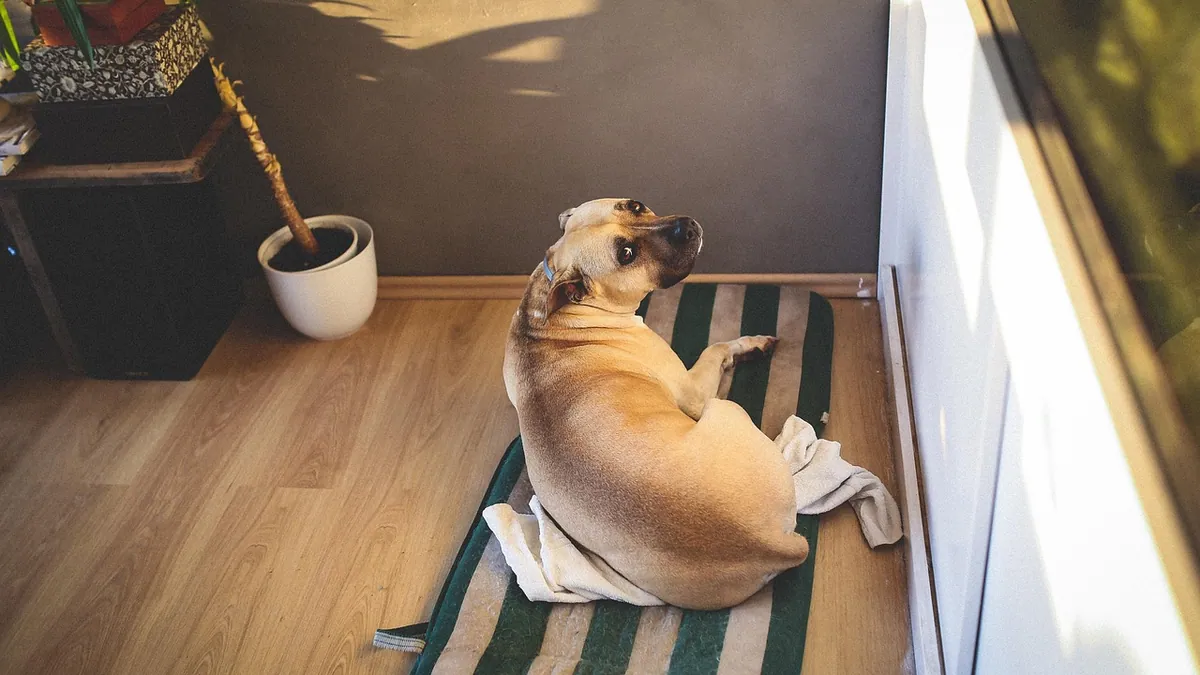
If your dog is waking you at 3 to 5 a.m., the cause is usually a body clock that has drifted earlier, not a dog who is trying to annoy you. You can shift that clock with light, meal timing, and a later last-out trip, and most dogs adjust within one to two weeks. This article explains how to stop my dog from waking up so early, and when early waking points to pain, anxiety, or a medical problem instead.
This article is educational and is not a substitute for veterinary diagnosis or treatment.
Quick Answer
- Dogs wake early because their internal clock has shifted, they are hungry, they need to go out, or they are reacting to light and sound in the environment.
- Push the schedule later in small steps. Move bedtime, the last out trip, and breakfast by 15 minutes every few days instead of all at once.
- Keep the room dark and quiet until your target wake time, because light and activity are the main signals that tell a dog the day has started.
- Rule out medical causes first if the waking is new, comes with pacing, panting, or accidents, or started after a change in health or medication.
- Never punish early waking. Punishment adds stress and usually makes the behavior worse.
Why Your Dog Wakes Up at 3 to 5 AM
Dogs are crepuscular by nature, meaning they tend to be most active around dawn and dusk. A 4 a.m. wake-up is close to that natural surge, so a small nudge in the schedule can tip a dog from sleeping to fully awake.
Sleep itself matters for health. Sleep is essential for animal health and welfare, and sleep fragmentation is harmful even when total sleep time looks normal [1]. Dogs in one study spent more time sleeping when they wore coats overnight in cooler conditions, which shows how much the sleep environment shapes rest [2]. If your dog is not sleeping deeply, they will surface earlier.
Common normal reasons for early waking include:
- A shifted body clock. If your dog eats breakfast at 5 a.m. and goes out at 5:15 a.m., their body expects that. Waking at 4:45 a.m. is the clock running slightly ahead.
- Hunger. A long gap between dinner and breakfast can trigger early waking, especially in puppies, seniors, and very active dogs.
- A full bladder or bowel. This is the most common reason for a 3 a.m. wake-up in an otherwise healthy adult dog.
- Light and sound. Sunrise, streetlights, garbage trucks, and neighbors leaving for work all signal that the day has begun.
- Boredom or under-stimulation. A dog who slept all evening may be ready to move by early morning.
- A learned pattern. If waking you has ever led to food, a walk, or attention, the behavior gets reinforced fast.
Medical Causes to Rule Out First
Any sudden change in sleep pattern deserves a medical look, especially in older dogs. Early waking is sometimes the first sign owners notice.
Pain. Arthritis, dental disease, and back pain often feel worse after a dog has been still for hours. A dog who wakes, paces, pants, or shifts position repeatedly may be uncomfortable, not hungry. Sleep disturbance is a recognized problem after surgery in dogs, and activity monitors can detect it [3].
Urinary or gastrointestinal disease. Bladder infections, bladder stones, kidney disease, diabetes, and intestinal problems all cause more frequent nighttime urination or bowel movements. If your dog is asking to go out at 3 a.m. and actually produces a large volume or has accidents, this is a medical sign.
Breathing problems. Dogs with severely shortened snouts can develop sleep-disordered breathing, with repeated partial or complete blockages of airflow during sleep, leading to intermittent low oxygen levels [1]. These dogs often wake abruptly, snore loudly, or gasp. If your dog has a flat face and wakes gasping, that is a reason to call your veterinarian.
Cognitive dysfunction. Older dogs with canine cognitive dysfunction often reverse their day and night pattern, sleeping more in the day and waking at night. This is a medical condition, not stubbornness.
Medication effects. Some drugs change sleep and activity. If early waking started after a new medication or a dose change, mention it to your veterinarian. For more on this, see What to Do If Your Dog's Medication Is Making Them Sleepy.
Anxiety and stress. Dogs with separation-related distress, noise sensitivity, or a recent household change may wake early and pace, whine, or check on you. Cortisol, a stress hormone, follows a daily rhythm and rises with stress, which can disturb normal rest [4].
When Early Waking Becomes a Problem
Early waking is a problem when it affects your dog's health or yours. Signs it needs attention:
- Your dog seems tired, irritable, or less interested in walks during the day.
- The waking comes with panting, pacing, trembling, or vocalizing.
- Your dog has accidents indoors or asks to go out more than once a night.
- The pattern started suddenly in a dog who used to sleep through.
- You are losing enough sleep that your own health or mood is suffering.
If your dog is also barking through the night, that may be a separate behavior issue. See How To Get My Dog To Stop Barking.
How to Stop My Dog From Waking Up So Early: Step by Step
Step 1: Track the pattern for one week
Write down the exact time your dog wakes, what they do, and what you do in response. Note dinner time, last out time, bedtime, and whether the room is dark. This log tells you whether the trigger is hunger, bladder, light, or attention.
Step 2: Set a target wake time and work backward
Pick a realistic goal, such as 6:30 a.m. Then build the schedule backward:
- Breakfast at the target wake time, not before.
- Last out trip as late as you can manage, ideally right before your own bedtime.
- Dinner at a consistent evening time.
Step 3: Shift everything by 15 minutes
Move bedtime, the last out trip, and breakfast later by 15 minutes every three to four days. Do not jump an hour at once. Small steps let the body clock reset without a crash. Most dogs reach the new schedule in one to two weeks.
Step 4: Use light as your main tool
Light is the strongest signal for the body clock. Keep the room as dark as possible until your target wake time. Use blackout curtains or cover the windows. When you do get up, open the curtains and take your dog outside into bright light right away. That contrast teaches the body when day starts.
Step 5: Split the last meal
If hunger is the trigger, feed part of dinner later in the evening and save a small portion for a late snack. Ask your veterinarian whether a late meal fits your dog's health needs, especially if your dog has diabetes or takes medication with food.
Step 6: Make the last out trip count
Take your dog out on a leash to a quiet spot and wait. Give them time to empty fully. Rushing this trip means a 3 a.m. wake-up later.
Step 7: Handle the 3 a.m. wake-up correctly
When your dog wakes early, keep the interaction boring. Do not turn on lights, do not talk much, and do not feed. Take them out if they truly need to go, then return to bed. If they are waking for attention, a calm, quiet response with no reward is what teaches them that early waking does not pay off.
Step 8: Add daytime enrichment
A dog who is mentally and physically tired sleeps better. Add a sniff walk, food puzzles, or a training session in the evening. This is especially helpful for young dogs and working breeds.
Step 9: Check the sleep environment
Temperature matters. Dogs slept more when they wore coats in cooler overnight conditions, which suggests that being cold can disrupt rest [2]. Make sure your dog's sleeping spot is warm enough, draft-free, and comfortable.
Step 10: Be consistent for two weeks
The body clock responds to repetition. If you feed early on some days and not others, the pattern will not shift. Keep the schedule steady, including weekends.
What Not to Do
- Do not punish your dog. Yelling, spraying, or shutting them out adds stress and can increase nighttime anxiety.
- Do not feed to quiet them. A 3 a.m. meal rewards the waking and shifts hunger earlier.
- Do not let them out to play. A middle-of-the-night play session tells your dog that night is activity time.
- Do not assume it is stubbornness. Sudden early waking in an adult dog is often medical.
- Do not ignore breathing changes. Gasping, choking, or long pauses in breathing during sleep need veterinary attention. See Dog Breathing Fast While Sleeping: Normal or a Problem?.
- Do not skip the vet check because the behavior seems minor. A physical exam and basic lab work can rule out the most common causes quickly.
When to Involve a Veterinarian or Behavior Professional
Call your veterinarian if:
- The early waking is new and has lasted more than a week.
- Your dog is older than seven and the sleep pattern has reversed.
- Your dog has accidents, drinks more water, or loses weight.
- Your dog seems painful, stiff, or reluctant to move in the morning.
- Your dog has a flat face and wakes gasping or snoring heavily.
- Your dog shows anxiety signs at night, such as pacing, trembling, or destructive behavior.
Ask for a referral to a veterinary behaviorist or a certified applied animal behaviorist if the pattern continues after a full medical workup and a consistent schedule change. These professionals can assess anxiety, cognitive dysfunction, and sleep problems that need more than routine training.
If your dog has diarrhea along with the sleep changes, that combination points to a gastrointestinal issue. See How To Stop Dog Diarrhea Fast At Home.
Limitations and When to Contact a Veterinarian
This article cannot tell you why your specific dog is waking early. Individual cases need a veterinarian who can examine your dog, ask about the full history, and run tests when needed.
Contact your veterinarian the same day if:
- Your dog is straining to urinate, cannot urinate, or has bloody urine.
- Your dog is vomiting repeatedly or has severe diarrhea.
- Your dog seems disoriented, restless, or unable to settle at all.
- Your dog's breathing sounds abnormal during sleep.
Go to an emergency clinic now if:
- Your dog is gasping, has blue gums, or collapses.
- Your dog's abdomen looks swollen and hard.
- Your dog cannot stand or seems suddenly weak.
- Your dog has a seizure.
Schedule a routine visit if:
- The early waking has lasted more than one to two weeks despite schedule changes.
- Your dog is drinking or urinating more than usual.
- Your dog is losing weight or has a poor appetite.
- Your dog is stiff or slow to rise in the morning.
- Your dog shows new anxiety at night.
For suspected poisoning, call the ASPCA Animal Poison Control Center at (888) 426-4435 or the Pet Poison Helpline at (855) 764-7661. These lines may charge a consultation fee.
Frequently Asked Questions
Should I ignore my dog when they wake me at 3 a.m.?
It depends on why they are waking. If your dog is healthy and simply seeking attention, a calm, boring response with no food or play teaches them that early waking does not work. If your dog is older, has accidents, or seems uncomfortable, do not ignore it. Get a veterinary check first.
How long does it take to shift a dog's wake-up time?
Most dogs adjust in one to two weeks when you move the schedule by 15 minutes every few days and keep light and feeding times consistent. Faster changes tend to fail because the body clock needs repetition. If nothing changes after two weeks of steady effort, talk to your veterinarian.
Can a dog wake early because of hunger?
Yes, hunger is one of the most common reasons. A long overnight gap between dinner and breakfast can trigger waking, especially in puppies, seniors, and very active dogs. Splitting dinner or adding a late snack can help, but check with your veterinarian first if your dog has a medical condition or takes food-dependent medication.
Is early waking a sign of pain in older dogs?
It can be. Arthritis and other painful conditions often feel worse after hours of lying still, so dogs may wake, pace, or shift position. Any new sleep change in an older dog deserves a veterinary exam. Pain is treatable, and better pain control often improves sleep.
Do dog coats or room temperature affect sleep?
Temperature can affect how much a dog sleeps. In one study, dogs spent more time sleeping overnight when they wore coats in cooler conditions [2]. If your dog's sleeping area is cold or drafty, warming it up may help them stay asleep longer.
Can anxiety cause a dog to wake up early?
Yes. Dogs with anxiety often wake early and pace, whine, or check on their owners. Stress hormones follow a daily rhythm and rise with stress, which can disturb rest [4]. If your dog shows anxiety signs at night, ask your veterinarian about a behavior assessment.
Related Articles
- How To Get My Dog To Stop Barking
- Dog Shakes Head Only In Morning
- How To Stop Dog Diarrhea Fast At Home
- What to Do If Your Dog's Medication Is Making Them Sleepy
- Dog Breathing Fast While Sleeping: Normal or a Problem?
- How To Train A Dog To Stop Barking
- My Dog Keeps Waking Me Up at Night: Causes and Solutions
- How to Help Your Dog Settle and Fall Asleep at Night
- Are Dogs Light Sleepers? Why Your Dog Wakes So Easily
References
- Association of brachycephaly, sleep-disordered breathing, and inflammatory response in dogs. Journal of veterinary internal medicine, 2026.
- Accelerometry-Based Assessment of Overnight Coat Use on Dog Sleep and Activity Patterns: Implications for Farm Dog Welfare. Animals : an open access journal from MDPI, 2026.
- Utility of PLUS CYCLE to measure physical activity and sleep duration and detect postoperative sleep disturbances in hospitalized dogs. PloS one, 2025.
- Influence of Circadian Rhythm on the Surgical Stress Response in Bitches Undergoing Elective Ovariohysterectomy. Animals : an open access journal from MDPI, 2026.