Are Dogs Light Sleepers? Why Your Dog Wakes So Easily
By Dr. Zubair Khalid, DVM, MS, PhD ·
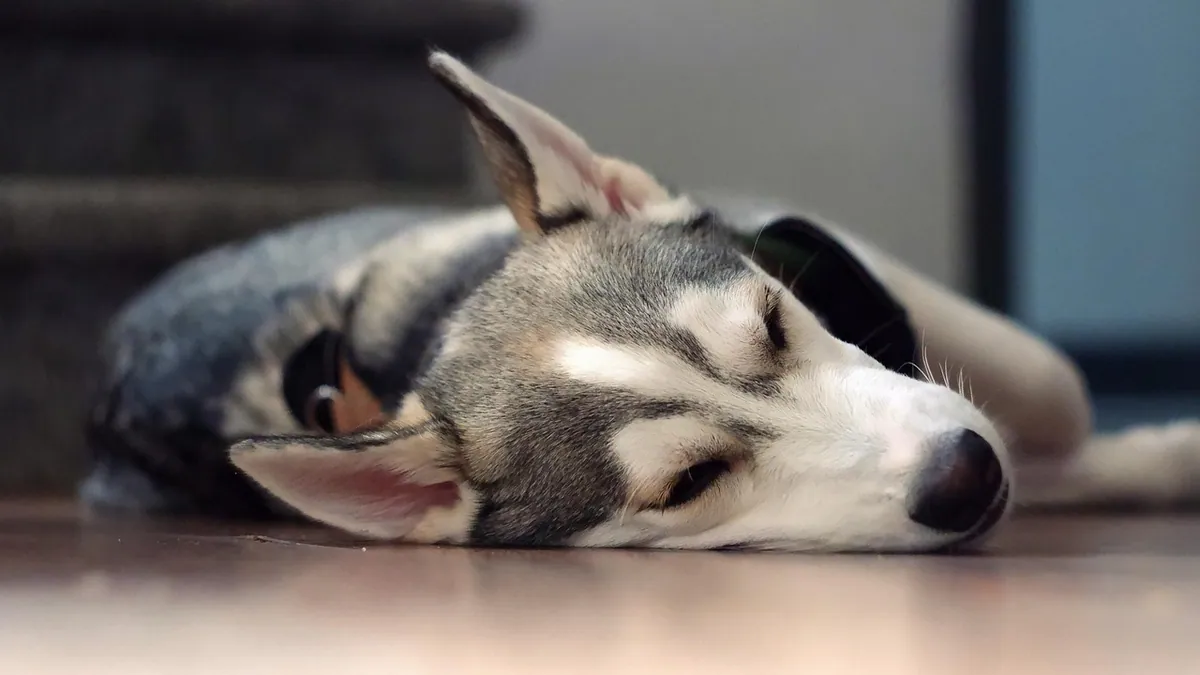
Are dogs light sleepers? Yes, most dogs are light sleepers and wake easily, often at sounds or movements you barely notice. This is normal for a species that evolved to stay alert to danger, and it is built into how dogs cycle through sleep stages. Still, frequent waking can sometimes point to pain, anxiety, or a medical problem.
This article is educational and is not a substitute for veterinary diagnosis or treatment.
Quick Answer
- Dogs cycle between light and deep sleep much faster than people do, so they spend more total time in easily interrupted sleep.
- Rousing at small noises is normal and often lasts only seconds before your dog settles again.
- A dog who wakes repeatedly, paces, pants, or cannot stay asleep may have pain, anxiety, breathing trouble, or cognitive changes.
- Senior dogs with night waking and daytime napping should be screened for canine cognitive dysfunction and other health issues.
- Keep the sleeping area quiet, dark, and comfortable, and talk to your veterinarian if disrupted sleep happens most nights.
Why Does My Dog Wake Up So Easily?
Dog Sleep Cycles Are Short and Light
Dogs move through the same broad sleep states people do: wakefulness, drowsiness, non-REM sleep, and REM sleep [1]. What differs is the timing. Dogs cycle through these stages faster, so they surface toward lighter sleep more often across the night. That means more chances to wake at a passing car, a floor creak, or you shifting in bed.
This is why the answer to "are dogs light sleepers" is usually yes. A dog can be deeply asleep one minute and alert the next. Many of these awakenings are so brief you never notice them.
Instinct Keeps Dogs Tuned In to Sound
Dogs are wired to notice changes in their environment. A noise that means nothing to you can register as a possible threat or an interesting event to your dog. This sensitivity is not a flaw. It helped their ancestors survive.
Some dogs are more sound-sensitive than others. Herding breeds and dogs bred to alert to intruders often wake faster. Puppies and adolescent dogs also tend to sleep more lightly than settled adults.
Dogs Nap Lightly During the Day
Do dogs nap lightly? Often, yes. Dogs sleep in short bouts spread across the day and night, and daytime naps are frequently light. A dog dozing on the couch may have one ear up and open his eyes the moment you stand. That is normal napping, not a sleep problem.
If you want to understand the full picture of how much rest your dog needs, see How Many Hours A Day Do Dogs Sleep and Why Do Dogs Sleep So Much? Understanding Canine Sleep Patterns.
Environment and Comfort Play a Role
Temperature, bedding, noise, and light all affect how well a dog stays asleep. In one study of outdoor working dogs, dogs spent more time sleeping when they wore coats overnight (48.1% versus 40.0%), with the biggest difference during cooler evening hours [2]. Comfort matters, and a dog who is too cold, too warm, or lying on a hard surface will wake more.
Medical Causes to Rule Out
Pain and Discomfort
Arthritis, dental disease, and other painful conditions make it hard to stay asleep. A dog who used to sleep through the night but now shifts, whines, or gets up repeatedly may be hurting. This is one of the most common reasons for new night waking in middle-aged and older dogs.
Breathing Problems
Sleep-disordered breathing is a real concern in dogs, especially flat-faced (brachycephalic) breeds. In obstructive sleep-disordered breathing, airflow is partly or fully blocked during sleep, leading to repeated drops in blood oxygen [3]. This causes fragmented sleep and can be tied to chronic low-grade inflammation [3]. If your dog snores heavily, pauses breathing, or wakes gasping, that needs veterinary attention. For related signs, read Dog Breathing Fast While Sleeping: Normal or a Problem?.
Canine Cognitive Dysfunction
Older dogs can develop canine cognitive dysfunction, a condition similar in some ways to dementia in people. In a study of dogs aged 8 and older, poorer sleep quality (trouble falling asleep, trouble staying asleep, and more nighttime accidents) was strongly linked to more severe cognitive impairment [4]. More severely affected dogs slept less at night and more during the day, and over half were most unsettled between 2:00 and 5:00 a.m. [4]. If your senior dog paces at night or seems confused, this is worth a vet visit.
Anxiety and Stress
Anxious dogs often sleep in short stretches and startle awake. Changes in the home, a new baby, a move, or noise phobias can all disrupt sleep. Some dogs become fearful of the dark or of being alone at night. If your dog seems scared instead of simply alert, see Why Is My Dog Suddenly Scared of the Dark?.
Other Health Issues
Frequent urination, hormone imbalances, heart disease, and gastrointestinal upset can all pull a dog out of sleep. Any dog who wakes to urinate, drink, or vomit most nights needs a veterinary workup.
When Does Light Sleeping Become a Problem?
Waking briefly and resettling is normal. It becomes a problem when it affects your dog's health or your household.
Watch for these patterns:
- Waking many times a night and struggling to fall back asleep
- Pacing, circling, or staring at walls at night
- Panting, trembling, or whining for no clear reason
- Daytime sleepiness that is getting worse
- New nighttime accidents in a previously house-trained dog
- Waking that started suddenly instead of gradually
Sleep fragmentation is harmful in its own right, not just a nuisance [3]. If your dog is not getting consolidated rest, that is a welfare concern and a reason to seek help.
What to Do Step by Step
Step 1: Track the Pattern
Keep a simple log for one to two weeks. Note when your dog wakes, what woke him, how long he stays awake, and whether he seems painful, scared, or confused. This record helps your veterinarian spot patterns.
Step 2: Improve the Sleep Environment
Give your dog a quiet, dark, draft-free spot. A white noise machine can mask street sounds. A supportive orthopedic bed helps older dogs with stiff joints. If your dog sleeps outdoors in cool weather, extra warmth may help, since coat use increased sleep time in working dogs [2].
Step 3: Build Daytime Enrichment
A dog who is mentally and physically tired sleeps more soundly. Provide walks, sniffing time, puzzle feeders, and training games. Keep the evening calm so your dog can wind down.
Step 4: Set a Consistent Routine
Feed, walk, and toilet your dog at the same times each day. A predictable evening routine signals that it is time to rest. Take your dog out for a final bathroom break right before bed.
Step 5: Address Anxiety Gently
If your dog wakes from fear, comfort him calmly and avoid punishment. Gradual, reward-based training with a certified behavior professional can help. Some dogs benefit from pheromone products or other calming tools, but ask your veterinarian first.
Step 6: Follow Veterinary Treatment Plans
If your veterinarian diagnoses a medical cause, follow the plan closely. For some sleep disorders, veterinarians prescribe medications such as trazodone, which has been studied for its effects on sleep cycles in dogs [1]. Your veterinarian calculates the dose from your dog's weight and health, so never use a medication or dose on your own.
What Not to Do
Do Not Punish Night Waking
Yelling, crating as punishment, or startling your dog will make anxiety worse and can damage your bond. A dog who wakes easily is not being stubborn.
Do Not Ignore Sudden Changes
A dog who has always slept well and suddenly cannot is telling you something. Sudden changes deserve a vet visit, not patience alone.
Do Not Assume It Is Just Age
Night waking in senior dogs is common but not something to accept without checking. Cognitive dysfunction and pain are treatable or manageable, and early help works better.
Do Not Give Human Sleep Aids
Never give your dog melatonin, antihistamines, or any human sleep product without veterinary guidance. Doses and safety differ by dog, and some products are toxic.
Do Not Rely on Myths
The idea that dogs "sleep through anything" is not true. Neither is the belief that a dog who wakes at night is simply spoiled. Sleep is a biological need, and disrupted sleep has real consequences [3].
When to Involve a Veterinarian or Behavior Professional
Call your veterinarian if night waking happens most nights for more than a week, if your dog seems painful or confused, or if you are losing sleep too. A certified veterinary behaviorist or certified applied animal behaviorist can help when anxiety or fear is the main driver.
Your veterinarian may ask about your dog's sleep-wake patterns, breathing, and daytime behavior. In some cases, they may recommend a sleep study or other testing, though diagnosing sleep-disordered breathing in dogs has historically been difficult [3].
Limitations and When to Contact a Veterinarian
This article covers general patterns, not your individual dog. Every dog needs a veterinarian who can examine him, ask questions, and run tests when needed.
Contact your veterinarian the same day if your dog:
- Wakes gasping, choking, or struggling to breathe
- Cannot settle at all for a full night
- Shows new confusion, disorientation, or staring
- Has a sudden change in appetite, thirst, or urination along with poor sleep
Seek emergency care now if your dog:
- Turns blue, collapses, or has severe trouble breathing
- Cries out in pain and cannot be comforted
- Has a seizure or loses consciousness
Schedule a routine visit if your dog:
- Wakes several times a night for more than a week
- Is a senior dog with new night restlessness
- Has long-standing light sleep that is getting worse
- Snores heavily or has breathing pauses during sleep
If you suspect your dog ate something toxic, call the ASPCA Animal Poison Control Center at (888) 426-4435 or the Pet Poison Helpline at (855) 764-7661 right away.
Frequently Asked Questions
Are some dog breeds lighter sleepers than others?
Yes, breed and breeding purpose affect how easily a dog wakes. Dogs bred to alert, herd, or guard tend to rouse faster than dogs bred for companionship. Individual personality and past experiences matter too.
Do dogs sleep lighter than humans?
In general, yes. Dogs cycle through sleep stages faster and spend more time in lighter sleep, so they surface more often. That said, individual dogs vary, and a tired, comfortable dog can sleep quite soundly.
Can a dog be a light sleeper because of anxiety?
Yes, anxiety commonly causes short, broken sleep and easy startling. If your dog seems tense, paces, or watches the room instead of resting, talk to your veterinarian about a behavior plan.
Does a light-sleeping dog need medication?
Not usually. Most light sleeping is normal or improves with routine, comfort, and enrichment changes. Medication is a decision your veterinarian makes based on a diagnosis, your dog's weight, and his overall health.
Should I let my dog sleep in my bed if he wakes easily?
That depends on your household and your dog's behavior. Some dogs sleep better near their people, while others wake more from movement and noise. Try both setups and keep the one that gives you both the most rest.
Related Articles
- Why Do Dogs Sleep So Much? Understanding Canine Sleep Patterns
- Dog Breathing Fast While Sleeping: Normal or a Problem?
- How Long Do Dogs Sleep
- Why Is My Dog Suddenly Scared of the Dark?
- How Many Hours A Day Do Dogs Sleep
- Why Is My Dog Peeing So Much?
- Do Dogs Sleep With Their Eyes Open? What It Means
- Why Does My Dog Bark in His Sleep? Dreaming Explained
- Why Does My Dog Twitch in His Sleep? What's Normal
References
- Study of changes in brain dynamics during sleep cycles in dogs under effect of trazodone. PloS one, 2025.
- Accelerometry-Based Assessment of Overnight Coat Use on Dog Sleep and Activity Patterns: Implications for Farm Dog Welfare. Animals : an open access journal from MDPI, 2026.
- Association of brachycephaly, sleep-disordered breathing, and inflammatory response in dogs. Journal of veterinary internal medicine, 2026.
- Sleep-wake disturbance in canine cognitive dysfunction: Guardian-reported patterns and a practical screening tool. Veterinary journal (London, England : 1997), 2026.