Why Does My Dog Roll in Poop? Causes and How to Stop It
By Dr. Zubair Khalid, DVM, MS, PhD ·
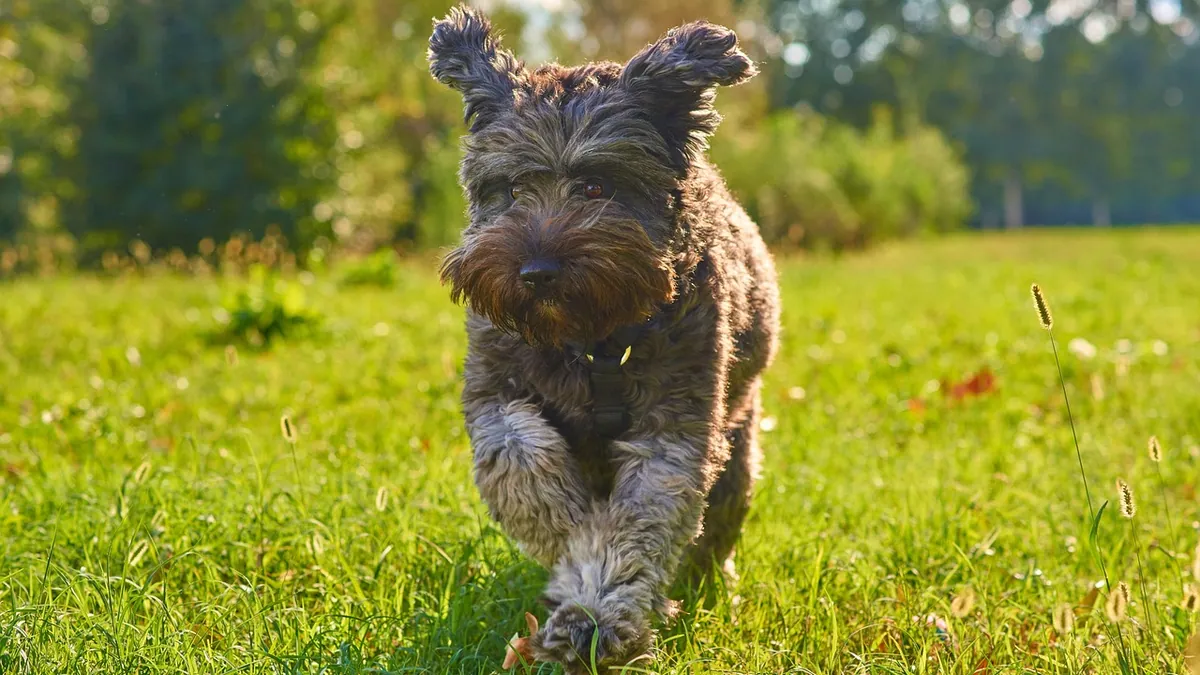
Why does my dog roll in poop? In most cases, this is a normal canine behavior rooted in scent rolling, an instinct dogs inherited from wild ancestors that may help them mask their own odor or carry information back to the pack. It is usually harmless, though it is understandably gross for the humans who have to deal with the aftermath. This article is educational and is not a substitute for veterinary diagnosis or treatment.
Quick Answer
- Scent rolling is a natural behavior seen in wolves and other large carnivores, and dogs do it for reasons that are not fully understood [1].
- Rolling in feces is not usually a sign of illness, but it can sometimes be linked to stress, itching, or parasites [2][3].
- If your dog keeps rolling in poop, manage it first by removing access, supervising outdoor time, and teaching a reliable "come" or "leave it."
- Never punish your dog for rolling in poop. Punishment can increase stress and make the behavior harder to change.
- See a veterinarian if the rolling started suddenly, comes with itching, diarrhea, weight loss, or if your dog also eats feces.
Why Do Dogs Roll in Poop?
The Ancestral Scent-Camouflage Theory
The most common explanation for why dogs roll in poop comes from their wild relatives. Scent rolling is a behavior observed in large carnivores like wolves. It involves the animal lowering its chin and neck toward a scent, then rubbing the head, neck, shoulders, and back into it [1]. Wolves do this with a wide range of odors, including the feces of other animals. In one study of captive wolves, deer and mouflon feces and rat feces both triggered scent-rolling behavior [1].
Why would an animal want to smell like something else? One leading theory is camouflage. If a predator carries the scent of another species, prey animals may be less likely to notice it. Another theory is that the dog is bringing information back to the group. A dog that rolls in a strong scent may be "marking" itself with news about what is in the territory. Neither theory has been proven, and the exact purpose of scent rolling remains uncertain in veterinary research [1].
The Marking and Communication Theory
Dogs have an extraordinary sense of smell, and scent is their main way of communicating. Rolling in feces may be a way to pick up and carry a scent. Some behaviorists think this is a form of self-anointing, where the dog adds a strong smell to its own coat. This may signal to other dogs that the dog has found something interesting. In the wolf study, female wolves showed more engagement with scents than males, and scent rolling was seen only in females during the second year of the study [1]. That suggests hormones or social role may play a part, at least in wolves.
Why Some Dogs Do It More Than Others
Not every dog rolls in poop. Some dogs seem to love it, and others ignore feces completely. The behavior is more common in dogs with a strong prey drive or a strong interest in scent. It also shows up more in dogs who spend a lot of time outdoors, on farms, or in areas with wildlife. If your dog has access to cat, deer, raccoon, or other animal feces, the behavior is more likely to appear.
Is It Normal for Dogs to Roll in Poop?
Yes, in most cases it is normal. Scent rolling is a natural behavior, and it does not mean your dog is sick or badly behaved. Many healthy dogs roll in feces at least once in their lives. The behavior is common enough that it is considered a normal part of the canine behavioral repertoire.
That said, "normal" does not mean "desirable." Rolling in poop can expose your dog to parasites and bacteria. It also means a bath, which many dogs dislike. If the behavior is frequent or intense, it is worth looking at why it is happening and whether anything can be changed.
Medical Causes to Rule Out
Parasites and Gut Infections
Coprophagia, the medical term for eating feces, is a common and undesirable behavior in dogs [4]. Some dogs who roll in poop also eat it. If your dog has parasites, the feces may contain eggs or larvae, and the dog's interest in feces may increase. One case report described a dog with coprophagia and no parasite prevention who was found to have Strongyloides stercoralis, a worm infection [3]. That dog also had a bleeding problem linked to the infection. This is an uncommon situation, but it shows why parasite testing matters when a dog has a sudden change in feces-related behavior.
If you notice worms in your dog's stool or around the rear end, see How To Tell If Dog Has Worms In Poop.
Skin Disease and Itching
Dogs with chronic itching may roll, rub, or scoot more than usual. A study of dogs with atopic dermatitis, a common allergic skin condition, found that more severe itching was linked to more problem behaviors, including coprophagia [2]. The study authors suggested that stress from chronic itching could be a significant problem for these dogs [2]. If your dog rolls in poop and also scratches, chews, or rubs its skin, a veterinary skin workup is a good idea.
Diet and Digestive Upset
Some dogs roll in or eat feces when their diet is not meeting their needs. A study of coprophagic and non-coprophagic dogs found no major differences in most measures of digestion, except for one calculated value that the authors said should be interpreted with caution [4]. In other words, there is no strong evidence that coprophagia is caused by poor digestion in healthy dogs. Still, sudden changes in stool, appetite, or weight should always be checked by a veterinarian.
If your dog strains or has trouble passing stool, see Dog Straining to Poop: Causes and When to Help.
Stress and Anxiety
Stress can change many behaviors in dogs. Dogs with chronic itching show more problem behaviors, and the authors of that study linked the behavior changes to stress [2]. A dog who is anxious, bored, or under-stimulated may roll in strong scents as a way to self-soothe or to fill time. If the rolling started after a move, a new pet, or a change in routine, stress may be part of the picture.
When Rolling in Poop Becomes a Problem
Rolling in poop is a problem when it happens often, when it puts your dog at risk, or when it affects your daily life. Consider it a problem if:
- Your dog rolls in poop every time it goes outside.
- Your dog also eats feces, which can spread parasites.
- Your dog has itching, hair loss, diarrhea, vomiting, or weight loss.
- Your dog seems anxious, restless, or obsessed with finding feces.
- The behavior is new and started suddenly in an adult dog.
- You cannot keep your dog clean, and baths are causing distress for both of you.
If any of these apply, talk to your veterinarian. A physical exam and a fecal test can rule out medical causes. If health is fine, a certified behavior professional can help with a training plan.
What to Do Step by Step
Step 1: Remove Access
The fastest way to stop the behavior is to prevent it. Walk your dog on a leash in areas where you can see and avoid feces. Clean your yard daily. If you have cats, keep litter boxes out of reach. If wildlife visits your yard, pick up droppings promptly and consider fencing or motion-activated sprinklers.
Step 2: Teach a Strong "Leave It" and "Come"
A reliable "leave it" cue lets you interrupt your dog before it rolls. Practice at home with low-value items first, then move to outdoor distractions. Reward your dog heavily for coming when called. A dog that comes running for a treat is a dog that is not rolling in poop.
Step 3: Increase Enrichment
Boredom and stress can drive the behavior. Give your dog more physical exercise and more mental work. Sniff walks, food puzzles, training games, and safe chew items all help. A tired, mentally satisfied dog is less likely to fixate on feces. If your dog is anxious, talk to your veterinarian about a behavior plan.
Step 4: Manage the Aftermath Calmly
If your dog does roll, do not yell or chase. That can turn the behavior into a game or add stress. Instead, call your dog away, reward it for coming, and then bathe it calmly. Use pet-safe shampoo and rinse well. If baths are hard, ask your veterinarian or a groomer for help.
Step 5: Check the Diet and Parasite Prevention
Keep your dog on a complete and balanced diet. Ask your veterinarian whether your dog's diet is appropriate for its age and health. Stay current on parasite prevention, and have a fecal test done if your dog eats feces or has digestive signs. If your dog eats poop, see Why Does My Dog Eat Poop? and How to Stop a Dog from Eating Poop: Causes and Solutions.
What Not to Do
Do Not Punish Your Dog
Punishment does not teach your dog what to do instead. It can make your dog afraid of you, and it can increase stress. Stress is linked to more problem behaviors in dogs with chronic itching [2]. A dog that is punished for rolling may simply learn to roll when you are not watching.
Do Not Rely on Myths
There is no evidence that rolling in poop means your dog is trying to dominate you. There is no evidence that it is a sign of a "bad" dog. The behavior is natural, and it has roots in scent rolling seen in wild canids [1]. Understanding that helps you respond with management and training instead of anger.
Do Not Use Unproven Supplements Without Advice
Some owners try supplements or food additives to stop feces-related behavior. There is no strong evidence that these work for rolling in poop. Some products can cause side effects or interact with medications. Talk to your veterinarian before giving your dog any supplement.
When to Involve a Veterinarian or Behavior Professional
See your veterinarian if the behavior is new, frequent, or paired with any health sign. A physical exam, fecal testing, and skin check can rule out parasites, allergies, and other medical causes [2][3]. If your dog is healthy, your veterinarian can refer you to a certified behavior professional. Look for someone with credentials in applied animal behavior. A behavior professional can build a plan for your dog's specific triggers, whether they are boredom, anxiety, or a strong scent drive.
If your dog eats feces and you also see signs of illness, do not wait. Call your veterinarian. If you think your dog has eaten something toxic, contact a pet poison control hotline right away. Your veterinarian can give you the current numbers and guidance for your area.
Limitations and When to Contact a Veterinarian
This article covers common reasons dogs roll in poop, but every dog is different. Individual cases need a veterinarian who can examine your dog, ask about its history, and run tests if needed.
Contact your veterinarian the same day if your dog:
- Rolls in poop and then vomits, has diarrhea, or stops eating.
- Has a sudden change in behavior, especially in an older dog.
- Has itching, hair loss, redness, or open sores on the skin.
- Has worms visible in the stool or around the anus.
- Seems painful, restless, or unable to settle.
Go to an emergency clinic now if your dog:
- Collapses, has a seizure, or has trouble breathing.
- Has severe vomiting or diarrhea with blood.
- Ate a large amount of feces from an unknown animal and is now very sick.
- Has a swollen, painful belly or is retching without producing anything.
Schedule a routine visit if your dog:
- Rolls in poop often but seems otherwise healthy.
- Eats feces regularly.
- Has not had a fecal test or parasite prevention check in the past year.
Frequently Asked Questions
Is it normal for dogs to roll in poop?
Yes, it is normal for many dogs. Scent rolling is a natural behavior seen in wolves and other large carnivores, and dogs likely inherited it from their wild ancestors [1]. It does not mean your dog is sick or dominant.
Why does my dog keep rolling in poop?
Your dog may be drawn to the strong scent, especially if it finds fresh feces from another animal. The behavior may also be linked to stress, itching, or a diet or parasite issue in some cases [2][3]. Keeping your dog away from feces and adding training and enrichment usually reduces it.
Can rolling in poop make my dog sick?
It can. Feces can carry parasites and bacteria, and a dog that rolls in or eats feces may pick up an infection [3]. Keep your dog on parasite prevention and wash your hands after handling a soiled dog. If your dog also eats feces, ask your veterinarian about fecal testing.
Should I punish my dog for rolling in poop?
No. Punishment does not teach a better behavior and can add stress, which may make problem behaviors worse [2]. Instead, interrupt calmly, reward your dog for coming, and manage access to feces. Training and enrichment are more effective and safer.
When should I see a veterinarian about this behavior?
See a veterinarian if the behavior is new, frequent, or comes with health signs like itching, vomiting, diarrhea, or weight loss. A veterinarian can check for parasites, skin disease, and other medical causes [2][3]. If your dog is healthy, ask for a referral to a certified behavior professional.
Related Articles
- Why Does My Dog Eat Poop?
- Dog Straining to Poop: Causes and When to Help
- How to Stop a Dog from Eating Poop: Causes and Solutions
- How To Stop Dog Poop In House
- How To Tell If Dog Has Worms In Poop
- How To Help My Dog Poop At Home
- Why Does My Dog Roll in the Grass? Normal or Not?
- Why Does My Dog Walk While Pooping?
- Why Is My Dog Pooping So Much? Causes and When to Worry
References
- Preliminary Study of Scent Rolling in Captive Wolves (Canis lupus L. 1758) in Response to Olfactory Enrichment. Biology, 2024.
- Behavioural Differences in Dogs with Atopic Dermatitis Suggest Stress Could Be a Significant Problem Associated with Chronic Pruritus. Animals : an open access journal from MDPI, 2019.
- Hyperfibrinolysis in a dog with strongyloidiasis. The Journal of small animal practice, 2025.
- Evaluation of the Influence of Coprophagic Behavior on the Digestibility of Dietary Nutrients and Fecal Fermentation Products in Adult Dogs. Veterinary sciences, 2022.