Why Does My Dog Walk While Pooping?
By Dr. Zubair Khalid, DVM, MS, PhD ·
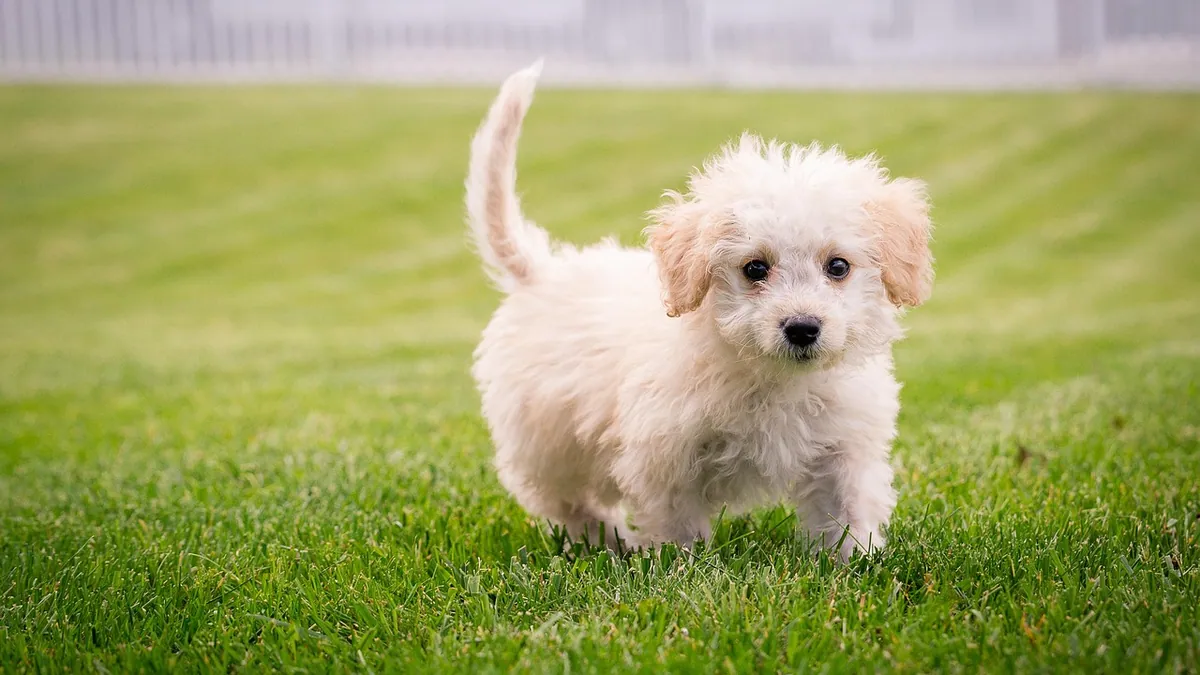
Many dogs walk a few steps while they poop, and in most cases it is a normal habit instead of a sign of illness. Dogs may pace to get comfortable, to avoid soiling their feet, or simply out of routine. The question "why does my dog walk and poop" comes up often, and the answer usually depends on whether your dog seems relaxed or uncomfortable.
This article is educational and is not a substitute for veterinary diagnosis or treatment.
Quick Answer
- A little forward movement during a bowel movement is common and usually harmless, especially in puppies who are still learning body control.
- Walking while pooping becomes a concern when it comes with straining, crying, a tucked tail, or repeated trips with little output.
- Pain during defecation can point to problems in the rectum, anus, spine, or pelvic area, and these need a veterinary exam [1][2].
- Puppies often pace because they are distracted, excited, or still building the muscle control to hold a squat.
- Sudden changes in this habit, especially in a senior dog, deserve a call to your veterinarian.
Why Does My Dog Walk and Poop? Normal Reasons First
Most of the time, this behavior has a simple explanation. Here are the common, harmless reasons a dog moves forward during a bowel movement.
Comfort and balance
A full squat can be awkward, especially for dogs with long backs, short legs, or heavy bodies. Taking a few steps can help a dog find a position that feels stable. Some dogs shift forward as the stool passes because the change in pressure makes standing still uncomfortable.
Puppies learning the ropes
Why does my puppy walk and poop? Puppies are still figuring out how their bodies work. They may not have the coordination or core strength to hold a squat for long. Add in excitement, new smells, and a short attention span, and you get a puppy who wanders mid-poop. This usually fades as your puppy grows and gets more practice.
Surface and substrate preferences
Some dogs do not like the feel of certain surfaces under their feet. Grass, gravel, hot pavement, or wet ground can all make a dog want to keep moving. If your dog paces on one surface but squats calmly on another, the ground itself may be the issue.
Marking and scent behavior
Dogs use feces to leave scent information. A dog may walk a step or two to spread the scent or to position the stool near a spot that already smells interesting. This is normal canine communication, not a medical problem.
Routine and habit
If your dog has always walked while pooping, it is likely just their style. Dogs develop bathroom habits early, and many keep them for life. A consistent habit with no other symptoms is rarely something to worry about.
When Walking While Pooping Signals a Medical Problem
The picture changes when the behavior is new, when your dog looks uncomfortable, or when other symptoms show up. Pain or difficulty during defecation is the main signal to watch for.
Pain in the spine or tail area
A rare but real cause of pain during defecation is a disc problem in the tail region of the spine. One report described a dog with severe pain linked to defecation and tail movement, caused by a disc extrusion between the first and second tail vertebrae [2]. Surgery resolved the signs completely [2]. This is uncommon, but it shows that the spine can be the source of bathroom-related pain. If your dog cries, snaps, or guards their rear end when pooping, a spinal cause is possible.
Rectal and anal disorders
Problems in the rectum or anus can make a dog want to keep moving instead of holding still. Conditions in this area often involve straining, and straining is both a cause and a result of tissue problems. Treatment for one type of prolapse may include manual replacement under anesthesia, stitches to partially close the anus for 5 to 7 days, and a moist diet with a stool softener afterward [1]. Your veterinarian sets any specific treatment plan and dose based on your dog's weight and health.
Pelvic and perineal issues
Older dogs, especially males, can develop weakness in the pelvic muscles. One case report described a senior dog with a recurrent perineal hernia and constipation related to rectal sacculation, meaning the rectum bulged and held stool [3]. Surgical repair helped, and the dog recovered without problems with urination, defecation, or gait [3]. Constipation and changes in poop posture can be clues that something structural is going on.
Cognitive decline in senior dogs
Aging dogs can develop cognitive changes that affect bathroom behavior. A study of older dogs found that soiling behavior was linked to urinalysis abnormalities and cognitive performance [4]. Another study found that stride length in aging dogs was associated with owner-reported cognitive impairment [5]. If your senior dog paces, seems confused, or has accidents indoors, a cognitive workup may be worthwhile.
Other causes to rule out
- Anal gland problems
- Intestinal parasites or inflammation
- Food intolerance or sudden diet change
- Orthopedic pain in the hips, knees, or back
- Anxiety or stress around potty time
If your dog is straining, check our guide on Dog Straining to Poop: Causes and When to Help. If your dog is not going at all, see Dog Not Pooping but Eating Normally: Causes and Solutions.
Is It Normal for Dogs to Walk While Pooping? How to Tell the Difference
Use this simple comparison to sort normal from concerning.
| Normal walking while pooping | Concerning walking while pooping |
|---|---|
| Happens every time, same pattern | Started suddenly |
| Dog looks relaxed | Dog looks tense, hunched, or tucked |
| Stool is normal in shape and color | Diarrhea, blood, mucus, or very hard stool |
| No crying or straining | Whining, crying, or straining |
| Appetite and energy are normal | Vomiting, lethargy, or weight loss |
| Puppy or young dog | Senior dog with new behavior |
A dog who has always paced a little and seems happy is usually fine. A dog who suddenly starts walking mid-poop, especially with pain or straining, needs a closer look.
What to Do Step by Step
If the behavior is new or you want to rule out simple causes, work through these steps.
1. Watch and log the behavior
Note when it happens, what the stool looks like, and whether your dog seems uncomfortable. A phone video can help your veterinarian see exactly what you see. Track how often your dog poops and whether the amount matches the effort.
2. Check the potty spot
Try a different surface or a quieter location. Some dogs pace because the area is busy, slippery, or unpleasant underfoot. Give your dog a calm, private space with enough room to circle.
3. Support good digestion
Feed a consistent diet and keep water available. Sudden food changes can cause loose stool, which makes some dogs move around more. If your veterinarian recommends a moist diet or stool softener after a procedure, follow those instructions closely [1].
4. Build a calm routine
Take your dog out at the same times each day. Give them time to sniff and circle before they squat. Rushing a dog can increase anxiety and pacing. Praise calm, still pooping when it happens.
5. Add enrichment and exercise
Regular walks and play support healthy digestion and reduce stress. A tired, mentally satisfied dog is often calmer on potty breaks. Puzzle feeders and sniff walks are easy options.
6. Address anxiety
If your dog seems nervous outside, try a quieter time of day or a familiar spot. Some dogs do better on a leash with a predictable route. For ongoing anxiety, ask your veterinarian about a referral to a certified behavior professional.
7. Keep puppies on a schedule
Puppies need frequent potty breaks, especially after meals, naps, and play. Take them to the same spot and wait calmly. If your puppy walks while pooping, stay patient and let them finish. Rushing or scolding can make the habit worse.
What Not to Do
Avoid these common mistakes.
Do not punish your dog
Scolding or startling a dog mid-poop can create fear and make them hold stool or hide to go. Punishment does not teach a better position. It teaches your dog that potty time is scary.
Do not assume it is always behavioral
Pain is a real possibility, especially with new behavior. Do not dismiss crying, straining, or a tucked posture as "just a quirk."
Do not change diet or give medication on your own
Do not give human stool softeners, laxatives, or pain relievers without veterinary guidance. Some of these are toxic to dogs. Your veterinarian calculates any dose from your pet's weight and health.
Do not ignore senior changes
New pacing, confusion, or accidents in an older dog are worth a vet visit. Cognitive decline and urinary or fecal changes can go together [4].
Do not rely on myths
There is no evidence that walking while pooping means your dog is "marking territory" in a way that needs correction, or that it predicts a specific illness. Look at the whole picture instead.
When to Involve a Veterinarian or Behavior Professional
Call your veterinarian if the behavior is new, if your dog seems painful, or if you see blood, mucus, or a change in stool shape. A certified behavior professional can help if your dog is anxious or if the habit is tied to stress instead of pain.
If your dog is scooting or dragging their rear end, see Why Does My Dog Keep Scooting On The Carpet and Dog Scooting Poop On Carpet. If your dog eats stool, read Why Does My Dog Eat Poop?.
Limitations and When to Contact a Veterinarian
This article covers common patterns, but every dog is different. Individual cases need a veterinarian who can examine your dog, ask questions, and run tests if needed.
Contact your veterinarian the same day if you see:
- Straining that lasts more than a few minutes
- Crying or yelping during defecation
- Blood or mucus in the stool
- Repeated trips outside with little or no poop
- A sudden change in a senior dog
Go to an emergency clinic now if you see:
- A large amount of bleeding
- A prolapse (tissue sticking out of the anus)
- Severe pain, collapse, or a bloated, hard abdomen
- Vomiting with inability to keep water down
Schedule a routine visit if:
- The behavior is new but your dog seems comfortable
- Your puppy paces often and you want to rule out problems
- Your senior dog has gradual changes in bathroom habits
Frequently Asked Questions
Why does my puppy walk while pooping?
Puppies often lack the coordination and strength to hold a squat, and they get distracted easily. This usually improves with age and practice. If your puppy seems painful or strains, call your veterinarian.
Is it normal for dogs to walk while pooping?
Yes, a little forward movement is normal for many dogs. It becomes a concern when it is new, when your dog looks uncomfortable, or when stool changes appear. A relaxed dog with a normal stool is usually fine.
Can pain make my dog walk while pooping?
Yes. Pain in the spine, rectum, anus, or pelvic area can make a dog avoid holding still. One report linked a tail-region disc problem to severe pain during defecation [2]. If your dog cries or guards their rear, seek veterinary care.
Does walking while pooping mean my dog has a behavioral problem?
Not usually. It can be habit, balance, or surface preference. Anxiety can play a role in some dogs. A certified behavior professional can help if stress seems to be the trigger.
When should I call my veterinarian about this behavior?
Call if the behavior is new, if your dog strains or cries, or if you see blood, mucus, or a change in stool. Senior dogs with new pacing or accidents should be seen soon. Your veterinarian can rule out medical causes and guide next steps.
Related Articles
- Why Does My Dog Eat Poop?
- Dog Straining to Poop: Causes and When to Help
- Dog Not Pooping but Eating Normally: Causes and Solutions
- Dog Scooting Poop On Carpet
- Why Does My Dog Keep Scooting On The Carpet
- Why Does My Dog Scoot On The Carpet
- How Do Dogs Decide Where to Poop? Scent and Routine
- Why Does My Dog Pee and Poop at the Same Time?
- How Often Should Dogs Poop and Pee?
References
- Disorders of the Rectum and Anus in Dogs - Dog Owners. Merck Veterinary Manual.
- Surgical management of Cd1-Cd2 intervertebral disc extrusion in a dog. The Canadian veterinary journal = La revue veterinaire canadienne, 2026.
- Case Report: Fascia lata transposition for chronic recurrent perineal hernia followed by laparoscopic colopexy for subsequent rectal prolapse in a dog. Frontiers in veterinary science, 2026.
- The relationship between urinalysis abnormalities, soiling behavior, and cognitive decline in aging dogs. Journal of veterinary internal medicine, 2026.
- Thoracic limb stride length is associated with cognitive impairment in aging dogs. Frontiers in veterinary science, 2026.