Does My Dog Like Me? Reading Your Dog's Real Signals
By Dr. Zubair Khalid, DVM, MS, PhD ·
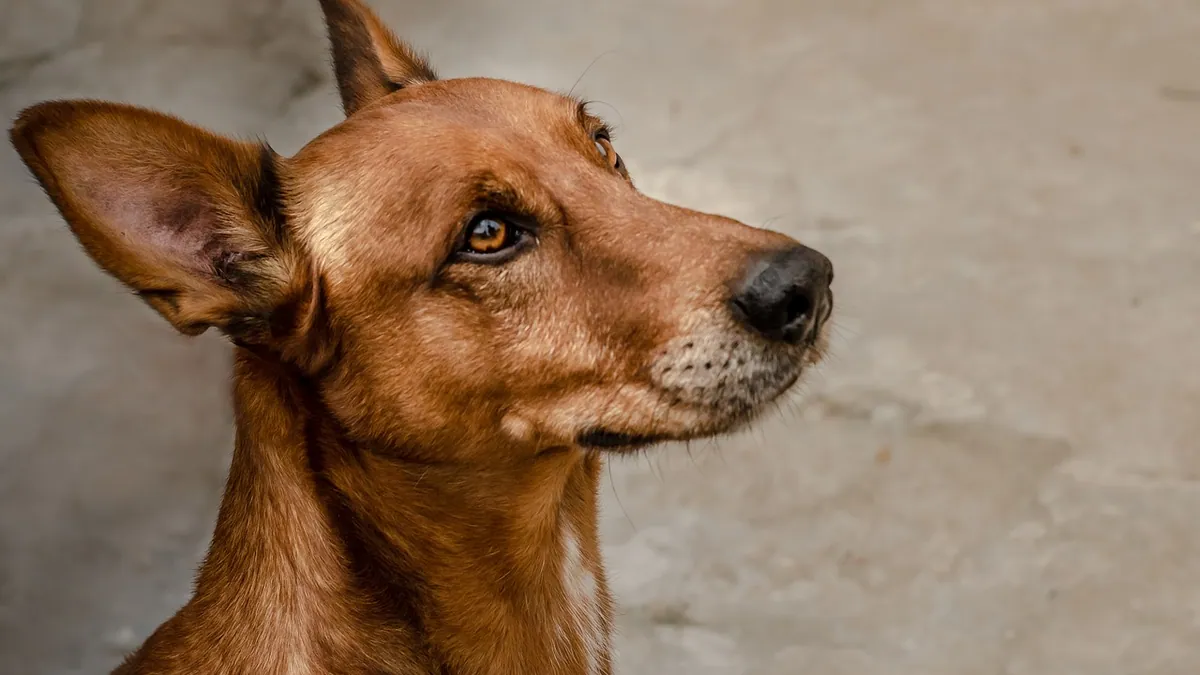
Most of the time, a dog who seems to avoid you is not expressing dislike. Dogs show discomfort, fear, stress, or independence through body language that people often misread as rejection. If you are asking yourself how to tell if my dog doesn't like me, the honest answer is that true dislike is rare, and the behaviors owners worry about usually mean something else.
This article is educational and is not a substitute for veterinary diagnosis or treatment.
Quick Answer
- A dog who moves away, hides, or avoids eye contact is usually showing stress, fear, or a desire for space, not personal dislike.
- Puppies between 5 and 12 weeks of age shift their social focus to people, and they are most receptive to new experiences until about 16 to 20 weeks [1]. A young puppy who seems distant may simply be in an early developmental window.
- Sudden changes in how your dog interacts with you can signal pain, illness, or anxiety and deserve a veterinary visit.
- Punishment for avoidance, growling, or hiding makes fear worse and damages trust.
- Rebuilding a bond takes patience, predictable routines, positive reinforcement, and respect for your dog's choices.
Why Your Dog Might Seem Distant (Normal Reasons First)
Developmental stages change how puppies act
Puppies go through a period when their social interest shifts. Between 3 and 8 weeks, they tend to focus on other dogs if any are available, then between 5 and 12 weeks they shift that focus to people [1]. If you brought your puppy home around 8 weeks, you may be catching the tail end of that transition.
Puppies are most receptive to learning how to handle new situations until about 16 to 20 weeks of age [1]. After that, they still learn from exposure, just more slowly and perhaps in a different way [1]. So a puppy who seems to pull away at 12 weeks is not rejecting you. That puppy is still building its social map of the world.
The best age to adopt a puppy is about 8 weeks, and unless there is no other choice, puppies should not be adopted before 7½ weeks [1]. Puppies kept away from people until 14 weeks may have severely undeveloped social skills [1]. If your puppy came from a situation with little human contact, some social awkwardness is expected, and it can improve with gentle, consistent exposure.
Adolescence looks a lot like attitude
Many owners describe a sudden shift in their dog's behavior around 6 to 18 months. Dogs at this age explore more, test boundaries, and may seem less interested in cuddling. This is normal development, not a verdict on your relationship.
Breed and temperament shape affection style
Some dogs are physically affectionate. Others show attachment by staying nearby, following you room to room, or watching you quietly. Breed history and individual temperament both influence how a dog expresses connection. Caretakers can also be overdemanding about how well their dog meets social expectations [2]. If you expect a reserved dog to behave like a lap dog, you may read normal temperament as rejection.
Stress behaviors are not simple signals
Behaviors like lip licking, shaking, and yawning are often labeled as stress signs, but research using a social stress test found these behaviors did not rise and fall in a simple line with stress levels [3]. In securely attached dogs, lip licking even correlated positively with oxytocin, a hormone linked to bonding [3]. A single lip lick or a yawn does not mean your dog hates you. Context matters.
Medical Causes to Rule Out First
Before you assume a behavior problem, rule out physical causes. Pain, nausea, dental disease, arthritis, ear infections, and vision or hearing changes can all make a dog withdraw, snap, or stop seeking contact. A dog with an aching hip may avoid climbing onto the couch with you. A dog with dental pain may stop taking treats from your hand.
Hormonal and physiological states also affect behavior. In one study, cortisol levels measured before a temperament assessment were negatively correlated with overall temperament scores and several subtest scores [4]. In plain terms, a stressed or unwell dog scores differently on behavior tests. If your dog's interest in you changed suddenly, a veterinary exam is the right first step. See What Does It Mean When Your Dog's Behavior Changes for a fuller look at sudden shifts.
Aggression that appears out of nowhere, especially when you touch a specific body part, can be pain related. Read How to Tell If Your Dog's Aggression Is Pain-Related for signs to track before your appointment.
How to Tell If My Dog Doesn't Like Me: Signals That Actually Matter
What avoidance usually means
A dog who turns away, freezes, tucks the tail, pins the ears back, or hides is communicating discomfort. These are distance-increasing signals. They mean "I need space right now," not "I dislike you as a person."
What real relationship problems look like
A strained relationship shows up as a pattern, not a moment. Watch for a dog who consistently avoids being near you, refuses food from your hand but eats for others, hides when you enter the room, or shows defensive aggression only toward you. Even then, the cause is usually fear, a history of harsh handling, pain, or a mismatch between your behavior and the dog's comfort level.
Why your dog may seem to prefer someone else
Dogs often gravitate toward the person who is calmest, most predictable, and least demanding. If one family member hands out treats quietly and another grabs the dog for hugs, the dog will choose the quiet person. That is a preference for safety and predictability, not a rejection of you.
When It Becomes a Problem
A relationship issue becomes a clinical concern when it affects the dog's daily life or safety. Warning signs include:
- The dog stops eating or drinking normally.
- The dog hides for most of the day.
- Growling, snapping, or biting occurs in response to normal handling.
- The dog shows panic when left alone or when you approach.
- Behavior changes are sudden and progressive.
If any of these apply, treat it as a health and welfare issue. Behavior problems are one of the most common reasons dogs are surrendered, and they respond best to early professional help. The article How Do I Know If My Dog Has Behavior Problems walks through what counts as a true problem versus a normal quirk.
What to Do Step by Step
1. Get a veterinary exam
Schedule a wellness visit and describe the specific behaviors you see, when they started, and what happens right before them. Your veterinarian can check for pain, illness, and sensory changes. If medication is needed for anxiety or pain, your veterinarian calculates the dose from your dog's weight and health status.
2. Stop forcing contact
Let your dog choose whether to approach. Sit on the floor, look away, and wait. Toss a treat nearby instead of reaching out. When a dog controls the pace of interaction, fear drops and curiosity usually takes over.
3. Build a positive association with you
Pair your presence with things your dog loves. Feed meals by hand if your dog is comfortable. Keep sessions short. End on a success. This is the core of trust building.
4. Use reward-based training
Teach simple cues like sit, touch, and come using food or toy rewards. Reward-based training gives your dog a reason to engage with you and gives you clear communication tools. Avoid any training method that uses fear, force, or startle.
5. Meet your dog's needs
Dogs need daily physical activity, mental work, and safe rest spaces. Puzzle feeders, sniff walks, chew items, and training games all build confidence. A tired, mentally satisfied dog is easier to connect with.
6. Protect sleep and space
Some dogs withdraw because they are chronically interrupted. Give your dog a bed or crate in a low-traffic area and teach children and guests to leave the dog alone there. Rest is not rejection.
7. Track progress
Keep a simple log of interactions. Note what you did, how your dog responded, and any triggers. Patterns become obvious fast, and your veterinarian or trainer can use that log.
What Not to Do
- Do not punish growling, hiding, or avoidance. Punishment suppresses warning signals and can lead to a bite with no warning.
- Do not force hugs, kisses, or restraint on a dog who pulls away.
- Do not assume your dog is being spiteful. Dogs do not plan revenge.
- Do not rely on dominance myths. Rank-based explanations for household behavior are not supported by how domestic dogs actually live and socialize [1].
- Do not compare your dog to other dogs. Temperament varies widely, and breed history matters. Some breeds were developed for work that no longer fits a companion lifestyle, and owners can be overdemanding about how well a dog adapts [2].
- Do not ignore sudden changes. A dog who stops seeking you out may be sick, not distant.
When to Involve a Veterinarian or Certified Behavior Professional
Call your veterinarian if the behavior change is sudden, if your dog shows pain signs, or if you see any aggression. A veterinarian can rule out medical causes and discuss whether a referral to a board-certified veterinary behaviorist or a certified applied animal behaviorist is appropriate.
Seek help sooner if there are children in the home, if a bite has occurred, or if you feel unsafe. Separation-related distress, panic, and defensive aggression rarely resolve without professional guidance. For dogs who vocalize constantly as part of their distress, Dog Whining All the Time: What Is Your Dog Trying to Tell You? explains what different whines can mean.
Limitations and When to Contact a Veterinarian
This article cannot diagnose your dog. Every case needs a veterinarian who can examine your dog in person and review the full history.
Contact a veterinarian the same day if your dog:
- Suddenly avoids all handling or yelps when touched.
- Stops eating or drinking.
- Shows new aggression toward family members.
- Seems disoriented, wobbly, or confused.
Go to an emergency clinic now if your dog:
- Collapses, has a seizure, or has trouble breathing.
- Shows sudden severe pain, a swollen abdomen, or repeated vomiting.
- Bites a person hard enough to break skin, especially a child.
Schedule a routine visit if the behavior has been gradually changing over weeks, if your dog seems less interested in interaction than before, or if you want help building a training plan. If you also notice digestive signs like vomiting, diarrhea, or a potbellied appearance, How Do I Know If My Dog's Got Worms covers what intestinal parasites can look like.
Frequently Asked Questions
Can a dog truly dislike its owner?
True dislike is rare. What owners usually see is fear, stress, pain, or a temperament mismatch. A dog who avoids you is almost always communicating discomfort or a need for space, and that can change with the right approach.
Why does my puppy not like me?
Your puppy is likely in an early developmental stage, not rejecting you. Puppies shift their social focus to people between 5 and 12 weeks and are most open to new experiences until about 16 to 20 weeks [1]. Puppies with limited early human contact may need extra patience.
How can I tell if my dog dislikes me or is just stressed?
Look at the pattern and the context. Stress signals like lip licking and shaking do not track stress in a simple, predictable way, and they can even appear in relaxed, bonded dogs [3]. A dog who avoids you only during loud events or vet visits is stressed, not hostile.
Does my dog still love me if it avoids me sometimes?
Yes. Avoidance is a moment, not a measure of attachment. Dogs show connection in many ways, including staying in the same room, checking on you, and greeting you at the door. Respecting your dog's space often increases how much it seeks you out.
Can a dog's behavior toward me change because of illness?
Yes. Pain, hormonal shifts, and illness can all change how a dog interacts with people. Cortisol levels have been linked to temperament scores in dogs, which shows how strongly physiology shapes behavior [4]. A veterinary exam is the right first step for any sudden change.
Should I get another dog if mine seems to prefer other dogs?
No, that usually makes things harder. Adding a dog does not fix a strained human-animal bond and can increase competition for resources. Work with your veterinarian or a behavior professional on your relationship first.
Do dogs feel affection the way people do?
Dogs form strong social attachments, and research on human-animal interaction shows measurable physiological coordination between people and their animals during contact [5]. The exact emotional experience differs from human love, but the bond is real and measurable.
Related Articles
- How Do I Know If My Dog Has Behavior Problems
- What Does It Mean When Your Dog's Behavior Changes
- Dog Whining All the Time: What Is Your Dog Trying to Tell You?
- How to Tell If Your Dog's Aggression Is Pain-Related
- How Do I Know If My Dog's Got Worms
- How Do I Know If My Dog Has Rabies
- Does My Dog Love Me? Real Signs of Bonding
- How to Get Your Dog to Like and Trust You
- Does My Dog Miss Me? Signs of Separation and Bonding
References
- Normal Social Behavior in Dogs - Dog Owners. Merck Veterinary Manual.
- Dog Breeds for the Future: Theoretical Assessment of Strategies for Enhancing the Behavioural Reliability of Existing Dog Breeds, or Developing New Ideal Urban Companion Dogs. Animals : an open access journal from MDPI, 2026.
- Rethinking dog stress behaviours: contextual and physiological insights from the attachment framework. The veterinary quarterly, 2026.
- Associations between canine temperament and salivary concentrations of cortisol and serotonin. PloS one, 2026.
- Evidence of Physiological Comodulation During Human-Animal Interaction: A Systematic Review. Annals of the New York Academy of Sciences, 2026.