How to Tell If Your Dog Wants Another Dog in the Home
By Dr. Zubair Khalid, DVM, MS, PhD ·
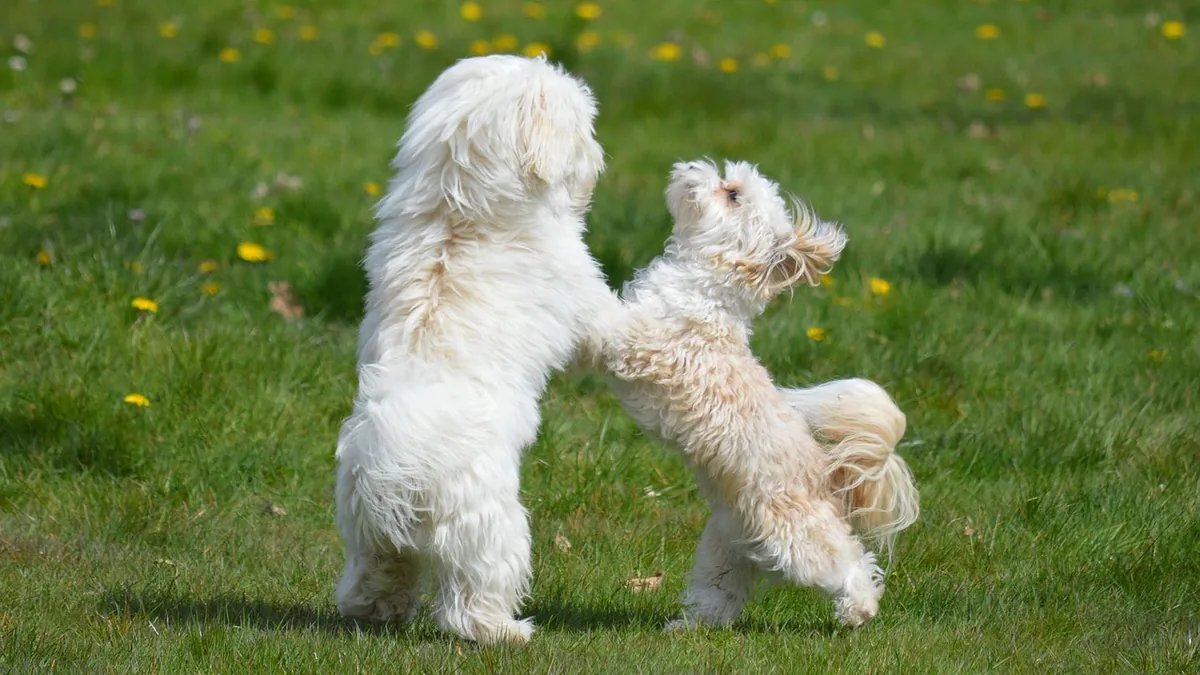
You can often tell if your dog wants another dog by watching how they behave around other dogs over several meetings. A dog who play bows, relaxes, and returns to normal eating and sleeping after visits is usually comfortable with canine company. A dog who hides, freezes, guards resources, or stops eating is telling you they prefer to be an only dog.
This article is educational and is not a substitute for veterinary diagnosis or treatment.
Quick Answer
- Your dog's history with other dogs matters more than any single reaction. A dog with a history of fighting with other dogs is a poor candidate for a second dog in the home [1].
- Watch for relaxed, reciprocal play and a quick return to normal routines after dog-dog contact. These are comfort signs.
- Watch for hiding, freezing, tucked tail, resource guarding, or appetite changes. These are stress signs.
- Your dog's age and training background shape how they handle a new dog. Adult dogs tend to become more accepting of friendly strangers with age, and senior dogs often become more attached to their owner [2].
- A neutral meeting place and a decluttered home reduce the chance of a tense first meeting [1][3].
Why Dogs React the Way They Do
Dogs Are Social, but Not All Dogs Want a Roommate
Dogs are social animals, and many enjoy the company of other dogs [3]. That said, enjoying a dog at the park is different from sharing a home, your attention, and your couch. The resident dog may not be used to having other dogs in their home, or they may not want to share your attention [3].
Your home is your dog's den. That natural territorial instinct, combined with any history of aggression toward other dogs, can create a dangerous situation if you do not address it before adding a new dog [1].
Early Life Shapes Adult Social Skills
The socialization window in puppies runs roughly from 3 to 12 weeks of age. This is when puppies form their primary social bonds and get used to new experiences. A lack of positive experiences during this window can lead to adult problems like fear, aggression, or anxiety [4].
One study of 107 dogs found that puppies adopted at 1 month or 2 months of age showed more behavioral signs of fear, anxiety, and attention-seeking than dogs adopted later [4]. If your dog came home very young, they may be more anxious around other dogs as an adult. That does not mean a second dog is off the table. It means you should plan the introduction carefully.
Age and Training Change the Picture
Attachment to owners shifts with age. In adult dogs between 1 and 7 years old, age was linked to higher acceptance of a friendly stranger. In senior dogs 7 years and older, attachment to the owner increased with age [2]. Training experience also mattered. Adult dogs with more training showed lower attachment scores, higher acceptance, and lower anxiety [2].
In plain terms, a well-trained adult dog often handles new social situations more calmly. A senior dog may be more bonded to you and less interested in sharing you.
Medical Causes to Rule Out First
Sometimes what looks like a personality problem is a health problem. Pain, dental disease, arthritis, thyroid disease, and vision or hearing loss can all make a dog grumpy, jumpy, or withdrawn around other dogs. A dog who suddenly snaps at other dogs after years of easy going behavior needs a veterinary exam, not a training plan.
If your dog has loose stool, vomiting, weight loss, or a dull coat along with the behavior change, parasites or another medical issue may be involved. You can read about how to know if your dog has worms for signs to watch.
Dehydration and pain can also change mood and energy. If your dog seems off, check how to check your dog's hydration at home and call your vet with what you find.
How to Tell If My Dog Wants Another Dog: Signs of Comfort vs. Stress
Signs Your Dog Is Comfortable with Other Dogs
- Play bow, loose wiggly body, and bouncy movement
- Taking turns during play (both dogs pause and restart)
- Lying down, yawning, or shaking off after a greeting
- Eating, drinking, and sleeping normally after a visit
- Seeking out the other dog again on their own
- Recovering quickly from a startle
Signs Your Dog Is Stressed by Other Dogs
- Hiding behind you, under furniture, or in another room
- Freezing, stiff body, hard stare, or tucked tail
- Growling, snapping, or lunging
- Guarding food, toys, bones, or beds
- Whining, pacing, or panting when no exercise happened
- Not eating or not sleeping well after a visit
- Avoiding the other dog entirely
Whining is one of the most misread signals. It can mean excitement, frustration, or anxiety. If your dog whines around other dogs, read Dog Whining All the Time: What Is Your Dog Trying to Tell You? to sort out what the sound likely means.
A Simple Test You Can Do
Arrange two or three short, leashed walks with a calm, well-socialized dog you know. Pick neutral ground, not your yard or your dog's usual route. Watch for the comfort and stress signs above. Do this at least three times before you decide. One good meeting is not enough data. One bad meeting is not always a deal breaker either, but repeated bad meetings are a clear answer.
When It Becomes a Problem
A single growl over a bone is not a crisis. A pattern is. If your dog has a history of fighting with other dogs, think hard about whether adding another dog is fair to the dog you already have. The happiness of your current dog may need to outweigh your wish for a second pet [1].
If you are not willing to keep your dog as a solo pet, talk with an expert in canine behavior and work through behavior changes before you add a new dog [1]. Skipping that step can set up a dangerous situation.
Other problem patterns include:
- Your dog guards you, the couch, or doorways from other dogs
- Your dog cannot settle for hours after a dog visit
- Your dog's appetite or sleep changes for more than a day
- Your dog redirects aggression onto you or another pet
If any of these sound familiar, it is worth asking whether your dog has a behavior problem at all. This guide on how to know if your dog has behavior problems can help you decide what to bring up with your vet.
What to Do Step by Step
Step 1: Assess Your Dog Honestly
Write down how your dog acts around other dogs over two weeks. Note the setting, the other dog, and what happened. Patterns will show up fast.
Step 2: Set Up Neutral Meetings
Leave your current dog at home when you pick up a new dog. Managing two dogs in a car is not possible, and the tight space can make a first meeting worse [1]. Choose a neutral spot for the first meeting. Bringing a new dog straight into your home can trigger territorial behavior that turns into aggression [1].
Step 3: Prepare Your Home Before the New Dog Arrives
Remove anything your dog may not want to share, such as food bowls, bones, chews, toys, and beds. Even a dog who has never guarded food or objects can surprise you, so use caution [3]. Open, airy layouts work better than narrow, crowded spaces. Tight areas push dogs closer than they are comfortable with and raise the odds of a scuffle [3].
Step 4: Build Enrichment and Training
Training experience is linked to calmer behavior in adult dogs, including higher acceptance of friendly strangers and lower anxiety [2]. Daily obedience practice, puzzle feeders, sniff walks, and one-on-one time with you all help. A tired, mentally satisfied dog handles change better.
Step 5: Go Slow After the New Dog Comes Home
Keep the first weeks structured. Feed dogs separately. Give each dog their own bed and crate space. Rotate toys. Supervise all contact, and separate them when you cannot watch. Add shared time in small doses.
What Not to Do
- Do not punish growling. Growling is information. Suppressing it removes a warning sign and can lead to a bite with no warning.
- Do not assume a dog park friend will make a good housemate. Different setting, different rules.
- Do not bring the new dog into your home before a neutral introduction [1].
- Do not leave food, bones, or high-value toys out during the early weeks [3].
- Do not force interaction. If your dog walks away, let them.
- Do not rely on the myth that a second dog will "fix" your dog's loneliness, anxiety, or destructive behavior. Those problems usually need training and a veterinary check first.
When to Involve a Veterinarian or Behavior Professional
Call your veterinarian if your dog shows sudden aggression, fear, or withdrawal, especially after years of stable behavior. Sudden changes can point to pain or illness.
Ask for a referral to a certified behavior professional if your dog has a bite history, guards resources from people or dogs, or has a known history of fighting with other dogs. A behavior expert can assess your dog and build a plan before you add another pet [1].
If your dog's breathing looks labored or their resting rate is above their normal range, that is a same-day call. This guide on how to check your dog's respiratory rate and effort at home shows you how to measure it.
Limitations and When to Contact a Veterinarian
No at-home test can predict with certainty how two dogs will live together long term. Behavior is shaped by genetics, early experience, health, training, and the specific dogs involved. Your dog's individual case needs a veterinarian or certified behavior professional who can examine them in person.
Contact your veterinarian the same day if your dog:
- Refuses food for more than 24 hours after a stressful event
- Shows sudden aggression toward you or another pet
- Has a limp, yelps when touched, or seems painful
- Vomits, has diarrhea, or seems dehydrated
Go to an emergency clinic now if:
- A fight caused a puncture wound, bleeding, or collapse
- Your dog is struggling to breathe, gums are pale or blue, or they cannot stand
- Your dog is having a seizure or is unresponsive
For poison concerns, call the Pet Poison Helpline at (855) 764-7661 or the ASPCA Animal Poison Control Center at (888) 426-4435.
Schedule a routine visit if your dog's behavior around other dogs has changed slowly over weeks, or if you want a health check before adding a second dog.
Frequently Asked Questions
Can my dog be lonely even if they seem fine alone?
Some dogs do enjoy company, but a dog who sleeps, eats, plays, and engages with you is not automatically lonely. True social need shows up as distress when left alone, not as calm independence. If your dog is anxious when alone, that is a separate issue to address with your vet before adding another pet.
Will getting a second dog help my dog's separation anxiety?
Usually no. Separation anxiety is about your absence, not about a lack of canine company. A second dog can sometimes make anxiety worse if the two dogs feed off each other's stress. Treat the anxiety first, then revisit the idea.
Does my dog's breed tell me whether they want a second dog?
Breed gives you tendencies, not a verdict. Many breeds were developed for jobs that no longer match life as an easy-going companion, and owners often expect more from their dogs than the breed was shaped to give. Your dog's individual history and temperament matter more than the breed label.
How long does it take for two dogs to settle in together?
It varies widely. Some pairs relax within days, and others need weeks or months of structured, supervised time. Watch for steady improvement in eating, sleeping, and relaxed body language. If things are getting worse instead of better after a few weeks, get professional help.
Should I get a puppy or an adult dog as the second dog?
It depends on your resident dog. A puppy can be overwhelming for a senior or anxious dog, while a calm adult may fit better. Match energy level, play style, and size. A neutral meeting before you commit tells you more than any age rule.
What if my dog likes other dogs outside but not inside the home?
That is common and it points to resource guarding and territorial behavior, not a lack of social skill. Your home is your dog's den, and sharing it is a different task than meeting on neutral ground. Work with a behavior professional on guarding before you bring another dog home.
Related Articles
- How Do I Know If My Dog Has Behavior Problems
- How to Check Your Dog's Respiratory Rate and Effort at Home
- Dog Whining All the Time: What Is Your Dog Trying to Tell You?
- How to Check Your Dog's Hydration at Home
- How Do I Know If My Dog's Got Worms
- How To Tell If Dog Has A Worm
- How to Introduce Your Dog to a New Dog Successfully
- How to Get Your Dog to Accept a New Puppy
- How to Help Your Dog Get Along With Other Dogs
References
- Bringing Dogs To A New Home. Pet Poison Helpline.
- Human-analogue age-related dynamics of dog-human attachment. GeroScience, 2026.
- Introducing Dogs to Each Other. ASPCA Animal Poison Control Center.
- The Puppies' Age at Adoption Time Influences the Behavioral Responses of Adult Dog. Veterinary sciences, 2025.