Do Kittens Know How to Use a Litter Box?
By Dr. Zubair Khalid, DVM, MS, PhD ·
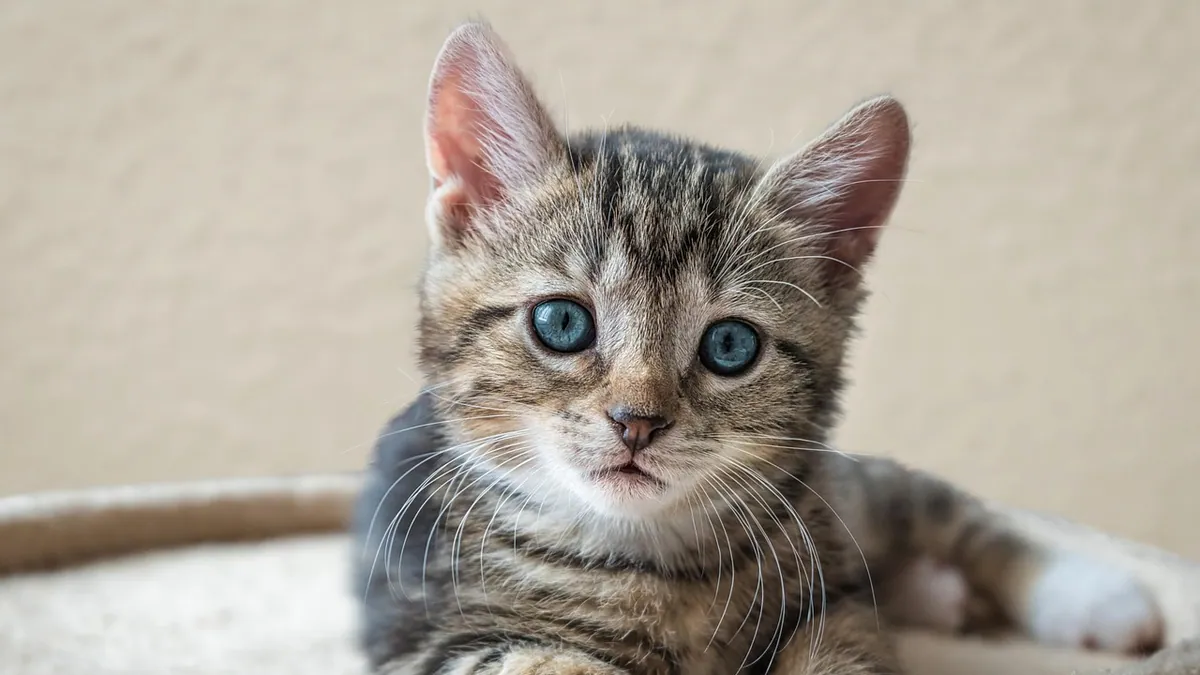
Yes, most kittens know how to use a litter box without formal training. Cats are naturally clean animals that seek out a place to bury their waste, so the behavior is largely instinctive [1]. That said, a kitten still depends on you to provide a box that feels safe, clean, and easy to reach. This article is educational and is not a substitute for veterinary diagnosis or treatment.
Quick Answer
- Most kittens start using a box on their own once they are steady on their feet, usually by 4 to 5 weeks of age, because the urge to bury waste is instinctive [1].
- Kittens usually urinate more often than adult cats. Expect several trips to the box each day, and more if the kitten is very young or drinking well.
- A kitten that suddenly stops using the box, strains, or cries while going needs a veterinary visit, not a training fix.
- Scoop the box at least once daily and fully change and clean it at least once a week [1].
- Most cats prefer unscented, small clumping litter in a box at least 50 cm (about 20 inches) long [1][2].
Do Kittens Know to Use the Litter Box? The Instinct Behind It
Kittens do not need to be taught the concept of a litter box. The drive to dig, eliminate, and cover the waste is built in [1]. What they learn from their mother and littermates is the fine detail: which surface feels right, where the box sits, and how to cover neatly.
This is why a kitten raised with a mother cat often seems to "just know." The mother cat models the behavior, and the kittens copy her. A kitten raised without a mother can still pick it up quickly, especially if you place them in the box after meals, after naps, and after play.
The instinct is strong but not unbreakable. If the box is dirty, hard to climb into, or in a scary spot, a kitten may choose a corner of your rug instead. The behavior is natural, but the environment still has to cooperate.
Do Kittens Automatically Use the Litter Box From Day One?
No. Newborn kittens cannot control their bladder or bowels on their own. The mother cat stimulates them to eliminate by licking, and she cleans up afterward. Around 3 to 4 weeks of age, kittens begin to move away from the nest to eliminate, and that is when a shallow box becomes useful.
By 4 to 5 weeks, most kittens can use a low-sided box with help. By 6 to 8 weeks, most are reliable if the box is clean and close by. Kittens are typically weaned and can leave their mother starting at 6 to 7 weeks old, so a kitten you bring home at that age may already have the habit started [3].
If your kitten is younger than 4 weeks or was separated from the mother very early, expect to do more of the work. You may need to place the kitten in the box gently after each meal and nap until the habit sticks.
Is It Normal for Kittens to Not Use the Litter Box?
Sometimes yes, and sometimes no. A single accident during a transition, like moving to a new home, is common. A pattern of avoiding the box is not something to ignore.
Common non-medical reasons include:
- The box is too tall for a small kitten to climb into.
- The box is too far from the kitten's sleeping and eating area.
- The litter is scented, dusty, or a texture the kitten dislikes [1].
- The box is dirty. Cats may refuse a soiled box and go outside it [1].
- The box sits next to a noisy appliance, a barking dog, or a busy hallway.
- Another cat in the home guards the box.
Fearful cats are more prone to litter box problems than confident ones, so a shy kitten may need extra quiet and privacy [4]. If your kitten hides and avoids the box at the same time, that combination deserves attention. You can read more about that pattern in Why Is My Cat Suddenly Hiding and Not Using the Litter Box?.
How Often Do Kittens Use the Litter Box?
Kittens urinate more frequently than adult cats because they are small, eat often, and have a fast metabolism. A healthy kitten may urinate 3 to 6 times a day and pass stool 1 to 3 times a day. Very young kittens, under 8 weeks, often go more often than that.
Healthy cats tend to follow a daily rhythm for eating and eliminating, and their box habits stay fairly consistent from day to day [5]. That consistency is useful. Once you know your kitten's normal pattern, you will notice quickly when something changes.
Is it normal for a kitten to use the litter box a lot?
More trips than usual can be normal if your kitten is drinking more, eating wet food, or playing hard and drinking extra water. It can also be an early sign of a urinary problem, diabetes, or kidney disease.
In cats with chronic kidney disease, researchers found a pattern of increased urination frequency, longer time spent in the box, and less covering of waste afterward [6]. Those signs are easy to miss in a young kitten, but the principle holds: a clear change in frequency or effort is worth a vet visit.
If your kitten is squatting often, producing little or no urine, or crying in the box, treat it as urgent. That can signal a blockage, which is life threatening, especially in males.
Medical Causes to Rule Out First
Before you assume the problem is behavioral, have your kitten examined. Several medical issues can cause a kitten to avoid the box or use it constantly.
- Urinary tract infection or inflammation
- Bladder stones or crystals
- Partial or complete urethral blockage
- Intestinal parasites, which are common in kittens and can cause diarrhea and urgency [3]
- Digestive upset from a diet change
- Pain anywhere that makes squatting uncomfortable
- Fever or another illness that increases thirst and urination
Kittens need veterinary visits every 3 to 4 weeks until about 6 months of age for vaccines and parasite treatment [3]. Those visits are a good time to raise any box concerns. Your veterinarian can check a urine sample and decide whether further testing is needed.
If your kitten is straining without producing urine, vomiting, or acting painful, go to a veterinarian right away. Do not wait to see if it passes.
When Litter Box Behavior Becomes a Problem
A problem is not one accident. A problem is a pattern that repeats, or a sudden change in a kitten that was previously reliable.
Watch for these signs:
- Urinating or defecating outside the box more than once
- Avoiding the box entirely for a full day
- Crying, pacing, or licking the genital area
- Blood in the urine or stool
- Straining with little output
- Hiding, growling when picked up, or refusing food
- Going in the same spot over and over, which often means the spot itself has become the habit
House-soiling is the most common behavior problem reported by cat owners and a leading reason cats are surrendered to shelters [2]. That is not meant to scare you. It means the problem is common, well studied, and often solvable with the right steps.
What to Do: Step by Step
Set up the box correctly
Start with an open, low-sided box so a small kitten can step in easily. Choose unscented, small clumping litter, since most cats prefer fine clumping particles and can be put off by strong smells [1]. A box at least 50 cm (about 20 inches) long suits most cats, and cats in one study preferred boxes of that size or larger [2].
Place the box in a quiet spot that is easy to reach. Keep it away from the food and water bowls. If you have a multi-cat home, provide one box per cat plus one extra, and place them in different locations. For more on that, see Can Multiple Cats Use The Same Litter Box.
Build the habit
- Put the kitten in the box after every meal, nap, and play session.
- Scratch the litter gently with your finger to invite digging.
- Praise calmly when the kitten goes in the box. Do not interrupt.
- If the kitten starts to squat outside the box, place them in the box right away, without scolding.
- Keep the box in the same place. Moving it confuses a young kitten.
Keep it clean
Scoop at least once a day and clean the whole box at least once a week [1]. Replace old, scratched boxes, because odor soaks into plastic over time [1]. If more than one cat uses a box, clean it more often [1].
Reduce stress
A new home, a new pet, or a move can trigger box avoidance. Give your kitten a quiet room with the box, food, and a bed for the first few days. Add hiding spots and vertical space so the kitten feels secure. Fearful cats are more likely to have box issues, so confidence building matters [4].
Offer choices
Some cats like covered boxes and some hate them. Open boxes have better air flow, while hooded boxes offer privacy [1]. If you are unsure what your kitten prefers, offer more than one type and see which gets used [1].
What Not to Do
Do not punish your kitten for accidents. Rubbing a nose in waste, yelling, or spraying water teaches fear, not cleanliness. A frightened kitten is more likely to hide and go outside the box, which makes the problem worse [4].
Do not lock a kitten in a small space with the box as a punishment. Confinement can help during training, but it should be a calm, safe area with room to move, not a scary box.
Do not assume the kitten is being spiteful. Cats do not plot revenge. Something in the setup, the health, or the environment is driving the behavior.
Do not switch litter brands suddenly or use strong-smelling cleaners in or near the box. Cats are sensitive to smells [1].
Do not ignore a sudden change. A kitten that was reliable and now is not may have a medical problem that will not fix itself.
When to Involve a Veterinarian or Behavior Professional
Call your veterinarian if your kitten:
- Stops using the box for more than a day
- Has blood in the urine or stool
- Strains, cries, or produces very little urine
- Vomits, stops eating, or acts lethargic
- Has diarrhea lasting more than a day
- Keeps soiling outside the box despite a clean, well-placed setup
If your veterinarian finds no medical cause, ask for a referral to a veterinary behaviorist or a certified applied animal behaviorist. These professionals can build a plan for anxiety, multi-cat tension, or long-standing habits. For a deeper look at sorting medical from behavioral causes, see Cat Not Using the Litter Box: Medical or Behavioral?.
Limitations and When to Contact a Veterinarian
This article covers general patterns. Every kitten is an individual, and only a veterinarian who examines your kitten can diagnose or treat a specific problem.
Contact a veterinarian the same day if your kitten is straining to urinate, has not urinated in 12 hours, is vomiting, or seems painful. Go to an emergency clinic immediately if your kitten is crying in the box with no urine produced, is collapsed, or is breathing hard. A urethral blockage can become fatal within a day.
Schedule a routine visit if the box habits changed gradually, if accidents are happening a few times a week, or if you notice more frequent urination over several days. Early detection of urinary and kidney problems gives your kitten the best chance of a good outcome [6].
Frequently Asked Questions
At what age can a kitten use a litter box on its own?
Most kittens can use a shallow box with some help by 4 to 5 weeks and are fairly reliable by 6 to 8 weeks. A kitten weaned at 6 to 7 weeks may already have the habit started when you bring them home [3]. Younger or early-separated kittens need you to place them in the box after meals and naps.
Why does my kitten play in the litter box instead of using it?
Play in the box is common in young kittens who are still learning what the box is for. It usually fades as they mature and as the box becomes associated with eliminating. If the kitten also avoids going in the box, check the litter type and box cleanliness, since cats can refuse a box they dislike [1].
Should I use clumping or non-clumping litter for a kitten?
Most cats prefer small, clumping particles such as clay-based litter [1]. Cats in one study showed a clear preference for clumping clay litter over other types [2]. Avoid scented litters, since cats are sensitive to smells [1]. If your kitten eats litter, talk to your veterinarian about a safer option until the habit passes.
Can stress cause a kitten to stop using the litter box?
Yes. Fearful cats are more prone to house soiling and litter box fussiness than confident cats [4]. A move, a new pet, or a loud household can trigger avoidance. Give your kitten a quiet room, keep the box clean and close, and let them settle before expecting perfect habits.
How many litter boxes should I have for one kitten?
Start with at least two boxes in different locations, even for a single kitten. That gives your kitten a choice if one box feels unsafe or dirty. In homes with more than one cat, the common rule is one box per cat plus one extra, cleaned daily and fully changed at least weekly [1].
Related Articles
- Cat Litter Box
- Cat Not Using Litter Box
- Why Is My Cat Suddenly Hiding and Not Using the Litter Box?
- Cat Not Using the Litter Box: Medical or Behavioral?
- Can Multiple Cats Use The Same Litter Box
- Cat Peeing Outside the Litter Box: Medical or Behavioral?
- Litter Box Training for Kittens and Cats
- Why Is My Kitten Refusing to Use the Litter Box?
- Why Does My Kitten Play in the Litter Box?
References
- Providing a Litter Box for a Cat - Cat Owners. Merck Veterinary Manual.
- Litter box size and litter type preference and their associated behavioral changes in cats. The Journal of veterinary medical science, 2025.
- Kitten Care - Cat Owners. Merck Veterinary Manual.
- Feline litter box issues associate with cat personality, breed, and age at sterilization. Journal of the American Veterinary Medical Association, 2023.
- Characterising individual feeding and elimination behaviours in healthy cats using a connected smart feeder and litter box: a preliminary study. Journal of feline medicine and surgery, 2026.
- Enhancing Detection of Feline Chronic Kidney Disease Through Smart Litter Box Monitoring. Animals : an open access journal from MDPI, 2026.