Litter Box Training for Kittens and Cats
By Dr. Zubair Khalid, DVM, MS, PhD ·
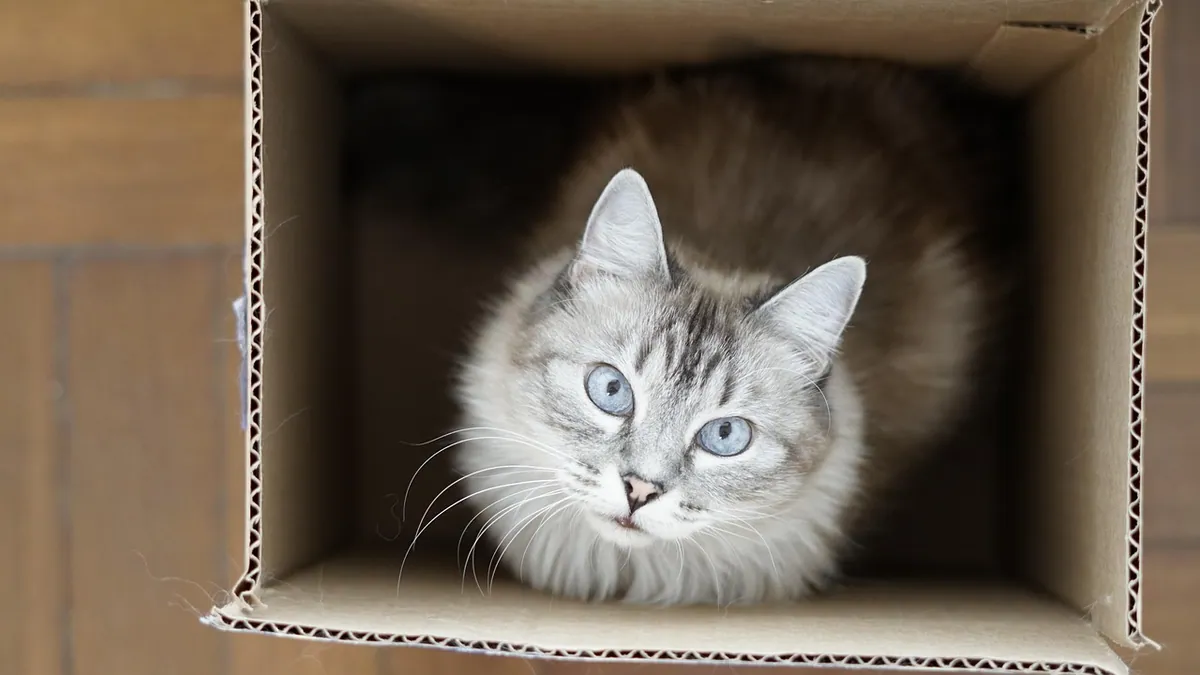
Kitten litter box training is usually simple because cats are naturally clean animals that look for a place to bury their waste [1]. Most kittens need only a clean box, the right litter, and a quiet spot to get it right. Adult cats can also be re-trained when litter box problems appear.
This article is educational and is not a substitute for veterinary diagnosis or treatment.
Quick Answer
- Set up one open box per cat, plus one extra, in quiet spots with more than one exit route.
- Use an unscented, clumping clay litter with small particles, since most cats prefer it [1][2].
- Choose a box at least 50 cm (about 20 inches) long, because cats in one study preferred boxes of that size or larger [2].
- Scoop at least once daily and fully clean the box at least weekly, more often if several cats share it [1].
- Never punish a cat for going outside the box. Punishment makes fear worse, and fearful cats are more prone to litter box issues [3].
Why Cats Use a Litter Box at All
Cats are naturally clean animals that seek a place to bury their waste [1]. That instinct is the reason kitten litter box training tends to go quickly. You are not teaching a new skill so much as giving your cat an acceptable place to do what she already wants to do.
Kittens often learn by watching their mother and by exploring soft, diggable material. If a kitten was separated from her mother early or lived in a crowded shelter, she may need more help and patience.
Adult cats can develop preferences too. A cat who once used a box reliably may avoid it after a move, a new pet, a new baby, or a change in litter. Once a cat avoids the box for any reason, she can develop a surface or location preference for eliminating, and that preference may be your rug or your favorite chair [4]. Acting fast matters.
Medical Causes to Rule Out First
Before you assume a litter box problem is behavioral, talk to your veterinarian. Painful urinary or digestive conditions can make a cat associate the box with discomfort.
Watch for these signs:
- Crying or straining while urinating
- Frequent trips to the box with little or no urine
- Blood in urine
- Peeing in small amounts in many places
- Diarrhea, constipation, or accidents right next to the box
- Sudden change in an older cat who has used the box well for years
A cat who strains to urinate and produces nothing may have a life-threatening blockage. This is an emergency. Call your veterinarian or an emergency clinic right away.
Medical problems and behavior problems often overlap. A cat with a past medical condition may keep avoiding the box even after the condition is treated, because the avoidance has become a habit [4]. Your veterinarian can help you sort out what is medical and what is learned.
When Litter Box Problems Become a Real Problem
At least 10% of all cats develop elimination problems [4]. Some stop using the box completely. Some use the box for urine but not stool, or the other way around. Some go both in and out of the box.
House-soiling is the most common problem cat owners face, and it is the main reason owners surrender cats to shelters [2]. That is a heavy outcome for a problem that often responds to simple changes.
Litter box issues fall into two broad patterns. One is house soiling, meaning the cat eliminates outside the box. The other is litter box fussiness, meaning the cat is picky about box conditions. Fearful cats are more prone to both forms than non-fearful cats [3]. Other factors differ between the two patterns. Low sociability toward other cats, being male, and being intact were linked only to more house soiling, while older age was linked only to more litter box fussiness [3].
If your cat eliminates outside the box, act quickly. A surface or location preference can become chronic if you wait [4].
Kitten Litter Box Training, Step by Step
Step 1: Pick the Right Box
Choose an open box with low sides that a small kitten can step into. Cats in one study preferred boxes measuring at least 50 cm (about 20 inches) [2]. A box that is too small gives your cat no room to turn around and dig.
Covered boxes contain mess and odor, and some cats like the privacy. Other cats refuse to enter an enclosed space to pee or poop [1]. If you are not sure what your cat prefers, offer more than one type [1].
Step 2: Choose the Litter
Most cats prefer small, clumping particles, such as clay-based products [1]. Cats are sensitive to smells, so unscented litter is often recommended [1]. One study found that cats preferred clumping clay litter, and a comfortable litter setup with a large box and clumping clay promoted normal urination and reduced house soiling [2].
If you want to change litter, do it gradually. Mix a little of the new litter into the old and increase the ratio over a week or two.
Step 3: Place the Box Well
Put the box in a quiet, low-traffic spot. Your cat needs to feel safe and needs an escape route. Do not tuck the box in a dead-end corner where a cat can be cornered by a dog, a toddler, or another cat.
Keep the box away from food and water bowls. Cats do not like to eat near where they eliminate.
Step 4: Show Your Kitten the Box
After meals, naps, and play, place your kitten gently in the box. Scratch the litter with your finger so she hears and sees the motion. Praise her calmly if she digs or eliminates. Do not hold her in the box or force her to stay.
Most kittens catch on within a few days. If your kitten eliminates outside the box, place the waste in the box and set her in it. Clean the accident spot with an enzymatic cleaner made for pet odors.
Step 5: Keep It Clean
Scoop every day and clean the entire box at least once a week [1]. The more cats share a box, the more often it needs cleaning and fresh litter [1]. Replace old boxes instead of scrubbing them forever [1].
Step 6: Add Boxes as Your Cat Ages
The general rule is one box per cat plus one extra. Spread them out. Two boxes side by side count as one box to most cats.
Re-Training an Adult Cat
Adult cat box training follows the same steps, with a few additions.
- Start fresh. Replace worn boxes and old litter.
- Offer choices. Try an open box and a covered box, and two litter types, in separate locations [1].
- Reduce stress. New pets, moves, and household changes can trigger avoidance.
- Check the household. Conflict between multiple cats is a common cause of elimination problems [4].
- Keep a diary. Note when and where accidents happen. Patterns help your veterinarian.
If your cat is peeing outside the box, see Cat Peeing Outside the Litter Box: Medical or Behavioral? and Cat Peeing Outside Box for more detail on sorting out causes.
Common Litter Box Problems and Fixes
The Box Is Too Small
Cats preferred boxes at least 50 cm long in one study [2]. If your adult cat looks cramped, size up. A plastic storage bin with a cut-down entry works well for many cats.
The Litter Is Wrong
A cat may dislike the litter type or the litter itself [4]. Scented litter, dusty litter, and large pellets are common complaints. Try unscented clumping clay first [1][2].
The Box Is Dirty
A dirty box is a top reason cats refuse to use it [1]. Scoop daily. Full clean weekly. More cats means more cleaning [1].
The Location Is Bad
A cat may decide she does not like the location or placement of the box [4]. Move it to a quiet spot with an escape route. If a dog or another cat guards the area, the box is unusable.
The Box Is Covered and Your Cat Hates It
Some cats do not like enclosed spaces for elimination [1]. Remove the lid for a week and see what happens.
Multiple Cats, Too Few Boxes
Conflict between cats in a home can cause elimination problems [4]. Add boxes, spread them out, and make sure no cat has to pass another cat to reach a box.
Stress and Fear
Fearful cats are more prone to house soiling and litter box fussiness [3]. Pheromone products, extra hiding spots, and predictable routines can help. A veterinarian or behavior professional can guide you.
Older Cat Changes
Older age was linked to more litter box fussiness in one study [3]. Arthritis can make it painful to step into a high-sided box. Try a low-entry box and keep a clear path to it.
What Not to Do
Do not punish your cat. Rubbing her nose in waste, yelling, or squirting water does not teach her where to go. It teaches her to fear you and to eliminate when you are not watching. Fearful cats are more prone to litter box issues [3].
Do not lock your cat in a small room with the box for hours. This creates stress and can make the box feel like a trap.
Do not use ammonia-based cleaners on accident spots. They smell like urine and can invite repeat marking.
Do not assume it is spite. Cats do not eliminate outside the box to get even. There is always a reason, whether medical, environmental, or social.
Do not wait months to act. Surface and location preferences can become chronic [4].
When to Get Professional Help
Call your veterinarian if your cat has any medical signs, such as straining, blood in urine, or diarrhea. Call the same day if your cat is straining to urinate and producing little or nothing, since this can be an emergency.
Ask for a behavior referral if:
- Your cat keeps soiling outside the box after medical causes are ruled out
- You have tried the steps above for two to four weeks with no improvement
- There is fighting or tension between cats in your home
- You feel frustrated or are considering giving up your cat
A certified behavior professional can build a plan for your home. Your veterinarian can also check for pain, urinary disease, and other conditions that drive box avoidance.
Limitations and When to Contact a Veterinarian
Litter box training advice cannot replace an exam. Every cat is different, and individual cases need a veterinarian who can examine your cat, run tests, and set a treatment plan.
Contact your veterinarian the same day for:
- Straining to urinate with little or no urine
- Crying while urinating
- Blood in the urine
- Repeated vomiting or diarrhea
- A cat who stops eating or drinking
Go to an emergency clinic now if your cat is a male cat straining to urinate, has a hard or painful belly, is hiding and crying, or is collapsed or weak. A urinary blockage can be fatal within a day or two.
Schedule a routine visit for:
- Sudden accidents in a cat who was previously reliable
- Gradual changes in litter box habits
- A kitten with diarrhea or poor weight gain
- Any cat with accidents plus weight loss, increased thirst, or increased urination
Frequently Asked Questions
How long does kitten litter box training take?
Most kittens learn within a few days to a couple of weeks. Cats are naturally clean animals that seek a place to bury their waste [1]. If your kitten is still having accidents after two weeks of consistent effort, ask your veterinarian to check for medical causes.
Should I use a covered or open litter box?
It depends on your cat. Covered boxes contain mess and odor, but some cats do not like going into enclosed spaces to eliminate, while others like the privacy of a hooded box [1]. Offering both types can help you learn your cat's preference [1].
Why is my cat suddenly peeing outside the box?
A sudden change usually means something changed. Pain, urinary disease, a new pet, a dirty box, or a box in a bad location are common causes [1][4]. See your veterinarian first to rule out medical problems.
Does litter box size really matter?
Yes. Cats in one study preferred boxes measuring at least 50 cm (about 20 inches) [2]. A comfortable litter setup with a large box and clumping clay litter promoted normal urination and reduced house soiling [2].
Can I train my cat to use an automatic litter box?
Some cats adapt well, and some avoid the noise and motion. Start with a standard box and let your cat choose. If you want to try one, see Automatic Cat Litter Box for what to consider. For basic supplies, see Cat Litter Box and Cat Litter.
Related Articles
- Cat Litter Box
- Cat Litter
- Automatic Cat Litter Box
- Cat Peeing Outside the Litter Box: Medical or Behavioral?
- Cat Peeing Outside Box
- Cat Litter Box Problems
- Do Kittens Know How to Use a Litter Box?
- Why Is My Kitten Refusing to Use the Litter Box?
- Why Is My Kitten Digging in the Litter Box? Causes
References
- Providing a Litter Box for a Cat - Cat Owners. Merck Veterinary Manual.
- Litter box size and litter type preference and their associated behavioral changes in cats. The Journal of veterinary medical science, 2025.
- Feline litter box issues associate with cat personality, breed, and age at sterilization. Journal of the American Veterinary Medical Association, 2023.
- Litter Box Problems. ASPCA Animal Poison Control Center.