Why Is My Kitten Rolling in the Litter Box?
By Dr. Zubair Khalid, DVM, MS, PhD ·
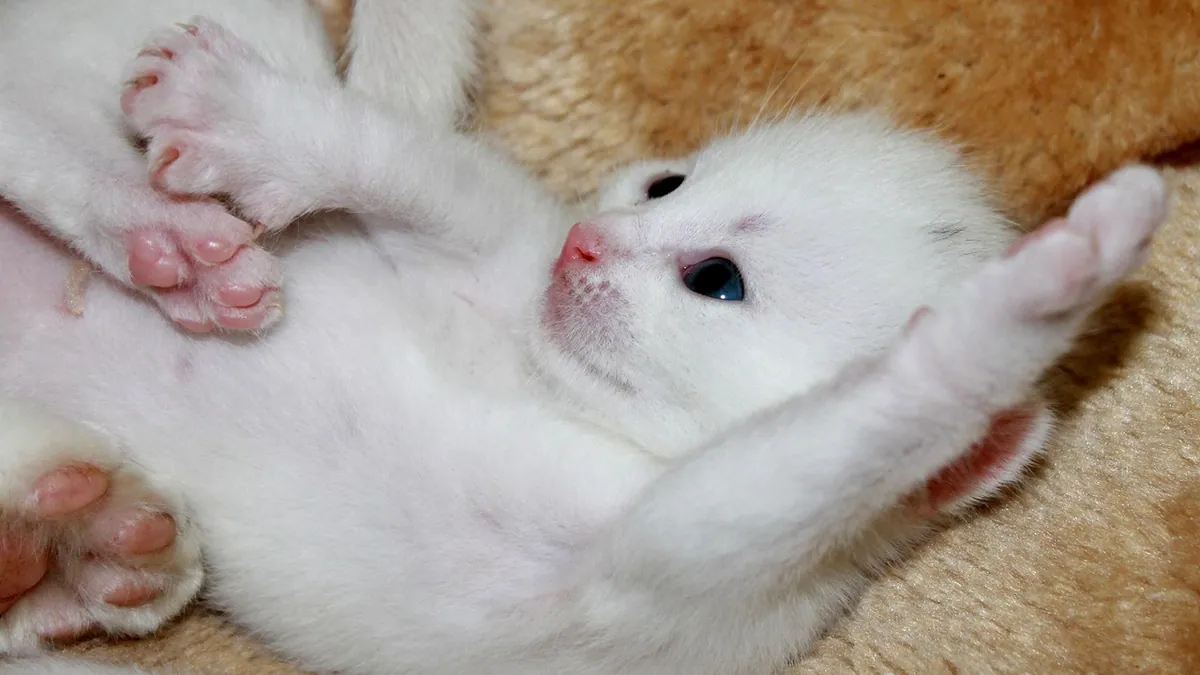
Kittens roll around in the litter box for several ordinary reasons. They play in it, they rub their own scent into it, and they react to a box that feels too small, too dirty, or filled with litter they dislike. If you are asking why is my kitten rolling around in the litter box, the answer is usually harmless, but a few medical causes deserve a closer look.
This article is educational and is not a substitute for veterinary diagnosis or treatment.
Quick Answer
- Rolling, flopping, and wriggling in litter is common in kittens and is often play or scent-marking behavior.
- A box that is too small, too dirty, or filled with an unwanted litter can trigger rolling and other odd litter box behavior [1][2].
- Fearful kittens are more likely to develop litter box problems, so stress in the home matters [3].
- Watch for crying, straining, frequent trips, or licking at the rear, which point to pain or parasites instead of play.
- Fix the box first: bigger size, unscented clumping litter, scoop daily, and keep the box in a quiet spot [1][2].
Why Is My Kitten Rolling Around in the Litter Box?
Play behavior
Kittens explore the world with their mouths, paws, and whole bodies. Litter moves, shifts, and makes noise, which makes it interesting. A kitten may flop onto her side, roll, kick, and bat at the granules the same way she would wrestle a toy. This is normal development. Most kittens outgrow heavy litter play by a few months of age, though some continue to dig and roll when they are excited.
Scent-marking and self-scenting
Cats have scent glands on the cheeks, chin, paws, and around the tail base. Rubbing the body through litter deposits familiar scent in a place that matters to them. Kittens also pick up the box's scent on their coat, which can feel reassuring. This is one reason a kitten may roll right after using the box or right after you clean it and remove her smell.
Curiosity and texture
Litter has a texture unlike anything else in the home. Some kittens roll because the cool, grainy surface feels good, especially in warm weather. Others roll once or twice out of simple curiosity and then stop.
A box that does not fit her preferences
Cats have real preferences about their bathroom. In one study, cats preferred litter boxes measuring at least 50 cm (about 20 inches) and clumping clay litter, and giving them both elements improved normal elimination behavior and reduced problem behaviors around the box [1]. Another study found that litter box issues were linked to the number, type, and location of boxes, the litter itself, and how often the box was scooped and fully changed [2]. A kitten squeezed into a small box or standing in wet, dirty litter may roll, paw, and fuss instead of settling down.
Stress and fear
Fearful cats are more prone to litter box problems than confident ones [3]. A new home, a new pet, loud noise, or a box placed next to a noisy appliance can make a kitten uneasy. Rolling can be part of that unease, along with hovering, racing out of the box, or avoiding it.
Medical Causes to Rule Out
Pain while urinating or defecating
Discomfort in the bladder or lower bowel can make a kitten associate the box with pain. She may cry, strain, squat for a long time, or roll and writhe after eliminating. A kitten who rolls in the box while vocalizing, or who visits the box often with little urine produced, needs a veterinary exam. Cats with chronic kidney disease show increased urination frequency and longer elimination times, and they cover their waste less often [4]. That pattern is not typical kitten play.
Parasites and skin irritation
Intestinal parasites can cause itching around the rear end, and a kitten may scoot, lick, or roll against surfaces, including litter, to relieve it. Fleas and other external parasites cause similar itching. Your veterinarian can check a stool sample and examine the skin.
Anal gland or urinary tract problems
Impacted anal glands, urinary tract inflammation, and other painful conditions can all change how a kitten behaves in and around the box. These require a diagnosis, not a guess.
Neurologic or balance issues
If rolling looks uncontrolled, if your kitten cannot right herself, or if she rolls outside the box too, that is a neurologic sign. Contact a veterinarian promptly.
When Rolling in the Litter Box Becomes a Problem
Rolling itself is rarely the main issue. The problem starts when it comes with other changes.
Watch for these patterns:
- Avoiding the box and eliminating elsewhere. Elimination problems affect at least 10% of cats, and once a cat avoids the box, the avoidance can become chronic because she develops a preference for another surface or location [5].
- House-soiling in general, which is the most common problem cat owners face and a leading reason cats are surrendered to shelters [1].
- Rolling paired with crying, straining, or frequent small trips to the box.
- Rolling that starts suddenly in a kitten who previously used the box calmly.
- Litter box fussiness, which is a separate pattern from house-soiling and is more common in older cats [3].
If your kitten is leaving the box to urinate, read Why Is My Cat Peeing Outside the Litter Box?. If she is leaving stool outside the box, see Why Is My Cat Pooping Outside the Litter Box? Causes and Solutions. If she is hiding and avoiding the box at the same time, that combination deserves a same-day call, and Why Is My Cat Suddenly Hiding and Not Using the Litter Box? explains why.
What to Do Step by Step
Step 1: Make the box match cat preferences
Choose a box at least 50 cm (about 20 inches) long, and use clumping clay litter if your kitten tolerates it [1]. Most kittens do fine with unscented litter. Scented litter can be irritating, and a kitten with a sensitive nose may avoid or fuss in the box.
Step 2: Keep it clean
Scoop at least once a day and fully replace the litter on a regular schedule. Litter hygiene is one of the factors linked to house-soiling, so a clean box is not optional [2]. A box that smells strongly of ammonia is a box many kittens will not use calmly.
Step 3: Get the count and placement right
Offer more than one box, especially in a multi-cat home. Place boxes in quiet, low-traffic spots with more than one exit route. Do not tuck a box next to a washing machine, furnace, or a door that slams.
Step 4: Reduce stress
Because fearful cats are more prone to litter box issues [3], look at what might be scaring your kitten. Slow introductions to new people and pets, a predictable routine, and a quiet room with her own resources all help. If you recently moved, Cat Not Using Litter Box After Moving: How to Help walks through the transition.
Step 5: Add enrichment outside the box
A bored kitten finds entertainment wherever it exists, and litter is entertaining. Offer wand toys, puzzle feeders, climbing spots, and short play sessions several times a day. Tired kittens roll in their beds, not their boxes.
Step 6: Redirect gently
If you catch your kitten rolling, stay calm. Toss a toy a few feet away or call her over for a play session. Reward her when she uses the box normally with quiet praise or a treat. Do not grab her out of the box, which can make the box feel scary.
Step 7: Track the pattern
Note when the rolling happens. Right after elimination, during play, or when the box is dirty? That timing tells you and your veterinarian a lot. Healthy cats show regular daily patterns of feeding and litter box use, so changes in timing or duration stand out [6].
What Not to Do
Do not punish her
Never yell at, spray, or rub a kitten's nose in litter. Punishment does not teach a kitten where to eliminate. It teaches her that you are frightening when she is near the box, which can push her to eliminate somewhere you cannot see.
Do not assume it is just a bad habit
A sudden change in litter box behavior is a medical question first. Pain and parasites are common and treatable.
Do not switch litter abruptly
Sudden litter changes can cause refusal and house-soiling. Mix the new litter with the old over several days.
Do not use a covered box by default
Some kittens accept hooded boxes. Many do not, especially in a busy home. If your kitten rolls, paws, or bolts from a covered box, remove the lid and see what changes.
Do not rely on myths
There is no evidence that a kitten rolls in litter to "show you" she is angry or to get revenge. Cats do not think that way. Look for a physical or environmental cause instead.
When to Involve a Veterinarian or Behavior Professional
Call your veterinarian if your kitten rolls in the box along with any of these signs: crying during elimination, straining, frequent trips with little output, blood in urine or stool, diarrhea, vomiting, weight loss, or a swollen or painful belly. Also call if she stops using the box, hides more, or seems painful when you touch her rear end or belly.
Ask for a referral to a veterinary behaviorist or a certified cat behavior consultant if your veterinarian finds no medical cause and the behavior continues. A behavior professional can build a plan for fear, anxiety, or litter box aversion. Fear-based litter box problems respond well to structured behavior work [3].
Limitations and When to Contact a Veterinarian
This article cannot tell you what is happening with your individual kitten. Only a veterinarian who examines her can do that.
Contact a veterinarian the same day if your kitten is crying while urinating, straining to urinate, producing only drops of urine, or licking at her genital area repeatedly. In male kittens, straining with no urine is an emergency. Go to an emergency clinic now if your kitten cannot urinate at all, is vomiting, is crying in pain, has a distended belly, or is collapsing or rolling uncontrollably. Schedule a routine visit if the rolling is new, if it comes with itching or scooting, if you see worms or rice-like segments in the stool, or if the behavior continues after you fix the box and litter.
Frequently Asked Questions
Is it normal for cats to roll in their litter box?
Yes, it can be normal, especially in kittens. Play, scent-marking, and curiosity are common reasons. It becomes a concern when it appears suddenly, comes with pain signs, or happens alongside avoiding the box.
Why does my kitten roll in the box right after I clean it?
Fresh litter changes the smell and texture, which invites investigation. Your kitten may be re-depositing her scent or simply enjoying the new surface. If she rolls and then uses the box normally, there is usually nothing to worry about.
Can rolling in litter mean my kitten has worms?
It can be a sign of itching around the rear end, and intestinal parasites are one cause of that itch. Only a stool test can confirm it. Bring a fresh stool sample to your veterinarian if you see scooting, licking, or visible worms.
Should I stop my kitten from rolling in the litter box?
Redirect instead of punish. Offer a toy or a play session, and check that the box is large enough, clean, and filled with a litter she likes. If the behavior stops on its own after a few weeks, no intervention is needed.
Does rolling in the box mean my kitten will stop using the litter box?
Not by itself. The bigger risk is box avoidance, which affects at least 10% of cats and can become a lasting habit once a cat prefers another surface [5]. Fixing box size, litter type, cleanliness, and location early is the best prevention [1][2].
Related Articles
- Why Is My Cat Peeing Outside the Litter Box?
- Why Is My Cat Suddenly Hiding and Not Using the Litter Box?
- Why Is My Cat Pooping Outside the Litter Box? Causes and Solutions
- Why Is My Cat sleeping in litter box? FLUTD Pain and Anxiety Response
- Cat Not Using Litter Box After Moving: How to Help
- Cat Litter Box Problems
- Why Does My Kitten Play in the Litter Box?
- Why Is My Kitten Sitting in the Litter Box? Causes
- Why Is My Kitten Digging in the Litter Box? Causes
References
- Litter box size and litter type preference and their associated behavioral changes in cats. The Journal of veterinary medical science, 2025.
- Factors associated with house-soiling in Italian cats. Journal of feline medicine and surgery, 2023.
- Feline litter box issues associate with cat personality, breed, and age at sterilization. Journal of the American Veterinary Medical Association, 2023.
- Enhancing Detection of Feline Chronic Kidney Disease Through Smart Litter Box Monitoring. Animals : an open access journal from MDPI, 2026.
- Litter Box Problems. ASPCA Animal Poison Control Center.
- Characterising individual feeding and elimination behaviours in healthy cats using a connected smart feeder and litter box: a preliminary study. Journal of feline medicine and surgery, 2026.