How to Deal With a Jealous Cat
By Dr. Zubair Khalid, DVM, MS, PhD ·
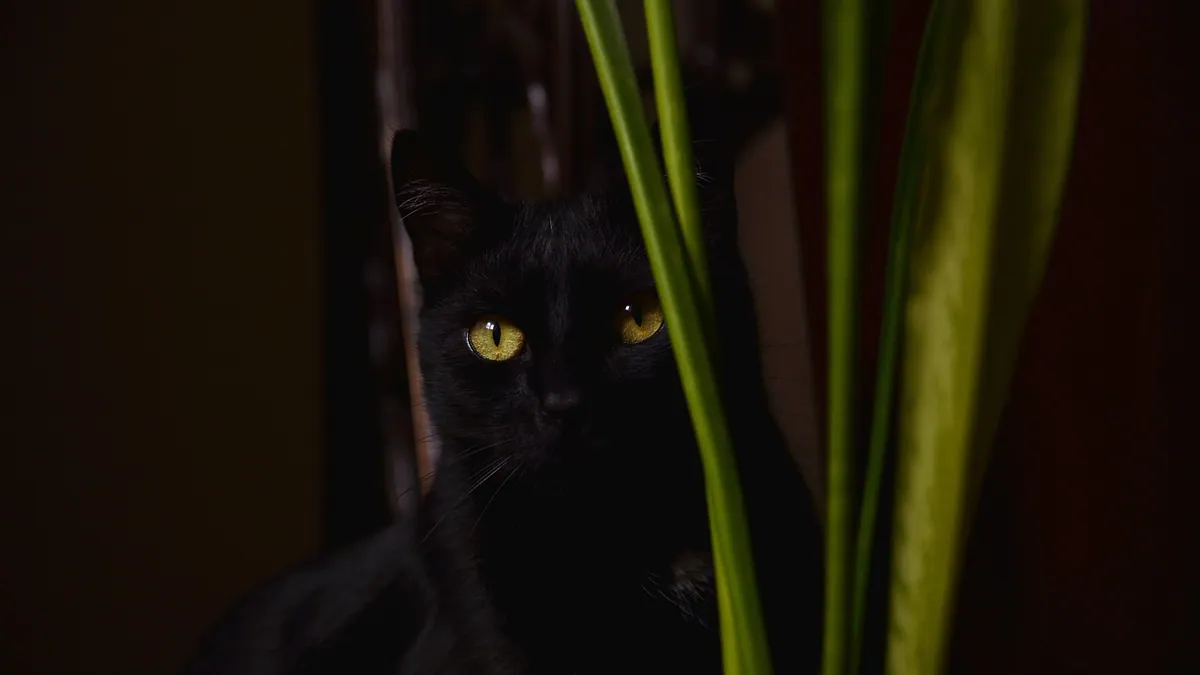
Cat jealousy is usually not jealousy the way humans feel it. What you are seeing is more often resource guarding, stress, or a bid for attention when something in the home changes. Learning how to deal with cat jealousy starts with reading the behavior correctly, ruling out medical causes, and then changing the environment so your cat feels secure again.
This article is educational and is not a substitute for veterinary diagnosis or treatment.
Quick Answer
- Jealous-looking behavior in cats is usually about resources (food, litter, territory, your attention), not romantic envy.
- Sudden changes in behavior need a veterinary exam first, because pain, dental disease, and thyroid problems can mimic jealousy.
- Never punish a cat for hissing, swatting, or blocking. Punishment raises anxiety and makes guarding worse.
- Give each cat separate food, water, litter, scratching, and resting spots, and add vertical space so cats can avoid each other.
- If marking, aggression, or hiding continues after two to four weeks of home changes, ask your veterinarian about a behavior plan.
Why Your Cat Acts Jealous
Normal cat reasons for "jealous" behavior
Cats are social and flexible, but they are also territorial. When you pet another cat, a new baby, or even a stuffed toy, your cat may see a competitor for a limited resource: your hands, your lap, or the warm spot on the couch. Dogs show jealous-type behavior when their owners act affectionately toward what looks like another dog, and the pattern is similar in cats even though the emotion is probably simpler [1].
Common triggers include:
- A new pet or person in the home
- A new baby or a change in your routine
- One cat getting medication, grooming, or extra handling
- Feeding stations or litter boxes placed close together
- A recent move, renovation, or new furniture
Cats also read each other's emotional signals. In one study, cats looked longer and more often at negatively valenced visual cues from other cats, which suggests they notice tension in their social group [2]. A cat who watches another cat get scolded or handled may become more watchful and clingy.
Attention-seeking is not the same as jealousy
When owners spent more time at home during COVID-19 lockdowns, attention-seeking and demanding behaviors were the most increased behaviors reported [3]. That does not mean those cats were jealous. It means cats learn fast when attention is available, and they ask for more of it. If your cat yowls only when you are on the phone or petting the other cat, you are likely looking at a learned attention pattern, not a grudge.
Medical Causes to Rule Out First
Any sudden behavior change in a cat deserves a veterinary visit. Pain is a common hidden cause of irritability. Arthritis, dental disease, ear infections, and urinary problems can all make a cat swat, guard space, or avoid the household.
Two specific problems often get mislabeled as jealousy:
- Urine marking. A cat who sprays or urinates on your bed after you pet another cat may have anxiety-driven marking, not spite. Marking is one of the most common behavior problems treated by veterinary behaviorists [4].
- Hyperthyroidism and other metabolic disease. These can cause restlessness, vocalizing, and irritability. Your veterinarian can check with a blood panel.
Your veterinarian will calculate any medication dose from your cat's weight and health status. Do not give human medications or leftover pet medications.
When Jealous Behavior Becomes a Problem
Occasional hissing or a tail flick when you pick up the other cat is normal communication. It becomes a problem when it affects health or safety:
- One cat hides, stops eating, or avoids the litter box
- Spraying or marking starts or increases
- Fights draw blood, or one cat is cornered
- You or a family member is scratched or bitten
- The behavior lasts more than a few weeks or gets worse
Aggression and elimination are the two most common reasons cats are referred to board-certified veterinary behaviorists [4]. That tells you these problems are serious and treatable, not something to wait out indefinitely.
How to Handle Cat Jealousy: Step by Step
1. Separate resources, then share your attention fairly
Give every cat his own bowl, water source, litter box (one per cat plus one), scratching post, and bed. Place them in different rooms or at least different corners. This removes the daily competition that fuels guarding.
Then split your attention on a schedule. Five minutes of play with cat A, then five minutes with cat B, in separate rooms if needed. Passive, calm interaction (sitting nearby, slow blinking, gentle petting on the cat's terms) was linked to lower cortisol and higher oxytocin in cats, while forced interaction showed the opposite pattern [5]. In plain terms, calm company beats grabbing and hugging.
2. Add vertical space and escape routes
Cats in group settings use height and distance to avoid conflict. In a cat café study, elevated structures were important, and cats preferred vertical levels or cat-only rooms during busy periods [6]. Cat-cat interactions in that setting were infrequent and mostly friendly, which fits the idea that avoidance keeps the peace [6].
Add cat trees, wall shelves, and high perches. Make sure a cat can move through the room without passing within a few feet of another cat. Baby gates with a cat-sized gap, or a cracked door, give a chased cat an exit.
3. Rebuild positive associations between cats
If two cats are tense, do not force them together. Use a slow, staged introduction with food, treats, and play on opposite sides of a door or gate. A leash and harness can keep a cat safe during gradual introductions paired with positive reinforcement, and a bell on a cat who tends to start fights helps the other cat track where he is [4].
For a full plan, see How Do You Introduce A New Cat To Your Cats.
4. Enrich the environment
Boredom makes social tension worse. Rotate toys, use food puzzles, set up window perches with a view, and schedule two or three short play sessions a day with a wand toy. A tired, mentally satisfied cat has less reason to guard your lap.
5. Keep routines predictable
Feed, play, and clean the litter boxes at the same times each day. Predictability lowers anxiety. If your schedule changed recently (new job, new baby, travel), expect an adjustment period and add extra one-on-one time with the cat who seems most stressed.
6. Consider pheromone products and behavior modification
Synthetic pheromone diffusers and sprays are widely used for household tension. They are not a cure, but they can take the edge off while you work on the environment. Pair them with the behavior modification steps above.
If your cat is marking or showing aggression, your veterinarian may discuss medication. Fluoxetine (0.5 to 1.5 mg/kg by mouth every 24 hours, long term) or clomipramine (0.25 to 1 mg/kg by mouth every 24 hours, long term, or 0.25 to 0.5 mg/kg by mouth every 12 hours, long term) can be used to treat urine marking in cats [4]. These are prescription drugs. Your veterinarian decides whether they fit your cat and what dose is right.
What Not to Do
- Do not punish. Yelling, spraying water, or scruffing raises fear and can turn a tense cat into an aggressive one.
- Do not lock the "jealous" cat away for long periods. Isolation increases stress and makes reintroduction harder.
- Do not assume your cat is spiteful. Cats do not plan revenge. They respond to stress and competition.
- Do not force the cats to "work it out." Fights can cause injuries and lasting fear.
- Do not skip the vet visit. Behavior changes are often medical until proven otherwise.
- Do not share one litter box between two cats who dislike each other. That is a common trigger for marking and avoidance.
If the tension involves scratching or biting people, read Cat Aggression Towards People: Why and What to Do. If it is cat-to-cat, see Cat Aggression Towards Other Cats: How to Manage Multi-Cat Households.
When to Get Professional Help
Call your veterinarian if home changes have not helped within two to four weeks, if marking starts, or if any cat is hiding, not eating, or being cornered.
A behavior consultation may be needed to diagnose the problem, judge the outlook, and build a treatment plan. Good plans combine environmental change, behavior modification, and sometimes medication to help the cat return to a normal mental state and learn new habits [4]. In some cases, referral to a board-certified veterinary behaviorist is warranted [4].
Limitations and When to Contact a Veterinarian
This article gives general guidance. Individual cases need a veterinarian who can examine your cat, review the home setup, and set a plan for your pet.
Contact your veterinarian the same day if:
- Your cat stops eating or drinking
- You see straining to urinate, blood in urine, or repeated trips to the litter box
- A cat is hiding and will not come out
- Marking or spraying starts suddenly
Go to an emergency clinic now if:
- A fight caused bleeding, a limp, or a wound
- A cat is breathing hard, collapsed, or unresponsive
- A bite broke the skin on a person (human bite wounds need prompt medical care)
If you think your cat ate something toxic, call the ASPCA Animal Poison Control Center at (888) 426-4435 or the Pet Poison Helpline at (855) 764-7661. A consultation fee may apply.
Schedule a routine visit if the behavior is mild but ongoing, if you are unsure whether it is medical, or if you want help building a behavior plan.
Frequently Asked Questions
Can cats actually feel jealousy?
Cats likely feel a simpler version of jealousy tied to protecting social bonds and resources. Dogs show jealous-type behavior when owners act affectionately toward what appears to be another dog, which supports the idea that this emotion has an early form in social species [1]. In cats, the behavior you see is usually resource guarding or attention-seeking.
Why does my cat only act jealous toward one person?
That person is probably a preferred resource, such as the one who feeds, plays, or sleeps with the cat. The cat may block, vocalize, or swat when that person gives attention elsewhere. Splitting calm one-on-one time and letting the cat approach on his own terms usually helps.
Will getting a second cat make jealousy worse?
It can, especially if the introduction is rushed or resources are shared. Cats do best with a slow, staged introduction and separate food, water, litter, and resting areas. Watch for hiding, marking, or fighting, and get help early if any appear.
Do pheromone diffusers really work for jealous cats?
They can reduce low-level tension for some cats, but they are not a stand-alone fix. Use them alongside separate resources, vertical space, scheduled play, and a slow reintroduction plan. If marking or aggression continues, talk to your veterinarian about a fuller treatment plan.
How long does it take for a jealous cat to calm down?
Many cats improve within a few weeks once resources are separated and routines are stable. Marking and aggression often take longer and may need medication plus behavior modification. If there is no improvement after two to four weeks of consistent changes, ask your veterinarian about a behavior consultation.
Related Articles
- Cat Aggression Towards Other Cats: How to Manage Multi-Cat Households
- Cat Aggression Towards People: Why and What to Do
- Flea Treatment For Cats
- How Do You Introduce A New Cat To Your Cats
- Why Is My Cat Suddenly Aggressive Towards Other Cats?
- How To Introduce New Cat To Cat
- Are Cats Jealous? Signs of Feline Jealousy Explained
- Why Is My Cat Obsessed with Me? Understanding Feline Bonding
- Why Is My Cat Territorial? Managing Aggression and Marking
References
- Jealousy in dogs. PloS one, 2014.
- Purr-ceiving feelings: domestic cats respond to intraspecific cues of emotion. PeerJ, 2026.
- Cat-Owner Relationship and Cat Behaviour: Effects of the COVID-19 Confinement and Implications for Feline Management. Veterinary sciences, 2022.
- Behavior Problems of Cats - Behavior. Merck Veterinary Manual.
- EXPRESS: The hormonal effects of owner-cat interactions on pet cats of different potential attachment styles. Journal of feline medicine and surgery, 2026.
- Cats in a Cat Café: Individual Cat Behavior and Interactions with Humans. Animals : an open access journal from MDPI, 2025.