Why Is My Cat Ignoring Me? 8 Reasons and Fixes
By Dr. Zubair Khalid, DVM, MS, PhD ·
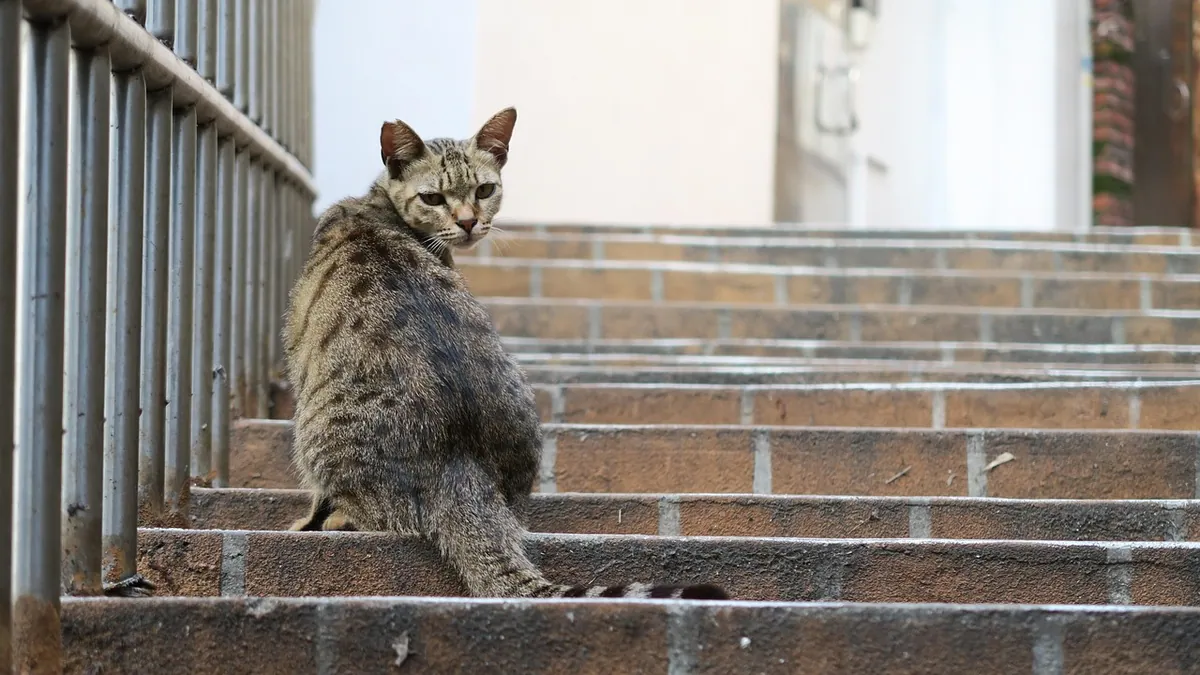
If your cat has stopped coming when called or seems to look right through you, the first thing to know is that cats are not small dogs. Ignoring you is often normal feline behavior, not a sign of lost love. But when the change is sudden, or your cat also hides, eats less, or acts differently, it can be a sign of pain, illness, hearing loss, or stress that needs a veterinarian.
This article is educational and is not a substitute for veterinary diagnosis or treatment.
Quick Answer
- Cats are naturally independent and often prefer to approach on their own terms. A cat who ignores a call but seeks you out later is usually behaving normally.
- Sudden ignoring in a cat who was previously responsive is the pattern that matters most. A change in behavior is often the first clue to a medical problem.
- Pain, dental disease, arthritis, hearing loss, and stress are common reasons a cat stops responding to you.
- Passive, low-pressure contact (sitting nearby, slow blinking, letting the cat choose) tends to lower stress hormones, while forced handling raises them [1].
- If ignoring comes with hiding, not eating, vomiting, limping, or breathing changes, contact a veterinarian promptly.
Why Does My Cat Ignore Me? Normal Reasons First
Cats Are Independent by Nature
Cats are solitary hunters by ancestry, and they do not read social cues the way dogs do. Many cats simply do not come when called, especially if the reward for coming is unclear. In a study of cats in a café setting, human contact was absent during 44.4% of observed time, and individual cats ranged from engaging with people to actively avoiding them [2]. That range is normal. Your cat may be a "low-contact" cat who still feels bonded to you.
Cats Communicate Differently Than Dogs
A cat who does not run to the door may still be paying attention. Cats often show affection through proximity, slow blinking, head bunting, or choosing to sleep in the same room. If your cat does these things, the bond is likely intact even when the recall is not.
Age and Energy Levels
Kittens and senior cats have different rhythms. A kitten may ignore you during a burst of play. An older cat may sleep more and respond more slowly. Sudden ignoring in a kitten can also be a normal developmental shift as the cat becomes more confident and less clingy.
Your Cat May Be Avoiding Something
If you have been giving medication, trimming nails, or doing anything unpleasant, your cat may learn to keep distance. A cat who hides when you approach but relaxes when you sit still is often avoiding a specific interaction, not you.
Medical Causes to Rule Out
Pain and Dental Disease
Cats hide pain well. Arthritis, dental disease, and abdominal pain can make a cat withdraw, sleep more, and stop seeking attention. A cat in pain may also stop jumping onto your lap or stop grooming. Any sudden behavior change in a middle-aged or senior cat deserves a veterinary exam.
Hearing Loss
If your cat no longer responds to your voice but still reacts to vibrations, lights, or movement, hearing loss is possible. Older cats commonly lose hearing. A veterinarian can check ear canals and neurologic responses. A deaf cat can still live well, but you will need to use visual cues instead of calling.
Illness and Hormonal or Metabolic Disease
Many illnesses cause lethargy, reduced appetite, and social withdrawal. Kidney disease, hyperthyroidism, diabetes, and cancer can all change behavior. If your cat is ignoring you and also losing weight, drinking more, or vomiting, book a visit soon.
Stress and Fear
Fear, anxiety, and stress are among the most common behavioral problems in cats [3]. A new pet, a move, a new baby, construction noise, or a change in your schedule can all trigger withdrawal. A stressed cat may hide, over-groom, or stop interacting. If your cat is also hiding more than usual, see Why Is My Cat Hiding? and Why Is My Cat Suddenly Hiding and Acting Weird?.
Sensory or Neurologic Changes
Rarely, a cat who seems to ignore you may have vision loss, a neurologic problem, or a seizure disorder. If your cat bumps into things, tilts its head, or has episodes of staring or twitching, call your veterinarian.
When Ignoring Becomes a Problem
Ignoring is a problem when it is new, when it lasts more than a day or two, or when it comes with other signs. A cat who was affectionate last week and now avoids you is not just being "moody." That pattern suggests pain, illness, or stress.
It is also a problem when your cat stops doing normal cat things. Not eating, not using the litter box, not grooming, or hiding all day are red flags. A cat who ignores you but still eats, plays, and grooms is usually fine.
If your cat suddenly seems afraid of you specifically, that is a different pattern. See Why Is My Cat Suddenly Afraid of Me?.
How to Reconnect With Your Cat Step by Step
1. Get a Veterinary Exam First
Before you change your training approach, rule out medical causes. A physical exam, weight check, dental check, and blood work can find problems that behavior training cannot fix. This is the single most important step for sudden ignoring.
2. Use Passive, Low-Pressure Interaction
Research on owner-cat interactions found that passive interactions were linked to increased oxytocin and decreased cortisol in cats, while forced interactions showed the opposite pattern [1]. In plain terms, let your cat come to you. Sit on the floor, read a book, and ignore your cat. Let the cat sniff you, rub on you, and leave. Do not pick up, hold, or chase.
3. Rebuild a Positive Association With Your Voice
Say your cat's name in a soft, calm voice, then toss a treat or a small piece of food. Do this several times a day, in short sessions. Do not call your cat only for medicine, nail trims, or the carrier. Pair your voice with good things.
4. Offer Play That Mimics Hunting
Use a wand toy and move it like prey. Let your cat stalk, chase, and catch. End with a small meal or treat. Play builds confidence and reduces stress. Two or three short sessions a day work better than one long one.
5. Improve the Environment
Cats need vertical space, hiding spots, and control over their world. Add cat trees, shelves, and covered beds. In a study of cats in a shared space, elevated structures were important, especially when human occupancy was high, and cats preferred vertical levels or cat-only rooms [2]. Give your cat a room or closet it can retreat to.
6. Keep Routines Predictable
Feed at the same times, keep the litter box clean, and limit loud changes. Cats are sensitive to schedule shifts. If you moved furniture, changed work hours, or brought home a new person or pet, give your cat time and space to adjust.
7. Check for Sensory Cues You Can Use
If your cat has hearing loss, use hand signals, a flashlight, or vibrations (like tapping the floor) instead of calling. If vision is reduced, keep furniture in place and use a night light.
8. Track the Behavior
Write down when your cat ignores you, what else is happening, and any other signs. This log helps your veterinarian. Note appetite, litter box use, grooming, and sleep.
What Not to Do
Do Not Punish Your Cat
Never yell, spray water, or swat your cat for not coming. Punishment increases fear and anxiety, which makes ignoring worse. It also damages trust. Cats do not learn from punishment the way many people expect.
Do Not Force Interaction
Do not pick up a cat who is hiding or pull it out from under the bed. Forced interaction raises cortisol and lowers oxytocin in cats [1]. That is the opposite of what you want.
Do Not Assume It Is Just "Being a Cat"
If the behavior is new, do not wait weeks to see a veterinarian. Cats are good at hiding illness. A sudden change is a medical clue until proven otherwise.
Do Not Rely on Myths
Myths like "cats hold grudges" or "cats are spiteful" are not supported. Cats respond to pain, fear, stress, and reinforcement. If your cat is ignoring you, look for a cause, not a character flaw.
When to Involve a Veterinarian or Behavior Professional
Call your veterinarian if ignoring lasts more than 48 hours, if it is sudden, or if it comes with any other sign. A veterinarian can examine your cat, run tests, and treat pain or illness. If the exam is normal, your veterinarian may refer you to a certified behavior professional.
A behavior professional can help with fear, anxiety, and stress. A review of fear, anxiety, and stress in cats notes that these are among the most prevalent behavioral problems in cats and that a cat-friendly environment and, in some cases, medication can help [3]. Your veterinarian calculates any medication dose from your cat's weight and health.
If your cat is also sneezing or has discharge, see Why Is My Cat Sneezing?. If your cat is scratching or over-grooming, see Why Is My Cat So Itchy?.
Limitations and When to Contact a Veterinarian
This article cannot diagnose your cat. Individual cases need a veterinarian who can examine your cat and run tests.
Contact a veterinarian the same day if your cat is ignoring you and also:
- Has not eaten for 24 hours or is vomiting
- Is hiding and will not come out
- Is limping, crying, or panting
- Has a sudden change in personality or seems disoriented
Go to an emergency clinic now if your cat:
- Is having trouble breathing
- Is collapsed or unresponsive
- Has a seizure
- Has eaten something toxic or is bleeding
For routine visits, book an appointment within a few days if ignoring is new, lasts more than two days, or comes with weight loss, drinking more, or litter box changes.
Frequently Asked Questions
Why does my cat ignore me when I call him?
Most cats do not come when called because they have not been trained to, not because they do not love you. Cats respond best to a name paired with a reward, like a treat or play. If your cat used to come and now does not, that change is worth a veterinary visit.
Why is my kitten ignoring me all of a sudden?
A kitten who suddenly ignores you may be growing more independent, which is normal. It can also be a sign of stress, a new environment, or not feeling well. If your kitten is also hiding, not eating, or sleeping more, call your veterinarian.
My cat is ignoring me but still eating and playing. Should I worry?
If your cat is eating, playing, grooming, and using the litter box normally, the behavior is often normal independence. Watch for any other change over the next few days. If the ignoring is new and lasts more than two days, a routine veterinary visit is reasonable.
Can hearing loss make my cat ignore me?
Yes. Older cats often lose hearing, and a deaf cat will not respond to your voice. Watch whether your cat reacts to vibrations, lights, or movement instead. A veterinarian can check the ears and confirm hearing loss.
Do cats ignore you when they are mad?
Cats do not hold grudges the way people do. A cat who avoids you is usually avoiding something unpleasant, like medication, or is in pain or stressed. Look for a physical or environmental cause instead of assuming your cat is upset with you.
How long should I wait before seeing a vet?
If the ignoring is sudden, lasts more than 48 hours, or comes with any other sign, do not wait. Call your veterinarian. Early exams often catch problems before they become serious.
Related Articles
- Why Is My Cat Hiding?
- Why Is My Cat Suddenly Afraid of Me?
- Why Is My Cat Sneezing?
- Why Is My Cat Suddenly Hiding and Acting Weird?
- Why Is My Cat So Itchy?
- Why Is My Cat Shaking Her Head And Ears
- Does My Cat Miss Me? Signs of Attachment and Stress
- Why Does My Cat Stare at Me? What It Means
- Why Is My Cat Obsessed with Me? Understanding Feline Bonding
References
- EXPRESS: The hormonal effects of owner-cat interactions on pet cats of different potential attachment styles. Journal of feline medicine and surgery, 2026.
- Cats in a Cat Café: Individual Cat Behavior and Interactions with Humans. Animals : an open access journal from MDPI, 2025.
- Tools for the Approach of Fear, Anxiety, and Stress in the Domestic Feline: An Update. Veterinary medicine international, 2025.