Why Does My Cat Yell After Eating? Causes and When to Worry
By Dr. Zubair Khalid, DVM, MS, PhD ·
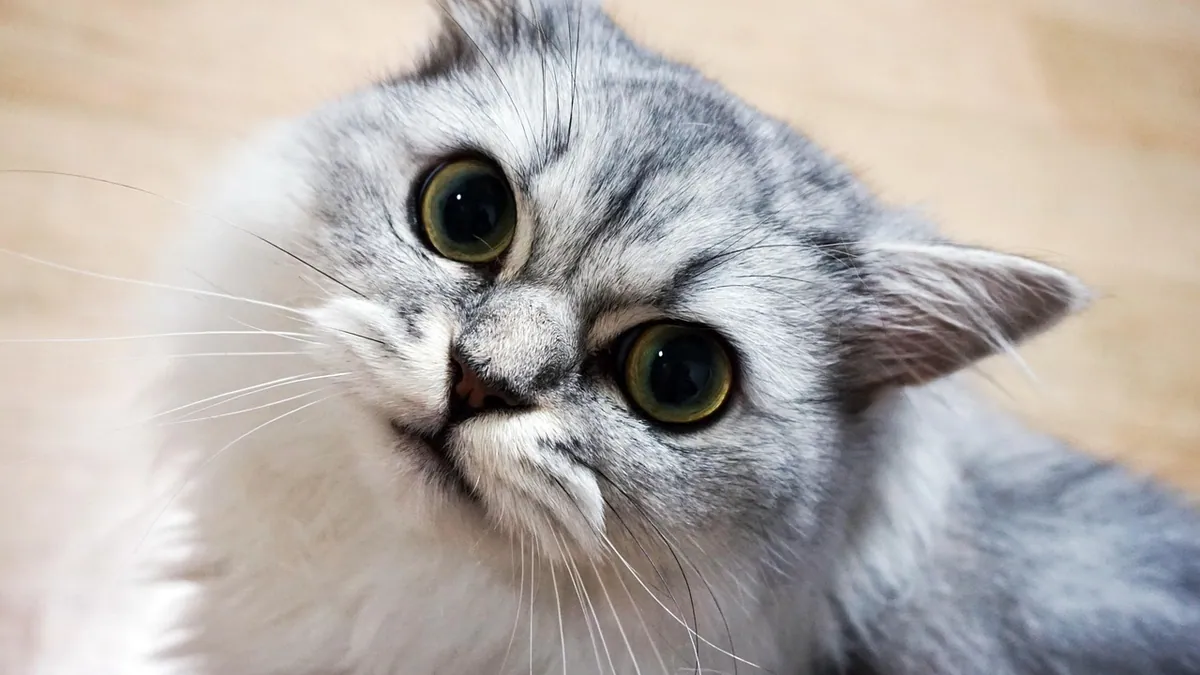
If your cat yells after eating, the most common reason is normal communication, a request for more food, attention, or play. Some cats also yowl because of pain, nausea, or an underlying medical problem such as dental disease or hyperthyroidism. The pattern, timing, and body language around the noise tell you which one you are dealing with.
This article is educational and is not a substitute for veterinary diagnosis or treatment.
Quick Answer
- A single loud meow or a short burst of yowling right after the bowl is empty is usually a food request, not a sign of illness.
- Yowling that comes with drooling, head shaking, pawing at the mouth, or dropping food points toward mouth pain and needs a vet visit.
- Yelling that follows vomiting, lip licking, or swallowing hard may mean nausea, so watch for cat vomiting after eating.
- A sudden change in a previously quiet cat, especially in a cat over 8 years old, deserves a routine vet visit with blood work.
- Call your veterinarian the same day if the yelling comes with pain signs, not eating, weight loss, or vomiting that will not stop.
Normal Reasons Cats Yell After Meals
Cats are not silent animals. Meowing is an acoustic signal that expresses motivational and emotional states, and it is tied closely to specific contexts, especially interactions with people [1]. Feeding is one of the strongest daily motivators a cat has, so it makes sense that food and the moments around food produce a lot of noise.
Hunger and the "second breakfast" request
Many cats finish a meal and immediately ask for more. This is especially common with dry food, which is convenient for free-choice feeding but may be less palatable and less digestible than moist food depending on the ingredients [2]. A cat who finds dry kibble unsatisfying may keep asking after the bowl is empty.
Boredom and unmet hunting needs
Cats have real behavioral needs around eating, and those needs include hunting. Feeding in small portions through the day and putting food or treats inside toys that require batting, chasing, rolling, or pawing can satisfy some of that drive [3]. A cat who wolfs down a bowl in two minutes and then yells may simply have nothing left to do.
Attention and routine
If yelling has ever earned your cat a treat, a refill, or a lap, the behavior gets reinforced fast. Cats learn what works. A cat who yells at 6 a.m. after breakfast has often learned that you will get up.
Hormonal and reproductive factors
Reproductive status affects vocalization. In one study, cats treated with a deslorelin implant showed a significantly greater decrease in excessive vocalization after the implant's effect took hold compared with surgically sterilized cats [4]. If your cat is intact or recently implanted, hormones may be part of the picture. Talk with your vet about what is expected for your cat.
Medical Causes to Rule Out
When a cat yells after eating in a new way, at a new volume, or at a new time of day, think medical first. Behavior change is often the earliest sign of illness in cats.
Nausea and stomach upset
Nausea in cats often looks like restlessness, lip licking, swallowing, and vocalizing. A cat who cries after eating and then brings food back up may be nauseated or may have eaten too fast. If food comes up whole and soon after the meal, see cat vomiting undigested food after eating. If the meals go down and come right back up within minutes, read cat vomiting after eating too fast.
Dental disease and oral pain
Chewing hurts when a tooth is fractured, infected, or resorbed. A cat with mouth pain may cry out while eating, drop food, chew on one side, drool, or avoid hard kibble. This is one of the most common reasons a cat suddenly gets loud at mealtime.
Hyperthyroidism and other metabolic disease
Older cats with an overactive thyroid often become more vocal, hungrier, and thinner at the same time. Any cat over 8 years old with new yowling needs blood work, including a thyroid panel. Your veterinarian decides which tests are needed based on your cat's exam and history.
Pain anywhere in the body
Arthritis, back pain, and abdominal pain can all make a cat vocalize when they shift position to eat or settle down afterward. Watch how your cat gets to the bowl and how they sit or lie down after.
Gastrointestinal disease
Chronic vomiting, diarrhea, or poor appetite alongside the yelling points to the digestive tract. Loose stool after meals is covered in cat diarrhea after eating.
Cognitive changes in senior cats
Some older cats yowl more, especially at night or after meals, as part of age-related brain changes. This is a diagnosis your vet makes after ruling out pain, thyroid disease, kidney disease, and high blood pressure.
When Post-Meal Yelling Becomes a Problem
A behavior is a problem when it affects health or quality of life, for the cat or for you.
Signs it has crossed that line:
- The yelling wakes you most nights and you are losing sleep.
- Your cat yells at a volume or frequency that has clearly increased over weeks.
- Your cat is losing weight, vomiting, or eating less even though they seem hungry.
- Your cat shows stress behaviors such as hiding, isolation, or excessive vocalization. In one study, cats with these behaviors had higher hair cortisol levels, a marker of chronic stress [5].
- You are starting to dread mealtimes or feel angry at your cat.
Chronic stress matters for welfare, and it also makes behavior problems harder to solve. If your cat seems on edge in general, the mealtime noise is likely one piece of a bigger picture.
What to Do Step by Step
Step 1: Track the pattern for a week
Write down the time of each meal, what you fed, how fast your cat ate, and exactly when the yelling starts. Note body language: ears, tail, pupils, posture. Note whether the yelling happens before or after the bowl is empty. This log is the single most useful thing you can bring to your vet.
Step 2: Change how you feed, not just what you feed
Split the daily ration into several small meals instead of one or two large ones. Use food puzzles or treat toys that require batting, chasing, rolling, or pawing to release food [3]. This adds an element of hunting and stretches the meal out. If you feed dry food, store it in an airtight container in a cool, dry place and check the expiration date, since long storage reduces vitamin activity and lets fats go rancid [2].
Step 3: Add play that mimics hunting
Give your cat chances to chase, pounce on, and bite toys you dangle or pull [3]. A short play session right before meals can reduce the post-meal yelling that comes from leftover energy.
Step 4: Build a richer indoor environment
Indoor cats do well when they have litter boxes, hiding places, vertical spaces, and predatory outlets [5]. If your cat only has a bowl and a couch, adding climbing and hiding options can lower overall arousal.
Step 5: Keep the response boring
If the yelling is an attention request, get up, do nothing fun, and do not feed again. Feed on a schedule your cat can predict. Predictable meals reduce the urgency behind the noise.
Step 6: Watch weight and body condition
Overweight and obesity are common in cats and are linked to other health problems and shorter lives [6]. If you are topping up the bowl to quiet the yelling, you may be feeding more calories than your cat needs. Ask your vet to help you set a daily calorie target. Your veterinarian calculates any diet plan from your cat's weight and health.
What Not to Do
Do not punish your cat for yelling. Yelling back, spraying water, or startling your cat adds stress and can make vocalizing worse. Punishment also damages the relationship your cat needs to feel secure.
Do not assume the noise is "just a phase." A new behavior in an adult cat is a medical question until proven otherwise.
Do not free-feed to stop the noise without a plan. Dry food is convenient for free-choice feeding, but it is not the right choice for every cat, and unlimited access makes weight control much harder [2].
Do not rely on myths. A cat who yells after eating is not "thanking you," and a cat who yells after using the litter box is not being dramatic. If your cat yells after pooping, that pattern can point to pain or straining during elimination, and it deserves a vet visit instead of a joke.
Do not wait months to see a veterinarian because the behavior seems mild. Early visits are cheaper and easier than late ones.
When to Involve a Veterinarian or Behavior Professional
Start with your veterinarian. They can examine your cat's mouth, check for pain, run blood work, and assess thyroid, kidney, and metabolic health. Most medical causes of post-meal yowling are found this way.
Ask for a referral to a veterinary behaviorist or a certified behavior professional if:
- Your vet has ruled out medical causes and the behavior continues.
- The yelling comes with aggression, house soiling, or self-injury.
- Your cat shows fear or anxiety that does not improve with environmental changes.
- You feel stuck after several weeks of consistent training and enrichment.
Behavior problems in cats are best addressed by making sure your cat can engage in normal feline behaviors, including eating, drinking, elimination, security, play, exploration, climbing, perching, and scratching [3]. A behavior professional helps you build that plan.
Limitations and When to Contact a Veterinarian
This article cannot tell you what is wrong with your specific cat. Individual cases need a veterinarian who can examine your cat and review their history.
Call your veterinarian the same day if you see:
- Yelling with drooling, dropping food, or pawing at the mouth.
- Vomiting that continues after meals, or vomiting with blood.
- Not eating for more than 24 hours.
- Weight loss, even if your cat seems hungry.
- New yowling in a cat over 8 years old.
- Straining or crying when pooping or peeing.
Go to an emergency clinic now if you see:
- A bloated, painful abdomen with unproductive retching.
- Collapse, weakness, or trouble breathing.
- Seizure activity or sudden disorientation.
- Yelling that sounds like acute severe pain and will not stop.
- Suspected poisoning. Call poison control right away. The ASPCA Animal Poison Control Center is (888) 426-4435 and the Pet Poison Helpline is (855) 764-7661. A consultation fee may apply.
Schedule a routine visit within a week or two if the yelling is new but your cat is eating, drinking, and acting otherwise normal.
Frequently Asked Questions
Why does my cat yell after eating and then act fine?
This pattern usually points to a food request or an attention habit, not illness. If your cat eats well, keeps the food down, and has normal energy, the noise is often communication. Still, any sudden change in a quiet adult cat is worth a vet check.
Why does my cat yell after using the litter box?
Yelling around elimination can mean pain or straining, especially with constipation, urinary problems, or arthritis. It can also be a learned attention request if you have responded to it before. Because urinary blockages are emergencies in male cats, call your vet promptly.
Is my cat crying after eating because of pain?
It can be. Mouth pain, dental disease, and abdominal pain are common reasons a cat cries at or right after meals. Watch for drooling, chewing on one side, dropping food, or a hunched posture. Those signs mean a same-day vet call.
Can hyperthyroidism make my cat howl after eating?
Yes. Older cats with an overactive thyroid often become more vocal and more demanding about food while losing weight. A cat over 8 years old with new howling needs an exam and blood work. Your vet will decide which tests are appropriate.
Should I feed my cat more when it yells after meals?
Not automatically. Extra calories add up, and overweight cats face more health problems and shorter lives [6]. Measure your cat's daily portion, split it into several small meals, and use puzzle feeders to stretch out mealtime [3]. Ask your vet for a calorie target based on your cat's weight and body condition.
Related Articles
- Cat Vomiting After Eating: Is It Hairballs or Something Serious?
- Cat Diarrhea After Eating: Causes and When to Act
- Cat Vomiting Undigested Food After Eating
- Cat Vomiting After Drinking Water: Causes and When to Worry
- Cat Vomiting After Eating Too Fast: When to Slow Down and When to Call
- Cat Vomiting: When to Worry and What to Do
- Why Does My Cat Yowl After Eating? Causes and When to Worry
- Cat Zoomies After Food: Why Cats Run After Eating
- Why Is My Kitten Meowing While Eating? Causes
References
- Vocal signals produced by the domestic cat (Felis silvestris catus) in highly motivating contexts. Journal of comparative psychology (Washington, D.C. : 1983), 2026.
- Feeding Your Cat. Cornell University College of Veterinary Medicine.
- Behavior Problems in Cats - Cat Owners. Merck Veterinary Manual.
- Behavioral Changes in Cats Following Deslorelin Implantation or Surgical Gonadectomy. Veterinary sciences, 2025.
- Stress in Indoor and Outdoor Cats: Association between Hair Cortisol Levels, Housing Style, and Guardians' Perceptions of Behavior. Journal of applied animal welfare science : JAAWS, 2026.
- Overweight and Obesity in Dogs and Cats: An Exploration of Animal Welfare and Behaviour Impacts, and Recommendations for Management in Veterinary Primary Care. Animals : an open access journal from MDPI, 2026.