Why Does My Cat Yowl After Pooping or Peeing?
By Dr. Zubair Khalid, DVM, MS, PhD ·
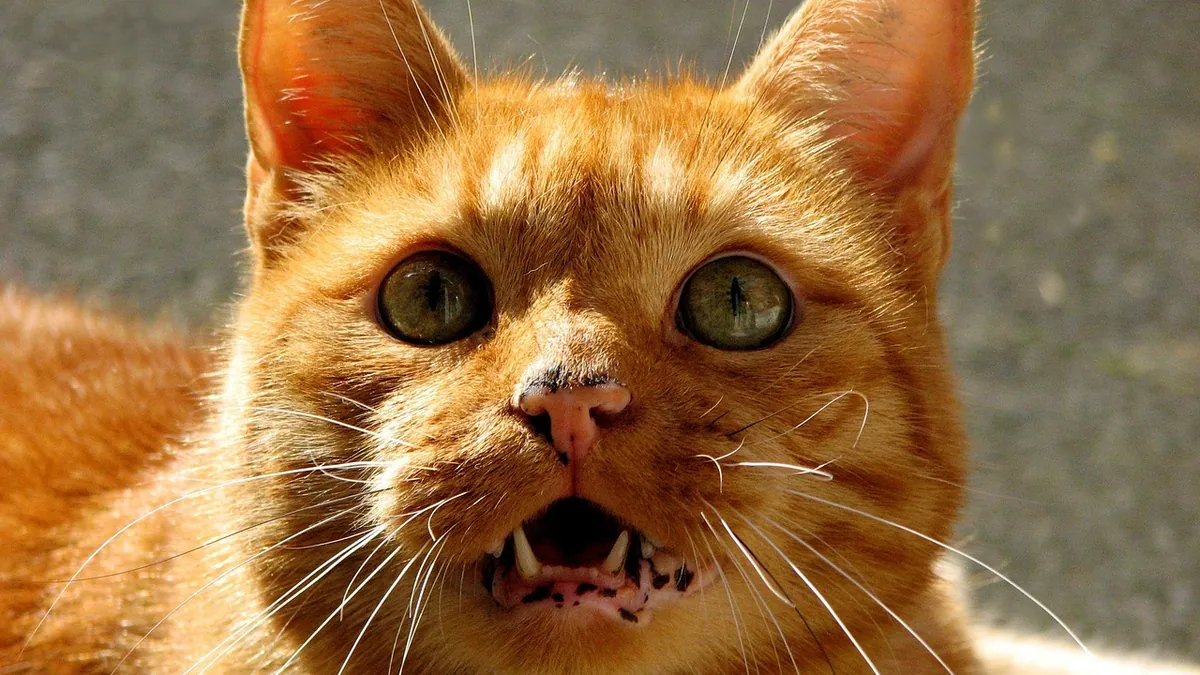
Cat yowling after pooping or peeing is a vocal sign that something feels wrong, not a random noise. Most cats are quiet at the litter box, so a long, drawn-out cry during or right after elimination usually points to pain, straining, or a medical problem that needs attention. This article is educational and is not a substitute for veterinary diagnosis or treatment.
Quick Answer
- Yowling at the box is most often linked to pain or difficulty passing urine or stool, not to "bad behavior."
- A cat who cries while urinating, squats with little or no urine, or licks the genital area needs same-day veterinary care.
- A cat who cries while passing hard, dry stool is likely constipated and should be seen within a day or two.
- Cats with chronic kidney disease may skip defecation for more days than healthy cats, which raises constipation risk [1].
- Never give human pain relievers, laxatives, or stool softeners to a cat. Your veterinarian calculates any dose from your cat's weight and health.
What Yowling Around the Litter Box Looks Like
A yowl is longer and more drawn out than a normal meow. Adult cats yowl at each other mainly during breeding season, but they also meow and yowl at people to communicate, including when something is wrong [2]. Some breeds, such as the Siamese, are prone to more meowing and yowling in general [2].
The pattern matters more than the volume. Watch for these details:
- Timing. Does the cry happen as your cat squats, during the push, or a few seconds after leaving the box?
- Posture. A cat in pain may hunch, tremble, or hold a squat for a long time with nothing coming out.
- Frequency. One loud cry after a normal poop is different from crying at every single visit.
- Output. Check the box. Small, frequent urine clumps, no clumps at all, or hard dry stool all tell a story.
- Behavior after. Some cats bolt from the box, lick themselves, or hide.
Normal elimination is quiet and quick. Your cat should pass urine without crying and produce a soft, formed stool without straining. Occasional meowing to get your attention is normal communication [2]. Crying that repeats at the box is not.
Main Causes of Cat Yowling After Pooping or Peeing
Many conditions can trigger this sign. The table below groups the most common ones and how fast you should act.
| Cause | Typical clues | How urgent |
|---|---|---|
| Urinary blockage or urinary disease | Crying while urinating, tiny or no urine, frequent trips to the box, licking genitals | Emergency now |
| Constipation | Crying while pooping, hard dry stool, long straining, less frequent bowel movements | Same day to 48 hours |
| Rectal polyp | Straining to defecate, blood in stool, diarrhea, tissue that may protrude from the anus | Routine visit, sooner if bleeding |
| Rectal stricture | Pain and straining on defecation, narrow stool, young cat with a history of diarrhea | Same day to a few days |
| Lumbosacral pain | Discomfort in the lower back, changes in activity, defecation problems | Routine to same day |
| Diarrhea | Loose stool, crying during or after, possible blood or mucus | Same day if severe or with vomiting |
| Behavioral or litter box stress | Yowling with normal stool and urine, house-soiling, rigid ritual patterns | Routine visit after medical causes are ruled out |
| Hormonal or breeding behavior | Intact cat, drawn-out yowl, no litter box link | Routine, consider spay or neuter |
Urinary Disease and Blockage
A cat yowling after peeing may have inflammation or a blockage in the urinary tract. This is the most time-sensitive cause. A male cat with a full blockage can become critically ill within hours. Signs include crying in the box, squatting with no urine, pacing, vomiting, and hiding. If you see these, treat it as an emergency.
Constipation and Painful Defecation
A cat yowling after pooping often has constipation or pain in the rectum or anus. Hard, dry stool is painful to pass, and the cat may cry during the push or right after. Cats with chronic kidney disease are at higher risk for constipation and may have more days without a bowel movement than healthy cats [1]. If your cat strains and cries, see Cat Straining to Poop: Constipation or Something Worse?.
Growths and Narrowing in the Rectum
Rectal polyps are uncommon in cats but usually benign. Signs include straining to defecate, blood in the feces, and diarrhea, and the polyp may sometimes protrude from the anus [3]. A veterinarian can feel a polyp during a rectal exam, and surgical removal usually leads to rapid recovery [3].
A rectal stricture is a narrowing of the rectum that causes straining and pain on defecation. One report described an 8-month-old cat with rectal tenesmus and pain that was treated successfully with balloon dilation [4]. This is a less common cause but worth knowing if your cat is young and has a history of diarrhea.
Lumbosacral and Nerve-Related Pain
Pain in the lower back can change how a cat postures to poop. Lumbosacral instability is a condition that may precede degenerative lumbosacral stenosis, and pain in that region often causes discomfort, changes in activity, behavioral problems, and defecation issues [5]. If your cat cries at the box and also seems stiff or reluctant to jump, mention this to your veterinarian.
Diarrhea
A cat yowling with diarrhea may be having cramping or urgency. Diarrhea itself is a sign, not a diagnosis. It can come from diet changes, parasites, infection, or inflammation. If the diarrhea is severe, bloody, or paired with vomiting and lethargy, call your veterinarian the same day. For more on this, see Cat Diarrhea After Eating: Causes and When to Act.
Behavior and Litter Box Stress
Not every yowl is pain. Some cats develop repetitive, rigid elimination patterns that resemble compulsive behavior. In one review of cats with long-standing unacceptable urination, all had medical causes excluded first, and most improved when behavior modification was combined with medication compared with behavior modification alone [6]. That tells you two things. Medical causes come first, and behavior problems can be treated.
Litter box setup matters too. Cats prefer boxes measuring at least 50 cm (about 20 inches) and clumping clay litter, and a comfortable box combining these elements promoted normal urination and reduced house-soiling and unhappy behaviors during elimination [7]. If your cat cries and also goes outside the box, see Why Is My Cat Suddenly Peeing on the Couch? and Why Is My Cat Suddenly Peeing on the Carpet?.
Red Flags That Mean Emergency
Go to an emergency clinic now if you see any of these:
- Your cat cries in the box and produces no urine, or only drops.
- Your cat is a male and keeps squatting with nothing coming out.
- Repeated vomiting, drooling, or collapse.
- A hard, painful belly.
- Pale gums, weakness, or heavy breathing.
- Blood pouring from the rectum or a large amount of blood in urine.
- A mass or tissue sticking out of the anus that will not go back in.
A blocked cat can decline fast. Do not wait to see if it passes.
Safe Things You Can Do at Home While You Wait
You cannot treat this at home, but you can make your cat more comfortable and gather useful information.
- Do not give any medication. Human pain relievers and laxatives can be toxic to cats. Your veterinarian sets any dose.
- Keep fresh water available. Hydration helps soften stool and supports urinary health.
- Offer wet food if your cat eats it. Moisture in food can help, but do not force a change if your cat refuses.
- Add a clean, large box. A box at least 50 cm long with clumping clay litter matches common cat preferences [7].
- Keep the box quiet and private. Put it away from loud appliances and busy foot traffic.
- Note the pattern. Write down when your cat cries, how long it strains, and what the stool or urine looks like. Photos of the stool help.
- Do not scold. Yowling is communication, not spite [2].
- Call your veterinarian. Describe the pattern and ask whether your cat needs to be seen today.
If your cat stops eating, hides, or vomits, skip the home steps and call right away.
What Your Veterinarian Will Check and Test
Your veterinarian will start with a full physical exam, including a rectal exam to feel for polyps, strictures, or pain [3]. They will also palpate the bladder and lower back.
Expect some of these tests:
- Urinalysis. Checks for blood, crystals, infection, and concentration.
- Blood work. Looks at kidney values, electrolytes, thyroid, and blood counts. Cats with chronic kidney disease are at higher risk for constipation [1].
- Imaging. X-rays or ultrasound can show stool burden, bladder stones, or lumbosacral changes. Dynamic radiography can reveal excessive mobility at the lumbosacral junction, which is rarely used in cats but can help find early disease [5].
- Endoscopy. May be needed to see a rectal polyp [3].
- Contrast studies. Used to locate and measure a rectal stricture [4].
- Behavior consult. If all medical causes are excluded, a veterinary behavior service can assess repetitive elimination patterns [6].
Treatment depends on the cause. Constipation may need fluids, diet change, or prescription medication. A polyp may need surgical removal [3]. A stricture may be treated with balloon dilation [4]. Urinary blockage needs immediate catheterization and hospitalization. Behavior cases may combine environmental changes with medication [6].
Prevention and Monitoring
You can lower the odds of a repeat problem with a few steady habits.
- Watch the box daily. Scoop once or twice a day and note clump size and stool shape.
- Track bowel movements. Cats with chronic kidney disease may skip more days than healthy cats [1]. If your cat goes two days or more without a stool, call your veterinarian.
- Keep litter consistent. Clumping clay litter is a common preference [7].
- Use big boxes. At least 50 cm long, and one box per cat plus one extra [7].
- Feed a moisture-rich diet. Wet food supports urinary and digestive health.
- Keep water fresh. Consider a fountain if your cat likes moving water.
- Schedule routine exams. Early detection of kidney disease, arthritis, and rectal problems makes treatment easier.
- Spay or neuter. Intact cats are more likely to yowl, especially during breeding season [2].
- Address behavior early. If your cat cries at the box with normal output, ask about a behavior evaluation before the habit deepens [6].
Limitations and When to Contact a Veterinarian
This article cannot tell you what is wrong with your cat. Only a veterinarian who examines your cat can do that. Use these timing rules:
- Emergency now. No urine, repeated unproductive squatting, vomiting, collapse, heavy bleeding, or a prolapsed mass.
- Same day. Crying with every urination, crying with every bowel movement, bloody diarrhea, or a cat who stops eating.
- Routine visit. Occasional crying with normal output, mild straining that resolves, or a cat who cries only when the box is dirty.
If you are unsure, call your veterinarian and describe what you see. A phone call costs nothing and can save your cat's life.
Frequently Asked Questions
Why does my cat yowl right after using the litter box?
Pain or irritation during elimination is the most common reason. The yowl often comes as the cat finishes and the discomfort peaks. If it happens every time, book a veterinary visit.
Is yowling after peeing more serious than yowling after pooping?
Yowling after peeing can be more serious because a urinary blockage can become fatal within hours. Yowling after pooping is usually linked to constipation or rectal pain, which is painful but less immediately life-threatening.
Can constipation make my cat cry out?
Yes. Hard, dry stool stretches and irritates the rectum, and the push itself hurts. Cats with chronic kidney disease are at higher risk for constipation and may have more days without a bowel movement.
Could this be a behavior problem instead of a medical one?
It can be, but only after medical causes are ruled out. Some cats develop repetitive elimination patterns that respond to behavior modification, sometimes with medication. Your veterinarian will check for disease first.
Should I change my cat's litter or box if it yowls?
A larger box and clumping clay litter match common cat preferences and can improve elimination behavior. That said, a litter change will not fix pain or a blockage. See your veterinarian if the yowling continues.
Related Articles
- Why Is My Cat Suddenly Peeing on the Couch?
- Why Is My Cat Suddenly Peeing on the Carpet?
- Cat Diarrhea After Eating: Causes and When to Act
- Why Is My Cat Suddenly Peeing on My Clothes?
- Cat Straining to Poop: Constipation or Something Worse?
- Cat Constipation After Diarrhea: Causes and Relief
- Cat Yowling After Using the Litter Box: Causes and Next Steps
- Why Do Cats Zoom After Pooping? Poop Zoomies Explained
- Why Does My Kitten Meow When Pooping?
References
- Quantification of defecation frequency in cats with and without chronic kidney disease. Journal of feline medicine and surgery, 2025.
- Meowing and Yowling. ASPCA Animal Poison Control Center.
- Disorders of the Rectum and Anus in Cats - Cat Owners. Merck Veterinary Manual.
- Management of a rectal stricture in a young cat with a balloon dilatation method. Tierarztliche Praxis. Ausgabe K, Kleintiere/Heimtiere, 2026.
- Reference values for dynamic radiographic measurements of lumbosacral junction width in cats. Polish journal of veterinary sciences, 2026.
- Retrospective Analysis of Compulsive-like Long-Standing Unacceptable Urination in Cats. Veterinary sciences, 2026.
- Litter box size and litter type preference and their associated behavioral changes in cats. The Journal of veterinary medical science, 2025.