Why Is My Kitten Meowing While Eating? Causes
By Dr. Zubair Khalid, DVM, MS, PhD ·
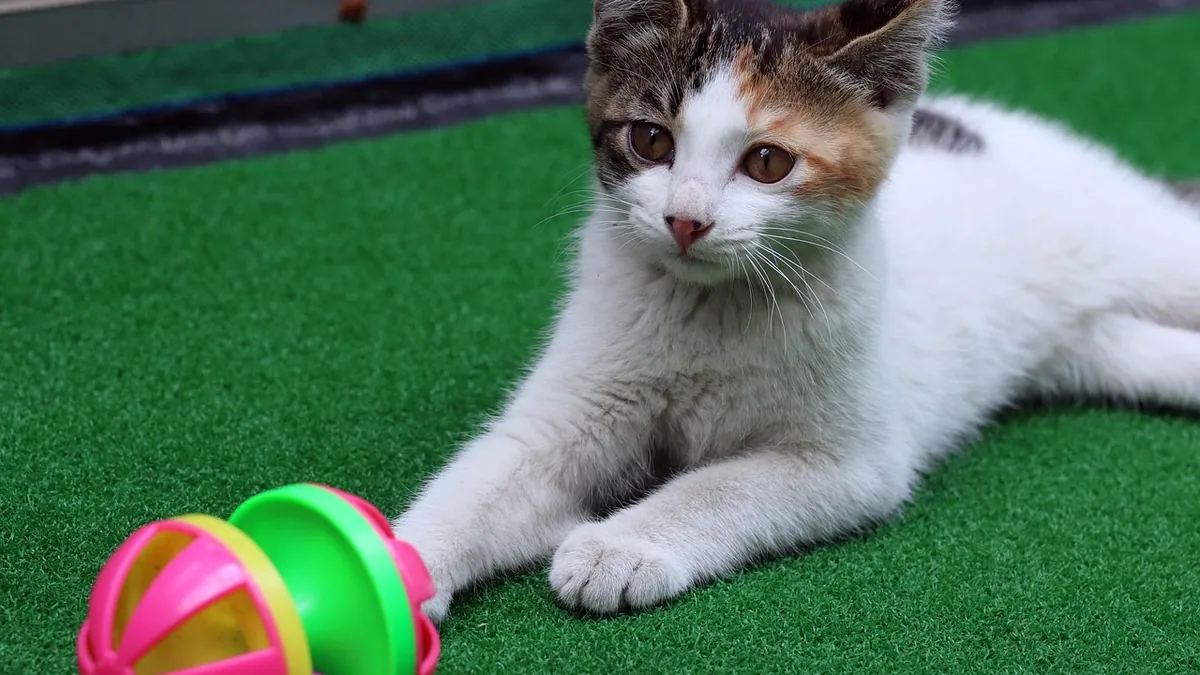
Kittens meow at meals mostly because meowing is how they ask people for things, and food is one of the biggest requests a cat makes [1]. A kitten who chirps, trills, or yowls while eating is usually excited, hungry, or competing for the bowl. Sometimes, though, meowing during meals signals mouth pain, nausea, or a feeding setup that is not working for your kitten.
This article is educational and is not a substitute for veterinary diagnosis or treatment.
Quick Answer
- Meowing is a people-directed request, not cat-to-cat talk. Adult cats do not meow at each other, so a meowing kitten is talking to you [1].
- Feeding motivation is strong. Cats meow significantly more when they can see and smell food but cannot reach it [2].
- Some meowing at the bowl is normal excitement, especially in kittens who are still learning that food arrives on a schedule.
- Watch for clues that point to a problem, such as dropping food, chewing on one side, bad breath, or swallowing hard.
- If meowing comes with vomiting, diarrhea, or a kitten who stops eating, call your veterinarian.
What Meowing at Meals Looks Like
Kitten meows come in several flavors. You may hear short, bright chirps as you open the can. You may hear a long, drawn-out yowl while the bowl is being filled. Some kittens meow with their mouth near the food, which can sound like talking with a full mouth.
Normal meal meowing tends to follow a pattern. It starts when your kitten sees or smells food coming. It peaks while the bowl is being prepared. It usually quiets once your kitten starts eating. If your kitten keeps meowing between bites, or meows after finishing, that is worth a closer look.
Kittens meow to let their mother know they are cold or hungry, and they keep using meows with people throughout life because meowing gets results [1]. That is the core of it. Your kitten has learned that sound brings food.
Why Is My Kitten Meowing While Eating? Main Causes
Hunger and Anticipation
The most common reason is simple hunger. Most cats like to eat and can be quite demanding around mealtimes [1]. Some cats learn to meow whenever anyone enters the kitchen, just in case food might be coming [1].
Kittens have small stomachs and grow fast, so hunger hits often. If your kitten is on two meals a day and acts frantic at both, the schedule may not match their appetite. Domestic cats usually eat several small meals throughout the day, which is thought to balance energy needs with what is going on around them [3]. Several smaller meals can fit a kitten better than two large ones.
Food Guarding and Competition
In a multi-cat or multi-kitten home, meowing at the bowl can be a claim. Your kitten may be telling another cat to back off, or telling you to stay close while they eat. This is more common when bowls are close together or when one kitten eats faster than the others.
Watch for body language. A guarding kitten may hunch over the bowl, flatten the ears, or eat while watching the other cat. Some kittens meow, then gulp, then meow again. Separating feeding stations often settles this quickly.
Sensory Habituation and Boredom With the Food
Cats can lose interest in a food simply because the smell stops being rewarding. Repeated exposure to the same food odor reduces its reward value, and offering different foods can restore feeding motivation [3]. In one study, most cats voluntarily stopped eating before finishing the offered portion, even after sixteen hours without food [3].
That does not mean your kitten is spoiled. It means smell drives appetite, and a kitten who meows at a bowl but only picks at it may be bored with the aroma. Rotating flavors or textures can help, as long as the diet is complete and balanced for a kitten.
Dental Pain or Mouth Discomfort
A kitten who meows while eating, drops food, chews on one side, or avoids hard kibble may have a sore mouth. Baby teeth falling out, a retained tooth, or a broken tooth can all make chewing hurt. Bad breath or drooling are extra clues.
This is one of the reasons meowing at meals deserves attention. A hungry kitten with a painful mouth wants to eat but cannot do it comfortably. That combination of eager and reluctant is a signal to get the mouth checked.
Nausea or Stomach Upset
Some kittens meow right before vomiting or right after eating. That meow can sound different, more like a low, drawn-out complaint. If your kitten meows at the bowl and then brings food back up, the meowing may be part of feeling sick.
Vomiting after eating has many causes, from eating too fast to hairballs to something more serious. If your kitten vomits undigested food or has loose stool after meals, those are separate symptoms worth evaluating. You can read more about Cat Vomiting Undigested Food: Why It Happens and What to Do and Cat Diarrhea After Eating: Causes and When to Act.
Feeding Setup Problems
Whisker fatigue, a bowl that slides, a bowl that is too deep, or a bowl placed next to a litter box can all make mealtime stressful. A stressed kitten may meow, pace, and pick at food instead of settling in.
Kittens also eat better when they feel safe. In group settings, cats often prefer vertical space and quiet areas when activity around them is high [4]. A quiet corner with a shallow dish can change mealtime behavior fast.
When Meowing at Meals Is a Concern
| Cause | Typical clues | How urgent |
|---|---|---|
| Hunger or anticipation | Meows before and during prep, eats normally, gains weight | Not urgent, adjust schedule |
| Food guarding or competition | Hunching over bowl, watching other cats, eating fast | Not urgent, separate feeding stations |
| Boredom with the food | Meows at bowl, eats a little, walks away, returns | Not urgent, try a different flavor or texture |
| Dental pain | Drops food, chews one side, bad breath, drooling | See a vet soon, same week |
| Nausea or stomach upset | Meows then vomits, lip licking, eats then backs away | Call your vet, same day if repeated |
| Illness or pain elsewhere | Meows at meals plus hiding, weight loss, low energy | Call your vet, same day |
Red Flags That Make It an Emergency
Most meal meowing is not an emergency. These signs are.
- Your kitten stops eating completely for more than 24 hours.
- Your kitten is vomiting repeatedly, cannot keep water down, or has a swollen, painful belly.
- You see blood in the vomit or stool.
- Your kitten is limp, cold, breathing fast, or hard to wake.
- Your kitten cries out in pain when you touch the head or mouth.
- Your kitten has not pooped in more than a day or two and is straining. Constipation and blockage can both cause distress around meals. For more on that pattern, see Cat Not Pooping but Eating Normally: Causes and When to Help.
- You suspect your kitten ate something toxic, such as a human medication, a houseplant, or a string. Call the ASPCA Animal Poison Control Center right away.
Kittens get sick faster than adult cats. A kitten who was fine at breakfast and is dull at dinner needs a call, not a wait-and-see.
Safe Things You Can Do at Home
Adjust the Feeding Setup
Feed several small meals instead of two large ones. This matches the natural cat pattern of eating multiple small meals through the day [3]. It also reduces the frantic hunger that drives loud meowing.
Use shallow, wide dishes. Put each kitten in a separate room or at least a few feet apart with a visual barrier. Stay nearby if your kitten seems to want company, but keep the space calm.
Make Meals More Interesting
If your kitten meows at the bowl but does not finish, try a different protein or texture. Offering variety can restore feeding motivation when the same food has become less appealing [3]. Any kitten food you choose should be labeled complete and balanced for growth.
Warm wet food slightly to boost the aroma. Do not leave wet food out for long, and follow the label for how much to offer. Feeding instructions on cat food labels are not always perfect, and some labels can overestimate what a cat needs [5]. Your veterinarian can set a daily amount based on your kitten's weight, age, and body condition.
Slow Down Fast Eaters
If your kitten gulps and meows between bites, try a shallow plate or a slow feeder. Smaller, more frequent portions help too. Fast eating can lead to vomiting right after meals, which you can read about in Cat Vomiting After Eating: Is It Hairballs or Something Serious?.
Keep a Simple Log
Write down what time your kitten meows, what the meow sounds like, how much gets eaten, and whether vomiting or diarrhea follows. Bring this to your appointment. Patterns are easier to spot on paper than from memory.
Do Not Free-Feed Without a Plan
Free-feeding can hide appetite changes. If your kitten always has food available, you may not notice a slow decline in intake until weight loss shows. Scheduled meals let you see how much your kitten actually eats.
What Your Veterinarian Will Check and Test
Your veterinarian will start with a full physical exam, including a careful look inside the mouth. Kittens hide mouth pain well, so a thorough dental check matters. They will also feel the abdomen, check hydration, and weigh your kitten to compare against growth curves.
Questions you may be asked include how often your kitten meows, whether the meowing is new, what and how much your kitten eats, and whether there is vomiting, diarrhea, or weight change.
Testing depends on what the exam shows. Common options include a fecal test for parasites, blood work to check organ function and blood counts, and imaging if a blockage or foreign object is suspected. If dental disease is found, your veterinarian will discuss options and timing.
Treatment depends on the cause. A hungry kitten may just need a schedule change. A kitten with mouth pain may need dental care. A kitten with nausea or stomach upset may need a diet change, medication, or both. Your veterinarian calculates any medication dose from your kitten's weight and health, so never give human medicine or leftover pet medicine on your own.
If your kitten is not eating at all, that is a different problem with its own urgency. See Why Is My Cat Not Eating? A Vet-Reviewed Guide for Pet Owners.
Prevention and Monitoring
- Feed kittens on a consistent schedule with several small meals a day [3].
- Measure portions instead of guessing, and ask your veterinarian for a target daily amount [5].
- Keep feeding stations separate in multi-cat homes.
- Check your kitten's mouth weekly. Look for loose baby teeth, redness, or bad breath.
- Weigh your kitten regularly on a kitchen scale and track the trend.
- Watch the litter box. Changes in stool or urine output often show up before appetite changes.
- Bring your kitten in for routine wellness visits and keep vaccines and parasite prevention current.
Meowing at meals is often just communication. The ASPCA notes that cats meow to ask for things and to tell us when something is wrong [1]. Your job is to figure out which one you are hearing. A happy, growing kitten who meows at the bowl is usually fine. A kitten who meows and then struggles to eat is telling you something else.
Limitations and When to Contact a Veterinarian
This article covers common patterns, not your individual kitten. Every kitten needs a veterinarian who can examine them in person.
Call your veterinarian the same day if your kitten is meowing at meals along with vomiting, diarrhea, drooling, bad breath, dropping food, or eating much less than usual. Call right away, or go to an emergency clinic, if your kitten stops eating for more than 24 hours, is vomiting repeatedly, seems painful, is limp or hard to wake, or may have eaten something toxic.
Book a routine visit if the meowing is new, has lasted more than a few days, or comes with any change in weight, stool, or energy. A short exam can rule out mouth pain and other treatable causes before they become bigger problems.
Frequently Asked Questions
Is it normal for a kitten to meow while eating?
Yes, mild meowing around meals is normal for many kittens. Meowing is how cats ask people for food, and many cats learn to meow whenever food might be coming [1]. The behavior becomes a concern when it comes with pain signs, vomiting, or a drop in how much your kitten eats.
Why does my kitten meow after eating?
A kitten who meows after eating is often still hungry or asking for more. Cats meow to ask for things, and food is one of the most common requests [1]. If the meowing is paired with vomiting, lip licking, or a tense belly, have your veterinarian check for stomach upset.
Does meowing at meals mean my kitten is in pain?
Not usually. Most meal meowing is hunger or excitement. Pain is more likely when meowing comes with dropping food, chewing on one side, drooling, or bad breath. A veterinarian exam is the only way to know for sure.
Should I feed my kitten more if they meow at the bowl?
Do not simply add food without checking portions. Some kittens meow out of habit even when they are eating enough. Ask your veterinarian for a daily calorie target based on your kitten's weight and age, since label instructions can overestimate what a cat needs [5].
Can a feeding schedule stop the meowing?
Often, yes. Several small meals a day match how cats naturally eat and can reduce frantic hunger [3]. Separate feeding stations in multi-cat homes help too. If meowing continues after schedule changes, a veterinary visit is the next step.
Related Articles
- Cat Not Pooping but Eating Normally: Causes and When to Help
- Cat Vomiting Undigested Food: Why It Happens and What to Do
- Cat Vomiting After Eating: Is It Hairballs or Something Serious?
- Cat Diarrhea After Eating: Causes and When to Act
- Why Is My Cat Not Eating? A Vet-Reviewed Guide for Pet Owners
- Why Is My Kitten Throwing Up White Foam And Not Eating
- Why Is My Kitten Refusing to Eat? Causes and What to Do
- Why Does My Cat Yell After Eating? Causes and When to Worry
- Why Is My Kitten Always Hungry and Eating So Fast?
References
- Meowing and Yowling. ASPCA Animal Poison Control Center.
- Vocal signals produced by the domestic cat (Felis silvestris catus) in highly motivating contexts. Journal of comparative psychology (Washington, D.C. : 1983), 2026.
- Olfactory habituation and dishabituation dynamically regulate feeding motivation in domestic cats. Physiology & behavior, 2026.
- Cats in a Cat Café: Individual Cat Behavior and Interactions with Humans. Animals : an open access journal from MDPI, 2025.
- An investigation of feeding instructions on cat food labels in Belgium and comparison with European industry energy intake recommendations. The Veterinary record, 2026.