Cat Ear Notch: What It Means and Why It Matters
By Dr. Zubair Khalid, DVM, MS, PhD ·
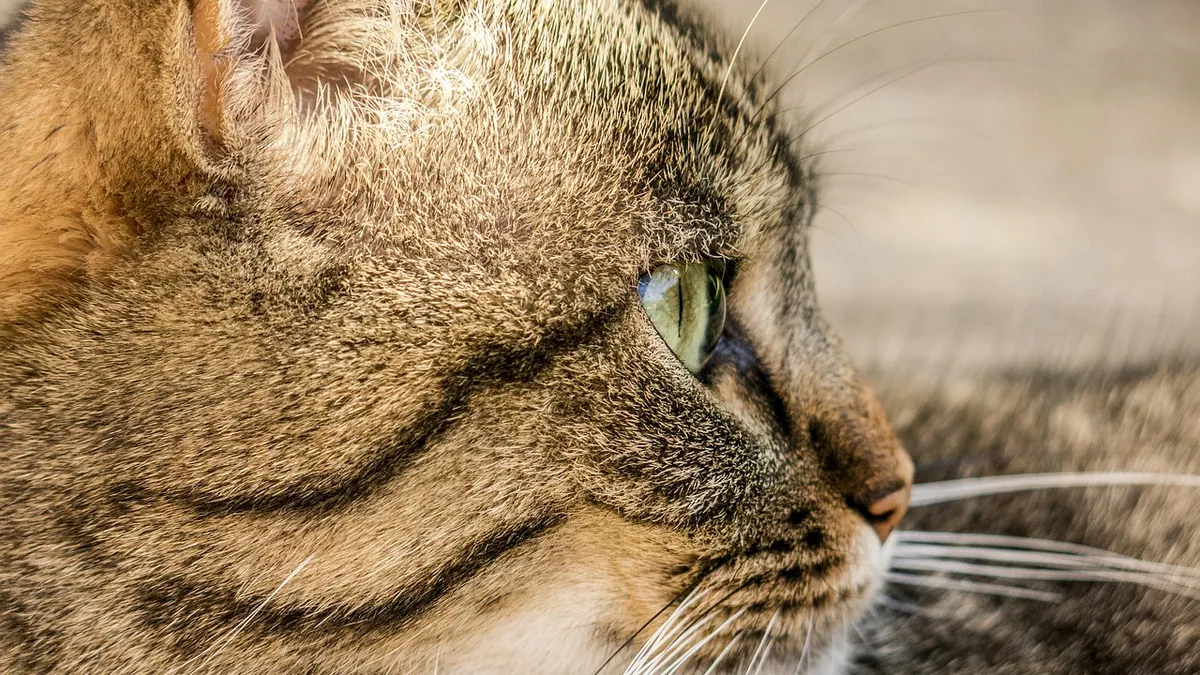
A cat ear notch is a small, cleanly cut or missing wedge of the ear flap (called the pinna), and in most cases it signals that a cat was sterilized through a trap-neuter-return program. Sometimes, though, a notch comes from an old injury, frostbite, or surgery to remove a tumor. The location, shape, and timing of the notch help tell these apart.
This article is educational and is not a substitute for veterinary diagnosis or treatment.
Quick Answer
- A clean, straight cut on the left ear is the standard mark used by trap-neuter-return (TNR) programs to show a cat has been spayed or neutered [1].
- Ear tipping is the most common identification method for community cats worldwide, and it is done only under general anesthesia [2].
- A jagged, irregular, or scarred notch is more likely from a fight, an accident, or frostbite than from a surgical mark.
- A notch on the right ear is unusual for TNR in the United States, where the vast majority of programs tip the left ear [1].
- If the ear is red, swollen, draining, or painful, that is a medical issue, not just a cosmetic mark.
What a Cat Ear Notch Usually Means
The pinna is the flap of cartilage covered by skin and fur that collects sound and directs it down the ear canal [3]. When a veterinarian or trained TNR volunteer removes the top corner of that flap, the result is a permanent, visible notch. This is called ear tipping.
In a survey of people who run TNR programs in the United States, nearly 100% said an ear tip means the cat has been sterilized [1]. Some also use the mark to indicate rabies vaccination or that the cat is unsocialized, but those meanings are not universal. About 22% of respondents said the tip meant both sterilization and rabies vaccination, 19% said rabies only, and 12% said unsocial only [1].
That is why you should treat an ear tip as a strong clue, not a complete medical record. The mark tells you the cat almost certainly went through a sterilization program. It does not tell you when, by whom, or what other care the cat received.
Why the Left Ear Is Standard
Most TNR programs in the United States tip the left ear. In the national survey, 81% of respondents said they tip the left ear, and 92% described the ideal result as a straight cut across the tip [1]. This consistency matters. A recognizable, standardized mark lets a new trapper or veterinarian see at a glance that the cat has already been fixed, which prevents an unnecessary second surgery and another round of anesthesia.
Ear tipping must be done under general anesthesia, which is one reason it is performed at the same time as the spay or neuter [2]. The mark itself conveys only yes or no information: the cat has been through a TNR program, or it has not [2].
Cat Ear Notch Left or Right: What the Side Tells You
A left ear notch fits the standard TNR pattern in the U.S. [1]. A right ear notch is less typical, so consider other explanations. The cat may have been marked by a program with different practices, may have an old injury, or may have had part of the ear removed for a medical reason.
Do not assume a right-ear notch means the cat is intact. It also does not prove the cat is spayed. The only way to know for certain is a veterinary examination, and in some cases an ultrasound or a hormone test.
Cat Ear Notch and Spayed Status
An ear notch is one of several ways to identify a sterilized cat. Tattoos and ear tipping are both described as simple, cost-effective methods that reduce the chance of unnecessary anesthesia and surgery [4]. A 2019 survey found that facilities handling large numbers of animals of unknown background, or those with specialized spay/neuter training, were significantly more likely to use these identifiers [4].
If you adopt a cat with a tipped ear, tell your veterinarian. They can examine the cat, look for a tattoo, and confirm spay status if there is any doubt. Knowing this history helps your vet avoid repeating procedures and plan preventive care.
How to Tell What Caused the Notch
Step-by-Step: Examine the Ear at Home
- Work in good light, ideally with a helper to hold the cat gently.
- Look at the shape of the edge. A straight, clean line across the tip points to ear tipping [1]. A ragged, torn, or uneven edge points to injury.
- Check both ears. Compare the left and right pinna side by side.
- Look for scars, thickened tissue, or missing fur around the notch. Scar tissue suggests an old wound that healed.
- Gently lift the ear flap and look inside the canal. You are checking for redness, discharge, odor, or swelling.
- Note whether the cat pulls away, flinches, or scratches when you touch the ear. Pain is a sign to call your vet.
- Write down what you see and when you first noticed it. This helps your veterinarian.
Comparison Table: Common Causes of an Ear Notch
| Cause | Typical appearance | Usual location | Painful now? | What to do |
|---|---|---|---|---|
| TNR ear tip | Straight cut, clean edge, healed | Left ear in most U.S. programs [1] | No | Note it in your cat's records |
| Fight wound | Jagged, torn, uneven | Either ear | Sometimes | Have a vet check for infection |
| Frostbite | Crinkled, shortened, scarred tip | Tips of both ears often | No, once healed | Mention it at the next exam |
| Surgical removal | Smooth margin, may be larger | Depends on tumor site | Healed or healing | Follow your vet's aftercare plan |
| Birth defect | Present since kittenhood | Either ear | No | Usually no treatment needed |
When the Notch Is From Injury
Cats that live outdoors or were once free-roaming often carry scars from fights. A torn ear edge can look similar to a tip at a glance, but the margin is usually irregular. Old injuries that healed well rarely need treatment. Fresh wounds do, because cat bites and scratches can seed infection deep in the cartilage.
If you see a fresh wound, swelling, or a bad smell, book a veterinary visit. Ear problems in cats can also show up as scratching, head shaking, and hair loss around the ears, which you can read about in Why Is My Cat Scratching Its Ears? and Cat Head Shaking and Ear Problems: What to Know.
When the Notch Is From Surgery
Veterinarians sometimes remove part of the pinna to treat skin cancer, severe trauma, or a mass on the ear. These procedures leave a smooth or slightly curved margin, and the notch may be larger than a standard tip. If your cat had this surgery, the notch is expected and your job is to watch the healing site for swelling, discharge, or reopening.
Signs That Something Is Wrong
A notch by itself is usually harmless. The ear around it can still develop problems, and those need attention. Watch for:
- Redness or warmth in the pinna
- Swelling that makes the ear flap feel puffy or doughy
- Discharge, crusting, or a bad odor from the canal
- Head shaking, tilting, or loss of balance
- Scratching at the ear until the skin breaks
- Hair loss on the ear flap
- Yelping or pulling away when the ear is touched
- A new notch or wound that was not there before
Some of these signs overlap with allergies, mites, and infections. Two more articles that cover these patterns are Cat Scratching Their Ears and Cat Hair Loss on Ears: Causes and What to Do.
Balance problems deserve special attention. The inner ear contains the cochlea for hearing and the semicircular canals, which are fluid-filled structures that help maintain a cat's agility and balance [3]. If a cat with a notched ear suddenly stumbles, tilts its head hard to one side, or vomits, the problem is likely inside the ear or brain, not at the notch.
Common Mistakes Owners Make
Assuming the Notch Means the Cat Is Fully Healthy
An ear tip confirms sterilization in most cases [1]. It says nothing about vaccination status, parasites, dental disease, or heart health. A tipped cat still needs a full veterinary exam, vaccines, and parasite prevention.
Assuming a Right-Ear Notch Means the Cat Is Intact
The side of the notch is a clue, not a diagnosis. Most U.S. programs tip the left ear, but not all [1]. If you need to know whether a cat is spayed, ask your veterinarian.
Trying to "Fix" the Notch
There is no medical reason to repair a healed ear tip. Surgery on the pinna carries risk and offers no health benefit. Leave a healed notch alone.
Ignoring a Fresh Wound Because "It's Just an Ear"
A new tear can become infected, and cartilage infections are painful and slow to heal. Clean wounds and veterinary care matter more than the cosmetic result.
Skipping Anesthesia Concerns
Ear tipping is performed under general anesthesia as part of a sterilization procedure [2]. If you are arranging surgery for a community cat, ask the clinic how they handle pain control and anesthesia monitoring. Do not attempt to mark an ear at home.
Supplies and Setup That Matter for Ear Health
You do not need much to keep a notched ear clean and monitored. A few basics help:
- A small flashlight or your phone light for looking into the canal
- Cotton balls, never cotton swabs pushed into the canal
- A vet-recommended ear cleaner, used only as directed
- A soft towel for wrapping a wiggly cat during checks
- A notebook or phone note to track changes over time
Do not pour home remedies, hydrogen peroxide, or alcohol into the ear canal unless your veterinarian tells you to. The cat's ear canal is deeper than a human's and funnels sound well, but it can also trap dirt and wax, which can lead to inflammation and infection [3]. Adding the wrong product makes that worse.
If your cat scratches a lot or shakes its head, see Cat Scratching Ear A Lot And Shaking Head for more on what those behaviors can mean.
Limitations and When to Contact a Veterinarian
This article cannot tell you what caused your specific cat's notch. Only a veterinarian who examines the ear can do that, and individual cases need a veterinarian.
Contact a veterinarian the same day if you see:
- A fresh wound, bleeding, or a torn ear edge
- Swelling, warmth, or discharge from the ear
- Strong odor from the ear canal
- Sudden head tilt, circling, or trouble walking
- Your cat is not eating or is hiding more than usual
Go to an emergency clinic now if:
- Your cat cannot stand or keeps falling to one side
- There is heavy bleeding that does not stop with gentle pressure
- Your cat is breathing hard, collapsed, or unresponsive
- You suspect a head injury along with the ear wound
Schedule a routine visit if:
- You adopted a cat with a tipped ear and have no medical records
- You are unsure whether the cat is spayed or neutered
- The notch looks new but is not bleeding or painful
- You notice gradual hair loss or crusting on the ear
Frequently Asked Questions
Does a notched ear always mean a cat has been spayed?
No, but it usually does when the notch is a clean tip on the left ear. In a national survey of TNR participants, nearly all said an ear tip meant the cat had been sterilized [1]. A jagged notch from an injury does not tell you anything about spay status.
Which ear is tipped for a female cat?
The left ear is tipped for both female and male cats in most U.S. programs. The survey found that 81% of respondents tip the left ear, and the mark is not used to indicate sex [1]. You cannot tell a cat's sex from which ear is notched.
Can a cat with a tipped ear still get pregnant?
It is very unlikely if the tip was placed during a completed spay. Ear tipping is done under general anesthesia as part of sterilization, and the mark is meant to show the cat has been through that program [2]. If you are unsure whether the surgery was completed, ask a veterinarian to examine the cat.
Is ear tipping painful for the cat?
The procedure is done while the cat is under general anesthesia, so the cat does not feel the cut at the time [2]. Afterward, the ear heals like any minor surgical site. Your veterinarian can advise on pain control if the cat seems uncomfortable during recovery.
Should I get my indoor cat's ear tipped?
No. Ear tipping is used to identify free-roaming and community cats that have been sterilized, so that they are not trapped and operated on again [2]. Indoor cats with known owners do not need this mark. If you want a permanent identifier for your own cat, ask your veterinarian about a tattoo or microchip instead.
What if the notch looks new and the ear is swollen?
A new notch with swelling suggests a recent injury or infection, not an old TNR mark. Have a veterinarian examine the ear promptly. They can clean the wound, check the cartilage, and decide whether antibiotics or other treatment are needed.
Related Articles
- Why Is My Cat Scratching Its Ears?
- Cat Scratching Their Ears
- Cat Head Shaking and Ear Problems: What to Know
- Cat Hair Loss on Ears: Causes and What to Do
- Cat Scratching Ear A Lot And Shaking Head
- Cat Shaking Head And Scratching Ear
- Cat Ear Tipping: What It Means and Why It's Done
- Cat Ear Anatomy: What Owners Should Know
- Cat Ear Pinna: Anatomy, Problems, and When to See a Vet
References
- Ear-tipping practices for identification of cats sterilized in trap-neuter-return programs in the USA. Journal of feline medicine and surgery, 2022.
- Ear tips to ear tags: Marking and identifying cats treated with non-surgical fertility control. Journal of feline medicine and surgery, 2015.
- Ear Structure and Function in Cats - Cat Owners. Merck Veterinary Manual.
- Identification of spayed and neutered cats and dogs: Veterinary training and compliance with practice guidelines. Veterinary journal (London, England : 1997), 2022.