What Are Lash Eggs? Causes and What to Do
By Dr. Zubair Khalid, DVM, MS, PhD ·
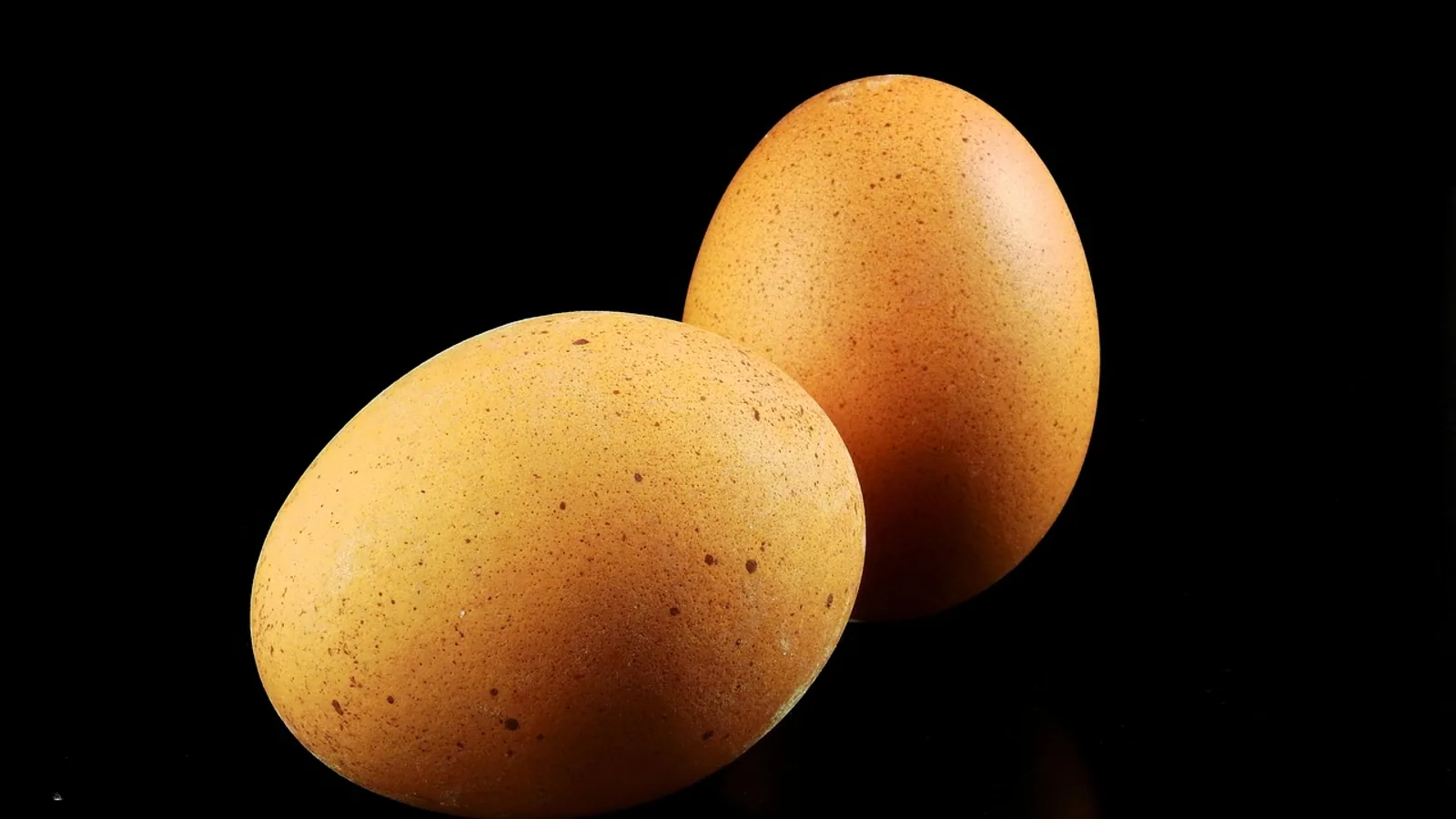
A lash egg is not an egg. It is a rubbery, layered plug of caseous (cheese-like) inflammatory material that has been molded by the inside of a hen's oviduct and then expelled, usually because the oviduct is inflamed and infected.
The medical term for that inflammation is salpingitis. When you find a lash egg in the nest box or on the coop floor, you are looking at a cast of pus, fibrin, and dead tissue, not at a malformed egg. This article explains what salpingitis is, how it differs from egg peritonitis and from normal egg casting, what a lash egg actually looks like, and how to triage a hen that has passed one.
This article is educational and is not a substitute for veterinary diagnosis or treatment.
The Direct Answer: What Is a Lash Egg?
A lash egg is a caseous exudate cast of the oviduct. The oviduct is the tube inside a hen where the egg white, shell membranes, and shell are added around the yolk. When bacteria or viruses inflame that tube, the lining produces fibrin, inflammatory cells, and dead epithelial tissue. That material accumulates in the lumen, takes on the shape of the tube, and eventually gets pushed out through the cloaca.
The result is a firm, waxy, or rubbery mass that may be tan, yellow, gray, or pinkish. It often has concentric layers, like the rings of a tree, and it may carry a foul smell. Some are small and cylindrical. Others are as large as a normal egg or larger. A lash egg frequently has no yolk and no shell, though a soft membrane or a thin shell fragment may be attached.
The name comes from the stringy, layered appearance of the material, which resembles lashings of fabric or rope. It is a descriptive term used by poultry keepers, not a diagnosis.
Salpingitis: The Core Problem Behind Lash Eggs
Salpingitis means inflammation of the oviduct. It is one of the most common reproductive problems in laying hens and one of the leading causes of normal daily mortality in commercial flocks. In a long-term monitoring study of roughly two million commercial laying hens, salpingitis ranked among the top 15 causes of routine daily deaths, behind egg yolk peritonitis and several metabolic conditions [1].
Salpingitis is not a single disease. It is a syndrome with several possible triggers, and the oviduct can be damaged by bacteria, viruses, or both acting together.
Bacterial Causes
Bacteria are the most common direct cause of the caseous exudate that forms a lash egg.
Escherichia coli. Avian pathogenic E. coli is a major driver of salpingitis and peritonitis in layers. In a study of 322 hens from farms with increased mortality, three lesion patterns emerged: sepsis-like lesions, chronic salpingitis and peritonitis, and chronic salpingitis and peritonitis combined with sepsis-like lesions [2]. The E. coli strains involved were often clonal within a farm, meaning one strain was spreading through the flock rather than many unrelated infections [2]. Experimental work has confirmed that E. coli introduced into the oviduct produces fibrino-purulent peritonitis and can be recovered in pure culture from the oviduct and liver [3].
Salmonella Enteritidis. This serotype is unusually good at colonizing the hen's reproductive tract. It can persist in oviduct tissue and survive the antimicrobial compounds in egg white, which helps explain why it became a global egg-associated pathogen [4]. Salmonella Enteritidis also downregulates its flagellar genes inside oviduct cells, which reduces the inflammatory response and helps it colonize more efficiently [5]. That quiet persistence means a hen can carry it without obvious signs until the oviduct is damaged.
Gallibacterium anatis. This bacterium is part of the normal flora of the upper respiratory and genital tracts of healthy chickens, but it is also associated with salpingitis, peritonitis, and drops in egg production [6]. It adheres to primary chicken oviduct epithelial cells, and virulent strains cause cell debris and apoptosis along with higher levels of inflammatory cytokines [7]. Multidrug resistance and antigenic diversity make it difficult to control [8][9].
Mycoplasma species. Mycoplasma infection has been documented in laying geese with salpingitis and peritonitis, producing a 25 percent drop in egg production, abnormal shells, and increased mortality [10]. Mycoplasma is a recognized cause of reproductive tract disease in poultry.
Pasteurella multocida. In a retrospective study of 419 backyard chickens admitted to a veterinary clinic over ten years, microbiological analysis identified E. coli and Pasteurella multocida as the most common bacterial pathogens [11]. Pasteurella is a known cause of respiratory and systemic disease in backyard flocks.
Mixed and polymicrobial infections. Salpingitis is often not caused by one organism alone. A study of breeder layers and ducks found that co-infection with E. coli, Enterococcus faecalis, and Chlamydia psittaci produced typical salpingitis, while each organism alone caused less oviduct inflammation [12]. This synergy helps explain why some cases are severe and stubborn.
Viral Causes
Viruses can inflame the oviduct directly or weaken it so bacteria can invade.
Avian influenza. Low-pathogenic H6N2 avian influenza in commercial layers produced fibrinous yolk peritonitis, salpingitis, oophoritis, and nephritis, with egg production dropping 7 to 40 percent [13]. A nonpathogenic H7N2 outbreak in Pennsylvania caused salpingitis as its most striking lesion, sometimes with oviduct edema and necrosis, plus egg yolk peritonitis [14]. Highly pathogenic H5N8 in breeder ducks caused fibrinous peritonitis and severely hemorrhagic ovarian follicles [15].
Infectious bronchitis. Infectious bronchitis virus infects the oviduct mucosa of mature hens, causing necrosis and inflammation that leads to poor egg quality and interrupted production. Infection in the first two weeks of life can cause permanent scarring and a chronic cystic oviduct that prevents normal egg formation later [16].
H9N2 avian influenza. A G1-lineage H9N2 virus with oviduct tropism caused salpingitis throughout the oviduct, especially in the infundibulum, with severe heterophilic infiltrate and epithelial necrosis. Egg production fell by 60 percent at two weeks and was still 35 percent below baseline at 80 days [17].
Non-Infectious and Environmental Causes
Not every case starts with a pathogen. A field outbreak of high mortality in broiler breeders was linked to zearalenone, an estrogenic mycotoxin from Fusarium molds, at concentrations up to 5 micrograms per gram of feed. Affected birds had ascitic fluid, caseous cysts in the oviduct epithelium, and chronic salpingitis and peritonitis [18]. This is a reminder that feed quality and mold contamination matter.
What a Lash Egg Looks Like
Owners often describe the first lash egg they find as alarming. The key features are:
- Shape. Cylindrical, tubular, or irregular, roughly following the shape of the oviduct.
- Texture. Firm, rubbery, waxy, or cheese-like. It does not crack like a shell.
- Color. Tan, yellow, cream, gray, or pinkish. Blood staining is possible.
- Structure. Often layered in concentric rings. May contain caseous cores.
- Contents. Usually no yolk and no true shell. A soft membrane may be present.
- Smell. Frequently foul or putrid.
A lash egg can be small or large, and a single hen may pass several over days or weeks. Finding one is not a diagnosis by itself, but it is a strong signal that the oviduct is inflamed.
Salpingitis vs Egg Peritonitis vs Normal Egg Casting
These three terms get confused, and the distinction matters for prognosis and for what you should do.
Salpingitis is inflammation inside the oviduct. The exudate forms within the tube, so it is molded by the tube and expelled as a lash egg. The primary problem is the oviduct itself.
Egg peritonitis is inflammation of the peritoneum, the lining of the abdominal cavity, usually after yolk material spills into the abdomen. In an experimental model, the presence of egg yolk in the peritoneum facilitated E. coli-induced peritonitis when bacteria were introduced through the uterus [19]. Egg yolk peritonitis was the single most common cause of normal daily mortality in the commercial flock study [1], and it was the second most prevalent disease (9.9 percent) in backyard chickens admitted to a veterinary clinic [11]. The primary problem is the abdominal cavity, though the oviduct is often involved too.
Normal egg casting refers to the routine shedding of oviduct lining cells and small amounts of material that can appear in or on eggs. It is not a caseous mass, it is not foul-smelling, and the hen is not sick.
In practice, salpingitis and egg peritonitis overlap. A hen can have both at once, and chronic salpingitis often leads to peritonitis as infected material leaks into the abdomen. The E. coli lesion study found exactly this pattern, with chronic salpingitis and peritonitis occurring together in many birds [2].
| Feature | Salpingitis | Egg Peritonitis | Normal Egg Casting |
|---|---|---|---|
| Primary site | Oviduct lining | Abdominal peritoneum | Oviduct lining, routine |
| Typical finding | Lash egg, caseous cast | Yolk material in abdomen, ascites | Small tissue flecks on eggs |
| Hen appearance | Reduced laying, swollen abdomen, weight loss | Swollen abdomen, lethargy, often acute | Normal, healthy |
| Smell | Often foul | Variable | None |
| Prognosis | Guarded, often chronic | Guarded to poor | No concern |
| Common triggers | E. coli, Salmonella, Mycoplasma, Pasteurella, Gallibacterium, viruses | Yolk spill, E. coli, viral oviduct damage | Normal physiology |
Signs in the Affected Hen
A hen with salpingitis may show some or all of the following:
- Reduced or stopped egg production. This is often the first sign. In viral outbreaks, drops ranged from 2 to 4 percent in mild H7N2 cases [14] to 60 percent in H9N2 infections [17].
- Abdominal swelling. The abdomen may feel distended, fluid-filled, or doughy. Ascites and abdominal enlargement are common findings on ultrasound in backyard chickens with reproductive disease [11].
- Weight loss and poor body condition. Chronic inflammation is metabolically costly.
- Lethargy and depression. Experimental E. coli infection produced severe depression and anorexia with markedly reduced egg production [19].
- Abnormal eggs. Soft shells, misshapen shells, or eggs with unusual internal quality.
- Passing a lash egg. This is the most specific sign, but it may happen only once or intermittently.
- Death. In severe cases, especially with sepsis or egg peritonitis, the hen may die suddenly.
Some hens show almost no outward signs and simply stop laying, which is why salpingitis is often discovered only at necropsy.
How Lash Eggs and Salpingitis Are Diagnosed
Diagnosis in a live hen is challenging. The oviduct is deep inside the body, and the signs overlap with many other conditions.
Ultrasound. Diagnostic imaging, including ultrasonography, can reveal salpingitis, ascites, and other reproductive pathology in backyard chickens [11]. A veterinarian experienced with poultry can often identify an enlarged, fluid-filled, or abnormally structured oviduct.
Physical examination. Abdominal palpation and assessment of body condition help, though a swollen abdomen has several possible causes.
Culture and sensitivity. If a lash egg is passed, it can be submitted for bacterial culture. This identifies the organism and guides antibiotic choice, though results take time and treatment may not change the outcome.
Necropsy. In many cases, the diagnosis is confirmed after death. Post-mortem examination shows caseous material in the oviduct, thickened oviduct walls, and often peritonitis. The Vienna retrospective found that 32.2 percent of admitted backyard chickens died or were euthanized, reflecting how serious these presentations can be [11].
Imaging and radiography. Radiography and CT can also reveal skeletal and soft tissue abnormalities, and they are used alongside ultrasound in referral settings [11].
What to Do: A Triage Approach for Owners
When you find a lash egg, the first question is not "what drug do I give" but "how sick is this hen right now." Use the table below to organize your observations, then act.
| Observation | Mild | Moderate | Severe |
|---|---|---|---|
| Eating and drinking | Normal | Reduced | Not eating or drinking |
| Abdomen | Normal feel | Slightly swollen or doughy | Markedly swollen, tense, or fluid-filled |
| Laying status | Still laying, maybe fewer eggs | Stopped laying recently | Stopped laying, or passing lash eggs repeatedly |
| Behavior | Active, normal | Quieter, less active | Lethargic, depressed, isolated |
| Recommended action | Monitor, isolate if bullied, contact vet if it recurs | Isolate, keep warm and hydrated, contact vet promptly | Isolate, contact vet immediately, prepare for possible euthanasia |
The flowchart below shows the main decision path.
flowchart TD
    A[Found a lash egg] --> B{Is the hen eating}
    B -->|Yes| C{Is the abdomen swollen}
    B -->|No| D[Isolate and contact vet now]
    C -->|No| E[Monitor and recheck daily]
    C -->|Yes| F{Is she still laying}
    F -->|Yes| G[Contact vet for exam]
    F -->|No| H[Isolate and contact vet]
    D --> I[Discuss ultrasound and culture]
    G --> I
    H --> I
    I --> J[Discuss prognosis and culling]
Step 1: Isolate the Hen
Move the hen to a separate, quiet, warm space with easy access to water and food. Isolation protects her from flockmates, who may peck at a weakened bird, and it lets you monitor intake and droppings accurately. Cannibalism was observed more often during polyclonal E. coli outbreaks, suggesting that flock dynamics can worsen outcomes [2].
Step 2: Assess Eating, Drinking, and Droppings
A hen that is eating and drinking normally is in a very different category from one that has stopped. Anorexia and depression are consistent features of severe reproductive infection [19]. If she is not eating, that is an urgent sign.
Step 3: Assess the Abdomen
Gently feel the abdomen. A normal hen's abdomen is soft and compressible. A swollen, tense, or fluid-filled abdomen suggests peritonitis, ascites, or a large oviduct mass. Ascites and salpingitis are both detectable on ultrasound in backyard chickens [11].
Step 4: Note Laying Status
Has she stopped laying entirely, or is she still producing eggs? Is she passing lash eggs repeatedly? Repeated lash eggs suggest ongoing oviduct disease rather than a one-time event.
Step 5: Contact a Veterinarian
A veterinarian can perform a physical exam, ultrasound, and possibly culture. Discuss the realistic options. For a hen with confirmed chronic salpingitis, surgical removal of the oviduct (salpingohysterectomy) is sometimes performed. In the Vienna study, salpingohysterectomy was the most common surgery in backyard chickens [11]. This is a major procedure and not appropriate for every bird.
Step 6: Consider the Flock
If multiple hens are affected, the problem may be environmental or infectious at the flock level. Review ventilation, litter quality, feed storage, and biosecurity. A veterinarian or poultry extension specialist can help investigate.
Treatment and Why Antibiotics Rarely Cure Chronic Cases
Antibiotics are the intuitive response to a bacterial infection, and they can be appropriate in some acute cases. However, chronic salpingitis is a different problem.
The caseous material inside the oviduct is thick, walled off, and poorly penetrated by antibiotics. Even when the bacterium is sensitive in the lab, the drug may not reach the site in effective concentrations. The oviduct lining is often permanently damaged, with scarring, necrosis, and loss of function. In the infectious bronchitis model, early-life infection caused permanent cystic oviduct changes that precluded normal egg formation [16]. Once that kind of structural damage is present, killing the bacteria does not restore the oviduct.
Multidrug resistance is also a real constraint. Gallibacterium anatis shows widespread resistance and antigenic diversity, which is why researchers are pursuing vaccines and alternative strategies rather than relying on antibiotics [8][9]. Antibiotic sensitivity patterns can shift over time even within the same region [6].
For these reasons, antibiotics rarely cure chronic salpingitis. They may help in acute, early, or systemic cases, and they may be used to control secondary infection, but they are not a reliable fix for a hen with an established lash egg problem. A veterinarian should make any decision about antibiotic use, and owners should follow withdrawal requirements for eggs if a treated hen is laying.
In many cases, the most humane option is culling or euthanasia. This is not a failure. It is a recognition that the hen has a chronic, painful, and often progressive condition with a poor chance of returning to normal laying. The Vienna study found that 32.2 percent of admitted backyard chickens died or were euthanized, which shows how often these cases end this way even with veterinary care [11].
Prevention and Flock Management
You cannot prevent every case, but you can reduce risk.
- Buy from reputable sources. Salmonella Enteritidis and Mycoplasma can enter a flock through carrier birds.
- Maintain clean, dry litter. Wet litter and poor air quality stress birds and increase bacterial load.
- Store feed properly. Zearalenone contamination caused a severe salpingitis outbreak in broiler breeders [18]. Discard moldy or damp feed.
- Ventilate well. Respiratory disease often precedes reproductive disease. E. coli and Pasteurella multocida were the most common bacterial pathogens in backyard chickens [11].
- Vaccinate according to your veterinarian's advice. Infectious bronchitis and avian influenza are viral triggers of oviduct damage [16][13].
- Reduce stress. Stress enables Salmonella to persistently colonize the oviduct [4].
- Monitor egg production and egg quality. A sudden drop is a warning sign. In viral outbreaks, drops ranged from 2 to 40 percent depending on the virus and flock [14][13].
- Cull chronically affected birds. A hen with repeated lash eggs is a source of infection and suffering. Removing her protects the flock and ends her discomfort.
What Is Still Uncertain
Several important questions remain open.
The exact contribution of each pathogen to lash egg formation is not fully mapped. E. coli, Salmonella, Mycoplasma, Pasteurella, and Gallibacterium can all cause salpingitis, and mixed infections are common [12]. Which combination produces the most severe caseous casts is not clear.
The role of the microbiome is poorly understood. Gallibacterium anatis is normal flora in some birds and a pathogen in others [6], and the factors that tip the balance are not well defined.
Treatment protocols are not standardized. There is no universally accepted antibiotic regimen for chronic salpingitis in backyard hens, and resistance patterns vary by region and time [6].
The long-term outcomes of salpingohysterectomy in backyard hens are not well documented. It is performed, and it was the most common surgery in one referral population [11], but survival and quality-of-life data are limited.
Limitations and When to Contact a Veterinarian
This article is educational and is not a substitute for veterinary diagnosis or treatment. Individual hens need individual assessment.
Contact a veterinarian promptly if:
- The hen has stopped eating or drinking.
- The abdomen is markedly swollen, tense, or fluid-filled.
- The hen is lethargic, depressed, or isolating herself.
- She is passing lash eggs repeatedly.
- She is showing labored breathing, a purple comb, or sudden collapse.
- More than one hen in the flock is affected.
- You are unsure whether the mass is a lash egg or something else.
If the hen is suffering and the prognosis is poor, discuss euthanasia with your veterinarian. Humane euthanasia is a legitimate and compassionate choice for chronic salpingitis.
Frequently Asked Questions
Is a lash egg a real egg?
No. A lash egg is a caseous exudate cast of the oviduct, not an egg. It contains inflammatory material, fibrin, and dead tissue, and it usually has no yolk or shell.
What causes a lash egg?
Salpingitis, or inflammation of the oviduct, is the usual cause. Bacteria such as E. coli, Salmonella, Mycoplasma, Pasteurella, and Gallibacterium are common triggers, and viruses like avian influenza and infectious bronchitis can also damage the oviduct.
Can a hen recover from salpingitis?
Some mild or acute cases may improve with veterinary care, but chronic salpingitis usually does not resolve. The oviduct is often permanently damaged, and antibiotics rarely cure established cases.
Should I give my hen antibiotics for a lash egg?
Do not give antibiotics without veterinary guidance. Antibiotics rarely cure chronic salpingitis, resistance is common, and egg withdrawal rules apply. A veterinarian should decide whether antibiotics are appropriate.
Is a lash egg contagious to other chickens?
The underlying infection may be contagious. E. coli outbreaks can be clonal within a farm [2], and Salmonella can spread through a flock. Isolate the affected hen and review biosecurity with your veterinarian.
How do I know if my hen has egg peritonitis or salpingitis?
You often cannot tell without veterinary examination or imaging. Both can cause a swollen abdomen and reduced laying. Ultrasound can help distinguish them [11].
Can a hen lay eggs after passing a lash egg?
Some hens continue to lay, but many stop or produce abnormal eggs. Repeated lash eggs suggest ongoing oviduct disease and a poor prognosis for normal laying.
When should I cull a hen with a lash egg?
Discuss culling with your veterinarian. Culling is often advised for hens with chronic salpingitis, repeated lash eggs, severe weight loss, or a markedly swollen abdomen, because the condition is painful and unlikely to resolve.
Related Articles
- Differential Diagnosis of Egg Drop in Laying Hens: Infectious and Management Causes
- Can Cats Eat Eggs
- Cockatiel Egg Laying Problems
- Egg Binding in Hens: Signs and What to Do
- Dog Vomit Yellow Egg Like
- Why Have My Chickens Stopped Laying Eggs?
- How Long Do Fresh Eggs Last in the Fridge?
- ISA Brown Chicken: Breed Traits and Egg Yield
- How to Tell If an Egg Is Still Good: 4 Safe Tests
Sources
- Causes of Normal Mortality in Commercial Egg-Laying Chickens.
- Pathology and Molecular Characterization of Escherichia Coli Associated With the Avian Salpingitis-Peritonitis Disease Syndrome.
- Variations in virulence of avian pathogenic Escherichia coli demonstrated by the use of a new in vivo infection model.
- Stress-induced survival strategies enable Salmonella Enteritidis to persistently colonize the chicken oviduct tissue and cope with antimicrobial factors in egg white: A hypothesis to explain a pandemic.
- Salmonella Enteritidis flagellar mutants have a colonization benefit in the chicken oviduct.
- Isolation, characterization, and antibiotic sensitivity assessment of Gallibacterium anatis biovar haemolytica, from diseased Egyptian chicken flocks during the years 2013 and 2015.
- In vitro adherence and invasion of primary chicken oviduct epithelial cells by Gallibacterium anatis.
- Specific Chicken Egg Yolk Antibody Improves the Protective Response against Gallibacterium anatis Infection.
- Recombinant proteins from Gallibacterium anatis induces partial protection against heterologous challenge in egg-laying hens.
- Salpingitis in geese associated with Mycoplasma sp. strain 1220.
- From Livestock to Companion: Admission Causes, Diagnostics, and Clinical Findings in Chickens Admitted to the Avian Clinic of the Vetmeduni Vienna, 2009-2019.
- Co-Infection of Escherichia coli, Enterococcus faecalis and Chlamydia psittaci Contributes to Salpingitis of Laying Layers and Breeder Ducks.
- The occurrence of avian influenza A subtype H6N2 in commercial layer flocks in Southern California (2000-02): clinicopathologic findings.
- Characteristics of H7N2 (nonpathogenic) avian influenza virus infections in commercial layers, in Pennsylvania, 1997-98.
- Highly Pathogenic Avian Influenza H5N8 Clade 2.3.4.4 Virus: Equivocal Pathogenicity and Implications for Surveillance Following Natural Infection in Breeder Ducks in the United Kingdom.
- The Pathology of Infectious Bronchitis.
- A G1-lineage H9N2 virus with oviduct tropism causes chronic pathological changes in the infundibulum and a long-lasting drop in egg production.
- Death in broiler breeders due to salpingitis: possible role of zearalenone.
- An experimental infection model for Escherichia coli egg peritonitis in layer chickens.