Kikiriki Chicken: Breed Profile and Care Basics
By Dr. Zubair Khalid, DVM, MS, PhD ·
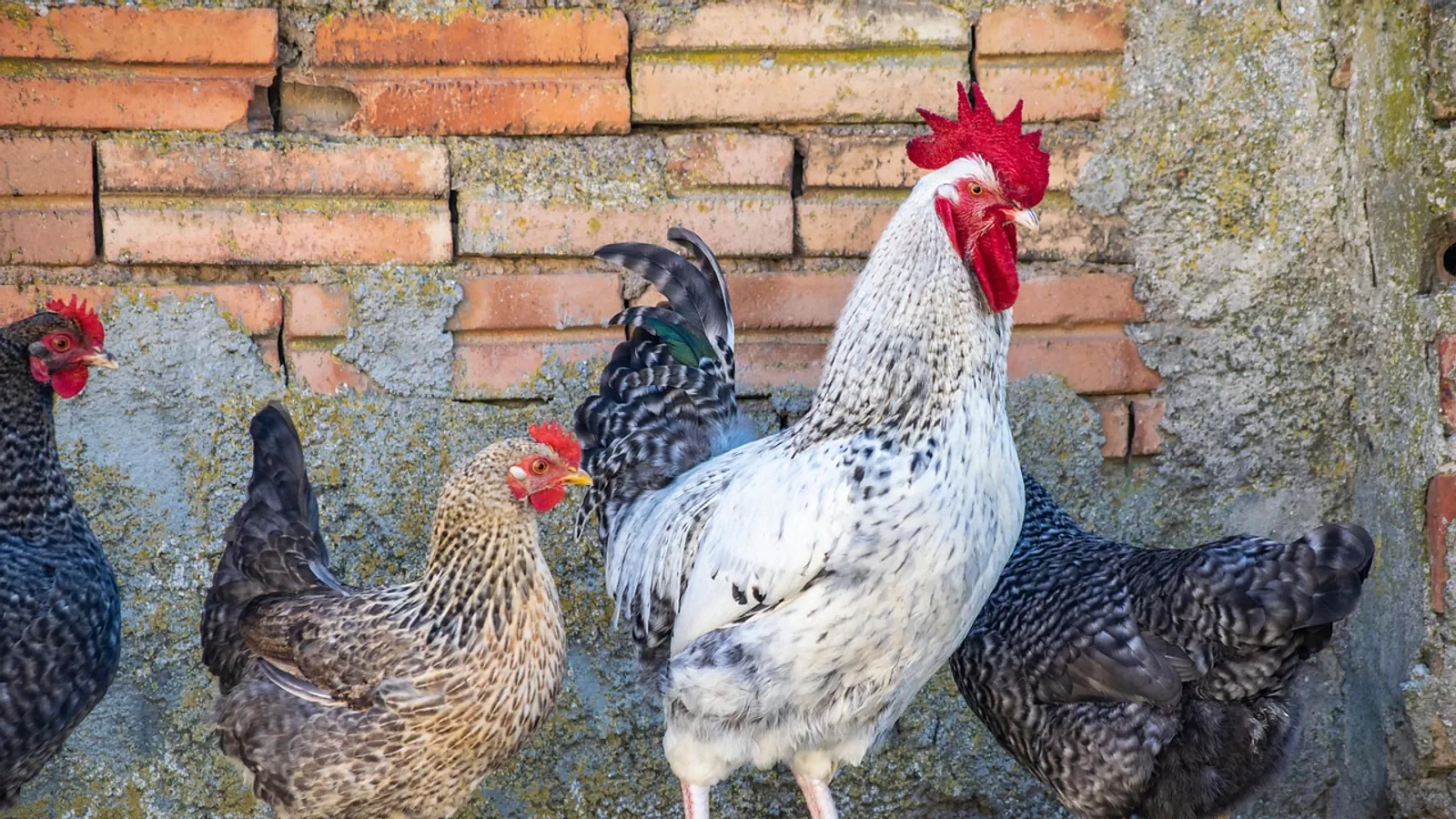
Kikiriki chickens are a small, regional type of backyard chicken known mainly through breeder networks rather than through standardized breed registries. The name is used inconsistently. In some flocks it describes a bantam-sized, dual-purpose bird kept for eggs, meat, and appearance. In others it is simply a local or fancier label applied to mixed or landrace stock. There is no peer-reviewed breed standard for Kikiriki chickens, and no published census, growth curve, or laying trial that defines the type. That matters for anyone researching the bird before purchase. What follows separates documented backyard poultry science from breeder-reported claims, and it focuses on the practical veterinary care that applies to any small flock, including a Kikiriki flock.
This article is educational and is not a substitute for veterinary diagnosis or treatment.
If you own Kikiriki chickens, or any backyard flock, the most useful thing you can do is learn the routine physical checks a veterinarian performs. Backyard flocks are managed with limited biosecurity and sanitary measures compared with commercial operations, and their role in spreading resistant bacteria is still poorly understood [1]. Backyard poultry ownership is rising in the United States, driven partly by food security and a desire for connection with animals, and backyard poultry-associated Salmonella outbreaks are increasing [2]. Good husbandry and consistent observation are the foundation of flock health.
What Are Kikiriki Chickens?
Kikiriki chickens are best understood as a regional or fancier designation, not a formally recognized breed. The word itself is onomatopoeic in several languages, imitating a rooster's crow, which is one reason it appears as a nickname for local chicken types in different countries rather than as a single defined breed. When a hatchery or breeder advertises Kikiriki chickens, ask what population the birds come from and whether any written standard exists. In most cases, none does.
Backyard poultry as a category covers a wide range of systems. Historically the term described food-producing animals, but in developed countries owners increasingly raise birds for companionship and emotional bonds rather than only for consumption [3]. That shift means many Kikiriki owners keep small mixed flocks for eggs and company, which matches the pattern seen in qualitative research on hobby poultry owners in the United States. In one study of backyard owners in central North Carolina, participants reported keeping small mixed-breed flocks primarily for egg production and companionship, with basic biosecurity such as handwashing [2].
Because Kikiriki is not a standardized breed, you should not expect published adult weights, egg numbers, or growth rates. Where this article gives figures for a trait, it either cites a documented study of a comparable local breed or marks the figure as breeder-reported. Treat any specific number from a seller as an estimate for that seller's line, not as a breed-wide fact.
Documented Versus Breeder-Reported
Documented facts about Kikiriki chickens specifically are essentially absent from the veterinary literature. What is documented is the broader context of backyard poultry keeping, the health risks, and the management practices that reduce disease. What is breeder-reported is the appearance, temperament, and production of particular Kikiriki lines.
This distinction is not academic. If a seller claims a precise annual egg count or adult weight, that number reflects their flock and their management, not a validated breed standard. Comparable local breeds show how much production varies. The Murciana, an endangered Mediterranean breed from southeastern Spain, lays about 116.6 eggs per hen per year and reaches adult weights of roughly 3.2 kg in males and 2.4 kg in females [4]. The Utrerana, another Spanish local breed, averages about 139 eggs per hen per year on small farms, with hens living an average of four reproductive years [5]. These are documented figures for specific breeds, not for Kikiriki chickens, and they illustrate why a single "expected" number is unreliable for an unstandardized type.
At a Glance
The table below uses documented figures only where a comparable local breed provides them. Cells marked breeder-reported reflect common claims from Kikiriki sellers and should be verified with the specific source flock. Cells marked not established have no reliable published figure.
| Attribute | Kikiriki Chicken |
|---|---|
| Origin | Regional or fancier designation, not a standardized breed. Exact origin not established. |
| Size class | Commonly described as bantam or small standard (breeder-reported). |
| Plumage | Variable. Often described as colorful or game-like (breeder-reported). |
| Egg color | Commonly reported as tinted, cream, or brown (breeder-reported). Not established as a breed standard. |
| Approximate laying rate | Not established for Kikiriki. Comparable local breeds range from about 116 to 139 eggs per hen per year [4][5]. |
| Temperament | Breeder-reported as active and alert. Not documented in peer-reviewed literature. |
| Primary purpose | Eggs, meat, and ornamental keeping (breeder-reported). |
| Lifespan | Not established for Kikiriki. Local breed hens can remain reproductive for about four years [5]. |
| Cold or heat tolerance | Not established. |
| Good with children | Not established. Depends on individual bird handling. |
| Good with other pets | Not established. Depends on flock integration and predator control. |
Because so many cells are unestablished, the honest summary is this. Kikiriki chickens are a name applied to a small, locally kept chicken type. The care they need is the care any backyard chicken needs.
History and Purpose
There is no documented breed history for Kikiriki chickens in the veterinary or poultry science literature. The name circulates in breeder and hobbyist communities, and its meaning shifts by region. Some sellers use it for a bantam line kept for show and eggs. Others use it loosely for a village or landrace chicken with no pedigree.
The broader history of backyard poultry is better documented. Backyard flocks remain important for household food security in many rural areas worldwide. In a survey of 286 backyard flocks in Morocco, chickens made up 83 percent of all reported birds, average flock size was 30 birds, and most flocks were kept in a mixed confinement system [6]. Disease was the leading cause of mortality at 84.7 percent, followed by predation at 15.3 percent [6]. Those figures show what actually threatens small flocks. Predators and disease, not breed characteristics, determine whether a backyard flock thrives.
In developed countries the purpose of backyard flocks has shifted toward companionship and hobby keeping. Owners in central North Carolina described keeping small mixed flocks mainly for eggs and companionship, with basic biosecurity practices such as handwashing [2]. If you are buying Kikiriki chickens, clarify your own purpose first. A bird kept for eggs needs different management than a bird kept as a pet, particularly around housing, nutrition, and end-of-lay decisions.
Appearance
Kikiriki chickens do not have a written breed standard, so appearance varies by line. Breeders commonly describe them as small, active birds with varied plumage, sometimes with game-like body shape and upright carriage. None of this is documented in peer-reviewed sources, and you should treat photographs from a specific seller as representative of that seller's birds only.
Physical assessment matters more than breed cosmetics. A veterinarian evaluating any backyard chicken will look at body condition, the keel, the crop, the vent, the skin, and the feathers. Keel length and body measurements are used in research to compare chicken genotypes. In a study comparing frizzle and deshi dwarf chickens under intensive management, keel length averaged 8.26 cm in frizzle birds and 8.66 cm in deshi dwarf birds, and 20-week live weights were about 965 g and 1,074 g respectively [7]. Those numbers are for those two genotypes, not for Kikiriki chickens, but they show the kind of measurements a veterinarian or researcher records when assessing a small breed.
For an owner, the practical version of appearance assessment is simple. Feel the keel. A healthy laying hen has a keel that is palpable but not sharply protruding. A keel that feels like a knife edge suggests the bird has lost muscle and fat and needs veterinary assessment.
Temperament and Behavior
Temperament claims for Kikiriki chickens are breeder-reported. There is no peer-reviewed behavioral study of this type. Sellers often describe the birds as active, alert, and good foragers, which fits the general profile of small, unstandardized backyard chickens.
What is documented is that backyard poultry behavior and health are shaped by management. Free-ranging and scavenging birds contact diverse environments and a broad range of microorganisms, which influences their gut microbiota [8]. Scavenging in gardens and crop fields is also a recognized risk factor for avian influenza circulation in backyard poultry [9]. Temperament interacts with management here. An active, free-ranging bird has more environmental exposure than a confined bird, which raises both its foraging benefit and its disease risk.
Handle your birds regularly, even if they are flighty. Regular handling makes physical examinations possible and lets you catch problems early. If a bird is aggressive or extremely stressed by handling, work with a veterinarian or an experienced poultry keeper on safe restraint rather than forcing the interaction.
Housing, Exercise, and Integration
Backyard poultry housing is a biosecurity issue as much as a comfort issue. Keeping birds confined in a shed outside the house at night reduces human exposure to poultry feces and associated enteric pathogens. In a pilot study in rural Bangladesh, households that received behavior change counseling, and in some cases a subsidy for an improved night shed, increased the proportion confining all poultry outside the house at night from baseline to 33 percent at endline [10]. The study also reported that 58 percent of all households had an improved poultry shed at endline, including 87 percent of subsidized households and 33 percent of non-subsidized households [10].
The practical lesson for Kikiriki owners is to house birds outside the home at night, in a structure that can be cleaned and that separates birds from people and from rodents. Rodent-proof feed storage is part of the same principle. Feed left accessible to rodents draws pests into the coop, contaminates feed, and undermines the biosecurity you are trying to maintain. Store feed in sealed, rigid containers and clean up spills promptly.
Exercise for backyard chickens is largely a function of space and ranging. Free-ranging increases foraging and environmental exposure [8][9]. If you range your birds, expect more parasite and pathogen exposure than a confined flock faces. If you confine them, provide enough space and enrichment to prevent feather pecking and boredom.
Integrating new birds is a quarantine question, covered below. It is one of the most common places where backyard flocks introduce disease.
Grooming and Routine Care
Chickens groom themselves through dust bathing and preening. Your role is inspection, not grooming in the dog or cat sense. The routine checks a veterinarian would insist on are body condition and keel score, crop and vent inspection, feather and mite check, and a fecal float for internal parasites.
Body Condition and Keel Score
Assess body condition by feeling the breast muscle and the keel. A well-conditioned hen has a rounded breast with a keel you can feel but that does not cut into your fingers. Poor body condition shows as a prominent, sharp keel and reduced breast muscle. Body condition changes with laying status, season, and illness. Weigh or condition-score your birds on a regular schedule so you notice trends rather than single readings.
Crop and Vent Inspection
Check the crop in the morning before feeding. A normal crop is empty or nearly empty after the overnight fast. A crop that is full, squishy, or foul-smelling in the morning suggests a problem and warrants veterinary assessment. Check the vent for cleanliness, redness, or discharge. A soiled vent can indicate diarrhea, parasites, or reproductive problems. Vent inspection is also part of routine health monitoring because the vent is where eggs pass and where many external parasites concentrate.
Feather and Mite Check
Part the feathers and look at the skin, especially around the vent, under the wings, and at the base of the tail. Look for mites, lice, and their eggs clustered on feather shafts. Ectoparasite infestation was among the major health problems reported by backyard poultry owners in Morocco, alongside respiratory signs [6]. External parasites cause irritation, weight loss, and reduced laying. Treat according to your veterinarian's advice, and treat the environment as well as the birds, because mites and lice live in cracks and bedding.
Fecal Float for Internal Parasites
Internal parasites are common in backyard poultry. A fecal float is the standard screening test. Your veterinarian examines a pooled or individual sample under the microscope to identify worm eggs and coccidia oocysts. Parasitic infections, including helminths, are recognized problems in backyard poultry [3]. Bring a fresh sample to your veterinarian if you see weight loss, pale combs, diarrhea, or a drop in laying. Routine screening is reasonable for free-ranging flocks because their environmental exposure is higher [8].
Feeding Considerations
Nutrition for Kikiriki chickens follows the same principles as nutrition for any backyard flock. The specific requirements depend on age, laying status, and whether the birds are growing, maintaining, or producing eggs. Your veterinarian or an extension poultry specialist can help you choose a ration appropriate for your flock's stage of production.
Two feeding-related management points matter for backyard flocks. First, feed storage must be rodent-proof. Sealed containers protect feed quality and reduce the pest pressure that brings disease into the coop. Second, free-ranging birds supplement their diet by foraging, which changes both their nutrient intake and their exposure to environmental microorganisms [8]. If your Kikiriki chickens range widely, monitor body condition more closely, because forage quality varies with season and location.
Do not self-medicate. In a survey of backyard flocks in Morocco, owners reported irrational self-medication of diseased birds with antibiotics, pesticides, and hazardous chemicals, which poses a health risk to consumers [6]. Any treatment decision, including deworming, belongs with a veterinarian who has examined the bird.
Common Health Problems and Screening
Backyard poultry face a predictable set of infectious and parasitic problems. A review of non-intensive backyard production systems identified bacterial pathogens including Escherichia coli, Salmonella, Campylobacter, and Mycoplasma, along with parasitic infections such as helminths [3]. Respiratory signs were among the major disease signs reported by backyard owners in Morocco, alongside ectoparasite infestation [6].
Antimicrobial resistance is a growing concern in backyard flocks. A study of 33 backyard poultry farms in eastern Spain found that most farms had low or moderate biosecurity levels, with 36.4 percent rated low and 57.6 percent rated moderate [1]. The same study used E. coli as an environmental sentinel to characterize resistance, reflecting concern that backyard flocks may maintain and spread resistant bacteria [1]. This is a reason to use antibiotics only under veterinary direction and to maintain strong biosecurity.
Avian influenza is a serious risk in backyard flocks. In a study of backyard poultry in rural Bangladesh, 25.2 percent of sampled poultry tested positive for avian influenza virus, with 5 percent positive for H5N1 and 10.8 percent positive for H9N2 [9]. Risk factors included scavenging in household gardens and crop fields [9]. In Nigeria, significant zoonotic risk pathways for H5N1 spread included consumption of undercooked poultry meat and products and contact with infected birds and contaminated fomites [11]. These findings support keeping birds out of the home at night, cooking poultry products thoroughly, and washing hands after contact with birds and their feces.
Recommended Screening Checks
For a Kikiriki flock, the practical screening schedule includes the following.
- Body condition and keel score at every handling, with a written record.
- Crop check each morning before feeding.
- Vent inspection during routine handling.
- Feather and skin examination for mites and lice, especially around the vent and tail base.
- Fecal float for internal parasites, particularly in free-ranging flocks or birds with weight loss or diarrhea.
- Veterinary examination for any bird with respiratory signs, a drop in laying, or unexplained weight loss.
Quarantine and Biosecurity
Quarantine of new birds is one of the most important practices in backyard poultry keeping. New birds can carry pathogens without showing signs, and introducing them directly to your flock risks the whole group. Keep new arrivals separate from your resident birds for a period your veterinarian recommends, and monitor them for signs of illness before integration.
Biosecurity extends beyond quarantine. A risk-based scoring tool developed for backyard poultry in low- and middle-income countries assesses external biosecurity across categories including purchase of eggs or day-old chicks, purchase of laying hens, depopulation and transport of poultry and poultry products, feed and water supply, visitors and farm personnel, and manure and carcass removal [12]. The same categories apply to a small US backyard flock. Control who enters your coop area, keep a dedicated pair of boots, store feed securely, and dispose of manure and carcasses properly.
Rodent-proof feed storage is part of this system. Rodents contaminate feed, spread disease, and attract predators. Sealed metal or heavy plastic bins, regular cleaning, and prompt spill cleanup reduce the problem.
Handwashing after handling birds or cleaning coops is a simple and well-supported practice. Owners in central North Carolina reported maintaining basic biosecurity measures such as handwashing [2], and handwashing was widely practiced among backyard farmers in a Chilean study of animal-human influenza exposure [13]. Make it automatic.
Lifespan and Long-Term Care
There is no documented lifespan for Kikiriki chickens. For context, Utrerana hens in Spain averaged four reproductive years on small farms [5]. That figure reflects one local breed under extensive management, not Kikiriki chickens, but it shows that backyard hens can remain productive for several years with good care.
Long-term care for a backyard flock means monitoring changes with age. Older hens lay fewer eggs and may develop reproductive problems. Body condition, crop function, and vent health all deserve continued attention. Plan for end-of-lay decisions in advance, whether that means keeping hens as pets, rehoming, or humane slaughter. Discuss any decision about a sick or aging bird with your veterinarian.
Finding a Responsible Breeder or Rescue
Because Kikiriki chickens lack a formal standard, evaluating a seller matters more than evaluating a breed. Ask where the birds came from, whether the seller keeps records, and whether the flock has had health problems. Visit if possible. Look at the birds' body condition, the cleanliness of the housing, and the condition of the feed storage.
A responsible seller will be honest that Kikiriki is a fancier or regional name rather than a standardized breed. A seller who invents precise breed standards, guaranteed egg counts, or health claims without evidence is a warning sign. Prefer sellers who allow you to see the parent flock and who can describe their biosecurity and quarantine practices.
Rescue is also an option. Many backyard chickens are surrendered or abandoned, and rehoming a mixed or unstandardized bird gives you the same companionship and eggs without supporting unclear breeding claims. If you rescue, quarantine the new bird and have a veterinarian examine it before integration.
Who Should Not Get Kikiriki Chickens
Kikiriki chickens are not a good fit for every household. Skip them, or any backyard flock, if any of the following apply.
- You cannot house birds outside the home at night. Night housing outside the house reduces human exposure to poultry feces and associated pathogens [10].
- You cannot maintain basic biosecurity, including handwashing and rodent-proof feed storage [2][12].
- You are not prepared for the disease and predator losses that affect backyard flocks. In one survey, disease caused 84.7 percent of mortality and predation caused 15.3 percent [6].
- You want a guaranteed, standardized production bird. Kikiriki chickens have no documented production standard.
- You cannot access veterinary care for poultry. Backyard flocks often lack veterinary consulting and preventive vaccination [6], and that gap makes illness harder to manage.
- You have young children or immunocompromised household members and cannot reliably separate them from birds and feces. Backyard poultry-associated Salmonella outbreaks are increasing [2], and avian influenza risk pathways include contact with infected birds and contaminated fomites [11].
Limitations and When to Contact a Veterinarian
This article describes general backyard poultry care and the limited information available about Kikiriki chickens. It cannot diagnose or treat an individual bird. Every flock and every bird needs a veterinarian who can examine the animal, run appropriate tests, and prescribe treatment.
Contact a veterinarian promptly if you observe any of the following.
- A sharp, prominent keel or obvious weight loss.
- A crop that is full, squishy, or foul-smelling in the morning before feeding.
- A soiled, red, or discharging vent.
- Visible mites, lice, or eggs on feathers, or skin irritation.
- Respiratory signs such as sneezing, nasal discharge, or labored breathing.
- Diarrhea, pale combs, or a sudden drop in laying.
- Sudden deaths in the flock, which warrant urgent investigation for infectious disease.
- Any bird that is lethargic, off feed, or separated from the flock.
For flocks, work with your veterinarian on a biosecurity plan that covers quarantine of new birds, visitor control, feed and water protection, and manure and carcass removal [12]. Antimicrobial resistance in backyard poultry is a real concern, so use antibiotics only under veterinary direction [1].
Frequently Asked Questions
What are Kikiriki chickens?
Kikiriki chickens are a regional or fancier name applied to small backyard chickens, not a standardized breed. There is no peer-reviewed breed standard, so appearance, size, and production vary by seller and line.
Are Kikiriki chickens a recognized breed?
No. Kikiriki is not a formally recognized breed with a written standard. Treat it as a local or hobbyist designation and ask sellers what population their birds come from.
How many eggs do Kikiriki chickens lay?
There is no documented laying rate for Kikiriki chickens. Comparable local breeds lay roughly 116 to 139 eggs per hen per year [4][5], but those figures are for other breeds and do not define Kikiriki production.
What do Kikiriki chickens look like?
Appearance is breeder-reported and variable. Sellers often describe small, active birds with colorful plumage, but no published standard exists.
Are Kikiriki chickens good pets?
Temperament claims are breeder-reported. Whether a bird makes a good pet depends on individual handling and your willingness to manage a backyard flock, including biosecurity and veterinary care.
What health checks do Kikiriki chickens need?
The core checks are body condition and keel score, crop and vent inspection, feather and mite examination, and a fecal float for internal parasites. Add veterinary examination for any bird with respiratory signs, weight loss, or a drop in laying.
Should I quarantine new Kikiriki chickens?
Yes. Quarantine new birds away from your resident flock for a period your veterinarian recommends, and monitor them for signs of illness before integration. This is a basic biosecurity step for any backyard flock [12].
Can Kikiriki chickens carry diseases that affect people?
Any backyard chicken can carry organisms of public health concern, including Salmonella, and avian influenza is a recognized risk in backyard flocks [11][9]. Handwashing, keeping birds out of the home at night, and cooking poultry products thoroughly reduce risk [10][11].
Related Articles
- Netherland Dwarf Rabbit: Breed Profile and Care Essentials
- Raising Chickens for Eggs: Breed Selection, Care, and Egg Production
- Boer Goat Breed Profile: Characteristics and Management
- Backyard Chicken First Aid Basics
- Cichlid Care Basics for Beginners
- Foal Care Basics for New Owners
- Cochin Hen: Breed Profile and Care Needs
- Bourbon Red Turkey: Breed Profile and Care
- Black Sex Link Chicken: Breed Profile and Care
Sources
- Multidrug-resistance in backyard poultry and their link to management and biosecurity conditions in Eastern Spain.
- Practices, Management and Resource Preferences of Backyard (Hobby) Poultry Owners in Central North Carolina: A Qualitative Study.
- Backyard poultry: exploring non-intensive production systems.
- Characterization of a Recovered Mediterranean Chicken Breed: The Case of Murciana.
- Characterisation of the Utrerana Chicken Breed Farms in Spain.
- Backyard Poultry Flocks in Morocco: Demographic Characteristics, Husbandry Practices, and Disease and Biosecurity Management.
- Comparative Performance Evaluation and Genetic Potential of Frizzle and Deshi Dwarf Chicken Under Intensive Management Condition.
- Metagenomic Profiling of Fecal and Cecal Microbiota and Their Antimicrobial Resistance Genes in Indigenous Backyard Poultry.
- Assessment of poultry rearing practices and risk factors of H5N1 and H9N2 virus circulating among backyard chickens and ducks in rural communities.
- A pre-post pilot study with and without subsidy to promote improved backyard poultry-raising practices to reduce exposure to poultry and poultry feces in rural Bangladesh.
- An assessment of the highly pathogenic avian influenza resurgence at human-poultry-environment interface in North-central Nigeria: Sociocultural determinants and One Health implications.
- Biocheck.UGent: A risk-based tool to assess the status of biosecurity in backyard poultry in low- and middle-income countries.
- Exposure Practices to Animal-Origin Influenza A Virus at the Animal-Human Interface in Poultry and Swine Backyard Farms.