Bourbon Red Turkey: Breed Profile and Care
By Dr. Zubair Khalid, DVM, MS, PhD ·
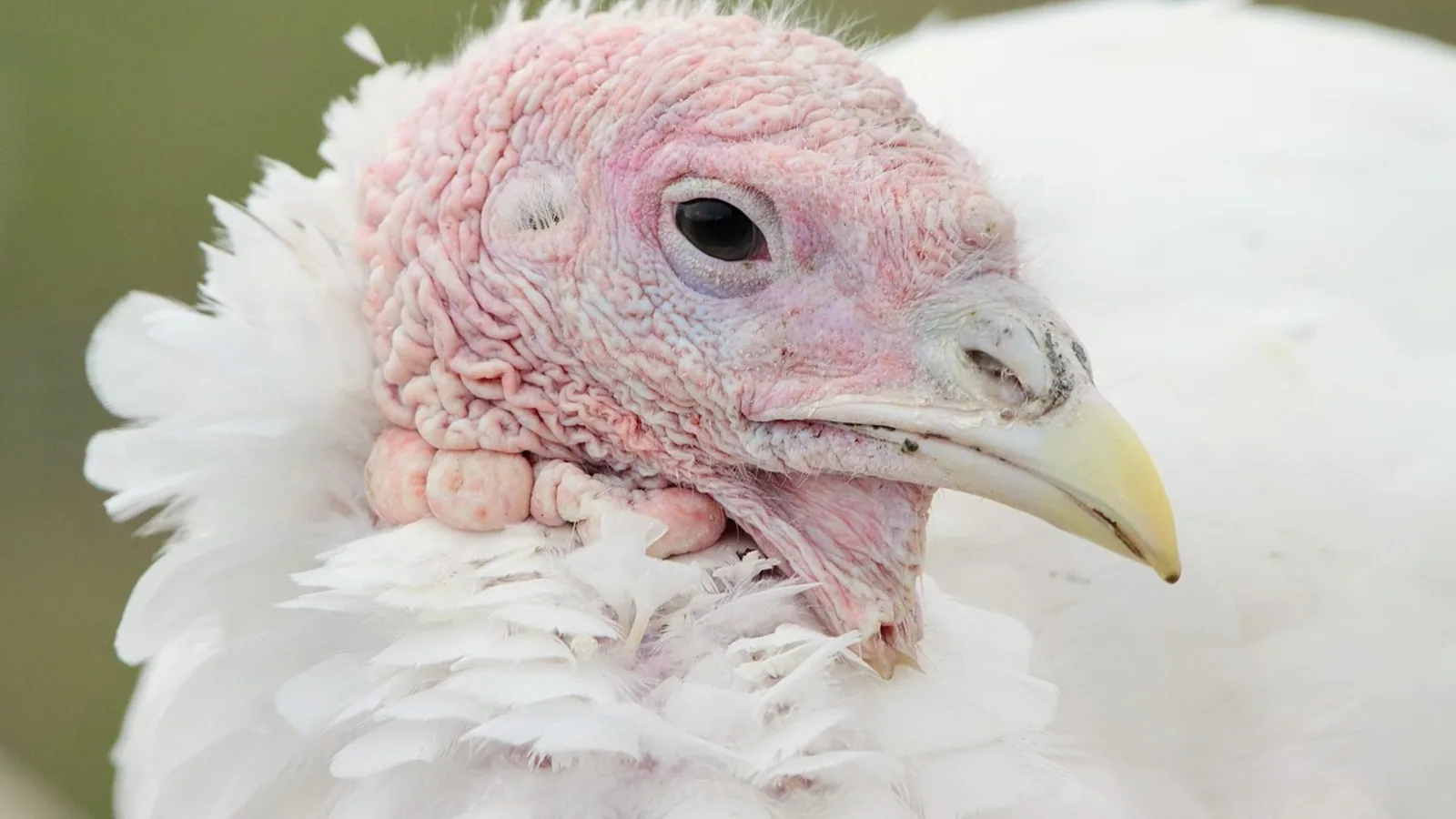
The Bourbon Red is a heritage turkey breed developed in Bourbon County, Kentucky, in the late 1800s. It is a dual-purpose bird raised for both meat and egg production, with toms reaching roughly 13 kg (about 29 lb) and hens around 8 kg (about 18 lb) at maturity. The breed is known for its rich, gamey meat flavor, its ability to forage, and its calm but active temperament. It suits small farms, homesteads, and backyard flocks where birds have room to roam and where the slower growth rate is acceptable. This article covers the breed's history, physical traits, housing and feeding needs, health considerations, and practical guidance for anyone considering Bourbon Reds.
This article is educational and is not a substitute for veterinary diagnosis or treatment.
At a Glance
| Attribute | Detail |
|---|---|
| Breed name | Bourbon Red |
| Origin | Bourbon County, Kentucky, United States, late 1800s |
| Classification | Heritage breed, dual-purpose (meat and eggs) |
| Mature tom weight | Approximately 13 kg (29 lb) |
| Mature hen weight | Approximately 8 kg (18 lb) |
| Plumage | Deep mahogany red with white wings, tail, and underbody |
| Egg production | Approximately 60 to 80 eggs per year |
| Egg color | Pale cream to light brown with speckling |
| Temperament | Calm, docile, active foragers |
| Growth rate | Slow compared with commercial broad-breasted strains |
| Meat quality | Rich, gamey flavor, good breast yield |
| Hardiness | Good, adapts well to outdoor conditions |
| Space needs | Approximately 1 to 2 square meters per bird |
| Lifespan | Several years for breeding stock |
| Good with children | Generally yes, with supervision |
| Good with other poultry | Usually yes, with adequate space |
History and Origin of the Bourbon Red
The Bourbon Red was developed in Bourbon County, Kentucky, during the late 1800s. Breeders crossed the Buff, the Bronze, and the White Holland to produce a bird with a distinctive red body and white markings. The result was a turkey that combined good table quality with the ability to thrive outdoors.
The breed was admitted to the American Poultry Association's Standard of Perfection in 1909. That recognition placed it alongside other established turkey varieties and gave breeders a formal benchmark for type, color, and conformation. The Bourbon Red became popular in the early 20th century as a farm turkey, valued for its meat and its ability to forage for part of its diet.
The rise of industrial turkey production in the mid-20th century pushed heritage breeds to the margins. Commercial operations favored the Broad Breasted White because of its rapid growth and high breast yield. Breeds like the Bourbon Red declined in number. In recent decades, small-scale farmers, homesteaders, and heritage breed enthusiasts have revived interest in the Bourbon Red. The breed is now listed as a heritage turkey by conservation organizations and is raised by a growing number of backyard flock owners.
Heritage Breed Status
The Bourbon Red is classified as a heritage breed. Heritage turkeys are defined by several characteristics: they mate naturally, they grow at a slower rate than commercial strains, they can live for years as breeding stock, and they retain the ability to forage and reproduce without artificial insemination.
This heritage status matters for several reasons. First, it means the breed retains genetic diversity that commercial strains have lost. Second, it means the birds are better suited to outdoor, pasture-based systems. Third, it means the meat has different qualities from commercial turkey, including a richer flavor and a firmer texture.
The American Poultry Association recognizes the Bourbon Red in its Standard of Perfection. This recognition provides a breed standard for exhibitors and breeders, covering plumage color, body shape, and other physical traits.
Physical Appearance
The Bourbon Red has a striking appearance. The body plumage is a deep mahogany red, often described as bourbon red, which gives the breed its name. The wings, tail, and underbody are white. The tail feathers have a distinct white band, and the primary wing feathers are white with dark edges.
The head and neck are red to bluish-white, with a red wattle and a fleshy snood. The beak is horn-colored. The shanks and toes are reddish-pink to dark pink.
Toms are larger than hens and carry more prominent snoods and wattles. They also have a more upright stance and a strutting posture during courtship displays. Hens are smaller and more streamlined.
The breed's feathering is dense and provides good insulation. This helps the birds tolerate cold weather, which is one reason they are popular in northern climates.
Temperament and Behavior
Bourbon Reds are generally calm and docile. They are not aggressive toward humans and are easy to handle once they are accustomed to a routine. This makes them a good choice for families with children, provided an adult supervises interactions.
They are active foragers. Given adequate space, they will spend much of the day searching for insects, seeds, and plant material. This foraging behavior reduces feed costs and provides enrichment. It also means the birds need room to roam. Confining them to small pens can lead to boredom, feather pecking, and other behavioral problems.
Toms can become territorial during breeding season. They may challenge other toms or display toward humans. This behavior is usually manageable with adequate space and a sensible tom-to-hen ratio. A ratio of one tom to several hens is typical for breeding flocks.
Bourbon Reds are also vocal. They gobble, cluck, and purr, and they are often more talkative than some other breeds. This is part of their charm for many owners, but it is worth considering if neighbors are close.
Housing and Space Requirements
Bourbon Reds need more space than commercial turkeys. A general guideline is approximately 1 to 2 square meters per bird in the coop and run. This allows for normal movement, foraging, and social behavior. Crowding increases the risk of disease, injury, and behavioral problems.
The coop should be dry, well-ventilated, and draft-free. Turkeys are susceptible to respiratory problems when ammonia levels rise or when bedding stays wet. Good ventilation removes moisture and ammonia while keeping drafts off the birds.
Bedding should be absorbent and kept clean. Wood shavings are a common choice. The bedding should be stirred or replaced regularly to prevent caking and to reduce ammonia buildup.
Turkeys need perches. Bourbon Reds are large birds, so perches should be sturdy and set low enough to be accessible. A perch height of 30 to 45 cm (12 to 18 inches) is often suitable, though heavier toms may prefer lower perches or may choose to sleep on the floor.
Nesting boxes are needed for hens. A box approximately 60 cm by 60 cm (24 by 24 inches) with a raised lip to keep bedding in place works well. Hens prefer a quiet, dark, and private location for laying.
The run should be secure. Turkeys are vulnerable to predators including foxes, coyotes, raccoons, hawks, and dogs. A covered run or a well-fenced area with overhead netting provides protection. Electric fencing can deter ground predators in some settings.
Feeding and Nutrition
Bourbon Reds are slow-growing birds, so their nutritional needs differ from those of commercial broad-breasted strains. A commercial turkey starter, grower, and finisher ration formulated for heritage breeds is a reasonable foundation. These feeds provide the protein, energy, vitamins, and minerals turkeys need at each stage.
Protein requirements are highest for poults. A starter ration with adequate protein supports early growth and feather development. As birds grow, the protein level can be reduced. A grower ration supports steady growth, and a finisher ration supports the final stages before processing.
Foraging provides additional nutrition. Bourbon Reds will eat insects, worms, seeds, and green plant material. This reduces reliance on purchased feed but does not replace a balanced ration. Free-ranging birds should still have access to a complete feed.
Clean water must be available at all times. Turkeys drink more water in hot weather and when eating dry feed. Waterers should be cleaned regularly to prevent bacterial growth.
Supplemental calcium is important for laying hens. Oyster shell or another calcium source offered free-choice allows hens to meet their needs. Toms should not receive supplemental calcium, as excess calcium can cause problems in males.
Feed storage matters. Feed should be kept dry and cool to prevent mold growth. Moldy feed can cause serious illness. Feeders should be cleaned regularly to prevent caking and spoilage.
Growth Rate and Meat Production
Bourbon Reds are a slow-growing breed. This is a defining characteristic of heritage turkeys and a key difference from commercial strains. Commercial broad-breasted turkeys are selected for rapid growth and reach market weight in a fraction of the time.
Research on turkey strains with different growth properties has shown that slow-growing strains differ from fast-growing strains in carcass characteristics and muscle structure. A study comparing four turkey strains found that carcass weights differed significantly between slow-growing and fast-growing groups, though breast yields were similar across strains [1]. The same study noted greater protein concentration in the breast muscle of slow-growing birds [1].
This has practical implications for anyone raising Bourbon Reds for meat. The birds take longer to reach a desirable processing weight. They consume more feed over their lifetime to reach that weight. Feed conversion is less efficient than in commercial strains. These are trade-offs that come with the breed's other advantages, including hardiness, foraging ability, and meat quality.
The meat itself is a major reason people raise Bourbon Reds. The flavor is often described as richer and more gamey than commercial turkey. The breast yield is good, though the overall carcass may be smaller than that of a broad-breasted bird at the same age.
Meat quality in turkeys can be affected by growth-related muscle abnormalities. A study on white striping in heavy male turkeys found that the condition affects breast meat quality traits and technological properties [2]. This condition is associated with fast-growing, high-breast-yield strains. Slow-growing heritage breeds are less affected by these growth-related abnormalities, which is one reason their meat is valued by some consumers.
Research on turkey meat quality after the reproductive period has shown that genotype and sex influence physicochemical properties, chemical composition, and nutrient content of breast and leg muscles [3]. This reinforces that breed and strain choices affect the final product.
Egg Production
Bourbon Red hens lay approximately 60 to 80 eggs per year. This is a moderate level of production, lower than that of commercial egg-laying strains but sufficient for a small flock or for hatching replacement stock.
Eggs are pale cream to light brown and may have speckling. Hens typically begin laying in spring and may continue through summer, with production tapering in fall and winter. Day length influences laying, so supplemental lighting in winter can extend production if desired, though many heritage breed owners prefer to let the hens follow a natural cycle.
Hens may go broody. A broody hen will sit on a clutch of eggs and attempt to hatch them. Bourbon Reds are known for good maternal instincts, and hens can hatch and raise poults naturally. This is an advantage for breeders who want to increase their flock without incubators.
Eggs should be collected regularly if they are intended for eating. Leaving eggs in the nest can encourage broodiness and may lead to broken or dirty eggs. Nesting boxes should be kept clean and lined with fresh bedding.
Health and Common Problems
Turkeys are susceptible to several health problems that affect poultry generally. Good management reduces the risk of many of these issues.
Respiratory disease is a concern in turkeys. Poor ventilation, high ammonia levels, and wet bedding contribute to respiratory problems. Signs include sneezing, nasal discharge, coughing, and labored breathing. Any bird showing these signs should be isolated and evaluated by a veterinarian.
Parasites, both internal and external, can affect turkeys. Internal parasites include worms that can cause weight loss, diarrhea, and poor growth. External parasites include mites, lice, and fleas. Regular monitoring and appropriate treatment, guided by a veterinarian, help control these problems.
Blackhead disease is a serious concern for turkeys. It is caused by a protozoan parasite and can cause high mortality in turkey flocks. Chickens can carry the parasite without showing signs, so keeping turkeys and chickens together increases the risk. Many turkey owners house turkeys separately from chickens for this reason.
Footpad dermatitis and breast blisters can occur when birds are kept on wet or abrasive bedding. Keeping bedding dry and clean helps prevent these conditions.
Reproductive problems can affect laying hens. Egg binding, prolapse, and retained eggs are possible. These conditions require veterinary attention.
Injuries from predators, from fighting, or from environmental hazards are common in outdoor flocks. Secure housing and careful management reduce the risk.
Vaccination programs for turkeys vary by region and by the diseases present. A veterinarian can advise on appropriate vaccinations for a specific flock.
Biosecurity is important. New birds should be quarantined before introduction to the flock. Visitors and equipment can carry disease, so limiting traffic and practicing good hygiene reduces risk.
Lifespan and Breeding
Bourbon Reds can live for several years. Breeding stock is often kept for multiple seasons. Hens may remain productive for several years, though egg production tends to decline with age.
Breeding Bourbon Reds is straightforward. The breed mates naturally, which is one of the defining characteristics of heritage turkeys. A ratio of one tom to several hens is typical. Toms should be monitored for aggression, and hens should have space to avoid unwanted attention.
Hens lay eggs that can be incubated naturally or artificially. Natural incubation allows the hen to hatch and raise the poults, which reduces labor for the owner. Artificial incubation requires an incubator and careful management of temperature and humidity.
Poults need warmth, clean water, and a starter ration. They are vulnerable to chilling, so a brooder with a heat source is essential. As they grow, the heat source can be reduced and eventually removed.
Finding a Responsible Breeder or Rescue
Responsible breeders prioritize health, temperament, and breed type. They keep records of their birds, maintain good biosecurity, and are willing to answer questions about the flock's health history.
When looking for Bourbon Reds, ask about the breeder's breeding goals. A breeder focused on the American Poultry Association standard will select for correct plumage color, body shape, and other traits. A breeder focused on production may select for growth rate or egg production. Both approaches are valid, but they produce different birds.
Ask about health testing and vaccination history. A responsible breeder will be transparent about any health issues in the flock. They should also be willing to show you the parent stock and the conditions in which the birds are raised.
Rescue organizations sometimes have turkeys available for adoption. These birds may be from situations of neglect or abandonment. They can make good pets or flock members with proper care, though their health history may be unknown.
Avoid breeders who keep birds in crowded, unsanitary conditions or who cannot provide basic information about the flock's health. Avoid purchasing birds from auctions or swap meets where disease control is uncertain.
Who Should Not Get a Bourbon Red
Bourbon Reds are not the right choice for everyone. People who want a fast-growing bird for efficient meat production may be frustrated by the breed's slow growth and lower feed conversion. Commercial broad-breasted strains are better suited to that goal.
People with limited space should consider whether they can provide the 1 to 2 square meters per bird that Bourbon Reds need. Crowding leads to health and behavioral problems.
People who live in areas with high predator pressure need to invest in secure housing. Turkeys are vulnerable to many predators, and losses can be devastating without proper protection.
People who are not prepared for the noise should consider another breed. Bourbon Reds are vocal, and their calls may disturb close neighbors.
People who want a bird that can be kept indoors as a pet should reconsider. Turkeys are large, active birds that need outdoor space and social contact with other turkeys. They are not suited to indoor life.
Limitations and When to Contact a Veterinarian
This article provides general information about the Bourbon Red breed. Individual birds may have specific health needs that require professional evaluation. A veterinarian with poultry experience should be consulted for any health concern.
Contact a veterinarian if a bird shows signs of respiratory distress, including labored breathing, sneezing, or nasal discharge. These signs can indicate serious disease that requires treatment.
Contact a veterinarian if a bird stops eating or drinking. Loss of appetite is a nonspecific sign that can accompany many conditions, and early evaluation improves outcomes.
Contact a veterinarian if a bird has diarrhea, weight loss, or a drop in egg production. These signs can indicate parasites, infection, or nutritional problems.
Contact a veterinarian if a bird has a swollen or distended abdomen, difficulty walking, or signs of pain. These signs may indicate reproductive problems, injury, or other serious conditions.
Contact a veterinarian if a bird has a wound or injury that does not heal or that appears infected. Prompt treatment reduces the risk of complications.
Contact a veterinarian if multiple birds in the flock become ill at the same time. This may indicate a contagious disease that requires immediate intervention.
Clinical Reasoning in Bourbon Red Turkey Medicine
Veterinary care for the Bourbon Red rests on a principle that applies to every heritage breed: the bird's physiology, growth pattern, and management context shape which diseases matter most and how they present. A clinician who evaluates a Bourbon Red as though it were a commercial Broad Breasted White will misread several important signals. The slow growth rate, the outdoor foraging lifestyle, the seasonal reproductive cycle, and the breed's genetic distance from industrial lines all influence the differential diagnosis list.
The first clinical consideration is body condition and growth trajectory. Bourbon Reds grow slowly by design, so a young poult that lags behind commercial growth charts is not necessarily failing to thrive. The relevant question is whether the bird is growing steadily along its own curve and whether its body condition score is appropriate for its age. A study comparing turkey strains with different growth properties found that carcass weights differed significantly between slow-growing and fast-growing groups, while breast yields remained similar across strains [1]. That finding matters clinically because it tells the practitioner that a Bourbon Red's lighter carcass is a breed characteristic, not a pathologic state. The same study noted greater protein concentration in the breast muscle of slow-growing birds [1], which reinforces that heritage muscle biology is genuinely different rather than simply deficient.
The second clinical consideration is the musculoskeletal system. Fast-growing commercial turkeys are prone to growth-related muscle abnormalities, and a study on white striping in heavy male turkeys documented that the condition affects breast meat quality traits and technological properties [2]. Bourbon Reds are far less affected by these abnormalities because their growth is slower and their breast mass is lower. However, this does not make them immune to leg problems. Heavy toms still carry substantial weight on their limbs, and wet bedding, slippery surfaces, and inadequate perch design can contribute to footpad lesions, hock inflammation, and gait abnormalities. A clinician examining a lame Bourbon Red should therefore consider both infectious and management-related causes rather than assuming a growth-related myopathy.
The third consideration is the reproductive system, which dominates the clinical picture in mature hens. Bourbon Red hens lay seasonally and may produce 60 to 80 eggs per year, with production concentrated in spring and summer. This seasonal pattern means reproductive disease often presents in a predictable window. Egg binding, retained eggs, and prolapse are more likely during peak laying, and a hen that suddenly stops laying during the season warrants a thorough reproductive examination. Research on turkey meat quality after the reproductive period has shown that genotype and sex influence physicochemical properties, chemical composition, and nutrient content of breast and leg muscles [3]. While that study addresses meat science rather than clinical disease, it underscores a broader point: the reproductive cycle exerts measurable physiologic effects on the body, and those effects vary by breed and sex.
The fourth consideration is the respiratory system. Turkeys are sensitive to ammonia, dust, and moisture, and respiratory disease is a leading cause of morbidity in backyard flocks. The clinical reasoning here is straightforward but often overlooked: respiratory signs in a Bourbon Red should prompt an immediate assessment of the environment as well as the bird. Ventilation, bedding moisture, stocking density, and ammonia levels are part of the diagnostic picture, not background noise.
Diagnostic Workflow for the Backyard Bourbon Red
A structured diagnostic approach improves outcomes and reduces unnecessary treatment. The workflow below is designed for the owner and the veterinarian working together, recognizing that many backyard flock owners have limited access to poultry-specific veterinary care.
The first step is a thorough history. The veterinarian needs to know the bird's age, sex, and reproductive status. They need to know when the bird was acquired, whether it came from a reputable breeder or an auction, and whether it was quarantined before introduction to the flock. They need to know the flock composition, including whether chickens or other poultry share the space, because chickens can carry the blackhead parasite without showing signs. They need to know the housing setup, the bedding type and cleaning schedule, the ventilation, and the space per bird. They need to know the feeding program, including the ration type, the protein level, and whether supplemental calcium is offered. They need to know the vaccination history and any recent treatments.
The second step is a complete physical examination. The veterinarian should assess body condition, hydration, and mentation. They should examine the head for evidence of sinus swelling, ocular discharge, or snood abnormalities. They should examine the oral cavity and choana for plaques or discharge. They should auscultate the respiratory tract, though this is challenging in birds and often yields limited information. They should palpate the abdomen for masses, fluid, or retained eggs. They should examine the vent and cloaca for evidence of prolapse, discharge, or parasites. They should examine the legs and feet for lesions, swelling, or deformities. They should examine the plumage for external parasites and for evidence of feather pecking.
The third step is a flock-level assessment. If the individual bird is ill, the veterinarian should ask whether other birds are affected. A single sick bird may have a management-related or individual problem, while multiple affected birds suggest a contagious or environmental cause. The veterinarian should inspect the housing, the bedding, the waterers, and the feeders. They should assess ventilation and ammonia levels. They should look for evidence of predators, injuries, or behavioral problems.
The fourth step is diagnostic testing, guided by the clinical findings. Fecal examination can identify internal parasites and coccidia. Blood work can assess organ function, hydration, and inflammatory status, though reference intervals for heritage turkeys may differ from commercial strains and should be interpreted with caution. Culture and sensitivity testing can identify bacterial pathogens and guide antimicrobial selection. Necropsy of deceased birds can provide valuable information for the remaining flock, and a veterinarian or diagnostic laboratory should perform it when possible.
The fifth step is treatment and follow-up. Treatment should be targeted to the diagnosis rather than administered empirically whenever possible. The veterinarian should establish a clear endpoint for treatment and a plan for re-evaluation. They should also address the underlying management factors that contributed to the problem, because treating the bird without correcting the environment often leads to recurrence.
Evidence Limitations in Heritage Turkey Medicine
Owners and veterinarians should recognize that the evidence base for heritage turkey medicine is thinner than for commercial poultry. Most published research on turkey health, nutrition, and meat quality has been conducted on commercial strains, and extrapolating those findings to Bourbon Reds requires caution.
The strain comparison study cited earlier is a useful example. It demonstrated significant differences in carcass weight between slow-growing and fast-growing strains, with similar breast yields and greater protein concentration in slow-growing breast muscle [1]. These findings are informative, but they describe a limited number of strains under controlled conditions. They do not tell us how a specific Bourbon Red flock will perform on a specific farm with a specific feeding program.
Similarly, the white striping study focused on heavy male turkeys, a population that does not represent Bourbon Reds [2]. The findings are relevant as a contrast, showing what fast growth can do to muscle quality, but they should not be used to predict disease risk in a slow-growing breed. The meat quality study after the reproductive period examined genotype and sex effects on muscle composition [3], which is useful for understanding breed differences, but it does not address clinical disease.
The practical implication is that owners should rely on general poultry husbandry principles, breed-specific observation, and veterinary judgment rather than assuming that a study conducted on commercial turkeys applies directly to their flock. When in doubt, the veterinarian's clinical assessment of the individual bird and the specific flock should take precedence over generalized recommendations.
Owner Observation and Preparation for a Veterinary Visit
Owners are the first line of surveillance in a backyard flock. A Bourbon Red that is developing a health problem often shows subtle changes before obvious signs appear. Recognizing those changes and documenting them accurately can make the difference between early intervention and a crisis.
Owners should observe their birds daily, ideally at the same times each day so that deviations from normal are easier to detect. They should watch for changes in appetite, water consumption, activity level, and social behavior. A bird that separates from the flock, that stops foraging, or that stands with its eyes closed is often ill. They should watch for changes in droppings, including color, consistency, and frequency. They should watch for changes in egg production, including a sudden drop, soft-shelled eggs, or eggs with abnormal shape or color. They should watch for respiratory signs, including sneezing, coughing, nasal discharge, and open-mouth breathing. They should watch for changes in gait, posture, and wing position. They should watch for wounds, swelling, and evidence of parasites.
When an owner decides to contact a veterinarian, preparation improves the quality of the consultation. The owner should record the bird's age, sex, and reproductive status. They should record the onset and duration of the problem. They should record the specific signs observed and whether they are progressive. They should record the flock size, the number of affected birds, and whether any birds have died. They should record the housing and feeding details, including recent changes. They should record any treatments already given, including dose, route, and duration. They should bring a representative fecal sample if possible, and they should bring the bird itself if the veterinarian is willing to examine it.
Photographs and videos can be valuable, especially for gait abnormalities, respiratory effort, and droppings. Owners should capture these before the visit if the bird's condition fluctuates. A short video of the bird walking and breathing often conveys more information than a verbal description.
Owners should also prepare for the possibility that the veterinarian will recommend diagnostic testing, treatment, or culling. They should be ready to discuss their goals for the bird, whether it is a pet, a breeder, or a meat bird, because those goals influence the treatment plan. They should be ready to discuss the cost of care and the practicality of treatment in a flock setting.
Prevention as the Foundation of Bourbon Red Health
Prevention is more effective and less costly than treatment in any poultry flock, and Bourbon Reds are no exception. The breed's hardiness is an advantage, but hardiness is not immunity. A well-designed prevention program addresses housing, nutrition, biosecurity, parasite control, and reproductive management.
Housing prevention begins with space. The recommended 1 to 2 square meters per bird allows for normal movement and reduces stress, which in turn supports immune function. Housing should be dry, well-ventilated, and draft-free. Bedding should be absorbent and kept clean, with regular stirring or replacement to prevent caking and ammonia buildup. Perches should be sturdy and appropriately sized for large birds, and nesting boxes should be clean, quiet, and private.
Nutrition prevention begins with a complete ration appropriate to the bird's age and purpose. Poults need a starter ration with adequate protein for growth and feather development. Growing birds need a grower ration, and birds approaching processing need a finisher ration. Laying hens need supplemental calcium offered free-choice, while toms should not receive supplemental calcium because excess calcium can cause problems in males. Clean water must be available at all times, and waterers should be cleaned regularly. Feed should be stored dry and cool to prevent mold growth, and feeders should be cleaned to prevent spoilage.
Biosecurity prevention begins with quarantine. New birds should be isolated from the existing flock for a period determined in consultation with a veterinarian, and they should be monitored for signs of illness during that time. Visitors and equipment can carry disease, so traffic should be limited and hygiene practices should be consistent. Different species should be housed separately when possible, particularly chickens and turkeys, because of the blackhead risk.
Parasite prevention begins with monitoring. Regular fecal examinations can identify internal parasites before they cause significant harm. External parasites should be monitored by examining the plumage and the environment. Appropriate treatment, guided by a veterinarian, should be used when parasites are identified, and the environment should be managed to reduce reinfestation.
Reproductive prevention begins with management of the breeding flock. A sensible tom-to-hen ratio reduces aggression and injury. Hens should have space to avoid unwanted attention. Nesting boxes should be kept clean to reduce the risk of egg contamination and reproductive infection. Hens that show signs of reproductive disease should be evaluated promptly.
Prognosis and the Factors That Shape It
Prognosis in Bourbon Red turkeys depends on the specific condition, the stage at which it is identified, the availability of veterinary care, and the owner's willingness and ability to implement treatment and management changes.
Conditions identified early generally carry a better prognosis. A respiratory infection caught before it causes significant lung damage is more treatable than one that has progressed to pneumonia. A parasitic infection identified before it causes severe weight loss is more manageable than one that has already compromised the bird's condition. A reproductive problem identified before it causes systemic illness is more likely to resolve with treatment.
The bird's overall condition at presentation matters. A well-conditioned bird with good hydration and a normal appetite has more reserve than a bird that is already debilitated. Age also matters. Young poults are more vulnerable to chilling, infection, and nutritional deficiencies, while older birds may have chronic conditions that limit treatment options.
The availability of veterinary care is a practical constraint in many backyard flocks. Not all veterinarians treat poultry, and not all owners have access to a poultry-experienced clinician. When veterinary care is limited, owners should focus on prevention, early recognition, and supportive care, and they should seek professional advice whenever possible.
The owner's goals shape the prognosis in a different way. A pet Bourbon Red may warrant aggressive treatment, while a meat bird may not. A breeder may prioritize preserving the bird's reproductive function, while a flock owner may prioritize the health of the group. These are legitimate considerations, and they should be discussed openly with the veterinarian.
Special Population Considerations
Certain Bourbon Reds require additional attention because their physiology or management context differs from the general flock.
Poults are the most vulnerable group. They need warmth, clean water, and a starter ration. They are susceptible to chilling, which can be fatal, so a brooder with a reliable heat source is essential. They are also susceptible to nutritional deficiencies, so the starter ration must be complete and appropriate. Poults raised by a broody hen benefit from the hen's warmth and guidance, but they still need access to appropriate feed and water.
Laying hens have specific needs related to calcium, protein, and body condition. They should receive supplemental calcium free-choice, and they should be monitored for signs of reproductive disease. Hens that lay heavily may lose body condition, and they may need adjustments to their ration to maintain weight and health.
Breeding toms have specific needs related to aggression management and physical soundness. They should be monitored for territorial behavior, and they should have space to avoid conflict with other toms. They should be examined for leg and foot problems, because their size makes them vulnerable to musculoskeletal issues.
Older birds may have chronic conditions that require ongoing management. They may have arthritis, reduced vision, or diminished immune function. They may need adjustments to their housing, such as lower perches or easier access to feed and water. They may need more frequent monitoring for signs of illness.
Birds in mixed-species flocks face additional risks. Chickens can carry the blackhead parasite without showing signs, and the parasite can cause serious illness in turkeys. Owners who keep turkeys and chickens together should be aware of this risk and should discuss prevention strategies with a veterinarian.
Birds in cold climates have specific needs related to housing and nutrition. Bourbon Reds tolerate cold well when provided with dry, draft-free housing, but they still need protection from wind, moisture, and extreme conditions. They may need additional energy in their ration during cold weather, and they need unfrozen water at all times.
Birds in hot climates have different needs. They are susceptible to heat stress, which can cause reduced appetite, reduced egg production, and in severe cases, death. They need shade, ventilation, and cool water. They may need adjustments to their ration to maintain intake during hot weather.
Integrating the Bourbon Red into a Sustainable Flock Plan
The Bourbon Red's value in a backyard flock extends beyond its meat and eggs. The breed's foraging ability, hardiness, and maternal instincts make it a good fit for pasture-based and homestead systems. Owners who plan for the breed's specific needs, rather than treating it as a generic turkey, are more likely to succeed.
A sustainable plan begins with realistic expectations. Bourbon Reds grow slowly, lay moderately, and live for several years. They are not designed for industrial efficiency, and they should not be managed as though they were. Owners who accept the breed's pace and design their systems around it will find the experience more rewarding.
A sustainable plan also includes a health management calendar. Vaccinations, parasite monitoring, and reproductive management should be scheduled according to the flock's needs and the local disease risks. A veterinarian can help design this calendar based on the specific region and flock.
Finally, a sustainable plan includes record keeping. Owners should track growth, egg production, health events, treatments, and outcomes. These records improve management over time and provide valuable information if a veterinarian needs to evaluate the flock. They also help owners identify patterns, such as seasonal disease occurrences or reproductive problems, that can be addressed proactively.
This article is educational and is not a substitute for veterinary diagnosis or treatment. Owners should consult a veterinarian with poultry experience for any health concern affecting their Bourbon Reds.
Frequently Asked Questions
How big do Bourbon Red turkeys get?
Toms reach approximately 13 kg (29 lb) and hens approximately 8 kg (18 lb) at maturity. These are typical weights for the breed, though individual birds may vary.
How many eggs do Bourbon Red hens lay per year?
Bourbon Red hens lay approximately 60 to 80 eggs per year. Production is seasonal, with most eggs laid in spring and summer.
What does Bourbon Red turkey meat taste like?
The meat is often described as rich and gamey, with a firmer texture than commercial turkey. The breast yield is good, and the flavor is a major reason people raise the breed.
Are Bourbon Reds good for beginners?
Bourbon Reds are generally calm and hardy, which makes them suitable for beginners who can provide adequate space and care. They are more forgiving than some breeds but still require proper housing, feeding, and health management.
How much space do Bourbon Reds need?
Plan for approximately 1 to 2 square meters per bird. This allows for normal movement, foraging, and social behavior. Crowding increases the risk of disease and behavioral problems.
Can Bourbon Reds live with chickens?
They can, but there are health risks. Chickens can carry blackhead disease without showing signs, and the parasite can cause serious illness in turkeys. Many owners house turkeys separately from chickens to reduce this risk.
How long do Bourbon Reds take to reach processing weight?
Bourbon Reds are slow-growing. They take longer to reach a desirable processing weight than commercial broad-breasted strains. This is a defining characteristic of heritage turkeys.
Are Bourbon Reds cold-hardy?
Yes. Their dense feathering provides good insulation, and they tolerate cold weather well when provided with dry, draft-free housing. They still need protection from wind, moisture, and extreme conditions.
Related Articles
- Netherland Dwarf Rabbit: Breed Profile and Care Essentials
- Boer Goat Breed Profile: Characteristics and Management
- Red-Eared Slider Turtle Care Guide
- Red Parrot Species: Identification and Care Considerations
- Hairless Cat: Care, Health, and Breed Guide
- Australian Cattle Dog: Complete Care Guide for This Energetic Breed
- Red-Eyed Tree Frog Care: Habitat, Diet, and Health
Further Reading
- Comparison of meat quality characteristics and fatty acid composition of finished goat kids from indigenous and dairy breeds.
- Comparison of slaughter yields and some meat quality parameters in broilers reared on sepiolite-supplemented wood shavings and rice hulls.
- Comparison of litter quality, performance, and some welfare parameters of broilers reared on the sepiolite-supplemented paper waste sludge.