Rhinovirus: Structure, Common Cold Infection and Spread
By Dr. Zubair Khalid, DVM, MS, PhD ·
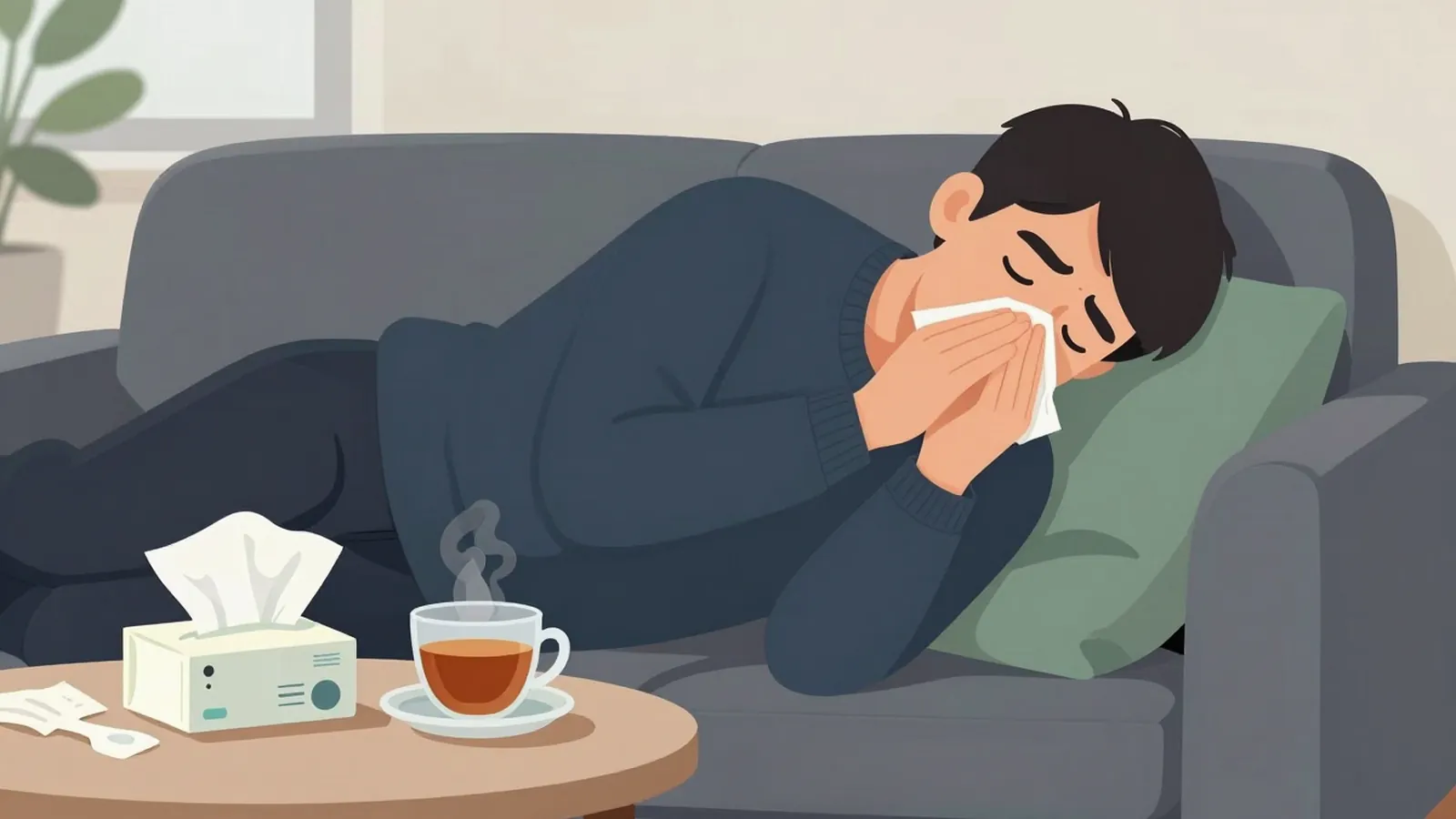
Rhinovirus is a small RNA virus in the Picornaviridae family and the most frequent cause of the common cold (About Rhinoviruses; Rhinoviruses). It has a strong affinity for nasal airway mucosa, most serotypes use ICAM-1 to enter cells, and it spreads by respiratory droplets, close contact, and contaminated surfaces (Rhinoviruses; Rhinovirus (Common Cold)).
Infection commonly causes sore throat, runny nose, cough, sneezing, and congestion; infants and young children may also develop fever or otitis media (Rhinovirus (Common Cold)). No specific antiviral treatment or vaccine exists, so care is supportive and antibiotics are not indicated for uncomplicated colds.
Key Points
- Rhinoviruses cause about 50% of common colds and are the most frequent viral cause of the illness (About Rhinoviruses; Rhinoviruses).
- The group contains three species and 169 subtypes, the greatest diversity within the Enterovirus genus (Understanding Rhinovirus Circulation and Impact on Illness).
- Most serotypes use ICAM-1 as the entry receptor; a minority use the low-density lipoprotein (LDL) receptor, and one serotype uses sialoprotein (Rhinoviruses).
- Transmission occurs by airborne droplets from coughing and sneezing, close personal contact, and touching contaminated objects; the virus can survive on surfaces for many hours (Rhinovirus (Common Cold)).
- Typical symptoms include sore throat, runny nose, coughing, sneezing, watery eyes, headache, and body aches; infants and children may also develop fever and otitis media.
- Rhinovirus infections are potent triggers of asthma exacerbations and wheezing illnesses in children and adults (About Rhinoviruses; Rhinovirus Infections and Their Roles in Asthma: Etiology and Exacerbations).
At a Glance
| Topic | Key point |
|---|---|
| Pathogen | Positive-sense RNA virus in Picornaviridae (About Rhinoviruses) |
| Types | Rhinovirus A, B, and C; many strains circulate |
| Illness | Common cold with runny nose and cough |
| Spread | Droplets, hands, and contaminated objects |
| Asthma link | Infections can trigger exacerbations (Rhinovirus Infections and Their Roles in Asthma: Etiology and Exacerbations) |
| Prevention | Hand hygiene, ventilation, and surface cleaning |
Rhinovirus is the most frequent cause of the common cold and a common viral trigger for asthma attacks (About Rhinoviruses). Most infections are mild, and spread occurs through respiratory droplets, hands, and contaminated objects (About Rhinoviruses; Rhinovirus (Common Cold)).
What Is Rhinovirus?
Rhinovirus is a common respiratory virus and the most frequent cause of the common cold (About Rhinoviruses). It accounts for about 50% of colds in humans (Rhinoviruses). The name comes from the nasal passages, because the virus has a special affinity for the nasal airway mucosa; rhino means nose. Infection often begins in the nose and can involve the throat or lower airway.
A common cold virus with many strains
Rhinovirus is not a single virus. It includes three species, Rhinovirus A, B, and C, and many serotypes or subtypes (About Rhinoviruses; Understanding Rhinovirus Circulation and Impact on Illness). This diversity helps explain why repeat infections are common: a person can be infected by different strains over time (About Rhinoviruses). The common cold is the main reason children miss school and adults miss work; adults have an average of 2 to 3 colds per year, and children may have more (Rhinovirus (Common Cold)). Asymptomatic rhinovirus infection is uncommon.
Illness range
Most rhinovirus infections are mild and self-limited (About Rhinoviruses). Typical symptoms include sore throat, runny nose, cough, sneezing, watery eyes, headache, and body aches (Rhinovirus (Common Cold)). Infants and children may develop fever and otitis media; infants may develop more severe disease such as croup, bronchiolitis, and pneumonia. Rhinovirus also triggers acute viral otitis media and sinusitis, asthma exacerbations in children and adults, and exacerbations of chronic bronchitis in people with COPD (Rhinoviruses).
Why rhinovirus matters beyond the cold
Rhinovirus has been reported as one of the main viral causes of severe respiratory illness that may require hospitalization, with a burden compared with influenza and RSV in severity, economic cost, and resource use (Understanding Rhinovirus Circulation and Impact on Illness). The role of species and subtype in clinical outcomes remains unclear. For most people, the illness is a short cold; for people with asthma, COPD, or other risk factors, the same virus can cause a more serious respiratory event (Rhinoviruses; Rhinovirus Infections and Their Roles in Asthma: Etiology and Exacerbations).
Rhinovirus Structure and Classification
Rhinovirus particles are small and nonenveloped, with an icosahedral capsid built from protein subunits (Rhinoviruses). The capsid surrounds a single-stranded, positive-sense RNA genome (About Rhinoviruses). The capsid protects the viral RNA and helps the virus bind host receptors. Once inside a host cell, the viral RNA directs replication.

Capsid, genome, and receptor binding
The capsid surface determines which host cell receptors the virus can use. Most rhinovirus serotypes use ICAM-1 to gain entrance into human cells (Rhinoviruses). A minority use the low-density lipoprotein (LDL) receptor, and one serotype uses sialoprotein. This receptor preference helps explain why rhinovirus can infect ciliated cells in the nasal epithelium and may also infect other nasal cells.
| Feature | Rhinovirus |
|---|---|
| Genome | Single-stranded, positive-sense RNA (About Rhinoviruses) |
| Capsid | Nonenveloped, icosahedral (Rhinoviruses) |
| Family | Picornaviridae |
| Genus | Enterovirus (Understanding Rhinovirus Circulation and Impact on Illness) |
| Species | Rhinovirus A, B, and C |
| Receptor use | Most serotypes use ICAM-1; a minority use the LDL receptor; one uses sialoprotein |
Species and strain diversity
Rhinovirus belongs to the family Picornaviridae and is closely related to enteroviruses (Rhinoviruses). It is classified in the genus Enterovirus (Understanding Rhinovirus Circulation and Impact on Illness). Three species are recognized: Rhinovirus A, B, and C. Within these species, rhinovirus has 169 subtypes, the greatest diversity within the Enterovirus genus. The three species differ in patterns of infection and virulence (Rhinovirus Infections and Their Roles in Asthma: Etiology and Exacerbations). Classification is useful for epidemiology and for studies that compare illness severity by species or subtype, but the clinical role of specific subtypes remains unclear.
What the structure means for infection
Because the virus is nonenveloped, its capsid is exposed to the environment, and the virus can survive on surfaces for many hours (Rhinovirus (Common Cold)). The positive-sense RNA genome directs replication after the virus enters a host cell (Rhinoviruses). The capsid and genome together form a compact particle suited to transmission through respiratory secretions and contaminated hands (About Rhinoviruses; Rhinoviruses).
How Rhinovirus Infects the Airway
Rhinovirus enters through the nose, throat, or lower airway (About Rhinoviruses). It has a special affinity for the nasal airway mucosa, so infection often starts in the nose (Rhinoviruses). The virus binds airway epithelial cells and replicates inside them. Most serotypes use ICAM-1 as the entry receptor; a minority use the LDL receptor, and one uses sialoprotein. Ciliated cells in the nasal epithelium are common targets, and other nasal cells may also be infected.
Entry, replication, and local injury
After binding, the virus enters host cells and uses its positive-sense RNA genome to direct replication (Rhinoviruses). Infection triggers local inflammatory responses (Rhinovirus Infections and Their Roles in Asthma: Etiology and Exacerbations). Cilia damage can impair mucus clearance. Symptoms peak as the immune response grows. These events help explain the runny nose, congestion, sore throat, and cough of the common cold (Rhinovirus (Common Cold)).
Why the lower airway sometimes reacts
For most people, rhinovirus causes cold symptoms with little or no lower airway involvement (Rhinovirus Infections and Their Roles in Asthma: Etiology and Exacerbations). In some people, especially preschool children who wheeze, the infection is linked to acute wheezing. Children who wheeze with rhinovirus are at increased risk to develop asthma later. Once asthma is established, rhinovirus infections are potent triggers for acute airway obstruction and exacerbations in children and adults. The mucosal immune response is important; the quality of the interferon response and allergic inflammation interact to determine the risk of rhinovirus wheezing. Rhinovirus infections can also promote pathogen-dominated airway microbiota that increases wheezing risk.
The same virus can cause a cold in one person and a wheezing illness in another, depending on risk factors such as lung function, immunity, and allergic inflammation (Rhinovirus Infections and Their Roles in Asthma: Etiology and Exacerbations).
A worked example of the infection sequence
| Step | What happens |
|---|---|
| 1. Exposure | Droplets, hands, or objects bring virus to the nasal mucosa (About Rhinoviruses; Rhinovirus (Common Cold)) |
| 2. Binding | Virus attaches to airway epithelial cells, often via ICAM-1 (Rhinoviruses) |
| 3. Replication | Viral RNA directs replication inside host cells |
| 4. Inflammation | Local immune responses grow and symptoms peak (Rhinoviruses; Rhinovirus Infections and Their Roles in Asthma: Etiology and Exacerbations) |
| 5. Lower airway risk | Wheezing and asthma exacerbations can occur in susceptible people (Rhinovirus Infections and Their Roles in Asthma: Etiology and Exacerbations) |
Common Cold Symptoms and Course
Rhinovirus infections usually produce an upper airway illness: the common cold. Symptoms often begin with sneezing, a runny nose, and a sore throat (About Rhinoviruses). Cough and nasal congestion commonly follow. Some people also report watery eyes, headache, and body aches (Rhinovirus (Common Cold)). Asymptomatic rhinovirus infection is uncommon.
Typical symptom sequence
| Phase | Common features | Course |
|---|---|---|
| Early | Sneezing, runny nose, sore throat | These symptoms often appear first (About Rhinoviruses) |
| Middle | Cough, congestion | Cough and congestion often follow |
| Recovery | Most symptoms ease | Most symptoms ease over about a week |
A cough may linger after other symptoms fade (About Rhinoviruses). Fever is uncommon in uncomplicated rhinovirus colds. Infants and children may develop fever, and otitis media (Rhinovirus (Common Cold)). Children may have more symptoms than adults.
What the illness feels like
The cold is a familiar pattern: nasal symptoms dominate, and the throat is often sore early (About Rhinoviruses). Congestion can make breathing through the nose difficult, while a cough may persist when the nose has started to clear. The overall course is usually about a week for most symptoms. A lingering cough can be the last symptom to resolve.
Fever is not a typical feature of an uncomplicated rhinovirus cold in adults (About Rhinoviruses). Infants and young children are different; they may develop fever, and they may have more symptoms than adults (About Rhinoviruses; Rhinovirus (Common Cold)). Infants may develop more severe diseases such as croup, bronchiolitis, and pneumonia (Rhinovirus (Common Cold)). The course can vary with age and underlying airway disease (About Rhinoviruses; Rhinovirus Infections and Their Roles in Asthma: Etiology and Exacerbations).
When symptoms are more than a cold
Rhinovirus is a common viral trigger for asthma attacks (About Rhinoviruses). In children and adults with asthma, a cold can trigger wheezing and exacerbations (Rhinovirus Infections and Their Roles in Asthma: Etiology and Exacerbations). A cold that produces wheeze, shortness of breath, or a drop in peak flow needs attention under the person's asthma plan.
Most rhinovirus infections cause cold symptoms, and the common cold is the main reason children miss school and adults miss work (Rhinovirus (Common Cold)). Symptoms usually remain in the upper airway, but asthma and other chronic lung disease can change the course (About Rhinoviruses; Rhinovirus Infections and Their Roles in Asthma: Etiology and Exacerbations). A person with a typical cold can expect gradual improvement, with cough often outlasting nasal symptoms (About Rhinoviruses).
How Rhinovirus Spreads
Rhinovirus spreads mainly through respiratory droplets from coughs and sneezes (About Rhinoviruses). Hand contact with contaminated surfaces can also spread the virus. Close contact raises transmission risk indoors. The virus can survive on surfaces for many hours (Rhinovirus (Common Cold)).

Main routes
| Route | How it works | Where it matters |
|---|---|---|
| Respiratory droplets | Coughing and sneezing release droplets that reach the eyes, nose, or mouth of nearby people (About Rhinoviruses) | Close contact indoors |
| Hands and surfaces | Touching a contaminated object and then the face can move virus to the airway (About Rhinoviruses; Rhinovirus (Common Cold)) | Homes, schools, clinics, shared transport |
| Close personal contact | Being near an infected person raises exposure | Crowded settings (Understanding Rhinovirus Circulation and Impact on Illness) |
The droplet route is the main one (About Rhinoviruses). Hand contact is a second practical route because the virus can survive on surfaces for many hours (Rhinovirus (Common Cold)). Cleaning high-touch surfaces and hand hygiene target this route. A person with a cold can spread virus through droplets and hands even when fever is absent (About Rhinoviruses; Rhinovirus (Common Cold)).
Households and schools
Children are efficient spreaders in households and schools (Understanding Rhinovirus Circulation and Impact on Illness). Adults have an average of 2-3 colds per year, and children may have even more (Rhinovirus (Common Cold)). A child with a runny nose and cough can bring virus home, and close contact in a household can then spread it to other household members. Outbreaks can occur in crowded settings. Shared objects and surfaces in these settings can hold virus for hours.
Season and region
Circulation patterns vary by region and season (Understanding Rhinovirus Circulation and Impact on Illness). Rhinovirus infections are most common in fall and spring, but infection is possible at any time of year (Rhinovirus (Common Cold)). No vaccine is available.
Indoor close contact matters because droplets fall onto nearby surfaces and hands contaminate shared objects (About Rhinoviruses; Rhinovirus (Common Cold)). In a crowded room, the chance of being near a coughing person increases (About Rhinoviruses; Understanding Rhinovirus Circulation and Impact on Illness). In a household, repeated contact with the same objects and surfaces creates repeated exposure opportunities (Rhinovirus (Common Cold)). These patterns help explain why rhinovirus moves easily through families, schools, and other group settings (Understanding Rhinovirus Circulation and Impact on Illness).
Diagnosis and Testing
Diagnosis of a rhinovirus cold is usually clinical (About Rhinoviruses). Routine testing is not needed for the common cold. PCR tests can detect rhinovirus RNA (Rhinoviruses). Testing is most useful when illness is severe, when an outbreak is under investigation, or when the result is expected to change care.
Clinical diagnosis
A clinician can recognize a cold from the symptom pattern: sneezing, runny nose, sore throat, cough, and congestion (About Rhinoviruses). Fever is uncommon in uncomplicated rhinovirus colds. Infants and children may develop fever, and otitis media (Rhinovirus (Common Cold)). Diagnosis can be based on clinical symptoms and laboratory testing when testing is indicated.
When PCR testing helps
- Severe respiratory illness that needs hospital care (Rhinoviruses)
- Outbreak settings where identifying the virus can guide response
- Cases where another virus, such as influenza, is a concern (Rhinovirus (Common Cold))
- Situations where a result will affect infection control or clinical decisions
PCR can be part of a respiratory virus panel (Rhinovirus (Common Cold)). A panel can check several viruses at once. Influenza testing may be considered in severe cases. A nasopharyngeal specimen can be used for respiratory panel testing.
What a result means
A positive PCR result detects rhinovirus RNA (Rhinoviruses). It does not by itself show how severe the illness will be, and it does not rule out a second respiratory virus when a panel is not used (Rhinovirus (Common Cold)). Routine testing is not needed for a common cold (About Rhinoviruses). Test results may not change routine care. For an uncomplicated cold, care is supportive whether or not a test is done (About Rhinoviruses; Rhinovirus (Common Cold)). In a severe case, a result can help the care team identify the cause and manage other risks.
| Setting | Role of testing | Effect on routine care |
|---|---|---|
| Healthy adult with mild cold | Not routinely needed (About Rhinoviruses) | Little or no change |
| Severe illness | PCR can identify rhinovirus RNA (Rhinoviruses) | May inform management and infection control |
| Outbreak | PCR and panels can characterize spread (Rhinoviruses; Rhinovirus (Common Cold)) | Supports public health response |
| Influenza concern | Influenza testing may be considered (Rhinovirus (Common Cold)) | Can identify influenza as an alternative cause |
Treatment and Symptom Relief
No antiviral is approved for routine rhinovirus colds (About Rhinoviruses). Care focuses on symptom relief. Rest, fluids, and humidity may ease symptoms. Over-the-counter cold medicines offer limited relief. Antibiotics do not treat rhinovirus infections. Follow product labels and clinician advice.
Supportive care
- Rest (About Rhinoviruses)
- Fluids
- Humidity
- Use a
Prevention and Hygiene
Rhinovirus spreads through close contact, respiratory droplets, and contaminated surfaces, so prevention combines hand hygiene, surface cleaning, and respiratory etiquette (About Rhinoviruses). The steps are simple, but they work best when repeated consistently at home, school, and work.
Hand Hygiene
Wash hands often with soap and water (About Rhinoviruses). Cover all surfaces of the hands, including the backs of the hands, between the fingers, and under the nails. Rinse and dry with a clean towel. When soap and water are unavailable, use an alcohol-based hand rub. Keep hand rub near entryways, desks, and shared equipment so it is easy to use after touching common surfaces. Hand hygiene matters after coughing, sneezing, wiping a child's nose, or handling used tissues.
Surfaces and Shared Spaces
Clean frequently touched surfaces (About Rhinoviruses). In practice, this includes doorknobs, light switches, countertops, phones, keyboards, tablets, and toys. Clean surfaces when someone in the home has cold symptoms and at regular intervals in shared settings. Cleaning removes virus from surfaces and reduces the chance of hand-to-face transfer.
Respiratory Etiquette and Air
Cover coughs and sneezes with a tissue or the inside of the elbow (About Rhinoviruses). Put used tissues in a lined bin and wash hands afterward. Improve indoor ventilation by opening windows or using an air cleaner when conditions allow. Better airflow reduces the buildup of respiratory droplets in crowded rooms. Masks may help in crowded or high-risk settings.
When Someone Is Sick
Stay home when sick to reduce spread (About Rhinoviruses). Avoid sharing cups, utensils, towels, and toothbrushes during a cold. Wash dishes and laundry in the usual way. Children and adults can return to usual activities when they feel able, but hand hygiene and cough etiquette should continue.
| Setting | Practical step |
|---|---|
| Home | Wash hands after handling tissues; clean shared surfaces (About Rhinoviruses) |
| School | Teach elbow coughs; provide hand rub where sinks are limited |
| Work | Clean shared keyboards and phones; stay home when sick |
Rhinovirus and Asthma
Rhinovirus is a major trigger of asthma attacks (Rhinovirus Infections and Their Roles in Asthma: Etiology and Exacerbations). A cold that is mild in one person can cause airway narrowing, wheeze, and increased use of relief medicine in another. Children with asthma often have severe colds, and rhinovirus infection can increase airway inflammation and wheeze. This link is one reason cold symptoms deserve attention in anyone with asthma.
Why Rhinovirus Affects the Airways
Rhinovirus infects the nasal airway, but in asthma the response can extend to the lower airways (Rhinovirus Infections and Their Roles in Asthma: Etiology and Exacerbations). The mucosal immune response, the quality of the interferon response, and allergic inflammation interact to shape the risk of wheezing. For most people, a rhinovirus cold stays in the upper airway with little lower airway involvement. In asthma, the same infection can provoke obstruction and an exacerbation. Preschool children who wheeze with rhinovirus are at increased risk of later asthma, which makes early recognition important. The three rhinovirus species differ in virulence, and personal factors such as lung function and immunity also influence the lower airway outcome. That is why two people with the same cold virus can have very different breathing symptoms.
What to Watch For
A cold in a person with asthma needs close attention to breathing as well as nasal symptoms (Rhinovirus Infections and Their Roles in Asthma: Etiology and Exacerbations).
- Cough that becomes frequent or wakes the person at night (Rhinovirus Infections and Their Roles in Asthma: Etiology and Exacerbations).
- Wheeze, chest tightness, or shortness of breath.
- Needing the rescue inhaler more often than usual.
- Reduced activity or trouble with usual play or work.
- Symptoms that improve and then worsen again.
Early Action and Asthma Control
Treat asthma flares early (Rhinovirus Infections and Their Roles in Asthma: Etiology and Exacerbations). Follow the written asthma action plan when cold symptoms begin, and contact a clinician if the plan calls for it. Keep controller medicines and a rescue inhaler available as prescribed. Prevention includes hand hygiene to reduce cold exposure and good asthma control to lower the risk of severe flares. Seek care for worsening breathing or rescue inhaler needs. A clinician can review inhaler technique, triggers, and the action plan before the next cold season. That review helps turn a vague plan into steps that are easy to follow when breathing changes.
| Scenario | Action |
|---|---|
| Cold symptoms, breathing stable | Follow action plan; monitor cough and breathing (Rhinovirus Infections and Their Roles in Asthma: Etiology and Exacerbations) |
| Cough or wheeze increases | Start the flare plan early and call the clinician |
| Breathing worsens or rescue inhaler is needed more | Seek medical care |
Common Misconceptions About Rhinovirus
Rhinovirus is the most frequent cause of the common cold, and several common beliefs about it do not match the evidence (About Rhinoviruses). Correcting these myths helps people avoid unnecessary antibiotics and recognize when a cold needs medical attention.
Myth vs Fact
| Myth | What is accurate |
|---|---|
| Rhinovirus is the same as influenza | Rhinovirus and influenza are different viruses. Rhinovirus is the most frequent cause of the common cold (About Rhinoviruses). |
| Antibiotics cure a rhinovirus cold | Antibiotics treat bacterial infections. They do not cure a cold caused by a virus. |
| Cold weather directly causes infection | Infection comes from the virus. Cold weather alone does not cause a rhinovirus infection. |
| Rhinovirus always stays in the nose | Rhinovirus can trigger asthma attacks and lower airway symptoms. |
| Every cold needs medical testing | Most colds are managed from symptoms. Testing is used in selected situations. |
Why the Myths Persist
Cold symptoms overlap with influenza and other respiratory viruses, so people often use "flu" for any bad cold (About Rhinoviruses). Antibiotics are familiar and may seem like a quick fix, but they do not act on rhinovirus. Cold weather coincides with cold season, which leads to the false idea that cold air itself causes infection. The name "rhinovirus" refers to the nose, but infection can affect the lower airways, especially in asthma. Most colds are mild and do not require a laboratory test, so testing is not routine for every case.
Antibiotics Do Not Treat Colds
Antibiotics target bacteria (About Rhinoviruses). A rhinovirus cold is a viral infection, so antibiotics do not shorten it or cure it. Using antibiotics when they are not needed can cause side effects and adds cost [S1
Related Guides
- Dog Cold Treatment: Home Care and When It Is More Than a Cold: Helps distinguish mild dog colds from serious illness
- Axolotl Fungal Infections: Cold Fridging, Tea Baths and Salt Bath Guides
- Plum Pox Virus: Symptoms and Transmission
- Why Is My Dog Shivering? Common Causes and Symptoms
Frequently Asked Questions
What is rhinovirus?
Rhinovirus is a small, non-enveloped RNA virus in the Picornavirus family and the most frequent cause of the common cold (About Rhinoviruses; Rhinoviruses). The name reflects its affinity for the nasal airway mucosa. There are three species and more than 160 subtypes, which explains why people are reinfected throughout life (Understanding Rhinovirus Circulation and Impact on Illness). Most serotypes enter human cells through the ICAM-1 receptor (Rhinoviruses). Infections are most common in fall and spring, though they can occur year-round (Rhinovirus (Common Cold)). Asymptomatic infection is uncommon.
How long does a rhinovirus infection last?
Most rhinovirus colds resolve on their own within about one to two weeks. Symptoms usually peak in the first few days and then gradually improve. Cough may linger slightly longer than nasal symptoms. There is no specific antiviral treatment, so care focuses on symptom relief, rest, and fluids (Rhinovirus (Common Cold)). People with asthma or COPD may have prolonged or more severe symptoms and should follow their care plan. Infants may develop more severe illness such as croup or bronchiolitis.
How does rhinovirus spread from person to person?
Rhinovirus spreads through the air by coughing and sneezing, through close personal contact, and by touching contaminated surfaces and objects (Rhinovirus (Common Cold)). The virus can survive on surfaces for many hours, so shared items and unwashed hands help move it between people. Hand washing with soap and water, avoiding face touching with unwashed hands, covering coughs and sneezes, and disinfecting surfaces regularly reduce transmission. Because many infections cause mild symptoms, people may spread the virus before they realize they are sick.
Is rhinovirus the same as a cold?
Rhinovirus is not the same as a cold, but it is the leading cause. Rhinovirus is the causal agent for about 50% of common colds (Rhinoviruses) and the most predominant cause overall (Rhinovirus (Common Cold)). Other viruses, including coronaviruses, adenoviruses, and respiratory syncytial virus, also cause colds. A cold is a syndrome of sore throat, runny nose, cough, sneezing, and headache. So rhinovirus is one specific virus, while the common cold is the illness it often produces.
Can rhinovirus trigger asthma symptoms?
Yes. Rhinovirus is a common viral trigger for asthma attacks (About Rhinoviruses), and rhinovirus infections are potent triggers for acute airway obstruction and exacerbations in children and adults with established asthma (Rhinovirus Infections and Their Roles in Asthma: Etiology and Exacerbations). In preschool children, rhinovirus infections often initiate acute wheezing illness, and children who wheeze with rhinovirus are at increased risk of later developing asthma. For most people, however, rhinovirus causes cold symptoms with little or no lower airway involvement. Risk depends on lung function, immune responses, and allergic inflammation.
When should someone with a cold seek medical care?
Most colds improve without medical care, and antibiotics are not useful because the cause is viral (Rhinovirus (Common Cold)). Seek care if symptoms last more than about 10 days, worsen after initial improvement, or include high fever, shortness of breath, wheezing, chest pain, or dehydration. Infants and young children may need evaluation for croup, bronchiolitis, or pneumonia. People with asthma or COPD should seek care if their breathing symptoms worsen, since rhinovirus can trigger exacerbations (About Rhinoviruses; Rhinovirus Infections and Their Roles in Asthma: Etiology and Exacerbations).
References and Further Reading
- About Rhinoviruses, cdc.gov
- Rhinoviruses - PMC, pmc.ncbi.nlm.nih.gov
- Rhinovirus (Common Cold), health.hawaii.gov
- Understanding Rhinovirus Circulation and Impact on Illness, Viruses (2022)
- Rhinovirus Infections and Their Roles in Asthma: Etiology and Exacerbations, The journal of allergy and clinical immunology. In practice (2022)