
Avian Influenza (H5N1): Global Spread, Clinical Manifestations, and One Health Surveillance
Introduction: Virological and Epizootiological Context
Highly pathogenic avian influenza (HPAI) H5N1 is a subtype of influenza A virus (family Orthomyxoviridae, genus Alphainfluenzavirus) characterized by a multibasic cleavage site (MBCS) in the hemagglutinin (HA) glycoprotein that confers systemic tropism in gallinaceous poultry [3, 9]. The MBCS contains multiple basic amino acid residues (e.g., -RERRRKR-) which are cleavable by ubiquitous furin-like proteases, enabling systemic endothelial and parenchymal infection [9, 53]. Since its emergence in domestic geese in Guangdong Province, China, in 1996, H5N1 has undergone extensive evolutionary diversification into multiple clades, with clade 2.3.4.4b emerging as the dominant lineage during the ongoing panzootic that began in 2020 [3, 27, 53]. The global dissemination of clade 2.3.4.4b viruses has been unparalleled in scale, affecting wild birds, poultry, and a rapidly expanding range of mammalian species across six continents [27, 50, 64].
Global Spread and Evolutionary Dynamics
Phylogeographic Dissemination
The current panzootic is characterized by sustained intercontinental transmission via wild bird migratory flyways, particularly among Anseriformes (ducks, geese, swans) and Charadriiformes (gulls, terns) [32, 50, 55]. Phylogenetic analyses have documented repeated introductions of clade 2.3.4.4b viruses into Europe, Africa, Asia, and the Americas [6, 42, 65]. In North America, the emergence of D1.1 reassortant H5N1 viruses has been detected, indicating ongoing genomic reassortment between Eurasian and North American lineage viruses. Similarly, in South America, multiple introductions into Brazil in 2025 were followed by intra-epidemic reassortment events that generated novel genotypes. Phylogeographic modeling using continuous diffusion approaches has revealed shifting environmental drivers of H5 spread, with land surface temperature, precipitation, and wild bird density serving as key predictors of viral diffusion velocity in regions such as Italy.
Host Range Expansion and Spillover Events
H5N1 clade 2.3.4.4b viruses have demonstrated a remarkable ability to infect a phylogenetically broad range of avian and mammalian hosts [27, 49, 50]. Among wild birds, mortality events have been documented in common terns (Sterna hirundo) in Namibia, black-headed gulls (Chroicocephalus ridibundus) and common terns in Germany, and griffon vultures (Gyps fulvus) in southern Europe. The panzootic has also severely impacted procellariiform seabirds, including albatrosses and petrels, prompting the establishment of dedicated public databases to track mortality in these vulnerable populations. The incursion of H5N1 onto remote islands, such as Gough Island in the South Atlantic Ocean, underscores the capacity for long-distance maritime transport via infected seabirds. Environmental and ecological risk factors for spillover from wild birds to poultry operations have been systematically characterized, with factors such as proximity to wetlands, poultry density, and biosecurity compliance levels identified as significant predictors in studies conducted in British Columbia, Canada.
Mammalian spillover events have increased substantially since 2022 [18, 27, 49]. Infections have been confirmed in multiple pinniped species (seals, sea lions) in North and South America, with mortality events raising conservation concerns. Domestic cats, particularly those with outdoor access or fed raw poultry products, have been infected with H5N1, exhibiting severe neurological and respiratory disease. Fur seals (Callorhinus ursinus) in Russia were found to carry genotype A3 H5N1 viruses that demonstrated high virulence in mammalian models but lacked airborne transmission competence. In Japan, H5N1 was isolated from Ezo red foxes (Vulpes vulpes schrencki), and experimental mouse modeling confirmed neurotropism and systemic pathogenicity. Most notably, H5N1 clade 2.3.4.4b viruses have been detected in dairy cattle in the United States, marking the first sustained transmission of HPAI in Bovidae [63, 69]. Experimental infection of Jersey cows with a human isolate of H5N1 resulted in mammary gland tropism and viral shedding in milk. Genomic features associated with sustained mammalian transmission include adaptive mutations in the PB2 polymerase subunit (e.g., E627K, D701N) that enhance replication efficiency at lower temperatures typical of the mammalian respiratory tract [28, 60]. An emerging PB2-627 polymorphism has been shown to overcome ANP32 host restriction factors, further increasing the zoonotic risk of circulating strains.
Molecular Pathogenesis and Virulence Determinants
Hemagglutinin Structure and Receptor Binding
H5N1 HA preferentially binds to alpha-2,3-linked sialic acid receptors, which are abundant in the intestinal and respiratory tracts of avian species [9, 51]. Mammalian influenza A viruses typically bind alpha-2,6-linked sialic acids, which predominate in the human upper respiratory tract. However, recent studies using lectin histochemistry and glycan array analysis have demonstrated that HA proteins of both clade 1 and clade 2.3.4.4b H5N1 viruses exhibit comparable attachment patterns to avian and mammalian tissues, suggesting that mammalian adaptation does not require a complete switch in receptor specificity. The acquisition of specific amino acid substitutions in the receptor binding site (e.g., Q226L, G228S in H3 numbering) can enhance alpha-2,6 binding affinity and is considered a critical step for pandemic potential [28, 62].
Polymerase Complex and Replication Fitness
The viral RNA-dependent RNA polymerase (RdRp) complex, composed of PB1, PB2, and PA subunits, is a major determinant of host range and virulence [9, 60]. The PB2 E627K substitution, which is a hallmark of mammalian adaptation, increases polymerase activity at 33 degrees Celsius (the temperature of the mammalian upper airway) by facilitating interaction with host ANP32 family proteins [60, 63]. Studies comparing human and bovine H5N1 isolates from Texas identified specific amino acid residues in PB2 that confer differential replication and pathogenicity in mammalian cells. The PA subunit also contributes to virulence through cap-snatching activity and modulation of host innate immune responses.
Immune Evasion and Antigenic Drift
H5N1 viruses employ multiple strategies to evade host immune responses. The NS1 protein functions as a potent interferon antagonist by inhibiting RIG-I signaling and limiting the induction of type I interferons [9, 37]. Antigenic drift in the HA and neuraminidase (NA) glycoproteins has been documented, necessitating periodic updates of vaccine strains [10, 29]. Cross-reactivity of antibodies generated by prior infection or vaccination is shaped by immune history, with pre-existing immunity to seasonal influenza strains providing minimal protection against H5N1 due to antigenic distance between group 1 (H5) and group 2 hemagglutinins [5, 38]. Computational design and nanoparticle display platforms have been employed to engineer HA immunogens that elicit broadly cross-reactive antibodies against conserved epitopes in the HA stem domain [29, 81].
Clinical Manifestations in Avian Species
Poultry
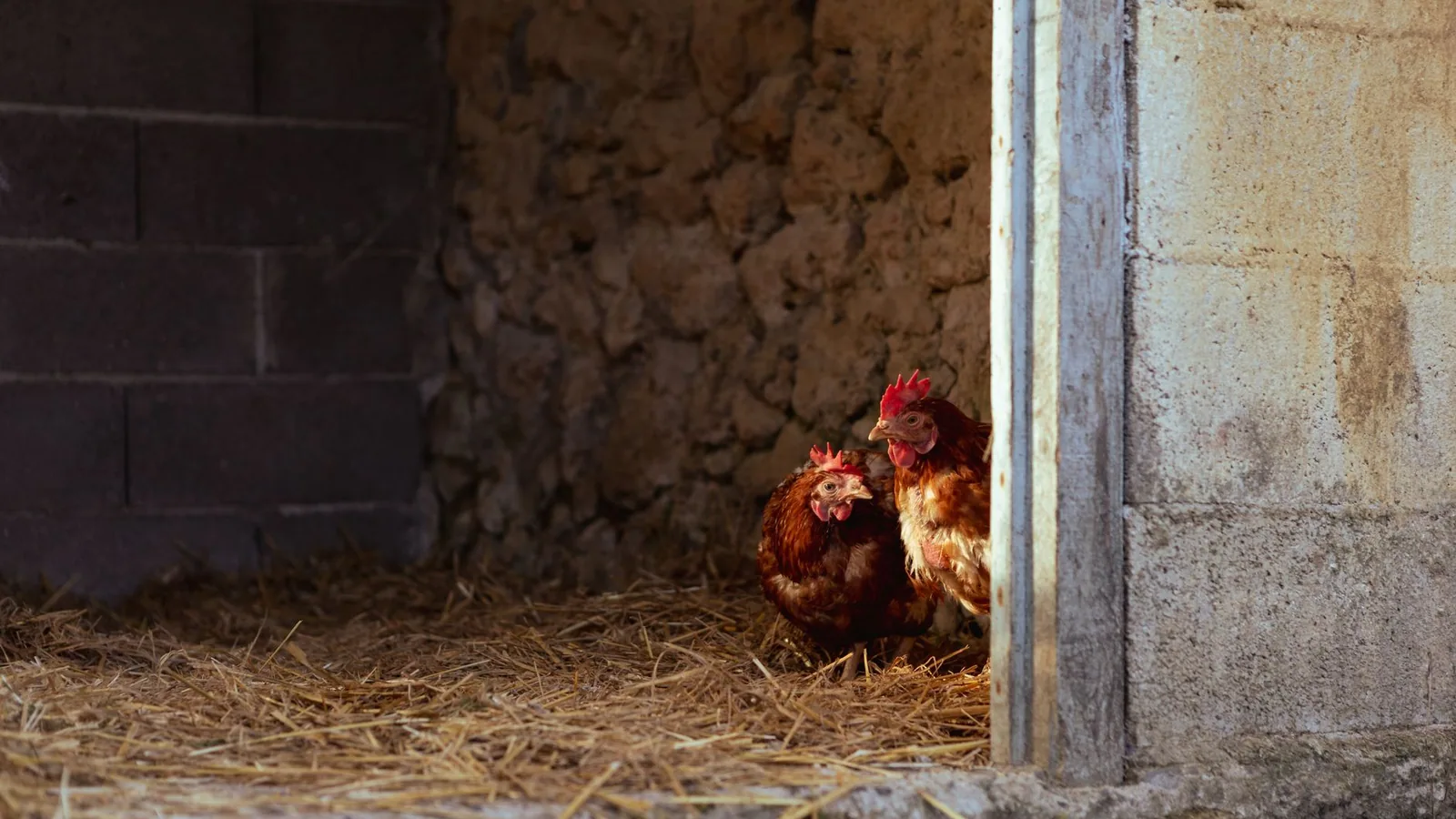
In gallinaceous poultry (chickens, turkeys), HPAI H5N1 infection typically results in peracute to acute disease characterized by depression, decreased feed and water consumption, and sudden death [59, 64]. Clinical signs include cyanosis of the comb and wattles, edema of the head and neck, petechial hemorrhages on the shanks, and neurological deficits such as torticollis, ataxia, and opisthotonos [9, 59]. Respiratory signs (coughing, sneezing, rales) may be present but are often overshadowed by systemic involvement. In laying hens, egg production drops precipitously, and eggs may exhibit shell deformities or loss of pigmentation. Necropsy findings include hemorrhagic tracheitis, pulmonary congestion, hydropericardium, splenomegaly, and petechial hemorrhages on serosal surfaces [9, 59].
Domestic ducks and geese infected with HPAI H5N1 may exhibit a wider spectrum of clinical outcomes, ranging from asymptomatic infection to lethal neurological disease [27, 59]. In scavenging ducks in Bangladesh, clade 2.3.4.4b viruses caused neurological signs including head tremors, circling, and paralysis, with histopathological evidence of non-suppurative encephalitis and gliosis. The variability in clinical presentation among waterfowl complicates passive surveillance and underscores the importance of active virological monitoring [23, 27].
Wild Birds
Clinical manifestations in wild birds vary by species and viral genotype [50, 32]. Mortality events in colonial seabirds, such as terns and gulls, have been associated with acute death without premonitory signs [1, 12]. In contrast, broader passerine and raptor populations may exhibit neurological signs, lethargy, and respiratory distress [50, 70]. Subclinical infections are common in dabbling ducks, which serve as efficient reservoirs for viral dissemination along migratory routes [25, 33].
Clinical Manifestations in Mammalian Species
Pinnipeds and Cetaceans
Pinniped infections with H5N1 clade 2.3.4.4b have been documented in South America, North America, and Europe [18, 27]. Affected animals present with respiratory distress, neurological signs including seizures and disorientation, and high mortality rates in outbreak settings. Necropsy findings include interstitial pneumonia, meningoencephalitis, and myocarditis [18, 35].
Felidae and Canidae
Domestic cats and captive felids (e.g., tigers, leopards) are highly susceptible to HPAI H5N1, likely due to abundant alpha-2,3 sialic acid receptors in the feline respiratory tract. Clinical signs include pyrexia, depression, dyspnea, conjunctivitis, and rapidly progressive neurological dysfunction. Mortality rates in infected domestic cats are high, and horizontal transmission among cats in contact settings has been documented. Canids, including Ezo red foxes in Japan, have been found with H5N1 infection manifesting as neurological disease, with viral antigen detected in brain tissue.
Bovidae
The emergence of H5N1 in dairy cattle represents a novel host range expansion [63, 69]. Clinical signs in affected dairy cows include decreased feed intake, ruminal stasis, pyrexia, and a marked drop in milk production. Milk from infected cows exhibits high viral titers, and mammary gland tissue shows histopathological evidence of necrosis and inflammatory infiltration. The potential for bovine-to-bovine transmission via contaminated milking equipment has been identified as a plausible route of within-herd spread [63, 69].
One Health Surveillance Framework
The term "One Health" refers to the collaborative, multisectoral, and transdisciplinary approach to achieving optimal health outcomes across the human-animal-environment interface [15, 40]. For H5N1, a robust One Health surveillance framework integrates virological monitoring in wild birds, domestic poultry, and at-risk mammalian populations, coupled with real-time genomic data sharing and environmental risk assessment [15, 27, 40].
Surveillance Components
Wild bird surveillance relies on both passive reporting of mortality events and active sampling of apparently healthy birds, particularly along migratory flyways [2, 24, 36]. A taxonomically harmonized global dataset of wild bird hosts has been developed to standardize surveillance efforts and facilitate comparative analyses across regions. Spatiotemporal co-occurrence patterns between migratory birds and H5N1 outbreaks have been modeled to identify high-risk zones for targeted surveillance [25, 55]. Machine learning approaches have been applied to geospatial data to generate global risk maps predicting avian influenza outbreak probability based on environmental, climatic, and anthropogenic variables [11, 31].
Poultry surveillance includes both passive clinical monitoring and active virological testing at multiple points along the production chain, including live bird markets [23, 75]. Systematic reviews have identified risk factors for H5N1 incursion into commercial poultry operations, emphasizing the importance of biosecurity measures such as controlled farm access, boot and vehicle disinfection, and exclusion of wild birds.
Mammalian surveillance has become increasingly important following the detection of H5N1 in dairy cattle and multiple wildlife species [18, 27, 63]. Surveillance programs should include testing of clinical cases in domestic and wild mammals, with particular attention to species that may serve as bridging hosts for transmission to humans [27, 40].
Diagnostic Assays
Molecular diagnostics for H5N1 rely on real-time reverse transcription polymerase chain reaction (RT-PCR) targeting the matrix (M) gene for influenza A identification, followed by subtyping assays specific for H5 and N1 genes [9, 64]. The hemagglutinin cleavage site can be sequenced to distinguish low pathogenicity from high pathogenicity viruses. Whole-genome sequencing using high-throughput sequencers enables detailed phylogenetic and phylogeographic analyses, detection of reassortment events, and identification of molecular markers associated with mammalian adaptation [6, 14, 28, 42]. Serological assays for the detection of nucleoprotein (NP) or HA-specific antibodies may be used for retrospective surveillance in unvaccinated populations. The workflow below illustrates a molecular diagnostic algorithm for H5N1 detection and characterization.
flowchart TD
 A["Clinical sample: oropharyngeal/cloacal swab, tissue, milk"] --> B{RNA extraction}
 B --> C[RT-PCR targeting influenza A M gene]
 C --> D{Ct value < 40?}
 D -- No --> E[Report negative]
 D -- Yes --> F["Subtype RT-PCR: H5 and N1"]
 F --> G[H5 positive and N1 positive?]
 G -- Yes --> H[HA cleavage site sequencing for pathotyping]
 G -- No --> I[Further subtyping for other H/N combinations]
 H --> J{Multibasic cleavage site present?}
 J -- Yes --> K[Classify as HPAI H5N1]
 J -- No --> L[Classify as LPAI or report as untyped]
 K --> M[Whole genome sequencing for phylogenetics and reassortment analysis]
 M --> N[Data submission to public repositories for One Health surveillance]
Vaccine Technologies
Vaccination of poultry against H5N1 is employed in some endemic countries as a component of integrated control strategies [3, 7, 64]. Inactivated whole-virus vaccines and recombinant vector vaccines (e.g., fowlpox virus-vectored HA) are commercially available, though antigenic drift necessitates periodic strain updates [7, 79]. Novel vaccine platforms under development include mRNA vaccines, virus-like particle vaccines, and nanoparticle-based immunogens designed to elicit broadly protective antibody responses [29, 41, 52, 81]. Computationally designed HA proteins displayed on self-assembling nanocages have demonstrated the ability to induce pan-H5 cross-neutralizing antibodies in animal models. Adjuvanted subunit vaccines, such as MF59-adjuvanted A/Astrakhan strain vaccines, have been shown to induce cross-neutralizing antibodies against circulating clade 2.3.4.4b viruses in ferrets. However, the evaluation of vaccine efficacy against emerging genotypes must account for antigenic distance between vaccine strains and field isolates [10, 79]. Antiviral agents, including baloxavir marboxil and neuraminidase inhibitors, have been evaluated for treatment of H5N1 in endangered avian species and mammalian models, with variable efficacy [16, 48, 78].
Environmental and Biophysical Considerations
H5N1 virus survival in the environment is influenced by temperature, pH, humidity, and the presence of organic matter. The virus can remain infectious in water for extended periods at low temperatures and is inactivated by heat (above 60 degrees Celsius for 30 minutes), lipid solvents, and oxidizing agents [17, 30]. Electron beam irradiation has been evaluated as a method for inactivating H5N1 in duck meat, achieving a 4-log reduction at specific doses. Low-concentration gaseous chlorine dioxide has demonstrated virucidal efficacy against airborne H5N1 in experimental settings. Aqueous solutions containing quaternary ammonium cations and sulfobetaine have been reported as effective virucidal agents against HPAI. These environmental stability characteristics have direct implications for biosecurity protocols in poultry production and live bird markets [23, 67].
Data Integration and Computational Modeling
The integration of genomic, epidemiological, and environmental data into open-access databases is essential for real-time monitoring and response [2, 14, 36]. Public databases for tracking H5N1 impacts on albatrosses and petrels exemplify the value of species-specific surveillance platforms. Machine learning and deep learning methods have been applied to heterogeneous data sources, including web-based syndromic surveillance and social media analysis, for early warning of avian influenza outbreaks [31, 54, 76]. Continuous phylogeographic models reconstruct viral dispersal pathways and identify environmental covariates driving spread dynamics at high spatiotemporal resolution. Risk mapping using geographic information systems (GIS) and multi-criteria decision analysis has been implemented at national and regional scales to prioritize surveillance zones and allocate resources efficiently [21, 55].
Ethical and Governance Considerations
The panzootic nature of H5N1 has prompted discussions of zoonoethics, which extends traditional One Health governance frameworks to include co-responsibility among stakeholders across the human-animal-environment interface. Mass culling of infected and potentially exposed poultry remains a cornerstone of outbreak control, but raises ethical questions regarding animal welfare, economic impacts on producers, and environmental consequences of carcass disposal [15, 34]. Mathematical modeling studies have quantified the outbreak potential and the effectiveness of control measures (e.g., stamping out, movement restrictions, vaccination) in high-risk agricultural populations. Public perceptions of H5N1 vaccination and dietary changes have been assessed in urban and rural populations, revealing heterogeneities in acceptance and trust that must be addressed in risk communication strategies.
Conclusions
Avian influenza H5N1, particularly the clade 2.3.4.4b lineage, represents an ongoing panzootic threat with profound implications for poultry production, wildlife conservation, and mammalian health. The unprecedented geographic expansion, host range diversification, and emergence of sustained transmission in dairy cattle underscore the need for integrated, transdisciplinary surveillance systems grounded in molecular diagnostics and genomic epidemiology. A functional One Health framework must incorporate wild bird and mammal surveillance, rapid virological characterization, and transparent data sharing to enable early detection of incursions and informed deployment of control measures.
References
1] Hamunyela E, Coetzee L, Marcacci M, et al. Highly pathogenic avian influenza H5N1 virus outbreak among common terns (Sterna hirundo) in Namibia, 2025-2026. Vet Ital. 2026. 2] Vanstreels RET, Serafini PP, Giacinti J, et al. A public database to monitor the spread and impacts of high pathogenicity avian influenza viruses on albatrosses and petrels. Biodivers Data J. 2026. 3] Brown IH. The Gordon Memorial Lecture: A paradigm shift in high pathogenicity avian influenza and perspectives for the future. Br Poult Sci. 2026. 4] Oremush R, Aubry P, Parmley EJ, et al. Determining the environmental and ecological factors associated with poultry farm spillover of highly pathogenic avian influenza (H5N1) in British Columbia, Canada. Zoonoses Public Health. 2026. 5] Ort JT, Sobel Leonard A, Li SH, et al. Cross-reactive human antibody responses to H5N1 influenza virus neuraminidase are shaped by immune history. Nat Commun. 2026. 6] Crespo-Bellido A, Trovão NS, Puryear W, et al. Emergence of D1.1 reassortant H5N1 avian influenza viruses in North America. bioRxiv. 2026. 7] Rather MA, Aman M, Hassan A, et al. A comprehensive review of vaccine technologies for pandemic preparedness against highly pathogenic avian influenza. Rev Med Virol. 2026. 8] Wang W, Xing J, Jiang H, et al. Human infections with avian influenza A(H5) viruses with potential pandemic risk: 1997-2025. Natl Sci Rev. 2026. 9] Mohammad I, Hajelbashir MI, El-Bidawy MH, et al. Deciphering HPAI influenza A virus (H5N1): Molecular basis of pathogenicity, zoonotic potential, and advances in vaccination strategies. Viruses. 2026. 10] Kim S, Jang EY, Moon SY, et al. Evaluation of cross-immunogenicity of ferret antisera following immunization with H5N1 vaccine strains. Vaccines (Basel). 2026. 11] Jindal M, Lim S, MacIntyre CR. Machine learning-based geospatial risk modeling of global avian influenza outbreaks. Transbound Emerg Dis. 2026. 12] Knief U, Ahrens AK, Allendorf V, et al. Outbreak dynamics of high pathogenicity avian influenza virus H5N1, clade 2.3.4.4b euBB, in black-headed gulls and common terns in Germany in 2023. Avian Pathol. 2026. 13] Segovia K, Rathnasinghe R, Patton C, et al. MF59-adjuvanted A/Astrakhan influenza vaccine induces cross-neutralizing H5N1 antibodies in ferrets against circulating clade 2.3.4.4b viruses. NPJ Vaccines. 2026. 14] Fornasiero D, Mulatti P, Fusaro A, et al. Continuous phylogeography reveals shifting environmental drivers of highly pathogenic avian influenza H5 spread in Italy, 2016-23. Virus Evol. 2026. 15] Lecaros JA, Rodriguez J. Zoonoethics and inclusive One Health governance for H5N1 panzootic: From animal culling to co-responsibility. Public Health Ethics. 2026. 16] Miki M, Shimazu Y, Obara RD, et al. Assessment of a baloxavir marboxil treatment protocol for high pathogenicity avian influenza in Okinawa Rails, an endangered species endemic to Japan. PLoS One. 2026. 17] Jeong HS, Heo GB, An SH, et al. Evaluation of the inactivation of avian influenza virus in duck meat through electron beam irradiation. Food Sci Anim Resour. 2026. 18] Ashley E, Vanstreels RET, Barbieri M, et al. High pathogenicity avian influenza in pinniped conservation. Philos Trans R Soc Lond B Biol Sci. 2026. 19] Wang T, Gu C, Guan L, et al. Lack of respiratory droplet transmission of two recent human influenza A(H5N1) viruses in female ferrets. Int J Infect Dis. 2026. 20] Zuber MJ, Brown CL, Janusz CB. Avian influenza H5N1 infection during pregnancy: Preparing for the next flu pandemic and improving perinatal outcomes. Viruses. 2026. 21] Boudouma F, Hajji H, Ducatez M, et al. Spatial risk mapping of highly pathogenic avian influenza in Morocco using geographic information system and multi-criteria decision analysis: Implications for targeted surveillance and control. Vet World. 2025. 22] Morioka M, Takeda Y, Ohnishi M, et al. Virucidal multipurpose aqueous solution containing quaternary ammonium cation and sulfobetaine is effective against highly pathogenic avian influenza viruses. Bioorg Med Chem Lett. 2026. 23] Jiang M, Wang J, Hou Y, et al. Comparative and predictive analysis of avian influenza in live bird markets of the Poyang Lake region: A long-term monitoring study. Virol J. 2026. 24] Petie R, Costa EF, Kampichler C, et al. Identifying avian influenza hotspots in wild birds in the Netherlands. PLoS One. 2026. 25] Ma J, Wang YH, Qiu YB, et al. A global dataset of spatiotemporal co-occurrence patterns of avian influenza virus-associated migratory birds. Sci Data. 2026. 26] Steinfurth A, Lynton-Jenkins JG, Cleeland J, et al. Investigating high pathogenicity avian influenza virus incursions to remote islands: Detection of H5N1 on Gough Island in the South Atlantic Ocean. Emerg Microbes Infect. 2026. 27] Bruno L, Nappo MA, Frontoso R, et al. Avian influenza viruses: Global panzootic, host range expansion and emerging One-Health threats. Vet Sci. 2026. 28] Ye Y, Shuai H, Song Y, et al. Genomic features associated with sustained mammalian transmission of avian influenza A viruses. Nat Microbiol. 2026. 29] Puente-Massaguer E, Galdino Andrade T, Scherm MJ, et al. An H5N1 clade 2.3.4.4b virus vaccine that elicits cross-protective antibodies against conserved domains of H5 and N1 glycoproteins. Nat Commun. 2026. 30] Hew YL, Isoda N, Miura T, et al. Evaluation of the efficacy of low-concentration gaseous chlorine dioxide in inactivating airborne H5 high pathogenicity avian influenza virus in vivo model. Food Environ Virol. 2026. 31] Movahedi Nia Z, Bragazzi N, Gizo I, et al. Integrating deep-learning methods and web-based data sources for surveillance, forecasting and early warning of avian influenza. J R Soc Interface. 2026. 32] Couty M, Guinat C, Fornasiero D, et al. The role of wild birds in the global highly pathogenic avian influenza H5 panzootic, 2020-2023. NPJ Biodivers. 2026. 33] Mursel S, Davison BD, McAndrew T, et al. Spatiotemporal dynamics of avian influenza: Understanding avian influenza transmission via mallard migration data. Interdiscip Perspect Infect Dis. 2025. 34] Avkan I, Gokool S, Smith LE, et al. Quantifying H5N1 outbreak potential and control effectiveness in high-risk agricultural populations. PLOS Glob Public Health. 2025. 35] Panova AS, Gudymo AS, Kolosova NP, et al. Genotype A3 influenza A(H5N1) isolated from fur seals shows high virulence in mammals, but not airborne transmission. Sci Rep. 2025. 36] Du F, Zhang Q, Cheng Y, et al. A taxonomically harmonized global dataset of wild bird hosts for avian influenza virus surveillance. Sci Data. 2025. 37] Peña-Hernández MA, Moriyama M. Immunological and virological questions for H5N1 pandemic emergence. Immunohorizons. 2025. 38] Gonelli CA, Koutsakos M, Esterbauer R, et al. Low-level human memory T and B cells recognising avian influenza hemagglutinins are poorly responsive to existing seasonal influenza vaccines. Clin Transl Immunology. 2025. 39] Alzua GP, León AN, Yellin T, et al. Human monoclonal antibodies that target clade 2.3.4.4b H5N1 hemagglutinin. Nat Commun. 2025. 40] Chou TN, Naumova EN, Gass JD Jr. Highly pathogenic avian influenza: A One Health perspective on risks, surveillance, and resilience. Immunohorizons. 2025. 41] Hatta M, Brock N, Hauguel T, et al. Influenza mRNA vaccine reduces pathogenicity and transmission of A(H5N1) virus in a ferret model. NPJ Vaccines. 2025. 42] Rivetti AV Jr, Reischak D, Carnegie L, et al. Genomic diversity and reassortment of highly pathogenic avian influenza A/H5N1 virus (clade 2.3.4.4b) in Brazil: Evidence of multiple introductions and intra-epidemic reassortment in 2025. Virology. 2026. 43] Shichinohe S, Hiono T, Itoh Y, et al. Characterization of H5N1 high pathogenicity avian influenza virus belonging to clade 2.3.4.4b isolated from Ezo red fox in Japan in a mouse model. Microbiol Spectr. 2026. 44] Qadir MF, Yang Y. Overcoming challenges in avian influenza diagnosis: The role of surface-enhanced Raman spectroscopy in poultry health monitoring. Vet Sci. 2025. 45] Shandhi SS, Rahman M, Shahriar M, et al. The next disease X: H5N6 avian influenza's evolving threat to human health and chances of future global outbreak: A narrative review. Health Sci Rep. 2025. 46] Blais-Savoie J, Halajian E, Nirmalarajah K, et al. Examining the threat of H5N1 highly pathogenic avian influenza to human health. Chest. 2026. 47] Xu R, Gao M, Zhang N, et al. Transcontinental spread of HPAI H5N1 from South America to Antarctica via avian vectors. Viruses. 2025. 48] Anastassopoulou C, Panagiotopoulos AP, Ranellou K, et al. Antiviral strategies against H5N1: Current options and emerging therapeutics. Infection. 2026. 49] Schlachter AD, Bruno-McClung E, Díaz-Delgado J, et al. Feline high pathogenicity avian influenza H5N1 infection: Past and present. J Feline Med Surg. 2025. 50] Plaza P, Santangeli A, Rosciano N, et al. Wild birds affected by highly pathogenic avian influenza A (H5N1) worldwide: Epidemiological insights into the recent panzootic. Glob Chang Biol. 2025. 51] Zhu B, Fung K, Feng HH, et al. The hemagglutinin proteins of clades 1 and 2.3.4.4b H5N1 highly pathogenic avian influenza viruses exhibit comparable attachment patterns to avian and mammalian tissues. bioRxiv. 2025. 52] Pardini A, Rothen DA, Krenger PS, et al. Versatile and scalable nanoparticle vaccine as a scaffold against newly emerging influenza viruses. Viruses. 2025. 53] Chrzastek K, Lieber CM, Plemper RK. H5N1 clade 2.3.4.4b: Evolution, global spread, and host range expansion. Pathogens. 2025. 54] Pang O, Movahedi Nia Z, Gillies M, et al. Analyzing Reddit social media content in the United States related to H5N1: Sentiment and topic modeling study. J Med Internet Res. 2025. 55] Wu HI, Chao DY. Assessing the spatial risk of wild birds in avian influenza transmission using global risk score. Sci Rep. 2025. 56] Billington E, Di Genova C, Warren CJ, et al. Investigating factors driving shifts in subtype dominance within H5Nx clade 2.3.4.4b high pathogenicity avian influenza viruses. J Gen Virol. 2025. 57] Hada A, Xiao Z. T cell responses to influenza infections in cattle. Viruses. 2025. 58] Li H, Ren R, Bai W, et al. A review of avian influenza virus exposure patterns and risks among occupational populations. Vet Sci. 2025. 59] Parvin R, Helal SB, Uddin MM, et al. Emerging highly pathogenic avian influenza H5N1 clade 2.3.4.4b causes neurological disease and mortality in scavenging ducks in Bangladesh. Vet Sci. 2025. 60] Guo Y, Shu S, Zhou Y, et al. An emerging PB2-627 polymorphism increases the zoonotic risk of avian influenza virus by overcoming ANP32 host restriction in mammalian and avian hosts. J Virol. 2025. 61] Hu M, Luo N, Wang B, et al. Flu-CNN: Identifying host specificity of influenza A virus using convolutional networks. Hum Genomics. 2025. 62] Azeem RM, Yang YS, Sehrish S, et al. Emerging threats of H5N1 clade 2.3.4.4b: Cross-species transmission, pathogenesis, and pandemic risk. Front Cell Infect Microbiol. 2025. 63] Bayoumi M, Barre RS, Escobedo RA, et al. Identification of amino acid residues in polymerase PB2 responsible for differential replication and pathogenicity of avian influenza virus H5N1 isolated from human and cattle in Texas, US. Emerg Microbes Infect. 2025. 64] Simancas-Racines A, Reytor-González C, Toral M, et al. H5N1 avian influenza: A narrative review of scientific advances and global policy challenges. Viruses. 2025. 65] Šolaja S, Glišić D, Veljović L, et al. Phylogeographic analysis of clade 2.3.4.4b H5N1 in Serbia reveals repeated introductions and spread across the Balkans. Pathogens. 2025. 66] Tan TK, Rijal P, Huang KA, et al. Single-cycle, pseudotyped reporter influenza virus to facilitate evaluation of treatment strategies for avian influenza, Ebola and other highly infectious diseases in vivo. Front Immunol. 2025. 67] Soka S, Mayengo M, Kgosimore M. Modeling the effects of contaminated environments on the transmission dynamics of avian influenza in humans and domestic birds. Comp Immunol Microbiol Infect Dis. 2025. 68] Piltch-Loeb R, White TM, Wyka K, et al. Urban and rural perceptions of potential H5N1 vaccination and dietary changes in the United States. J Health Commun. 2025. 69] Faccin FC, Gay LC, Regmi D, et al. Experimental infection and viral pathogenesis of a human isolate of H5N1 highly pathogenic avian influenza strain in Jersey cows. Res Sq. 2025. 70] Hirschinger J, Höfle U, Sánchez-Cano A, et al. Multidisciplinary tracking of highly pathogenic avian influenza A(H5N1) outbreak in griffon vultures, southern Europe, 2022. Emerg Infect Dis. 2025. 71] Biswas A, Eisfeld AJ, Guan L, et al. Susceptibility and shedding in Mx1(+) and Mx1(-) female mice experimentally infected with dairy cattle A(H5N1) influenza viruses. EBioMedicine. 2025. 72] Huang X, Yu D, Pan L, et al. Increase in H5N1 vaccine antibodies confers cross-neutralization of highly pathogenic avian influenza H5N1. Nat Commun. 2025. 73] Poddar A, Rao SR. India's public health risk from the emerging zoonotic bird flu (H5N1) transmission from backyard flock: A call for people-centric actions for improved sustainable development goals. Trop Anim Health Prod. 2025. 74] Chen PR, White SN, Walker LR, et al. Genetic resilience or resistance in poultry against avian influenza virus: Mirage or reality? J Virol. 2025. 75] Gkrinia EMM, Kohnle L, Atchison CJ, et al. Factors associated with avian influenza infections in indoor commercial poultry farm settings: A systematic review. Prev Vet Med. 2025. 76] Shafi M, Shabir S, Jan S, et al. The role of artificial intelligence in detecting avian influenza virus outbreaks: A review. Open Vet J. 2025. 77] Rather MA, Gul I, Aman M, et al. Understanding the pandemic potential of the avian influenza virus: Key insights into pathogenesis, transmission, and host immunity. Arch Microbiol. 2025. 78] Kiso M, Uraki R, Yamayoshi S, et al. Efficacy of baloxavir marboxil against bovine H5N1 virus in mice. Nat Commun. 2025. 79] Tabynov K, Kuanyshbek A, Zharmambet K, et al. Evaluation of commercial vaccines for efficacy and transmission control against the emergent H5N8 (clade 2.3.4.4b) avian influenza virus in Kazakhstan. Virology. 2025. 80] Isoda N, Hiono T, Hew YL, et al. Dynamics of high pathogenicity avian influenza virus infection with multiple introductions in a crow flock in an urban park in Hokkaido, Japan. Comp Immunol Microbiol Infect Dis. 2025. 81] Huang CQ, Hills RA, Carnell GW, et al. Computationally designed haemagglutinin with nanocage plug-and-display elicits pan-H5 influenza vaccine responses. Emerg Microbes Infect. 2025.
Disclaimer: This article is for educational and informational purposes only. It is not intended to substitute for professional veterinary advice, diagnosis, treatment, or regulatory guidance. Always consult a licensed veterinarian or qualified specialist regarding animal health, disease diagnosis, and therapeutic decisions.