
Livestock Infectious Diseases and Zoonoses: A One Health Overview
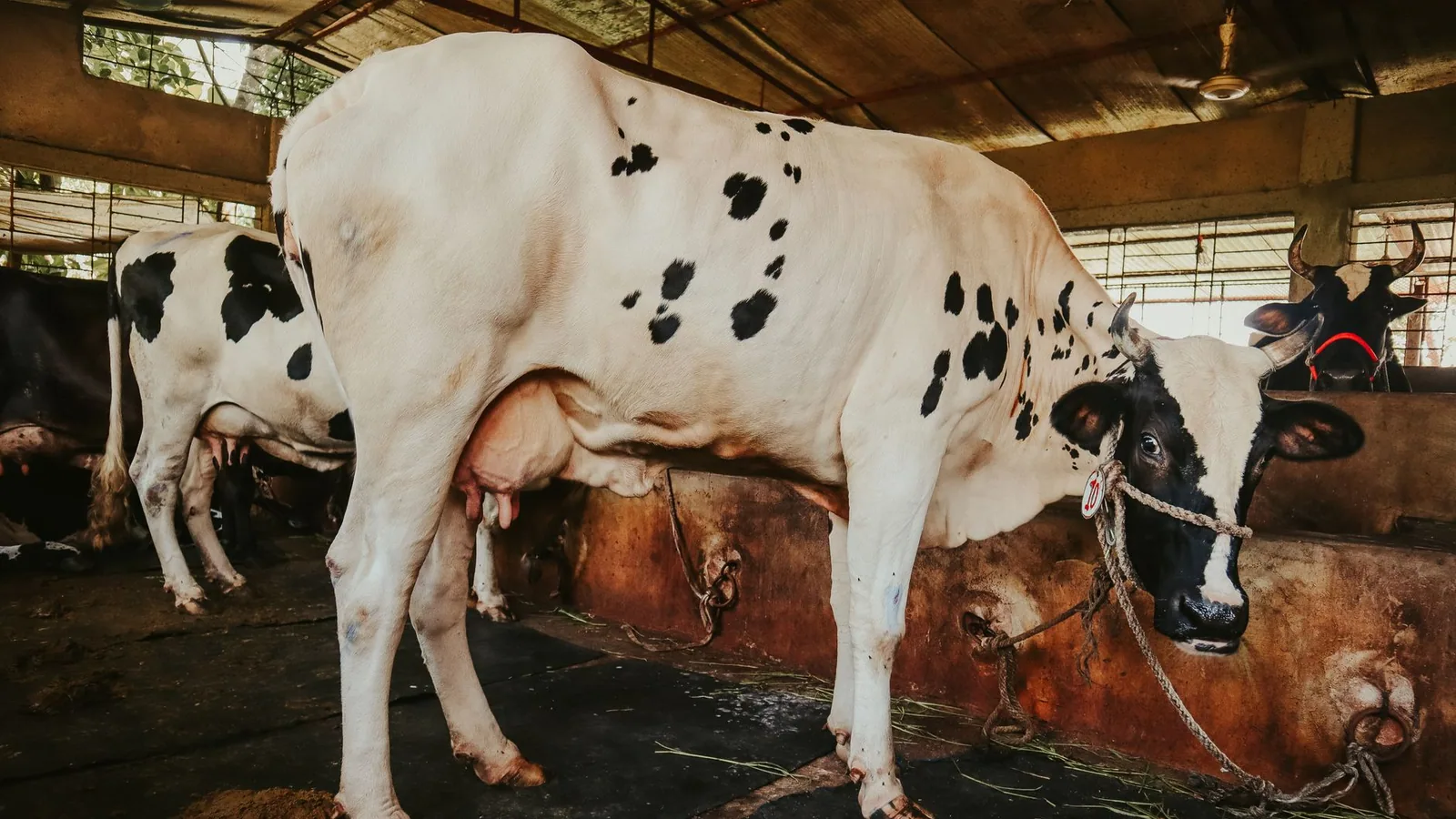
The One Health framework explicitly acknowledges the interdependence of human, animal, and environmental health, with livestock populations serving as critical reservoirs for numerous bacterial pathogens that cause zoonotic disease [78, 90, 104]. Livestock production systems, ranging from extensive pastoralism to intensive industrial units, create interfaces where pathogen transmission can occur between animals, humans, and shared ecosystems [72, 104]. This review provides a structured examination of the major bacterial diseases affecting livestock that possess zoonotic potential, with emphasis on pathogenesis, diagnostic detection, antimicrobial resistance (AMR), and integrated surveillance strategies.
Bacterial Pathogens of Major Livestock Significance
Brucellosis
Brucellosis, caused by Brucella abortus, B. melitensis, and B. suis, remains one of the most important bacterial zoonoses globally, particularly in regions with endemic small ruminant and cattle production [78, 81, 98]. In cattle, B. abortus localises to the reproductive tract, leading to placentitis, abortion storms, and shedding in milk and vaginal secretions [52, 68]. B. melitensis is the predominant cause of caprine and ovine brucellosis and is frequently implicated in human cases in the Mediterranean, Middle East, and Central Asia [81, 106]. Camel brucellosis, caused by both B. abortus and B. melitensis, poses additional zoonotic risk in arid pastoral systems. Genomic tracing combined with epidemiological investigation can reveal concealed transmission networks, as demonstrated in a Shandong, China outbreak where whole-genome sequencing of Brucella isolates linked farm-level cases to human clusters. Spatiotemporal modelling of human brucellosis in Xinjiang, China, has further underscored the predictive value of integrating livestock disease surveillance data.
Leptospirosis
Leptospirosis, caused by pathogenic Leptospira serovars, is a ubiquitous zoonosis maintained by livestock, rodents, and feral swine [1, 87]. Cattle act as maintenance hosts for serovar Hardjo, which is shed in urine and can survive in moist environments for weeks. A systematic review and meta-analysis adopting a One Health field approach confirmed that livestock seropositivity is a significant predictor of human infection risk, especially in tropical and subtropical regions. In Puerto Rico, Leptospira infection was detected in both domestic livestock and feral swine, highlighting the role of free-ranging populations as environmental amplifiers [1].
Anthrax
Bacillus anthracis, the causative agent of anthrax, is a spore-forming bacterium that persists in soil for decades and causes peracute septicemia in herbivores, primarily cattle, sheep, and goats [49, 78]. Outbreaks are often linked to soil disturbance, heavy rainfall, or drought, which bring spores to the surface. Analysis of anthrax public health emergencies in China from 2004 to 2023 demonstrated a clear seasonal pattern and correlation with livestock vaccination coverage gaps.
Q Fever
Coxiella burnetii, the agent of Q fever, is an obligate intracellular bacterium that predominantly infects cattle, sheep, and goats. Parturient animals shed extremely high numbers of organisms in birth fluids and placenta, and the bacterium is highly aerosol-infectious. Seroprevalence surveys in dromedary camels have also detected Coxiella antibodies, expanding the known host range. In Mongolian livestock, C. burnetii is one of the major zoonotic pathogens identified.
Bovine Tuberculosis
Mycobacterium bovis is the primary causative agent of bovine tuberculosis (bTB) and a significant zoonotic pathogen transmitted via aerosols or unpasteurised milk [2, 78]. In multi-host systems, wildlife reservoirs such as badgers and white-tailed deer complicate eradication efforts [2]. Shedding-weighted network approaches using camera trap data have elucidated how contact patterns between cattle and wildlife influence M. bovis transmission dynamics, informing targeted culling and vaccination strategies [2].
Pasteurellosis
Pasteurella multocida is a commensal of the upper respiratory tract in livestock and poultry that can cause haemorrhagic septicemia in cattle and buffalo, pneumonic pasteurellosis in sheep and goats, and fowl cholera in avian species [3]. Genomic and phenotypic analysis of ovine P. multocida isolates has revealed a diverse repertoire of virulence-associated genes and increasing AMR [3]. Cross-link: Avian Cholera in Waterfowl.
Salmonellosis
Non-typhoidal Salmonella serovars, particularly S. Enteritidis and S. Typhimurium, are major foodborne zoonoses associated with poultry, swine, and cattle [4, 78]. Livestock act as asymptomatic carriers, shedding bacteria in faeces and contaminating carcasses at slaughter [4]. A comprehensive analysis of AMR patterns in veterinary bacterial pathogens, including Salmonella, identified high prevalence of resistance to tetracyclines and sulphonamides, with significant variation between livestock species [4]. Cross-link: Salmonella in Chickens.
Listeriosis
Listeria monocytogenes is a foodborne pathogen that causes encephalitis (circling disease) and abortion in ruminants, especially when fed contaminated silage [73, 78]. The dominant clinical CC87 clone in China has shown evolutionary diversification and expansion, with evidence of increased virulence and antimicrobial resistance gene acquisition. Cross-link: Listeria monocytogenes: Circling Disease in Ruminants.
Glanders
Burkholderia mallei, the agent of glanders, is a notifiable zoonotic pathogen primarily affecting horses, donkeys, and mules, with sporadic transmission to humans [76, 103]. The disease has re-emerged in several regions due to inadequate surveillance. Sequence-based detection and typing procedures, including multi-locus sequence typing and whole-genome sequencing, have been developed to improve diagnostic specificity and traceback capacity.
Zoonotic Transmission Pathways and Risk Factors
Zoonotic transmission of livestock-associated bacteria occurs through multiple routes: direct contact with infected animals or their tissues, inhalation of contaminated aerosols, consumption of unpasteurised milk or undercooked meat, and environmental contamination of water or soil [78, 104]. Occupational exposure among farmers, veterinarians, and slaughterhouse workers carries the highest risk [68, 104]. Anthropogenic drivers such as agricultural intensification, deforestation, and climate change are amplifying spillover risks [5, 104]. In Southeast Asia, the expansion of livestock production into wildlife habitats has created novel interfaces for pathogen exchange. A comprehensive review of anthropogenic actions as drivers identified land-use change, wildlife trade, and intensification of animal husbandry as primary factors increasing zoonotic emergence.
Antimicrobial Resistance in Livestock-Associated Bacteria
The misuse of antibiotics in livestock production drives the selection and dissemination of AMR determinants that can be transferred to human pathogens via mobile genetic elements [4, 92]. Key resistant organisms of concern include methicillin-resistant Staphylococcus aureus (MRSA) clonal complex 398, extended-spectrum beta-lactamase (ESBL)-producing Escherichia coli, and multidrug-resistant Salmonella [6, 4]. Genomic evolution and expansion of MRSA CC398 from livestock-associated to healthcare- and community-associated settings have been documented, underscoring the bidirectional nature of AMR spread [6]. Integrated surveillance systems for antibiotic resistance within a One Health context require harmonised sampling and data-sharing platforms across human, animal, and environmental sectors. A unified framework for mapping international drug classifications (ATC and ATCvet) has been proposed to facilitate cross-sectoral AMR research [7]. Cross-link: Antimicrobial Resistance in Livestock-Associated Staphylococcus aureus.
Diagnostic and Surveillance Approaches Under One Health
Accurate and timely detection of bacterial pathogens is essential for both clinical management and epidemiological surveillance. Molecular diagnostics, including PCR and isothermal amplification methods, offer high sensitivity and specificity for livestock samples [8, 57]. A versatile loop-mediated isothermal amplification (LAMP) assay using phenol red and lateral flow dipstick has been developed for on-site detection of Riemerella anatipestifer, a pathogen of ducks and poultry [8]. For glanders, sequence-based typing remains the gold standard for definitive identification and source tracing. Serological methods, such as an ELISA for detecting antibodies to field strains of bovine infectious rhinotracheitis virus (a viral disease but illustrative of antibody-based surveillance), can be adapted for bacterial targets. Multiplex serological profiling using protein microarrays enables simultaneous detection of antibodies against multiple zoonotic agents in livestock sera, as demonstrated for influenza A virus in swine.
Surveillance systems that integrate wildlife and environmental sampling are increasingly recognised as critical for early warning [9, 94]. In the Democratic Republic of the Congo, a One Health surveillance system was implemented that combined livestock health reports, wildlife mortality monitoring, and human clinical data [9]. The WILDbase initiative aims to standardise wildlife disease surveillance across Europe, providing a common database for pathogen detection in wild animals that interface with livestock. Kenya's animal health surveillance system has evolved to incorporate syndromic reporting and laboratory confirmation, enhancing its capacity for efficient zoonosis detection.
flowchart TD
 A[Livestock Health Monitoring] --> B[Clinical Examination & Necropsy]
 B --> C["Sample Collection: Blood, Faeces, Milk, Tissues"]
 C --> D[Laboratory Diagnostics]
 D --> E["Direct Detection: PCR, LAMP, Culture"]
 D --> F["Indirect Detection: Serology ELISA, CFT"]
 E & F --> G[Pathogen Characterisation]
 G --> H[Genomic Sequencing & AMR Profiling]
 H --> I[Data Integration]
 I --> J[One Health Surveillance Platform]
 K[Wildlife Surveillance] --> I
 L[Environmental Monitoring] --> I
 M[Human Health Data] --> J
 J --> N[Risk Assessment & Early Warning]
 N --> O["Control Measures: Vaccination, Biosecurity, Movement Restriction"]
 O --> A
Table 1 summarises the key bacterial zoonotic diseases of livestock, their primary reservoirs, and diagnostic approaches.
| Disease | Causative Agent | Primary Livestock Reservoir | Key Diagnostic Methods | Selected References |
|---|---|---|---|---|
| Brucellosis | Brucella abortus, B. melitensis | Cattle, sheep, goats, camels | Culture, serology (RBPT, ELISA), PCR, WGS | [52, 68, 78, 81, 98, 106] |
| Leptospirosis | Leptospira serovars | Cattle, swine, rodents | Microscopic agglutination test, PCR, culture | [1, 87] |
| Anthrax | Bacillus anthracis | Cattle, sheep, goats | Microscopy, culture, PCR, ELISA | [49, 78] |
| Q Fever | Coxiella burnetii | Cattle, sheep, goats, camels | Serology (IFA, ELISA), PCR | [71, 78] |
| Bovine Tuberculosis | Mycobacterium bovis | Cattle, deer, badgers | Interferon-gamma assay, PCR, culture, WGS | [2, 78] |
| Pasteurellosis | Pasteurella multocida | Cattle, buffalo, poultry, sheep | Culture, PCR, virulence genotyping | [3] |
| Salmonellosis | Non-typhoidal Salmonella | Poultry, swine, cattle | Culture, serotyping, AMR phenotyping, WGS | [4, 78] |
| Listeriosis | Listeria monocytogenes | Ruminants (sheep, cattle) | Culture, PCR, MLST, WGS | [73, 78] |
| Glanders | Burkholderia mallei | Horses, donkeys, mules | Serology (CFT, ELISA), PCR, MLST, WGS | [76, 103] |
| MRSA | Staphylococcus aureus CC398 | Swine, poultry, cattle | Culture, mecA PCR, spa typing, WGS | [6, 4] |
Future Directions and Control
Sustainable control of livestock zoonoses requires a combination of vaccination, biosecurity, herd management, and antimicrobial stewardship [10, 4, 48]. Immunoinformatics-based design of chimeric proteins has shown promise for developing broad-spectrum foot-and-mouth disease virus vaccines, while live triple-gene-deleted vaccines for bovine herpesvirus type 1 are being evaluated for safety and efficacy in cattle [11, 10]. Air filtration systems in swine breeding herds significantly reduced the incidence of porcine reproductive and respiratory syndrome virus, demonstrating that engineering controls can limit airborne pathogen transmission. Climate change is projected to alter the distribution of vector-borne bacterial diseases such as anaplasmosis and ehrlichiosis, necessitating adaptive surveillance strategies [5, 74]. The integration of computational modelling with field epidemiology, including Bayesian within-host models and spatiotemporal clustering, enhances predictive capacity for outbreak forecasting [12, 52]. Strengthening national and regional One Health surveillance architectures, as proposed for Nepal and Southeast Asia [13], is essential for pandemic preparedness against emerging zoonotic threats.
References
[1] Dirsmith KL, Nally JE, Sutherland G et al. Leptospira Species Infection and Seropositivity in Domestic Livestock and Feral Swine in Puerto Rico. Transbound Emerg Dis. 2026. URL: https://pubmed.ncbi.nlm.nih.gov/42211728/
[2] Barroso P, Silk MJ, Perelló A et al. Shedding-weighted network approaches for understanding tuberculosis maintenance in multihost systems using camera traps. Ecol Appl. 2026. URL: https://pubmed.ncbi.nlm.nih.gov/42244255/
[3] Wang Z, Wang L, Zhu C et al. Virulence and antibiotic resistance characteristics of Pasteurella multocida from sheep: integrated genomic and phenotype analysis. World J Microbiol Biotechnol. 2026. URL: https://pubmed.ncbi.nlm.nih.gov/42243567/
[4] Popa I, Iancu I, Popa SA et al. Antimicrobial Resistance in Veterinary Bacterial Pathogens: Resistance Patterns, Zoonotic Risks and One Health Implications. Pathogens. 2026. URL: https://pubmed.ncbi.nlm.nih.gov/42198651/
[5] Abdi AM, Mohamud OM, Iman MI et al. Somalia's Drought-Disease Spiral: Climate Shocks as an Emerging Public Health Security Threat. Risk Manag Healthc Policy. 2026. URL: https://pubmed.ncbi.nlm.nih.gov/42199363/
[6] Tkadlec J, Rozsypalkova A, Polivkova S et al. Beyond livestock: the genomic evolution and expansion of MRSA CC398 as a healthcare- and community-associated pathogen (2017-2024). Microb Genom. 2026. URL: https://pubmed.ncbi.nlm.nih.gov/42227988/
[7] Daligault M, Caron F, Leon A et al. Unified framework for human and veterinary antibiotics: mapping international drug classifications (ATC and ATCvet) to support antimicrobial resistance research. Front Vet Sci. 2026. URL: https://pubmed.ncbi.nlm.nih.gov/42182927/
[8] Wu J, Jiang N, Liang Q et al. A Comprehensive Visual Detection Strategy: Versatile LAMP Assay with Phenol Red and Lateral Flow Dipstick for On-Site Detection of Riemerella anatipestifer. Microorganisms. 2026. URL: https://pubmed.ncbi.nlm.nih.gov/42197423/
[9] Kinzie PR, Lombe B, Merritt S et al. Implementation of a One Health Surveillance System in the Democratic Republic of the Congo. Ecohealth. 2026. URL: https://pubmed.ncbi.nlm.nih.gov/42251628/
[10] Elrashedy A, Nayel M, Salama A et al. Immunoinformatics-based design of artificial chimeric proteins as universal vaccine candidates against foot-and-mouth disease virus serotypes A, O, and SAT2. Sci Rep. 2026. URL: https://pubmed.ncbi.nlm.nih.gov/42265219/
[11] Gu Y, Duan H, Ji C et al. Development and Immune Efficacy Evaluation of Two Live Triple-Gene-Deleted Vaccine Candidates Against Bovine Herpesvirus Type 1. Animals (Basel). 2026. URL: https://pubmed.ncbi.nlm.nih.gov/42278041/
[12] Majumder A, Westrich JA, McNulty E et al. Mechanistic insights into Bluetongue virus immunodynamics: a Bayesian within-host modelling approach. J R Soc Interface. 2026. URL: https://pubmed.ncbi.nlm.nih.gov/42303268/
[13] Sleeman JM, Newman SH, Baker CR et al. Scaling up the integration of the environment and wildlife sectors for enhanced One Health outcomes in Southeast Asia. One Health Outlook. 2026. URL: https://pubmed.ncbi.nlm.nih.gov/42204641/
[14] Ohouko OFH, Koudouvo K, Noudeke ND et al. Risk factors associated with the occurrence of African swine fever in Benin. Trop Anim Health Prod. 2026. URL: https://pubmed.ncbi.nlm.nih.gov/42307663/
[15] Bold B, Andrus PS, Bayasgalan C et al. Molecular evidence of Echinococcus canadensis (G6/G7) predominance in Mongolian livestock and its implications for control. PLoS Negl Trop Dis. 2026. URL: https://pubmed.ncbi.nlm.nih.gov/42296161/
[16] Shah SFA, Tharwat M, Rehman A et al. The impact of bacterial and viral diseases on dromedary camel (Camelus dromedarius) welfare: a comprehensive review. Front Vet Sci. 2026. URL: https://pubmed.ncbi.nlm.nih.gov/42290783/
[17] Yang Q, Cao Y, Yuan J et al. A rapid and specific strategy for detecting Orientobilharzia turkestanicum, a water-associated schistosome of veterinary and environmental concern. Water Res. 2026. URL: https://pubmed.ncbi.nlm.nih.gov/42284937/
[18] Zhao X, Zhuo C, Zhang C et al. Molecular characterization and pathogenicity of a HP-like PRRSV strain and a NADC30 recombinant strain. Microb Pathog. 2026. URL: https://pubmed.ncbi.nlm.nih.gov/42276529/
[19] Marques M, Wong YX, Sun Z et al. The assembly of stress granules during foot-and-mouth disease virus infection is uncoupled from activation of cellular intrinsic antiviral signalling. PLoS Pathog. 2026. URL: https://pubmed.ncbi.nlm.nih.gov/42275447/
[20] Zhao X, Liao Q, Wang D et al. Multimodal animal health monitoring in extensive livestock production systems. Front Vet Sci. 2026. URL: https://pubmed.ncbi.nlm.nih.gov/42267351/
[21] Ren T, Li P, Liu M et al. The 3'Untranslated region is a critical determinant of Getah virus replication, pathogenesis, and vector competence. Virulence. 2026. URL: https://pubmed.ncbi.nlm.nih.gov/42262762/
[22] McHugo GP, Ward JA, Ng'ang'a SI et al. Integrative Genomics Identifies Candidate Genes Underlying Trypanotolerance in Hybrid African Cattle. Evol Appl. 2026. URL: https://pubmed.ncbi.nlm.nih.gov/42253483/
[23] Shamsi S, Barton DP. Reconsidering the risks of Linguatula in Australia: A review of an overlooked introduced parasite. Parasitol Res. 2026. URL: https://pubmed.ncbi.nlm.nih.gov/42249184/
[24] Seidi S, Latifian M, Moradkasani S et al. Prevalence of tick-borne pathogens in ixodid ticks collected from domestic animals in southeast Iran. New Microbes New Infect. 2026. URL: https://pubmed.ncbi.nlm.nih.gov/42238846/
[25] Cao Y, Zhang J, Yoo D et al. Swine TRIM25 inhibits vesicular stomatitis virus replication by activation of type I IFN signaling pathway and binding vRNA. J Vet Sci. 2026. URL: https://pubmed.ncbi.nlm.nih.gov/42225600/
[26] Kheninef A, Bellini I, Rondòn S et al. Echinococcus granulosus sensu stricto hydatid cysts in human and livestock from northeastern Algeria: molecular characterization based on nad5 and cox1 and fertility assessment. Parasitol Res. 2026. URL: https://pubmed.ncbi.nlm.nih.gov/42223666/
[27] Hughes A, Laporta GZ, Dye-Braumuller K et al. Deforestation's impact on Brazilian Culex mosquitoes and arboviral spillover risk. Acta Trop. 2026. URL: https://pubmed.ncbi.nlm.nih.gov/42217557/
[28] Li S, Yao Z, Yang Q et al. Dietary mannan oligosaccharide effectively alleviates the lung and intestinal damages in the SIV-infected piglets caused by AFB1. Vet Microbiol. 2026. URL: https://pubmed.ncbi.nlm.nih.gov/42217260/
[29] Li F, Ren C, Liu W et al. Divergent immunometabolic landscapes of chicken and swan goose identify SERPINF2 as a novel restriction factor for influenza A virus. Virol J. 2026. URL: https://pubmed.ncbi.nlm.nih.gov/42216012/
[30] Beyit AD, Sadeghi B, Barry Y et al. Short Report: Update on CCHFV Seroprevalence in Mauritanian Camels and Cattle Sampled Between 2020 and 2021. Trop Med Int Health. 2026. URL: https://pubmed.ncbi.nlm.nih.gov/42215255/
[31] Gupta N, Smielewska A, Felix Drexler J et al. Avian Influenza in Humans: Virology, Transmission, and Clinical Priorities. QJM. 2026. URL: https://pubmed.ncbi.nlm.nih.gov/42213088/
[32] Garrett KB, Barton EP, Brown JD et al. Pulmonary echinococcosis caused by Echinococcus canadensis G8 in a white-tailed deer (Odocoileus virginianus), Pennsylvania, USA, 2026. One Health. 2026. URL: https://pubmed.ncbi.nlm.nih.gov/42211531/
[33] Edet UO, Ali MZ, Ubi BI et al. First Comprehensive Global Bibliometric Analysis of Monkeypox Virus Research Landscape From 1976 to 2025. Can J Infect Dis Med Microbiol. 2026. URL: https://pubmed.ncbi.nlm.nih.gov/42200106/
[34] Chen D, Zhou J, Ma Q et al. Multi-Organ RNA Virome Profiling of Edible Rodents Reveals Potential Zoonotic Viral Exposure at the Wildlife-Livestock-Human Interface in Southwest China. Pathogens. 2026. URL: https://pubmed.ncbi.nlm.nih.gov/42198684/
[35] Malleret B, Kwak ML, Chavatte JM. Accelerating Progress on Ticks and Tick-Borne Diseases in Southeast Asia: Regional Challenges, Evidence Gaps, and Priorities (2023-2025). Pathogens. 2026. URL: https://pubmed.ncbi.nlm.nih.gov/42198637/
[36] Barbić L, Miletić G, Maurić Maljković M et al. Temperature-Based Predictions for West Nile Virus Outbreaks in Endemic Regions of Continental Croatia. Pathogens. 2026. URL: https://pubmed.ncbi.nlm.nih.gov/42198635/
[37] Mwangi HN, Lietaer L, Claerebout E et al. Perceptions on the Economic Feasibility of Sustainable Roundworm Control Practices in Grazed Livestock-A Short Survey Among European Farmers and Veterinarians. Animals (Basel). 2026. URL: https://pubmed.ncbi.nlm.nih.gov/42193843/
[38] Godoy-Alfaro C, Muñoz-Zanzi C, Jara-Méndez S et al. Seropositivity and Risk Factors for Toxoplasma gondii and Neospora caninum in Intensive Dairy Cattle from Different Farms in Central Chile. Animals (Basel). 2026. URL: https://pubmed.ncbi.nlm.nih.gov/42193747/
[39] Li XP, Li G, Lin W et al. Antimicrobial resistance patterns and genomic characterization of Avibacterium paragallinarum isolates collected in China from 2013 to 2021. BMC Microbiol. 2026. URL: https://pubmed.ncbi.nlm.nih.gov/42192284/
[40] Han S, Ren H, Yang J et al. Chicken lncRNA-9802 Induces the S Phase Arrest in the T Lymphocyte Cells Infected by Marek's Disease Virus via the TP53BP1/p53/p21 Pathway. Vet Sci. 2026. URL: https://pubmed.ncbi.nlm.nih.gov/42188939/
[41] Paes JA, Win SY, Gandini AM et al. A salivary histamine-binding protein from Rhipicephalus microplus and its evaluation as an anti-tick vaccine antigen. Vet Parasitol. 2026. URL: https://pubmed.ncbi.nlm.nih.gov/42184500/
[42] Kusolsuk T, Kophachon T, Sa-Nguankiat S et al. Prevalence and risk factors of human trichostrongylosis in Satun, southern Thailand. Parasite. 2026. URL: https://pubmed.ncbi.nlm.nih.gov/42184355/
[43] Sharifi SD, Ghaemmaghami SS, Rouhanipour H et al. Aflatoxin health risk in the feed source: Integrated strategies for feed safety and sustainable One Health. One Health. 2026. URL: https://pubmed.ncbi.nlm.nih.gov/42183051/
[44] Olabode MP, Rayyanu UA, Ifende VI et al. Exploring the epidemiology of Newcastle disease in Northern Nigeria: A mixed approach. Prev Vet Med. 2026. URL: https://pubmed.ncbi.nlm.nih.gov/42172890/
[45] Smith JC, Gisbey J, Sykes C et al. A rare case of inflammatory tinea barbae in a livestock farmer. Med Mycol Case Rep. 2026. URL: https://pubmed.ncbi.nlm.nih.gov/42170513/
Disclaimer: This article is for educational and informational purposes only. It is not intended to substitute for professional veterinary advice, diagnosis, treatment, or regulatory guidance. Always consult a licensed veterinarian or qualified specialist regarding animal health, disease diagnosis, and therapeutic decisions.