Is Zinc Chloride or Zinc Sulfate Toxic to Cats?
By Dr. Zubair Khalid, DVM, MS, PhD ·
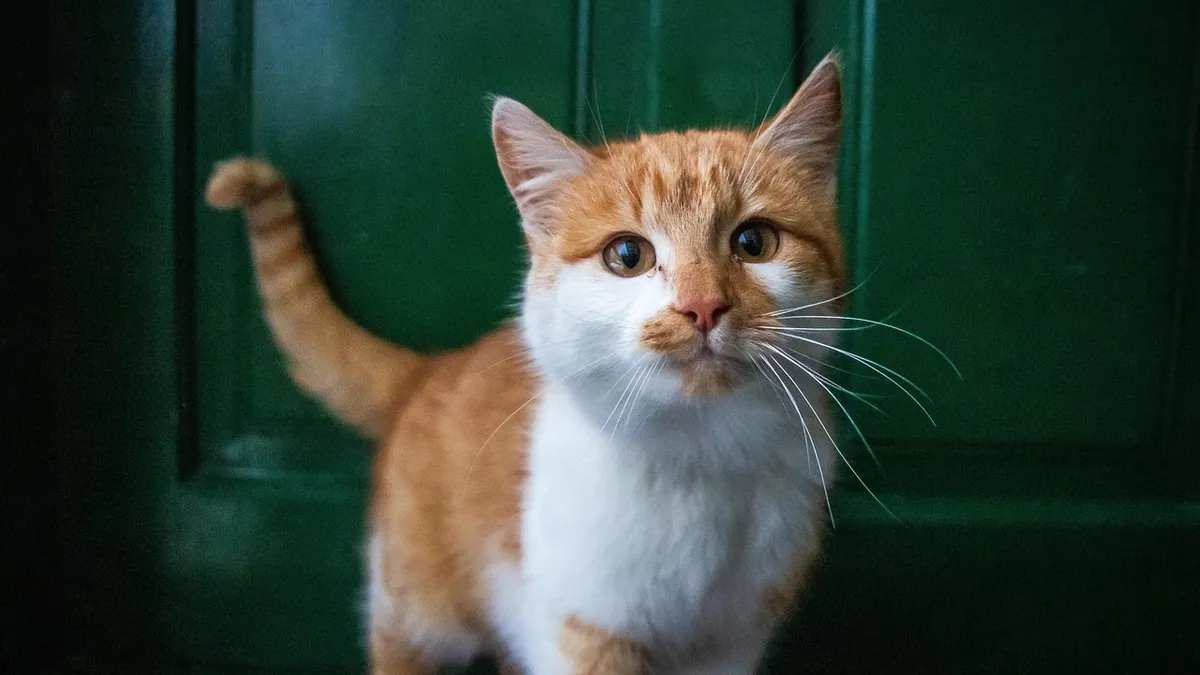
Zinc chloride is toxic to cats, and so is zinc sulfate. Both are zinc salts, and both can cause corrosive burns to the mouth and stomach, plus a slower phase of poisoning that damages red blood cells and organs. Even a small lick of a concentrated product can matter, so treat any exposure as urgent.
This article is educational and is not a substitute for veterinary diagnosis or treatment.
Quick Answer
- Zinc chloride and zinc sulfate are both toxic to cats. Zinc chloride is especially corrosive, and it can injure tissue on contact.
- Common household sources include roll-on and spray deodorants, zinc supplement tablets, sunscreen, diaper rash cream, pool and hot tub chemicals, and some industrial or hobby products.
- Zinc toxicosis in cats usually comes from eating something that contains or is coated with zinc, and the acidic stomach can turn some zinc forms into toxic zinc salts [1].
- Signs can start within minutes to hours (drooling, vomiting, mouth pain) and a second, more dangerous phase can follow over days (weakness, pale gums, dark urine, collapse).
- Call your veterinarian, the ASPCA Animal Poison Control Center at (888) 426-4435, or Pet Poison Helpline at (855) 764-7661 right away. Do not induce vomiting unless a veterinarian tells you to.
Is Zinc Chloride Toxic to Cats?
Yes. Zinc chloride is a zinc salt, and it is one of the more irritating forms. It is used in deodorants, some antiperspirants, mouthwashes, soldering flux, pool chemicals, and certain industrial products. When a cat licks it, the salt can burn the lips, tongue, throat, and stomach lining.
Zinc sulfate is also toxic to cats. It shows up in zinc supplement tablets, some eye drops, fertilizers, and pool or water treatment products. It is less corrosive than zinc chloride in most products, but it still delivers a dose of zinc that a cat's body cannot handle well.
The word "zinc" on a label does not tell you how dangerous the product is. What matters is the form of zinc, the concentration, and how much your cat actually swallowed. A tiny lick of a diluted product is very different from chewing a supplement tablet or licking spilled pool chemical.
Which Products and Parts Are Risky
- Deodorants and antiperspirants, especially roll-ons, sticks, and sprays that list zinc chloride or zinc sulfate
- Zinc supplement tablets and lozenges, including those sold for colds or immune support
- Sunscreens and diaper rash creams that contain zinc oxide or zinc salts
- Pool and hot tub chemicals, including clarifiers and algaecides
- Soldering flux, metalworking products, and some craft or hobby supplies
- Zinc-containing metal objects, such as galvanized hardware and some coins, if a cat chews or swallows them [1]
Zinc is also a normal trace element in food. Commercial wet cat foods can contain zinc in the range of 45 to 50 mg/kg on a dry matter basis [2]. That is nutrition, not poisoning. The problem comes from concentrated non-food products and from swallowing metal objects.
The Toxic Principle: What Zinc Does in a Cat's Body
Zinc is an essential trace metal. Cats need a small amount for normal body functions. The trouble is the gap between enough and too much, because the body has limited ways to get rid of a large zinc load.
There are two separate problems with zinc salts.
The first is direct chemical injury. Zinc chloride is corrosive. It damages tissue where it touches, which is why mouth pain, drooling, and vomiting are common early signs. This is a burn, not an allergy.
The second is systemic zinc toxicosis. When a cat swallows zinc, the acidic environment of the stomach can create toxic zinc salts [1]. Absorbed zinc then circulates in the blood and can damage red blood cells, leading to their destruction (hemolysis). It can also harm the kidneys, liver, and pancreas, and in severe cases it can trigger bleeding problems [1].
That two-part pattern explains why a cat can seem to improve after the initial mouth and stomach irritation, then get worse a day or two later. The corrosive injury happens fast. The internal damage builds more slowly.
Signs of Zinc Salt Poisoning in Cats
Signs depend on the product, the amount, and how long ago the exposure happened. Cats are often secretive, so you may not see the ingestion itself. You may only notice that something is wrong.
Early Signs (Minutes to Hours)
- Drooling, lip smacking, or pawing at the mouth
- Bad breath or a chemical odor
- Vomiting, sometimes with blood
- Refusing food or water
- Mouth pain, reluctance to be touched around the face
- Restlessness or hiding
These signs are common with corrosive injury. They are also common with many other problems, including eating a cleaning product, which is why a full exam matters. If you saw your cat near a spilled product, say so when you call.
Later Signs (Hours to Several Days)
- Weakness, lethargy, or collapse
- Pale gums, or gums that look yellow
- Dark, brown, or reddish urine
- Fast breathing or a fast heart rate
- Abdominal pain or a swollen belly
- Vomiting that will not stop
- Bleeding that seems unusual, such as nosebleeds or blood in the stool
These later signs point to hemolysis and organ damage, which is the dangerous second phase of zinc toxicosis [1]. Do not wait for this phase to develop before you seek help.
Timeline
Corrosive injury can begin within minutes of contact. Systemic signs often appear within hours to a few days, depending on the dose and the form of zinc. There is no reliable home timeline that tells you a cat is safe. If you know or suspect exposure, the safe move is to call now.
What to Do Right Now
- Move your cat away from the product. Close the container or move it out of reach. Do not let your cat keep licking.
- Do not induce vomiting unless a veterinarian tells you to. Zinc chloride can burn the esophagus on the way back up, and vomiting can make corrosive injury worse.
- Do not give milk, oil, food, or home remedies. These can change absorption or make vomiting more dangerous.
- Wipe the outside of the mouth gently with a damp cloth if there is visible product on the lips or fur. Do not reach into the mouth if your cat is painful or likely to bite.
- Call for guidance. Your veterinarian, the ASPCA Animal Poison Control Center at (888) 426-4435, or Pet Poison Helpline at (855) 764-7661 can help you decide whether this is a home-monitoring situation or an emergency visit.
- Bring the product with you. The label, ingredient list, and concentration help the veterinarian plan treatment. Take a photo of the label if you cannot bring the container.
If your cat is having trouble breathing, is collapsed, is having seizures, or has severe bleeding, go to the nearest emergency veterinary hospital now. Call ahead so the team can prepare.
How Veterinarians Treat Zinc Salt Poisoning
Treatment depends on how much was swallowed, how long ago, and how sick your cat is. Your veterinarian will set the plan for your individual cat.
Stabilization and Decontamination
If the exposure was recent and the product is not corrosive, a veterinarian may discuss decontamination options. With corrosive products like zinc chloride, the priority is protecting the airway and treating pain, not forcing vomiting. Some cats need fluids, oxygen, pain medication, and medication to protect the stomach lining.
Testing
Your veterinarian may recommend blood work to check red blood cells, kidney values, liver values, and electrolytes. Abdominal radiographs (X-rays) can help find a metal object if your cat swallowed something like galvanized hardware or a coin [1]. The history you provide is often the most useful piece of information.
Chelation and Supportive Care
The core of treatment is removing the source of zinc and providing supportive care [1]. That can mean surgery or endoscopy to remove a metal object, intravenous fluids, anti-nausea medication, pain control, and sometimes a blood transfusion if hemolysis is severe. Chelation therapy, which uses drugs to bind zinc and help the body excrete it, is controversial in veterinary medicine [1]. Your veterinarian will decide whether it is appropriate for your cat.
What Not to Expect
There is no single antidote that fixes zinc poisoning. Recovery depends on how much zinc was absorbed, how quickly treatment started, and whether organs were damaged. Your veterinarian calculates any medication dose from your cat's weight and health, so never use a dose from a human product or an online chart.
Outlook for a Cat Exposed to Zinc Salts
The outlook is best when the exposure is small, caught early, and treated before systemic signs appear. Cats with only mild mouth irritation often do well with supportive care.
The outlook is more guarded when hemolysis, kidney damage, or bleeding problems develop. Those cats need intensive care, and some do not survive. Because the second phase can appear after a cat seems to improve, follow-up blood work is often needed even if your cat looks normal at home.
Prevention and Safer Alternatives
Most zinc exposures in cats are preventable. A few habits make a big difference.
- Store deodorants, supplements, sunscreen, and pool chemicals in closed cabinets your cat cannot open.
- Never leave supplement bottles on a counter or nightstand. Cats knock things off surfaces.
- Rinse sinks, tubs, and garage floors after using zinc-containing products.
- Check labels on any product your cat could lick, including creams you use on your own skin.
- Keep galvanized hardware, screws, and coins out of reach. Cats sometimes chew or swallow small metal items [1].
- Pick up spilled product immediately and keep your cat out of the area until it is cleaned.
If your cat likes to chew plants, choose safe options and check before you bring anything home. Our guide to non toxic to cats houseplants can help you build a safer indoor setup. If you already have plants and are not sure about them, see what plants can be toxic to cats and plants toxic to cats.
For cats that get into household chemicals, our article on what to do when a cat ate a cleaning product covers the first steps. The same rule applies to zinc salts: call for advice before you try anything at home.
Limitations and When to Contact a Veterinarian
No article can tell you whether your cat swallowed a dangerous amount. That depends on the product, the concentration, your cat's weight, and how much was absorbed. Individual cases need a veterinarian who can examine your cat and run tests.
Call your veterinarian or a poison control line the same day if:
- You saw your cat lick or chew a zinc-containing product
- Your cat is drooling, vomiting, or refusing food
- You are not sure what the product contained
- Your cat has a known heart, kidney, or liver condition
Go to an emergency hospital now if:
- Your cat is collapsed, weak, or hard to wake
- Breathing is fast, noisy, or labored
- Gums are pale, white, yellow, or blue
- There is blood in the vomit, stool, or urine
- Your cat is having seizures or severe pain
Schedule a routine visit if your cat had a possible exposure days ago and now seems mildly off, such as eating less or sleeping more. Blood work can check for delayed effects.
Frequently Asked Questions
Can a cat get zinc poisoning from licking a deodorant stick once?
It depends on the product and how much was transferred. A single small lick of a stick deodorant is often less serious than chewing a supplement or licking a concentrated pool chemical, but zinc chloride is corrosive and can still burn the mouth. Call your veterinarian or a poison control line with the product name and your cat's weight so they can advise you.
Is zinc sulfate as dangerous as zinc chloride for cats?
Both are toxic, but they behave differently. Zinc chloride is more corrosive and can cause immediate tissue burns, while zinc sulfate is more likely to cause systemic zinc toxicosis after swallowing. Either way, the amount and concentration decide the risk, so treat both as urgent.
What happens if my cat licks a zinc supplement tablet?
Zinc supplement tablets can deliver a large zinc dose for a small cat. Signs may start with vomiting and drooling, then progress to weakness, pale gums, or dark urine over the next day or two. Call poison control or your veterinarian right away and keep the bottle for the label information.
Will my cat be okay if I wait until morning to call?
Waiting is risky with corrosive products and with any large zinc dose. Early treatment can limit tissue damage and support the body before hemolysis or organ injury develops. If the exposure happened tonight, call tonight.
Are zinc oxide creams safer than zinc chloride for cats?
Zinc oxide creams are generally less corrosive than zinc chloride, but they are not risk-free if a cat swallows a meaningful amount. A small lick of diaper cream is usually a mild concern, while eating a tube of it is not. Ask your veterinarian or a poison control line for guidance based on what your cat actually got into.
Related Articles
- Cat Ate a Cleaning Product: Immediate Steps and Toxicity Risks
- Non Toxic To Cats Houseplants
- What Plants Can Be Toxic To Cats
- Plants Toxic To Cats
- What Plants Are Toxic To Cats Indoor
- My Cat Threw Up Yellow Liquid
- Is Zinc Gluconate Toxic to Cats? Doses and Risks
- Can Cats Have Zinc? Supplements and Toxicity
- Are Pennies Toxic to Cats? Zinc Poisoning Risk
References
- Zinc Toxicosis in Animals - Toxicology. Merck Veterinary Manual.
- Physicochemical Quality and Chemical Safety of Commercial Wet Cat Food: Composition, Oxidation, Biogenic Amines, and Trace Elements. Journal of animal physiology and animal nutrition, 2026.