Is Vape Juice Toxic to Dogs? Nicotine Poisoning Signs
By Dr. Zubair Khalid, DVM, MS, PhD ·
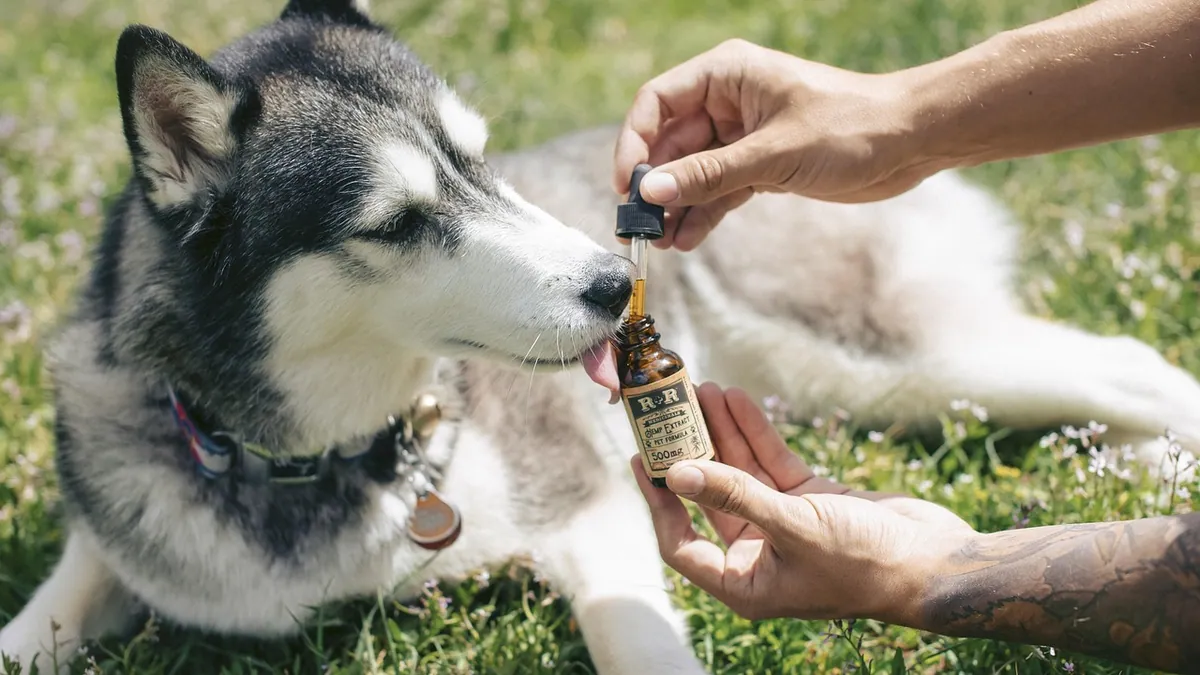
Yes, vape juice is toxic to dogs. The liquid inside e-cigarettes and vape pods contains concentrated nicotine, and a dog that licks or drinks even a small amount can become seriously ill [1][2]. Nicotine poisoning in dogs moves fast, so this is always an emergency.
This article is educational and is not a substitute for veterinary diagnosis or treatment.
Quick Answer
- Vape juice, also called e-liquid or e-juice, is poisonous to dogs because of its nicotine content, and dogs are especially vulnerable to these products [1][3].
- Signs of nicotine poisoning usually appear within 15 to 60 minutes after a dog swallows nicotine [2][3].
- Common early signs include vomiting, drooling, and a fast heart rate [4].
- Call your veterinarian, the ASPCA Animal Poison Control Center at (888) 426-4435, or Pet Poison Helpline at (855) 764-7661 right away if your dog licks, drinks, or chews any vape product [2].
- Do not make your dog vomit unless a veterinarian tells you to. Never give antacids, because stomach acid naturally slows nicotine absorption [2].
Is Vape Juice Toxic to Dogs?
Yes. Vape juice is harmful to dogs, and the risk comes from nicotine. Vapes are battery-powered devices that heat a nicotine-containing liquid so it can be inhaled [1]. That liquid is the part that causes poisoning when a dog gets into it.
Dogs can be exposed in several ways:
- Drinking or licking spilled e-liquid from a pod, bottle, or refill container
- Chewing a vape device and puncturing the pod or cartridge
- Licking the mouthpiece or an area where liquid has leaked
- Breathing in secondhand vapor in a closed space [1]
Oral exposure is by far the most common route. In a review of 321 dogs exposed to e-cigarettes or e-liquid, 98.8% of exposures happened through the mouth or cheek [4]. A few dogs were exposed through the eyes or had liquid put in an ear, but swallowing and licking are the main concerns [4].
The device itself matters too. If your dog chews a vape pen or pod, you are dealing with two problems at once: nicotine poisoning and a possible foreign body or blockage from swallowed plastic or metal parts. If your dog ate a pen or a piece of one, see My Dog Ate a Pen: Is It Toxic or Just a Blockage Risk?.
What Makes Vape Juice So Dangerous?
The toxic principle in vape juice is nicotine. Nicotine is highly toxic to animals, and it can cause serious or fatal consequences when swallowed [3]. Vape liquid is a concern because the nicotine is dissolved in a carrier liquid, often with flavorings, which makes it easy to lap up and easy to absorb.
Nicotine is not the only nicotine product that harms dogs. Cigarettes, nicotine patches, and chewing tobacco can all poison a dog [3]. Chewing tobacco is a particular problem because it tastes sweet, so a dog is more likely to eat it willingly, while cigarette tobacco tastes bad and is less appealing [5]. If your dog got into one of those products instead, read My Dog Ate a Cigarette or Nicotine Gum: What Should I Do? or My Dog Ate a Nicotine Patch: What Should I Do?.
What nicotine does in the body
Nicotine attacks the nervous system first. The clinical signs of nicotine poisoning are complex and mostly reflect central nervous system disruption [5]. Early on, nicotine stimulates nerve signaling, which is why you see excitement, drooling, vomiting, and a racing heart. As poisoning progresses, that stimulation can flip into depression, and a dog may collapse with slow, shallow breathing, low blood pressure, dilated pupils, and a weak, rapid, irregular pulse [5].
Nicotine also affects the airways. Nicotine aerosols reduce the function of CFTR, a protein that helps move ions and water across the airway lining, and they impair mucociliary clearance, which is the airway's main physical defense [6]. In plain terms, nicotine exposure can weaken the lungs' ability to clear mucus and debris. That finding comes from laboratory work in cells and animal models, so it is not a direct measure of what happens in a dog that licks a pod, but it shows nicotine is not harmless to the respiratory system [6].
Signs of Nicotine Poisoning in Dogs
Signs of nicotine poisoning vary a lot from dog to dog, but they show up quickly. Clinical signs can appear within 15 to 60 minutes after ingestion [2][3].
Watch for:
- Vomiting
- Excessive drooling (hypersalivation)
- Fast heart rate (tachycardia)
- Diarrhea
- Restlessness, tremors, or unusual excitement
- Weakness, wobbliness, or collapse
- Slow, shallow breathing
- Dilated pupils
- Pale gums or a weak pulse
In the 321-dog case review, the most common signs were vomiting (23.1% of all dogs), hypersalivation (13.1%), and a fast heart rate (9.0%) [4]. That same review found that 53% of the dogs stayed asymptomatic, meaning about half never showed any signs at all [4]. Do not take that as permission to wait. You cannot predict which dog will be in the mild group and which one will collapse.
How much vape juice is dangerous?
There is no safe home dose you can calculate. In the case review, the median reported nicotine dose in oral exposures was 2.6 mg/kg, but that dose was not related to how severe the signs were [4]. In other words, a small amount caused serious signs in some dogs and nothing in others. The strength of the liquid was unknown in 22.7% of cases, and where it was known, 18 mg/mL was the most common strength [4]. Because pod strengths vary and labels are not always accurate, your veterinarian will estimate the dose from your dog's weight, the product, and how much was likely swallowed. Never guess and wait it out.
What to Do Right Now
If you saw your dog lick, drink, or chew vape juice or a vape device, act immediately.
- Move your dog away from the product and pick up anything left on the floor.
- Call your veterinarian, the ASPCA Animal Poison Control Center at (888) 426-4435, or Pet Poison Helpline at (855) 764-7661 [2].
- Save the packaging. The nicotine strength, flavor, and volume help the veterinarian judge the risk.
- Note the time of exposure and your dog's weight.
- Do not induce vomiting unless a veterinarian tells you to. Do not give antacids, because stomach acid naturally slows nicotine absorption and antacids work against that [2].
If your dog is collapsed, having trouble breathing, having seizures, or has a very slow or very fast heart rate, go to the nearest emergency veterinary hospital now. Call on the way so the team can prepare.
How Veterinarians Treat Nicotine Poisoning
Treatment depends on when your dog was exposed and how sick they are. Your veterinarian may induce vomiting and give activated charcoal to stop further absorption from the stomach [2]. Intravenous fluids help with excretion and stabilization [2]. In the 321-dog review, 45.2% of dogs received gut decontamination, most often activated charcoal alone, and 27.7% needed no treatment or only observation [4].
Beyond that, care is supportive. Treatment is aimed at removing unabsorbed poison, diluting what remains, and controlling the dog's signs [5]. That can mean oxygen, medications to manage heart rate and blood pressure, seizure control, and temperature management. Some dogs arrive in total collapse with slow, shallow breathing and a weak, irregular pulse, and those dogs need intensive care [5].
Outlook After Vape Juice Exposure
The outlook is often good when exposure is caught early and treated. In the case review, 94.4% of dogs stayed well or developed only mild signs [4]. That is encouraging, but it reflects a group of dogs whose owners sought help and whose cases had a known outcome. Severe nicotine poisoning can be fatal, and a dog that collapses with breathing and circulation problems is in real danger [5].
Your veterinarian is the only one who can give you a realistic prognosis for your dog. Ask about follow-up monitoring, especially if your dog had heart rate or breathing problems.
Prevention and Safer Alternatives
Prevention is simple and effective. Treat vape products like medication, not like a household item.
- Store vape devices, pods, and refill bottles locked up and out of reach, the same way you store pills.
- Never leave a vape on a coffee table, nightstand, or couch cushion where a dog can reach it.
- Clean up spills right away and rinse the area so no residue remains.
- Keep bags and purses with vapes inside closed and off the floor.
- If you vape, avoid blowing vapor directly at your dog, and ventilate rooms [1].
There is also a longer-term concern for dogs living with people who smoke or vape. Cotinine, which is what nicotine breaks down into, has been found in the semen of dogs living with smoking owners, and it correlates with levels in blood and hair [7]. Researchers are still working out whether this affects male fertility in dogs, but it shows that nicotine exposure leaves a measurable trace in pets who share a home with users [7]. Keeping nicotine products away from your dog protects more than just the moment of exposure.
If you are cutting back on nicotine and looking for a safer option for your household, the safest choice for your dog is to keep all nicotine products, in any form, completely out of reach. There is no vape product that is safe for a dog to lick or eat [1][3].
Limitations and When to Contact a Veterinarian
This article cannot tell you whether your specific dog is poisoned. Individual cases need a veterinarian who can examine your dog, ask about the product and timing, and decide on treatment.
Contact a veterinarian the same day if your dog licked or chewed a vape product and seems normal. Signs can appear within 15 to 60 minutes, so a dog that looks fine right now can change quickly [2][3].
Go to an emergency hospital now if your dog is vomiting repeatedly, drooling heavily, wobbling, trembling, collapsing, breathing slowly or with effort, or has a racing or irregular heartbeat [5][4].
Schedule a routine visit if you have questions about nicotine exposure in your home, if your dog has had repeated mild exposures, or if you want help making your home safer.
Frequently Asked Questions
Can a dog get nicotine poisoning from licking a vape?
Yes. Licking or mouthing a vape pod, mouthpiece, or spilled liquid is the most common way dogs are exposed to e-liquid [4]. Even a small lick can deliver a meaningful dose of nicotine, so call a veterinarian or poison control right away.
How fast do nicotine poisoning signs show up in dogs?
Signs usually appear within 15 to 60 minutes after a dog swallows nicotine [2][3]. Some dogs show nothing at all, while others get sick fast, so timing alone cannot tell you how serious the exposure is.
Should I make my dog throw up after eating vape juice?
No, not on your own. Only induce vomiting if a veterinarian tells you to, because the decision depends on timing, the product, and your dog's condition [2]. Giving antacids is also counterproductive, since stomach acid naturally slows nicotine absorption [2].
Is secondhand vape vapor dangerous to dogs?
Inhaling vape smoke can be toxic to dogs and can cause serious health problems [1]. The biggest risk is still a dog eating the liquid, but keeping vapor away from your dog and ventilating your home lowers exposure [1].
Can a dog survive nicotine poisoning?
Yes, many dogs do. In one large case review, 94.4% of dogs stayed well or had only mild signs after e-cigarette or e-liquid exposure [4]. Survival depends on how much nicotine was absorbed and how quickly treatment starts, and severe cases can be fatal [5].
Related Articles
- My Dog Ate a Cigarette or Nicotine Gum: What Should I Do?
- My Dog Ate a Pen: Is It Toxic or Just a Blockage Risk?
- My Dog Ate a Nicotine Patch: What Should I Do?
- Dog Grape Toxicity Symptoms
- Chocolate Toxicity Calculator Dogs Vets Now
- Chocolate Toxicity Calculator Canine
- My Dog Ate a Zyn Pouch: Nicotine Poisoning Signs
- Is Tobacco Toxic to Dogs? Cigarettes, Plants, and Chew
- Is Alcohol Toxic to Dogs? Ethanol, Sugar Alcohols, and Risks
References
- Are Vapes Bad for Dogs. Pet Poison Helpline.
- Nicotine Toxicity in Pets. Pet Poison Helpline.
- Nicotine Poisoning in Pets. Pet Poison Helpline.
- Electronic cigarette or e-liquid (vape liquid) exposure in dogs: 321 cases (2011-2024). The Journal of small animal practice, 2026.
- Nicotine poisoning in a dog. Veterinary and human toxicology, 1990.
- Nicotine aerosols diminish airway CFTR function and mucociliary clearance. American journal of physiology. Lung cellular and molecular physiology, 2023.
- First Evidence of Cotinine in Canine Semen Reveals Tobacco Smoke Exposure. Veterinary sciences, 2024.